
Expert Support
Available 24/7 via chat
Available 24/7 via chat
Morpankhi, also known as Oriental thuja or Oriental arborvitae, is a stunning compact evergreen shrub that brings structure and elegance to any Indian garden. Whether you're a seasoned gardener or just starting out, this hardy conifer is remarkably forgiving and thrives in India's heat and humidity. Its dense, vibrant green foliage provides year-round visual interest, making it perfect for landscape accents, borders, focal points, and ornamental plantings. The best part? Growing Morpankhi is genuinely easy—even in challenging conditions—and requires minimal ongoing maintenance.
Morpankhi is a compact cultivar of Thuja, prized for its tight, feathery foliage and naturally symmetrical form. When young, it arrives at approximately 7 inches (18 cm) tall with a 5-inch spread, but it grows slowly into a shapely shrub that can eventually reach up to 61 meters under ideal conditions—though in typical Indian gardens, it remains far more manageable and controllable. This is an evergreen plant, meaning you'll enjoy its beautiful green color year-round without seasonal dormancy. A delightful bonus: Morpankhi produces delicate white flowers during November and December, adding subtle seasonal charm to your garden. This slow-growing conifer requires minimal pruning and rewards patient gardeners with dense, attractive foliage that stays looking fresh and neat with very little intervention.
| Aspect | Details |
|---|---|
| Light | Full Sun to Partial Shade |
| Water | Moderate; allow soil to dry slightly between waterings |
| Soil | Sandy loam soil with good drainage |
| Temperature | 20 to 35 degrees Celsius (suits most Indian regions) |
Morpankhi is exceptionally adaptable to different light conditions and thrives in both full sun and partial shade. In hot northern and central Indian regions where summer temperatures regularly exceed 40 degrees Celsius, a location receiving morning sun with afternoon shade is ideal—this prevents heat stress during peak hours while ensuring adequate light for dense foliage development. In cooler hill stations or southern regions, full sun exposure produces the most compact, vibrant growth. If your plant receives fewer than four hours of indirect sunlight daily, growth may slow noticeably and foliage can become sparse or thin. The strategic balance is finding a spot that offers sufficient light without exposing the plant to excessive heat stress during the harshest months of April through June.
Water Morpankhi moderately—this principle is absolutely central to keeping your plant healthy and thriving. During the active growing season (spring through monsoon), maintain consistently moist soil without waterlogging. During dormant or slower-growth periods (winter and early summer), water only when the top inch of soil feels dry to the touch. This typically translates to 2-3 times weekly during warm months and once weekly or less during cooler periods.
Monsoon season requires special attention in Indian gardens. If your region receives heavy rainfall, substantially reduce supplementary watering and ensure excellent drainage to prevent waterlogging—Morpankhi's roots are particularly susceptible to rot if left sitting in wet soil. Hard water, which is common across many parts of India, is generally safe for Morpankhi, though mineral deposits may accumulate on foliage over time; simple rinsing with filtered water addresses this if needed. Always water at the plant's base during early morning hours; this reduces fungal issues and allows excess moisture to evaporate during the day.
Morpankhi thrives in sandy loam soil with good drainage characteristics. This soil type allows water to permeate freely without creating puddles or wet pockets around the roots. If your garden contains heavy clay soil, amend it by mixing in sand and compost in proportions of 50% existing soil, 25% sand, and 25% well-rotted compost to create an ideal growing medium. Morpankhi is not a heavy feeder, but it genuinely benefits from regular organic nutrition during the growing season.
Apply any organic fertilizer once every 2-3 months from March through October. Well-rotted cow manure, mature compost, or neem-based organic fertilizers work beautifully. Avoid chemical fertilizers, which can burn delicate foliage and disrupt the plant's natural growth rhythm. In soil that's naturally poor, a light feeding in spring and early monsoon is typically sufficient to promote lush foliage and healthy development.
Morpankhi's ideal temperature range of 20 to 35 degrees Celsius suits most of India's diverse climates year-round, from coastal regions to the Deccan plateau to hill stations. The plant demonstrates good resilience to temperature fluctuations but genuinely appreciates relief during extreme heat events. When temperatures exceed 38 degrees Celsius, providing afternoon shade or light evening misting helps prevent foliage stress and keeps the plant looking fresh.
Humidity is not a limiting factor for Morpankhi anywhere in India. The plant adapts well to both humid coastal regions and dry inland areas. In arid regions with consistently low humidity—such as parts of Rajasthan or during particularly dry spells elsewhere—occasional misting of foliage during evening hours after 5 PM can reduce stress and maintain the plant's visual appeal.
Propagating Morpankhi is possible through softwood cuttings, though it requires patience and attention. Take 4-5 inch cuttings from new, tender growth during spring (March through April). Remove the lower leaves carefully, dip the cut end in rooting hormone, and plant immediately in a well-draining propagation medium such as equal parts perlite and peat moss or cocopeat. Keep the medium consistently moist and provide bright, indirect light throughout the rooting period. Expect rooting to occur within 6-8 weeks. Once rooted cuttings develop a strong root system, gradually acclimate them to outdoor conditions over 7-10 days before transplanting into the garden. Alternatively, purchasing young plants from established nurseries often proves simpler—propagation from cuttings can be time-consuming and temperamental for home gardeners.
Ready to grow your own? Shop Morpankhi at Nurserylive →
Morpankhi, Thuja Compacta - Plant The Morpankhi, scientifically known as Thuja Compacta, is a stunning evergreen shrub that adds a touch o...
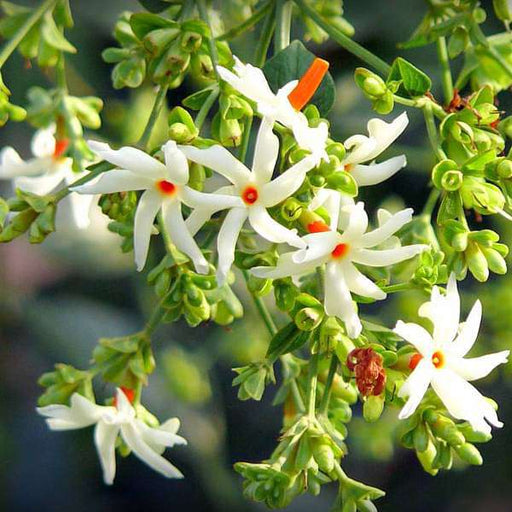
View full detailsCombo Constituents Includes the Parijat Tree (Night-Flowering Jasmine), a culturally significant plant with fragrant flowers. Description The Pari...
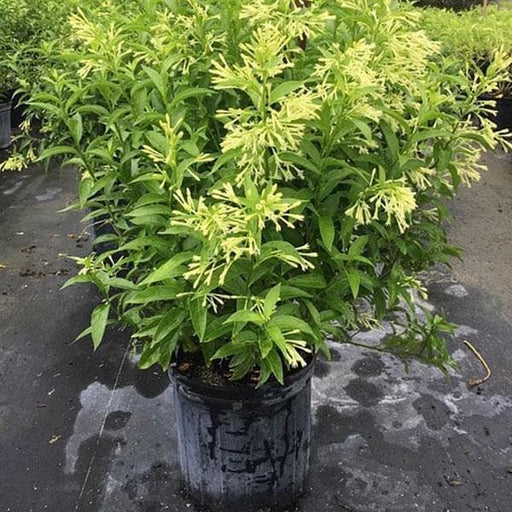
View full detailsDescription Raat Ki Rani (*Cestrum nocturnum*), also known as Night Blooming Jasmine, is a fragrant shrub native to the Caribbean and Central Ameri...
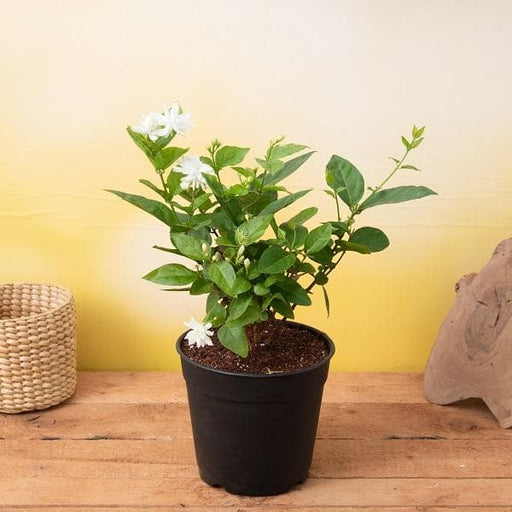
View full detailsJasminum sambac, Mogra, Arabian Jasmine - Plant Jasminum sambac, commonly known as Mogra or Arabian Jasmine, is a fragrant flowering plant...
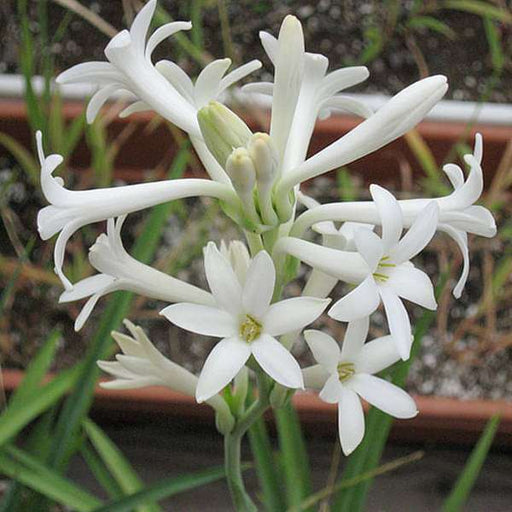
View full detailsRajnigandha, Tuberose - Plant The Rajnigandha, scientifically known as Polianthes tuberosa, is a captivating perennial plant renowned for ...
View full detailsCitronella, Odomas - Plant The Citronella plant, scientifically known as Cymbopogon nardus, is a tropical grass renowned for its aromatic ...
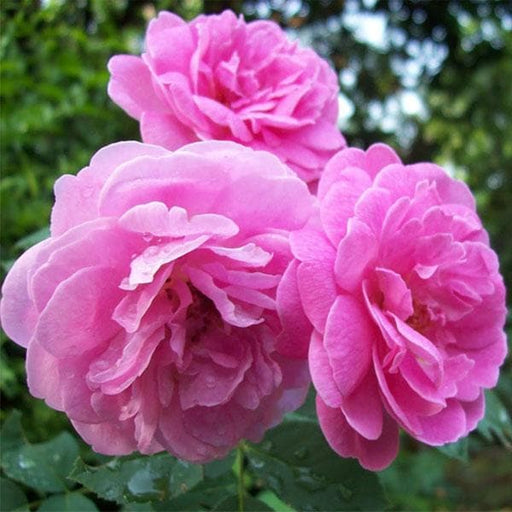
View full detailsDamascus Rose, Scented Rose (Any Color) - Plant The Damascus Rose, also known as Rosa damascena, is a timeless symbol of beauty and romanc...
View full detailsMiniature Rose, Button Rose (Any Color) - Plant The Miniature Rose, also known as the Button Rose, is a charming and compact flowering plant that ...
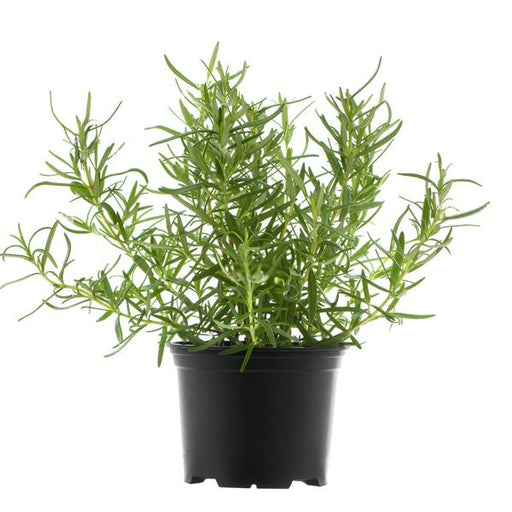
View full detailsRosemary - Plant Rosemary (Rosmarinus officinalis) is a fragrant evergreen herb native to the Mediterranean region. Known for its needle-like leav...
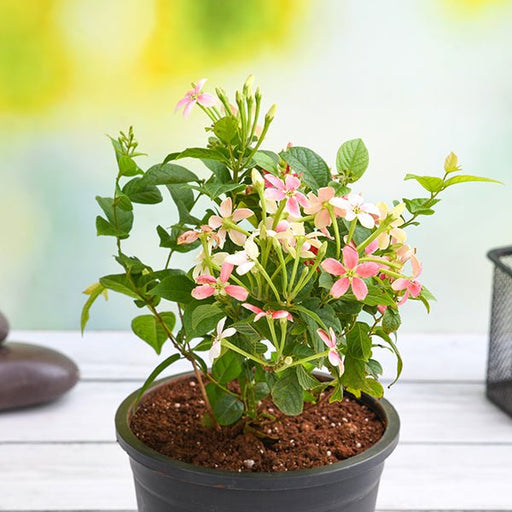
View full detailsMadhumalti Dwarf, Rangoon Creeper - Plant The Madhumalti Dwarf, also known as the Rangoon Creeper (Quisqualis indica), is a stunning perennial vin...
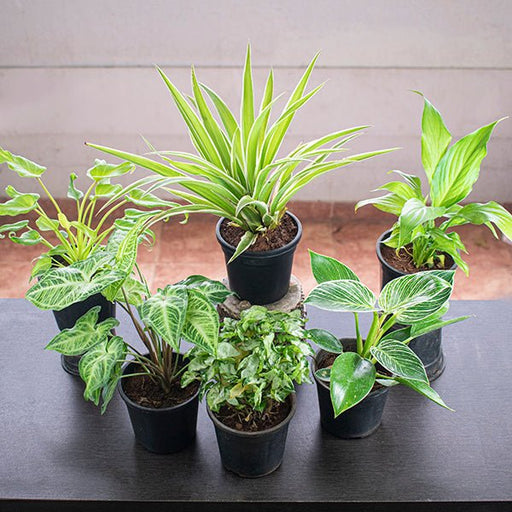
View full detailsBest 6 Plants for Perfect Indoor Garden Transform your living space into a lush oasis with our curated collection of the Best 6 Plants for a...
View full detailsBest 6 Plants for Perfect Indoor Garden Transform your living space into a lush oasis with our curated collection of the Best 6 Plants for a...
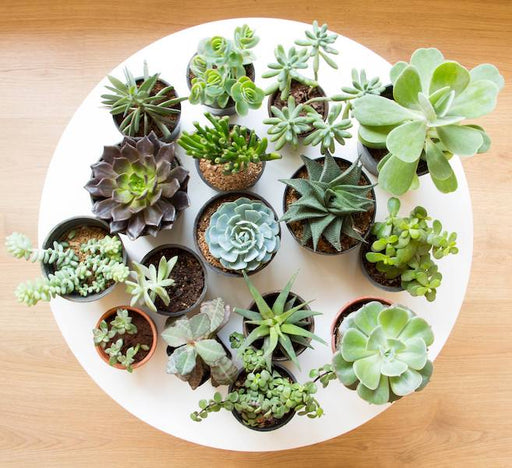
View full detailsMini Succulent Garden Pack Transform your space with our Mini Succulent Garden Pack, featuring a delightful collection of 4 any variety beautiful s...
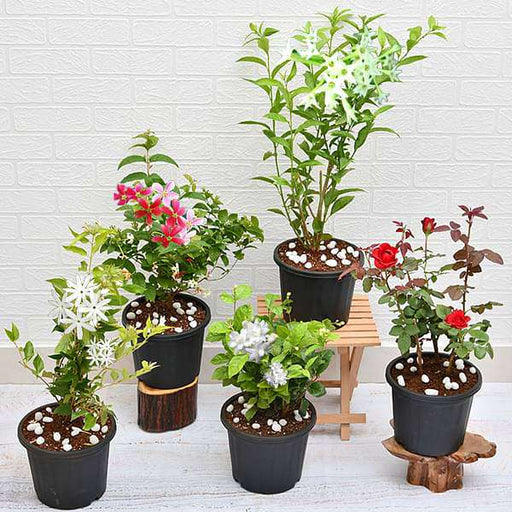
View full details5 Best Fragrant Plants Transform your garden or indoor space into a fragrant paradise with our curated selection of the 5 Best Fragrant Plants. Th...
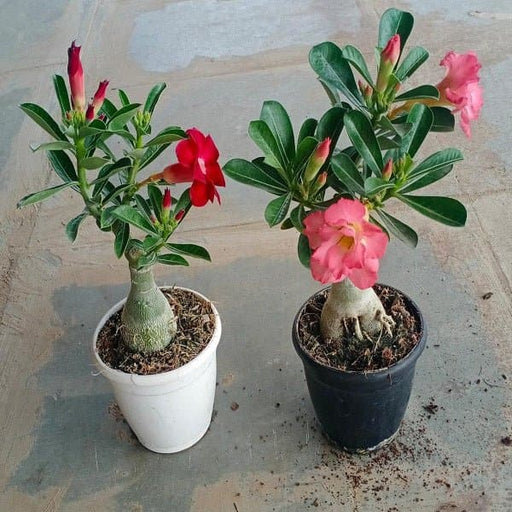
View full detailsSet of 2 Bonsai Looking Grafted Adeniums Transform your indoor or outdoor space with our exquisite Set of 2 Bonsai Looking Grafted Adenium...
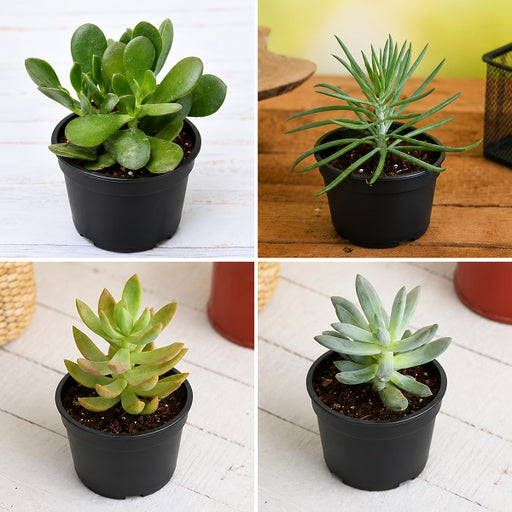
View full detailsTop 4 Die Hard Succulents Pack Note: Plants included in this pack will be delivered in a 3-inch nursery pot (any color). Transform your indoor or ...
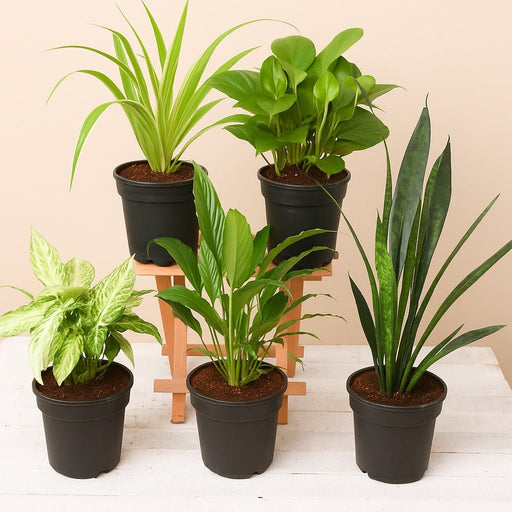
View full details5 Best Indoor Plants Pack Transform your living space into a lush oasis with our '5 Best Indoor Plants Pack.' This carefully curated collection fe...
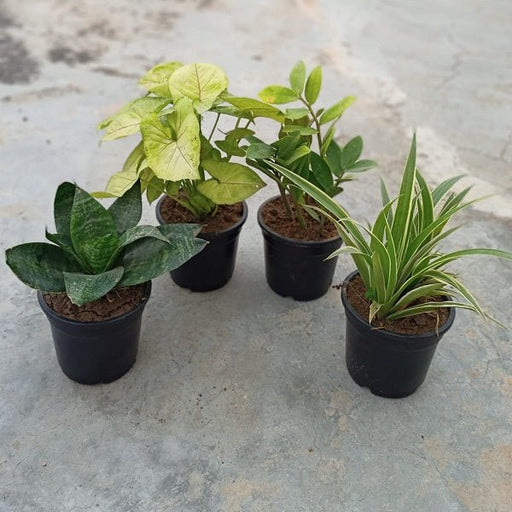
View full detailsSet of 4 Evergreen Air Purifier Plant Pack Transform your indoor space into a lush, green oasis with our Set of 4 Evergreen Air Purifier Pla...
View full detailsTop 5 Pollution Killer Plants Pack Transform your living space into a breath of fresh air with our 'Top 5 Pollution Killer Plants Pack'. This care...
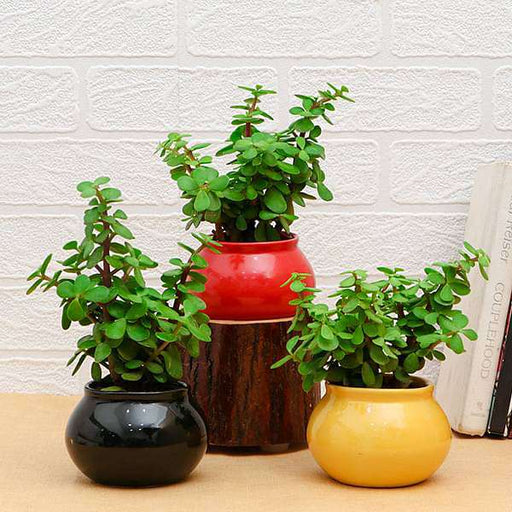
View full detailsPack of 3 Good Luck Jade Plants in Ceramic Pots Bring a touch of nature into your home with our Pack of 3 Good Luck Jade Plants, featuring...
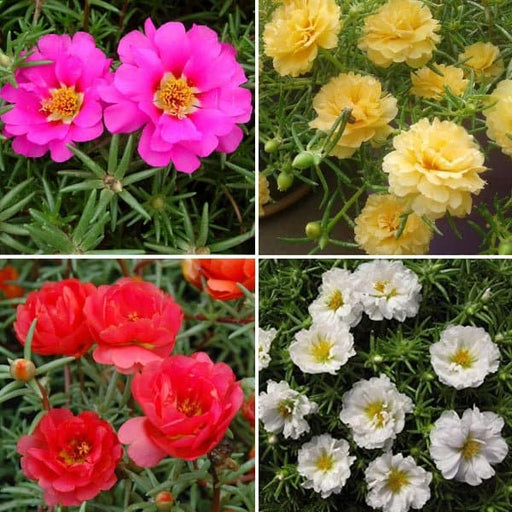
View full detailsPortulaca Garden Pack (4 Plants + 4 Black Pots) Note- You will get any color (Assorted) potted Porulaca plant with this pack. Transform your garde...
View full details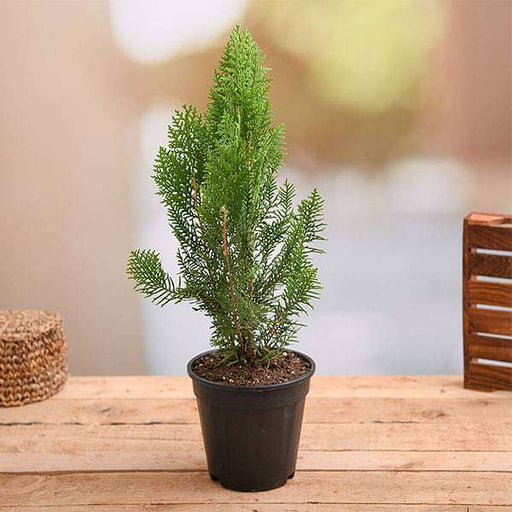






Leave a comment