
Expert Support
Available 24/7 via chat
Available 24/7 via chat
The Money Plant (Epipremnum aureum), also called Potthos or Devil's Ivy, is a staple of Indian homes. Favoured for its trailing emerald foliage, ease of care, and reputation for good fortune, this climber thrives in India's warm, humid climate. Whether you're growing it as a trailing plant cascading from a shelf or training it up a moss pole, Money Plant rewards even beginner gardeners with lush, air-purifying growth. This guide covers everything you need to succeed with Money Plant in Indian conditions.
Money Plant is a semi-woody climbing vine native to Southeast Asia, though it has become so widespread in India that many believe it originated here. The heart-shaped leaves and trailing stems make it perfect for hanging baskets, wall covers, and indoor displays. Beyond its ornamental appeal, Money Plant actively purifies indoor air by removing toxins like formaldehyde and carbon monoxide, making it an excellent choice for bedrooms and living areas.
In Indian homes, Money Plant holds cultural significance—Vastu Shastra recommends placing it in the southeast corner of your home or office to attract wealth and positive energy. Its low-maintenance nature, combined with cultural belief and real air-purifying benefits, makes it the go-to choice for both seasoned plant parents and those just starting their gardening journey.
| Care Aspect | Ideal Conditions |
|---|---|
| Light | Bright, indirect light; tolerates low light but grows slower |
| Water | When top 1-2 inches of soil are dry; less in winter |
| Soil | Well-draining potting mix with perlite or coarse sand |
| Temperature | 15–25°C optimal; survives 10–30°C (prefers warmth) |
Money Plant is forgiving with light, but it thrives in bright, indirect conditions. Place it near an east or west-facing window where it receives 2–4 hours of filtered sunlight daily. In India's intense summer heat, avoid harsh afternoon direct sun, especially in peak May–June, as this can scorch the delicate leaves and slow growth.
If your home has only dim corners, Money Plant will still survive—it tolerates low-light conditions far better than most houseplants—but growth will be slower and leaves may space farther apart on stems. For compact, full foliage, brighter indirect light is your best bet. North-facing windows work well during summer; rotate to east-facing windows in winter to capture morning sun.
Overwatering is the most common mistake with Money Plant. Water only when the top 1–2 inches of soil feel dry to the touch. During summer and monsoon months in India, this might mean watering every 5–7 days; in winter, reduce to once every 10–12 days. Always err on the drier side—Money Plant can tolerate short dry spells far better than soggy roots.
In Indian homes with hard water, collect tap water in a container and leave it overnight before use, or mix in a small amount of filtered water. Hard water can cause mineral buildup on leaves and soil, restricting nutrient uptake and causing brown leaf tips. During the monsoon season, reduce watering frequency significantly and ensure pots have drainage holes to prevent waterlogging, which leads to root rot.
Use a well-draining potting mix as your foundation. Mix standard indoor potting soil with 20–30% perlite, coarse sand, or coconut coir to improve drainage—this is especially important during India's monsoon months. Money Plant prefers slightly acidic to neutral soil (pH 6–7). Repot every 12–18 months in spring, moving to a container only 1–2 inches larger than the previous one.
For feeding, apply a balanced, liquid houseplant fertiliser (NPK 10:10:10 or similar) diluted to half strength every 3–4 weeks during the growing season (March to September). In winter, reduce feeding to once every 6–8 weeks or stop entirely. Money Plant is not a heavy feeder, and over-fertilising causes salt accumulation in soil, leading to brown leaf tips—a common problem in India's hard-water regions.
Money Plant loves India's tropical warmth. The ideal temperature range is 15–25°C, though it tolerates 10–30°C without stress. It actually thrives in the warm, humid conditions of Indian summers and monsoons, making it an ideal indoor companion year-round. Temperatures below 10°C can cause growth to stop and leaves to drop; avoid placing plants near air-conditioning vents during summer.
Humidity is rarely a concern in India, especially during monsoon months. However, in dry indoor environments (heated rooms in winter), occasionally mist the foliage with water to prevent dust accumulation and keep stomata clear—this also helps the plant's air-purifying function. Grouping plants together naturally raises humidity through transpiration, which Money Plant appreciates.
Money Plant is so easy to propagate that even children can do it. Select a healthy stem and cut 4–6 inches below a node (the small bump where leaves emerge) using clean scissors. Remove the lower 1–2 leaves to expose the nodes, then place the cutting in water or moist soil.
In water, roots typically emerge within 7–14 days—keep the water in a clear jar so you can monitor root development and change water every 2–3 days to prevent bacterial growth. Once roots are 1 inch long, transfer to soil. You can also propagate directly into well-draining soil; keep it consistently moist (not soggy) for 2–3 weeks until roots establish. Spring and early summer are ideal propagation seasons in India, though Money Plant cuttings root successfully year-round. This easy propagation method is perfect for sharing plants with friends or filling bare walls quickly.
Root rot and yellowing leaves: The primary culprit is overwatering. Let soil dry between watering, ensure pot drainage, and never leave the plant sitting in water. If roots have rotted, repot into fresh soil immediately.
Brown leaf tips: Usually caused by hard water or underwatering. Use filtered water or let tap water sit overnight. Check soil moisture regularly—Money Plant's tips brown when thirsty, not when overwatered.
Pest infestations: Spider mites and mealybugs occasionally appear, especially in dry indoor conditions. Spray affected plants with a mix of water and a few drops of neem oil weekly until pests clear. Dust leaves regularly with a soft cloth to prevent pest buildup.
Slow or sparse growth: This indicates insufficient light. Move the plant to a brighter location or add 2–4 hours of indirect sunlight daily. Fertilise more consistently during growing season.
Money Plant is the ideal houseplant for Indian gardeners of all skill levels. Its tolerance for varied light conditions, ease of propagation, and proven air-purifying properties make it an investment in both your home's beauty and air quality. With consistent, mindful watering and bright indirect light, your Money Plant will reward you with years of trailing, lush foliage—and perhaps, as tradition suggests, a little extra good fortune along the way.
Ready to grow your own? Shop Money Plant at Nurserylive →
Air Purifier Money Plant with Pot The Air Purifier Money Plant, also known as Pothos or Epipremnum aureum, is a stunning indoor plant that...
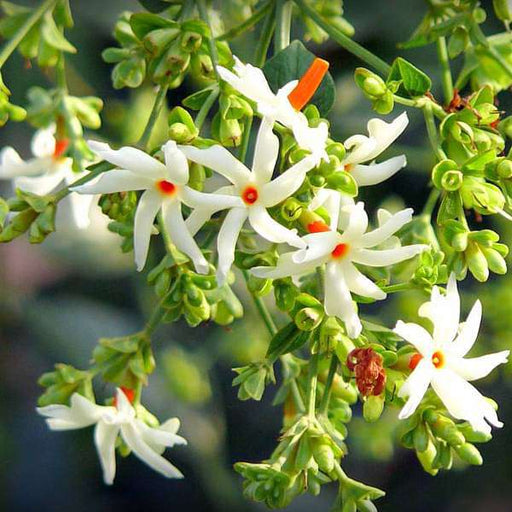
View full detailsCombo Constituents Includes the Parijat Tree (Night-Flowering Jasmine), a culturally significant plant with fragrant flowers. Description The Pari...
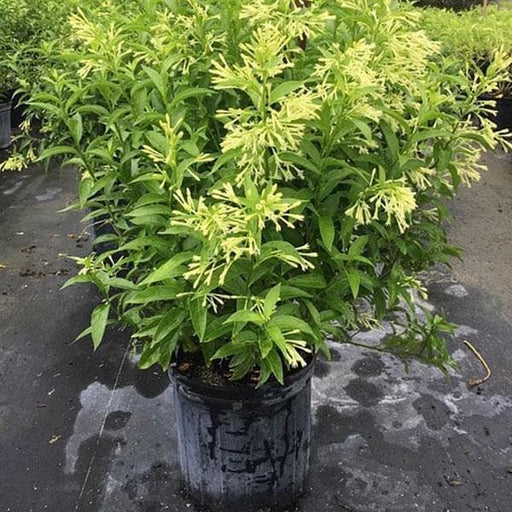
View full detailsDescription Raat Ki Rani (*Cestrum nocturnum*), also known as Night Blooming Jasmine, is a fragrant shrub native to the Caribbean and Central Ameri...
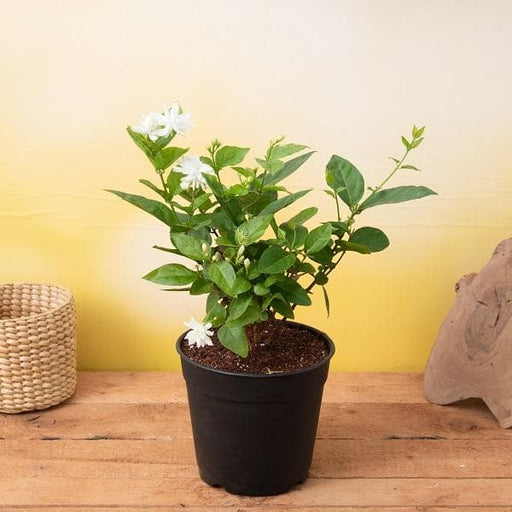
View full detailsJasminum sambac, Mogra, Arabian Jasmine - Plant Jasminum sambac, commonly known as Mogra or Arabian Jasmine, is a fragrant flowering plant...
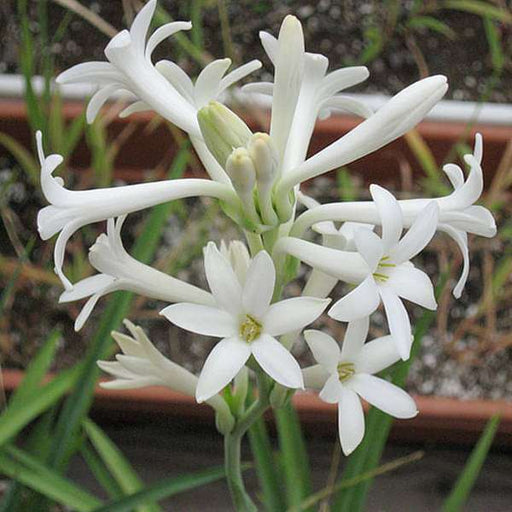
View full detailsRajnigandha, Tuberose - Plant The Rajnigandha, scientifically known as Polianthes tuberosa, is a captivating perennial plant renowned for ...
View full detailsCitronella, Odomas - Plant The Citronella plant, scientifically known as Cymbopogon nardus, is a tropical grass renowned for its aromatic ...
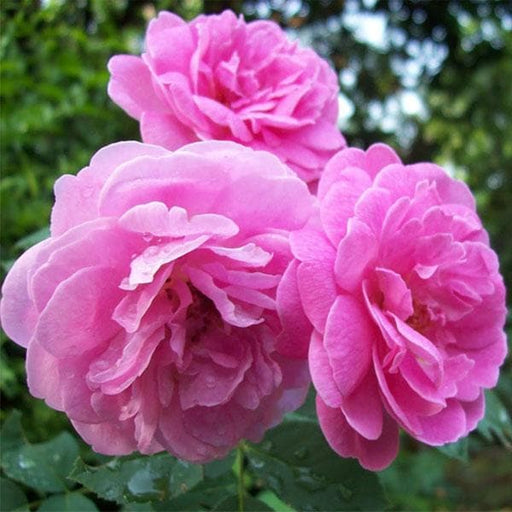
View full detailsDamascus Rose, Scented Rose (Any Color) - Plant The Damascus Rose, also known as Rosa damascena, is a timeless symbol of beauty and romanc...
View full detailsMiniature Rose, Button Rose (Any Color) - Plant The Miniature Rose, also known as the Button Rose, is a charming and compact flowering plant that ...
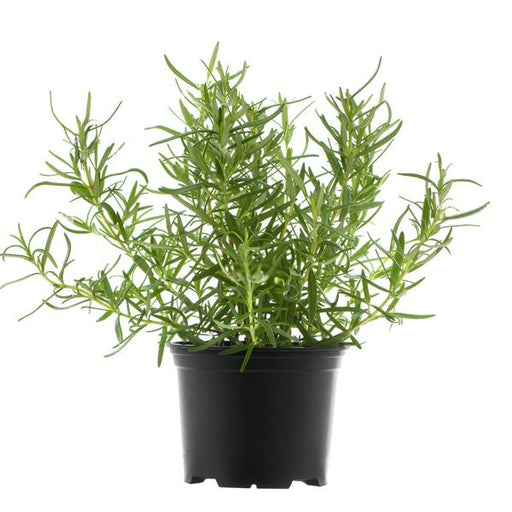
View full detailsRosemary - Plant Rosemary (Rosmarinus officinalis) is a fragrant evergreen herb native to the Mediterranean region. Known for its needle-like leav...
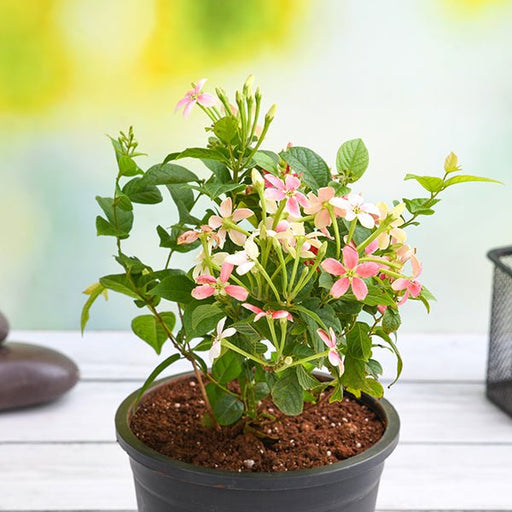
View full detailsMadhumalti Dwarf, Rangoon Creeper - Plant The Madhumalti Dwarf, also known as the Rangoon Creeper (Quisqualis indica), is a stunning perennial vin...
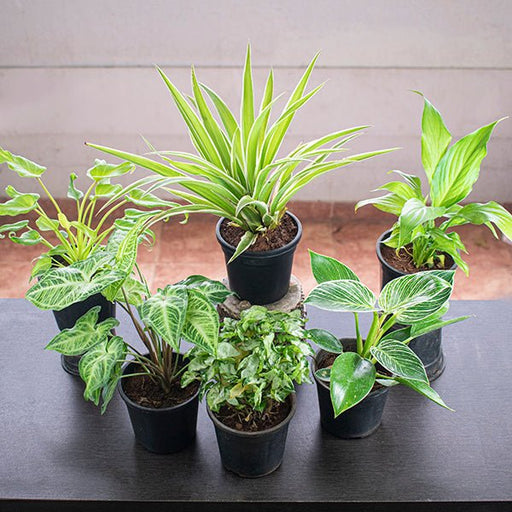
View full detailsBest 6 Plants for Perfect Indoor Garden Transform your living space into a lush oasis with our curated collection of the Best 6 Plants for a...
View full detailsBest 6 Plants for Perfect Indoor Garden Transform your living space into a lush oasis with our curated collection of the Best 6 Plants for a...
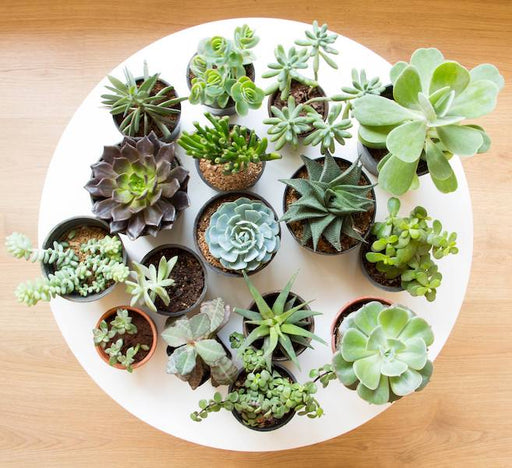
View full detailsMini Succulent Garden Pack Transform your space with our Mini Succulent Garden Pack, featuring a delightful collection of 4 any variety beautiful s...
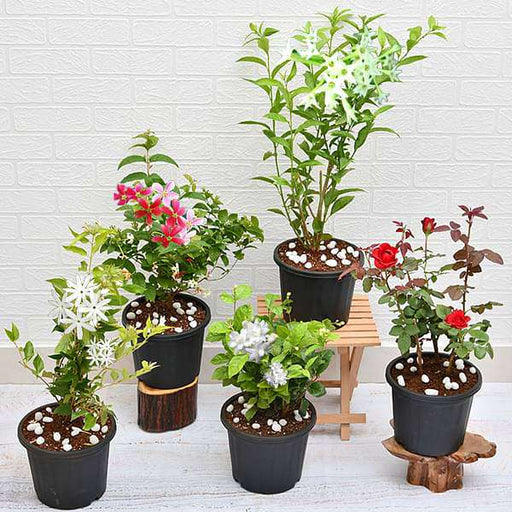
View full details5 Best Fragrant Plants Transform your garden or indoor space into a fragrant paradise with our curated selection of the 5 Best Fragrant Plants. Th...
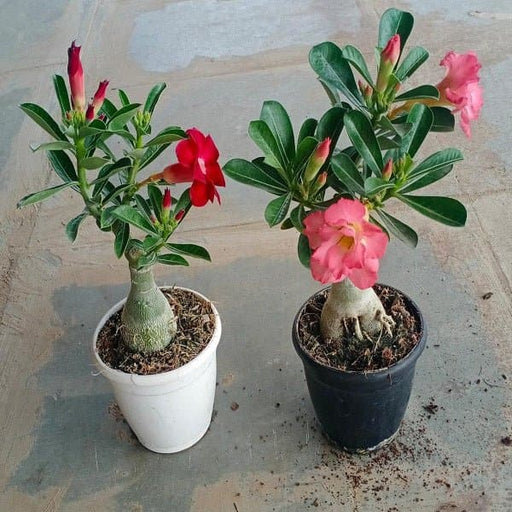
View full detailsSet of 2 Bonsai Looking Grafted Adeniums Transform your indoor or outdoor space with our exquisite Set of 2 Bonsai Looking Grafted Adenium...
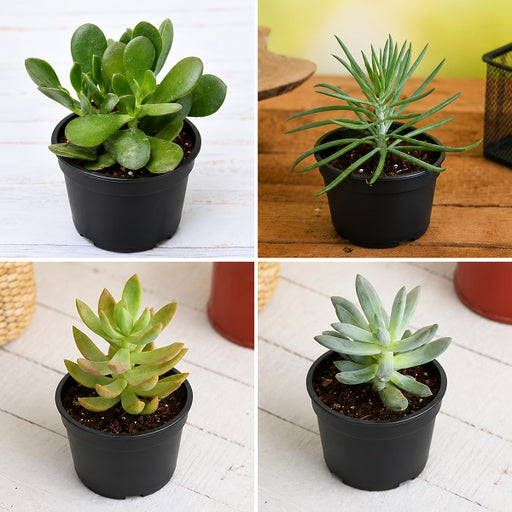
View full detailsTop 4 Die Hard Succulents Pack Note: Plants included in this pack will be delivered in a 3-inch nursery pot (any color). Transform your indoor or ...
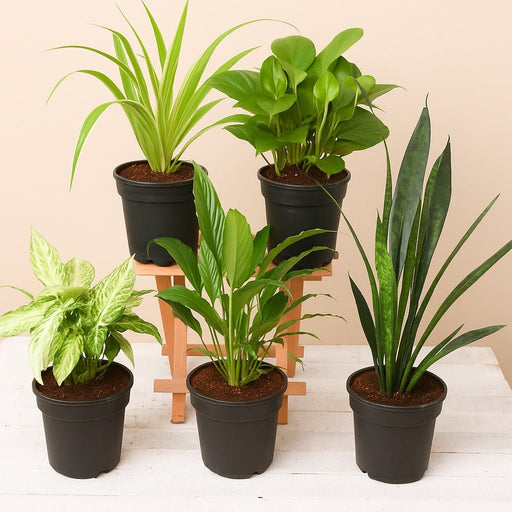
View full details5 Best Indoor Plants Pack Transform your living space into a lush oasis with our '5 Best Indoor Plants Pack.' This carefully curated collection fe...
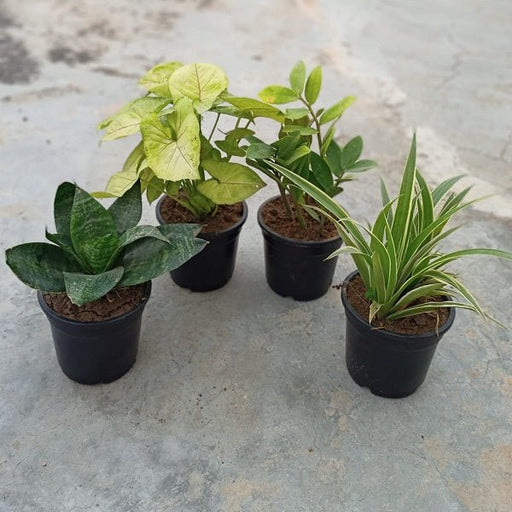
View full detailsSet of 4 Evergreen Air Purifier Plant Pack Transform your indoor space into a lush, green oasis with our Set of 4 Evergreen Air Purifier Pla...
View full detailsTop 5 Pollution Killer Plants Pack Transform your living space into a breath of fresh air with our 'Top 5 Pollution Killer Plants Pack'. This care...
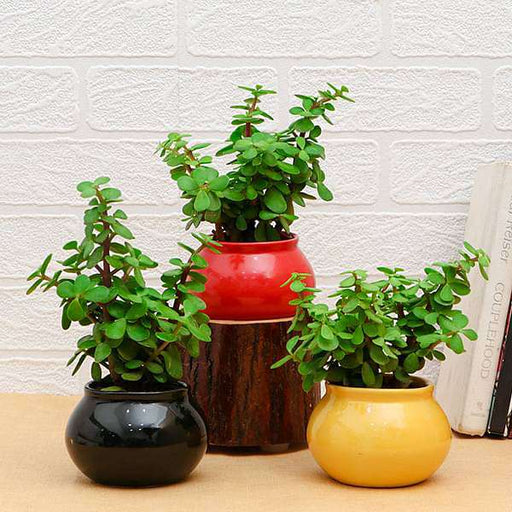
View full detailsPack of 3 Good Luck Jade Plants in Ceramic Pots Bring a touch of nature into your home with our Pack of 3 Good Luck Jade Plants, featuring...
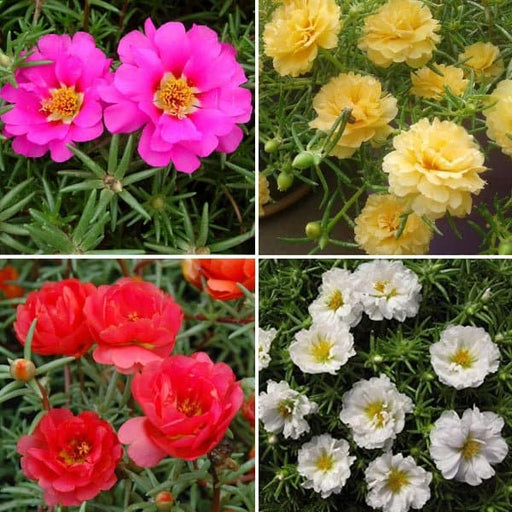
View full detailsPortulaca Garden Pack (4 Plants + 4 Black Pots) Note- You will get any color (Assorted) potted Porulaca plant with this pack. Transform your garde...
View full details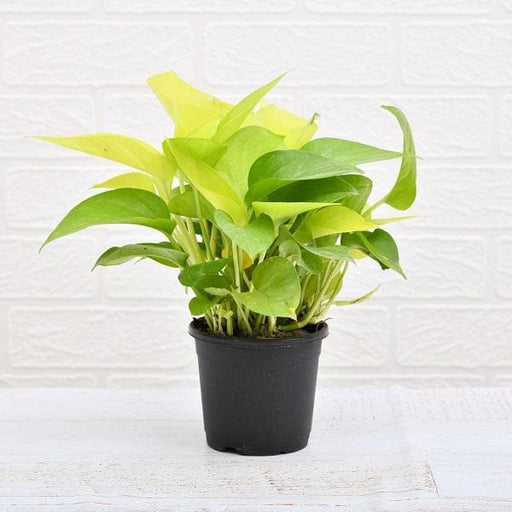






Leave a comment