
Expert Support
Available 24/7 via chat
Available 24/7 via chat
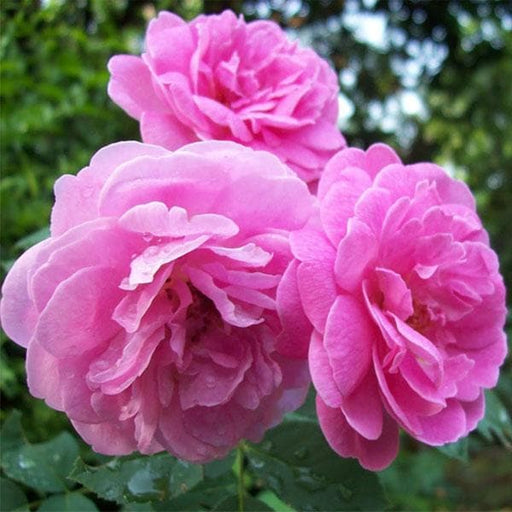
Miniature roses, also known as button roses or mini roses, bring the romance and elegance of full-sized roses into small pots and compact garden spaces—ideal for Indian balconies, patios, and windowsills. These dwarf varieties produce clusters of tiny, fully-formed blooms in shades of red, pink, yellow, orange, and white from spring through winter, offering nearly year-round colour and fragrance. Whether you're a seasoned gardener or just beginning, miniature roses are surprisingly rewarding to grow with the right care tailored to India's heat, humidity, and water challenges.
Miniature roses are compact versions of hybrid tea and floribunda roses, typically reaching 30–45 cm in height and thriving in 6–8 inch (15–20 cm) pots. They retain all the beauty and often the fragrance of their larger cousins while remaining perfectly suited to container gardening. The bloom cycle is remarkably long—with proper care, your mini rose will flower nearly year-round in temperate Indian zones (hills, northern plains) and during cooler months (October–March) in warmer, tropical regions. Available in dozens of colours, miniature roses are often sold as starter plants from nurseries, making them an accessible and delightful choice for gardeners at any skill level.
| Care Aspect | Details |
|---|---|
| Light | Bright, indirect to full sun; minimum 4–6 hours daily |
| Water | Keep soil consistently moist; 2–3 times weekly during growing season |
| Soil | Well-draining, fertile mix (peat/coir, compost, perlite); pH 6.0–6.5 |
| Temperature | Ideal 15–25°C; slow growth above 35°C; protect below 5°C |
Miniature roses are sun-hungry plants and thrive with 4–6 hours of bright light daily. In Indian climates, place them in east-facing or south-facing windows where they receive morning sun and afternoon dappled shade during peak summer heat (April–June). In warm, coastal regions where intense afternoon sun is intense, afternoon shade is essential to prevent leaf scorch. During monsoon (June–September), when light levels drop and humidity rises, maximise available light by keeping pots on open shelves or under covered areas. Insufficient light leads to leggy, weak growth, poor flowering, and pest problems—if your indoor plant appears spindly, move it outdoors to a brighter spot or near an east-facing window.
Miniature roses require consistently moist (but never waterlogged) soil year-round. During the active growing season (October–March in most of India), water 2–3 times weekly, depending on pot size, soil type, and temperature. Check the top 1 cm of soil; if dry, it's time to water. In summer (April–September), reduce frequency slightly if very hot and the soil dries quickly, but never let the plant completely dry out. During monsoon, careful watering is critical: stop overhead watering, switch to soil-level watering to prevent fungal issues, and ensure pots have drainage holes to prevent fatal root rot. If your region has hard water (common in northern and central India), collect rainwater or let tap water sit overnight to allow chlorine to evaporate. Hard water salts accumulate in potted soil; flush the pot monthly by watering generously until excess drains from the bottom.
Use a well-draining, fertile potting mix blended for flowering plants. A reliable formula is equal parts peat moss (or coir, more sustainable), compost, and perlite for aeration. Miniature roses are heavy feeders during their long bloom season; feed every 2 weeks during active growth (October–March) with a balanced, water-soluble fertiliser (10-10-10) or rose-specific formula. Switch to lower-nitrogen feed (5-10-10) during heavy flowering to encourage blooms over foliage. In summer, reduce feeding to monthly or half-strength doses if temperatures exceed 35°C. Always water before fertilising to avoid root burn. Organic gardeners can use neem cake, bone meal, or compost top-dressing monthly as an alternative.
Miniature roses perform best between 15–25°C and struggle visibly above 35°C. In India's hot plains (north and central regions), plants naturally slow growth and stop flowering temporarily in May–June; move pots to cooler, shadier spots, mist foliage daily, and apply 2–3 cm mulch (straw or coir) to keep roots cool. In tropical and coastal regions where temperatures remain high year-round, treat the cooler months (November–February) as your prime growing and flowering window. Humidity is generally adequate indoors or on balconies; in dry regions (Rajasthan, parts of the Deccan), mist foliage lightly 2–3 times weekly to discourage spider mites. During monsoon, improve air circulation with a small fan to prevent powdery mildew; avoid misting if humidity already exceeds 70%. Miniature roses prefer moderate humidity (40–50%) and airflow over stagnant, very humid conditions.
Propagate miniature roses from semi-ripe cuttings in late summer or early autumn (August–October). Take 8–10 cm cuttings from healthy, non-flowering stems, make a diagonal cut just below a node, remove lower leaves, and dip the cut end in rooting hormone powder. Plant cuttings in moist, airy soil (equal parts peat and perlite) in a small pot, cover loosely with clear plastic to retain moisture, and place in bright, indirect light. Maintain humidity without waterlogging for 4–6 weeks; roots should form by then. Once rooted cuttings show new growth, gradually expose them to open air over a week, then pot individually. Cuttings taken in spring or monsoon often rot from excessive humidity; autumn is the safest window.
Ready to grow your own? Shop Miniature Rose at Nurserylive →
Miniature Rose, Button Rose (Any Color) Plant in 6 inch (13 cm) Grower Round Plastic Pot (Black) The Miniature Rose, also known as the Button Rose...
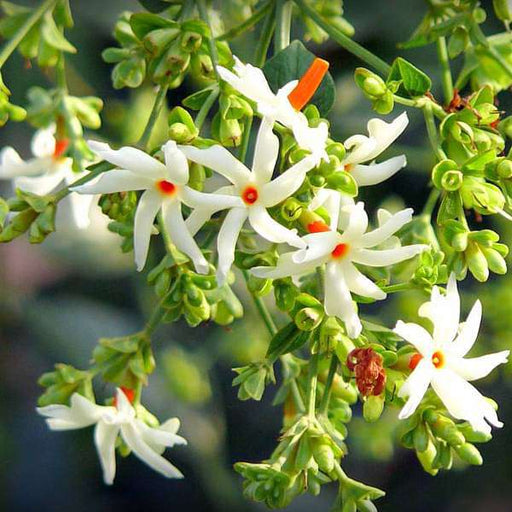
View full detailsCombo Constituents Includes the Parijat Tree (Night-Flowering Jasmine), a culturally significant plant with fragrant flowers. Description The Pari...
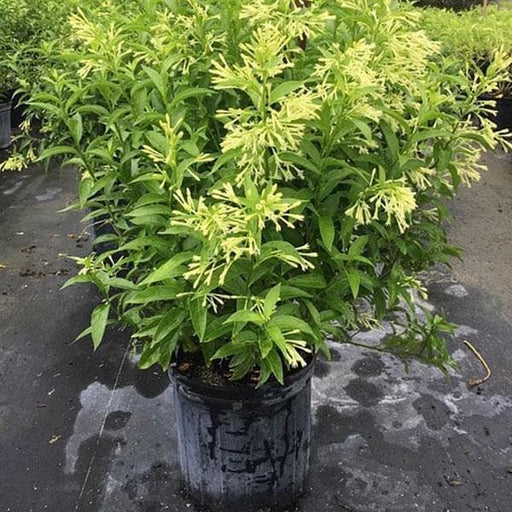
View full detailsDescription Raat Ki Rani (*Cestrum nocturnum*), also known as Night Blooming Jasmine, is a fragrant shrub native to the Caribbean and Central Ameri...
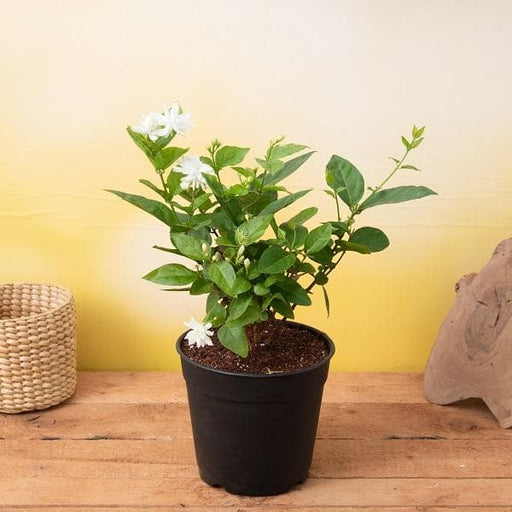
View full detailsJasminum sambac, Mogra, Arabian Jasmine - Plant Jasminum sambac, commonly known as Mogra or Arabian Jasmine, is a fragrant flowering plant...
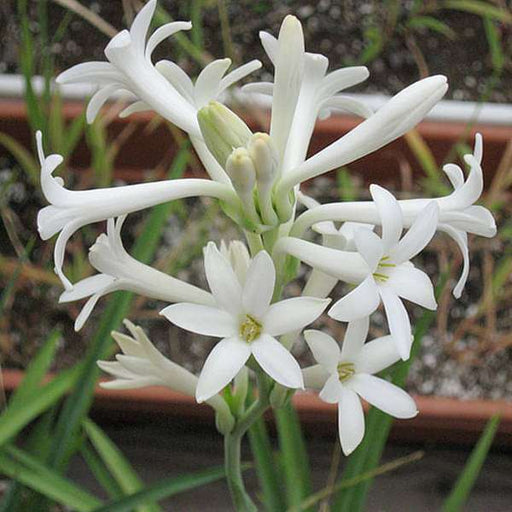
View full detailsRajnigandha, Tuberose - Plant The Rajnigandha, scientifically known as Polianthes tuberosa, is a captivating perennial plant renowned for ...
View full detailsCitronella, Odomas - Plant The Citronella plant, scientifically known as Cymbopogon nardus, is a tropical grass renowned for its aromatic ...
View full detailsDamascus Rose, Scented Rose (Any Color) - Plant The Damascus Rose, also known as Rosa damascena, is a timeless symbol of beauty and romanc...
View full detailsMiniature Rose, Button Rose (Any Color) - Plant The Miniature Rose, also known as the Button Rose, is a charming and compact flowering plant that ...
View full detailsRosemary - Plant Rosemary (Rosmarinus officinalis) is a fragrant evergreen herb native to the Mediterranean region. Known for its needle-like leav...
View full detailsMadhumalti Dwarf, Rangoon Creeper - Plant The Madhumalti Dwarf, also known as the Rangoon Creeper (Quisqualis indica), is a stunning perennial vin...
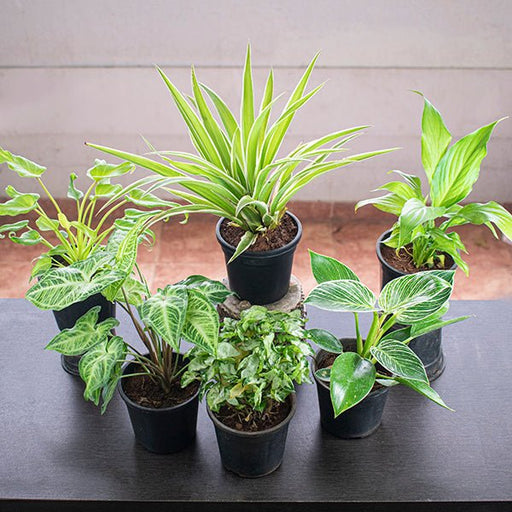
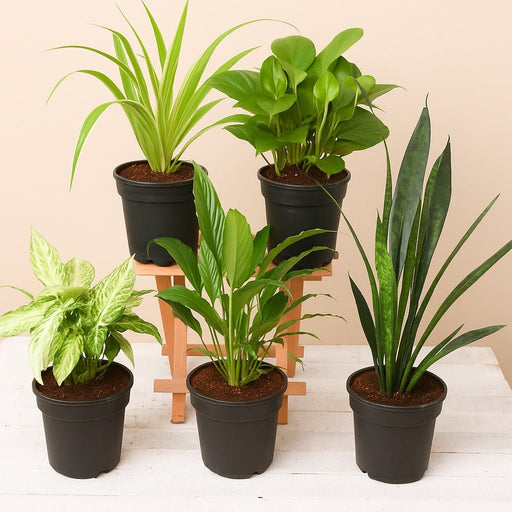
View full detailsBest 6 Plants for Perfect Indoor Garden Transform your living space into a lush oasis with our curated collection of the Best 6 Plants for a...
View full detailsBest 6 Plants for Perfect Indoor Garden Transform your living space into a lush oasis with our curated collection of the Best 6 Plants for a...
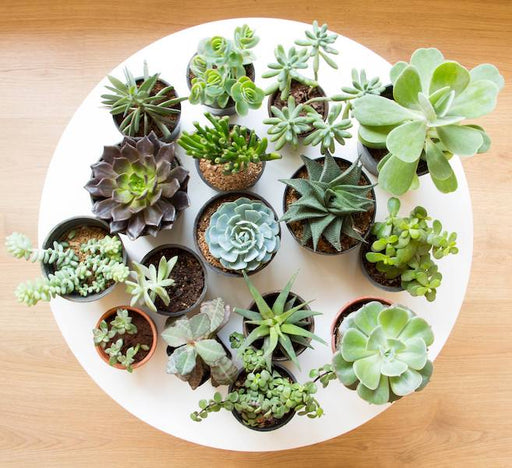
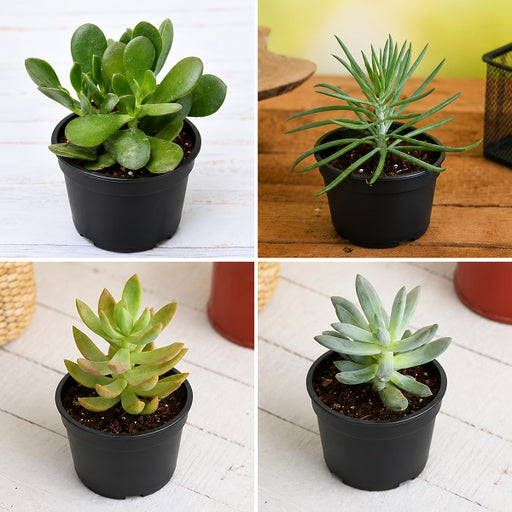
View full detailsMini Succulent Garden Pack Transform your space with our Mini Succulent Garden Pack, featuring a delightful collection of 4 any variety beautiful s...
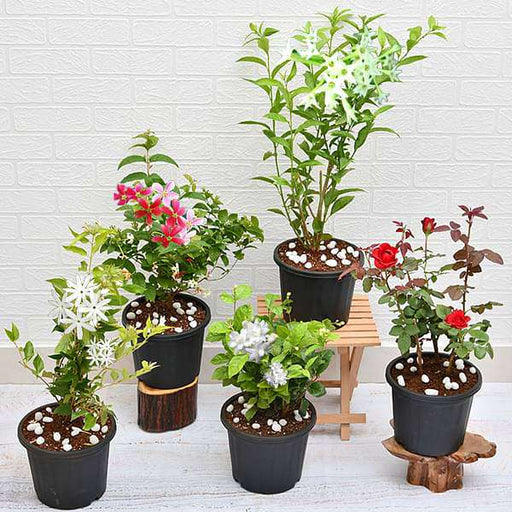
View full details5 Best Fragrant Plants Transform your garden or indoor space into a fragrant paradise with our curated selection of the 5 Best Fragrant Plants. Th...
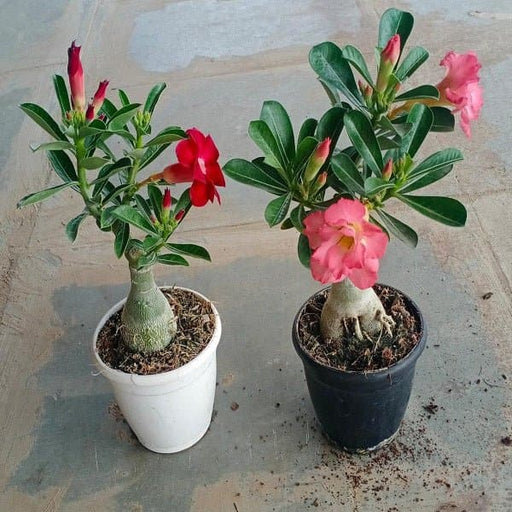
View full detailsSet of 2 Bonsai Looking Grafted Adeniums Transform your indoor or outdoor space with our exquisite Set of 2 Bonsai Looking Grafted Adenium...
View full detailsTop 4 Die Hard Succulents Pack Note: Plants included in this pack will be delivered in a 3-inch nursery pot (any color). Transform your indoor or ...
View full details5 Best Indoor Plants Pack Transform your living space into a lush oasis with our '5 Best Indoor Plants Pack.' This carefully curated collection fe...
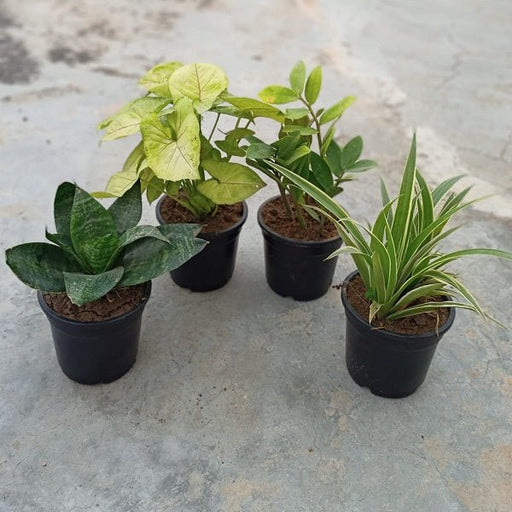
View full detailsSet of 4 Evergreen Air Purifier Plant Pack Transform your indoor space into a lush, green oasis with our Set of 4 Evergreen Air Purifier Pla...
View full detailsTop 5 Pollution Killer Plants Pack Transform your living space into a breath of fresh air with our 'Top 5 Pollution Killer Plants Pack'. This care...
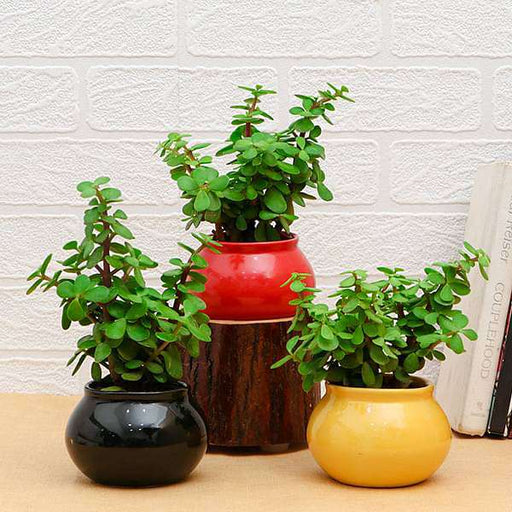
View full detailsPack of 3 Good Luck Jade Plants in Ceramic Pots Bring a touch of nature into your home with our Pack of 3 Good Luck Jade Plants, featuring...
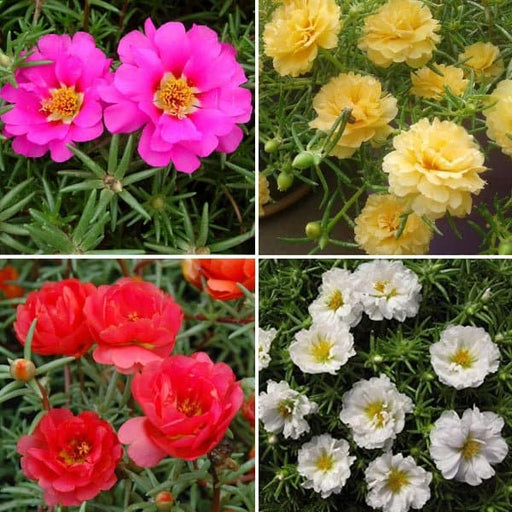
View full detailsPortulaca Garden Pack (4 Plants + 4 Black Pots) Note- You will get any color (Assorted) potted Porulaca plant with this pack. Transform your garde...
View full details





Leave a comment