
Expert Support
Available 24/7 via chat
Available 24/7 via chat
If you've been drawn to a mysterious, intoxicating fragrance wafting through a garden, chances are it came from Michelia Champa. Known by several beloved names across India—Ramdhan Champa, Golden Champak, Son Champa, and the Joy perfume tree—this remarkable specimen is one of the easiest and most rewarding trees you can grow. With proper care, your young 24-inch plant can reach 4 to 8 meters tall, producing cascades of golden-orange flowers that bloom in June and July, attracting butterflies and birds while filling your garden with an unmistakable, heavenly scent.
Michelia Champa is a medium to large deciduous flowering tree native to the Himalayan regions and parts of Southeast Asia. In India, it's culturally significant and traditionally planted near temples, gardens, and homes for its aromatic blossoms. The seed-grown specimens available from Nurserylive are vigorous and adaptable, making them ideal for Indian gardeners of all experience levels. This tree is often called the Yellow Jade Orchid Tree and Mickey Mouse Plant due to its distinctive flower shapes and growth habit. What makes Michelia Champa special is its combination of fragrant blooms, easy-care nature, and ability to thrive in India's varied climates—from coastal regions to inland areas.
| Care Aspect | Requirement |
|---|---|
| Light | Morning sunlight, 6+ hours daily |
| Water | 4 cups (~200ml) when top 1-2 inch soil is dry |
| Soil | Well-drained, fertile, rich in organic matter |
| Temperature | 25-38°C (thrives in Indian heat) |
Michelia Champa is classified as an easy grower partly because of its forgiving light requirements. It needs morning sunlight for at least 6 hours daily to produce abundant flowers and maintain healthy foliage. Morning sun is ideal because it's gentler than afternoon rays and helps dry morning dew, reducing fungal issues during the monsoon. In Indian gardens, position your Champa plant where it receives early morning to mid-morning light—east or northeast-facing locations are perfect. If you're in a region with intense afternoon heat (above 38°C), provide light afternoon shade, but never keep the plant in deep shade, as this will reduce flowering significantly.
Proper watering is the cornerstone of healthy Michelia Champa growth. Water when the top 1-2 inches of soil feel dry to the touch—a practical approach that adapts to seasons and weather. During the growing season (February to April), when the plant is actively developing, apply approximately 4 cups (200ml) of water. However, adjust this rule for India's monsoon and regional variations: during heavy rains, reduce watering frequency or skip a day to avoid waterlogging. In summer, when temperatures spike to 35-38°C, water more frequently but still follow the dry-top-soil rule. Hard water, common in many Indian regions, is generally tolerable for Champa; if concerned, collect rainwater during the monsoon for watering. Ensure your pot or planting location has drainage holes to prevent root rot.
Michelia Champa thrives in well-drained, fertile soil rich in organic content. When planting or repotting, mix regular garden soil with compost and peat in equal parts to ensure excellent drainage while retaining moisture and nutrients. Organic matter is crucial for this species, so incorporate leaf mold or aged compost generously. Feed your Champa with organic fertilizer once monthly during the main growing season (February through April). This timing aligns with the plant's natural growth cycle before and during the initial flowering period. In other months, reduce or stop fertilizing. Organic options like neem cake, bone meal, or composted kitchen waste work beautifully and are gentler than chemical fertilizers, supporting the plant's natural vigor.
Michelia Champa is exceptionally well-suited to India's climate. It thrives in temperatures between 25 and 38°C, which covers most of India's warm zones year-round. This makes it far more dependable than many ornamental trees in the Indian context. The plant actually appreciates the heat stress of summer, which often triggers flowering. During winter in cooler regions (like parts of North India), Champa may go partially dormant if temperatures dip significantly; this is natural and the tree will recover. Humidity is not a limiting factor for Champa in most parts of India. The monsoon provides adequate humidity, and even in drier regions, this tree adapts well. If growing in very arid zones, occasional misting during peak summer helps maintain foliage health.
Michelia Champa is seed-grown, as indicated by your plant's heritage. Seeds germinate reliably in Indian conditions during warm, moist months (April to June). To propagate, collect fresh seeds from mature trees, soak them in water for 24 hours to soften the seed coat, then sow in seed-starting mix kept consistently moist (not waterlogged). Germination typically occurs within 3-4 weeks in warm temperatures. Keep seedlings in bright, indirect light and maintain moisture until they establish their second or third leaf set. Transplant seedlings to small pots when 2-3 inches tall. This seed-based propagation results in plants genetically identical to the parent, ensuring the same beautiful, fragrant flowering characteristics as your mother plant.
Michelia Champa's resilience means serious problems are rare, especially when watering and light requirements are met. However, watch for these possibilities: overwatering leading to root rot (preventable with well-drained soil and adherence to watering guidelines); pest infestation by mealybugs or scale insects during dry months (treatable with neem oil spray); and reduced flowering if the plant receives insufficient light. Leaf yellowing in new growth can indicate nutrient deficiency, remedied by regular organic fertilizing during the growing season. In coastal or salt-laden areas, occasional leaf burn may occur; address this by rinsing foliage with freshwater and ensuring good drainage.
Ready to grow your own? Shop Michelia Champa at Nurserylive →
Michelia Champa, Son Champa (Orange) - Plant The Michelia Champa, commonly known as Son Champa, is a stunning flowering plant renowned for...
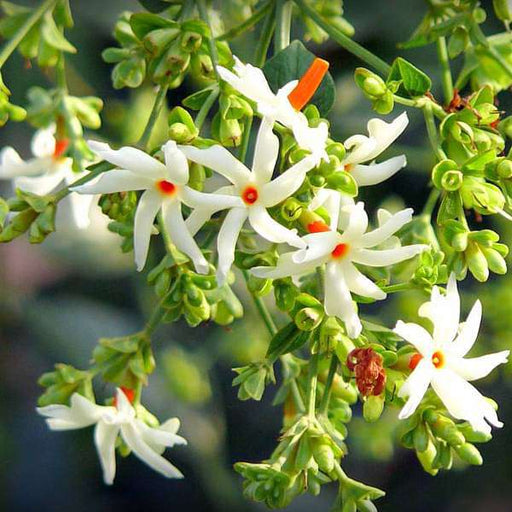
View full detailsCombo Constituents Includes the Parijat Tree (Night-Flowering Jasmine), a culturally significant plant with fragrant flowers. Description The Pari...
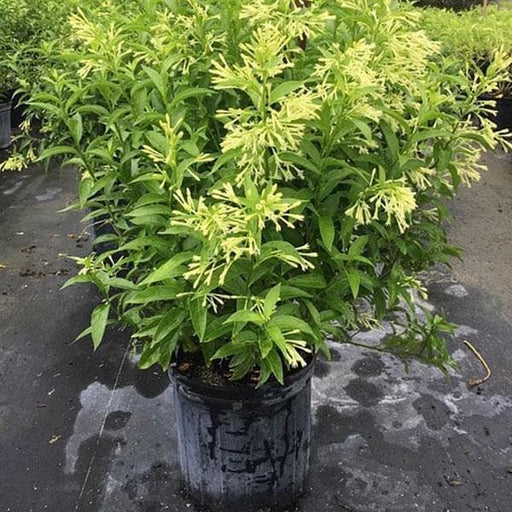
View full detailsDescription Raat Ki Rani (*Cestrum nocturnum*), also known as Night Blooming Jasmine, is a fragrant shrub native to the Caribbean and Central Ameri...
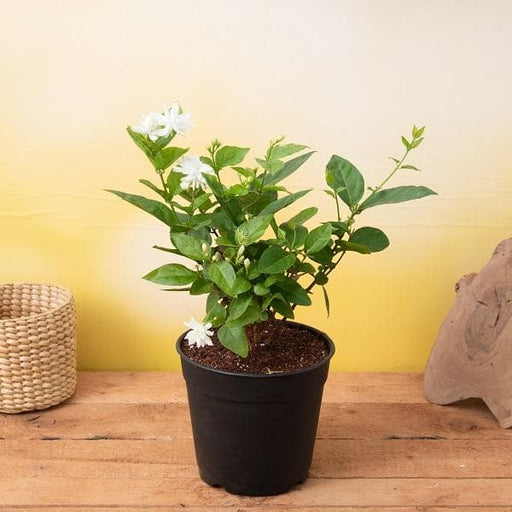
View full detailsJasminum sambac, Mogra, Arabian Jasmine - Plant Jasminum sambac, commonly known as Mogra or Arabian Jasmine, is a fragrant flowering plant...
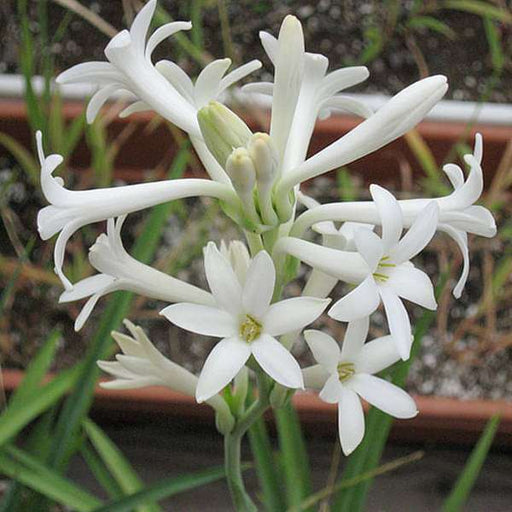
View full detailsRajnigandha, Tuberose - Plant The Rajnigandha, scientifically known as Polianthes tuberosa, is a captivating perennial plant renowned for ...
View full detailsCitronella, Odomas - Plant The Citronella plant, scientifically known as Cymbopogon nardus, is a tropical grass renowned for its aromatic ...
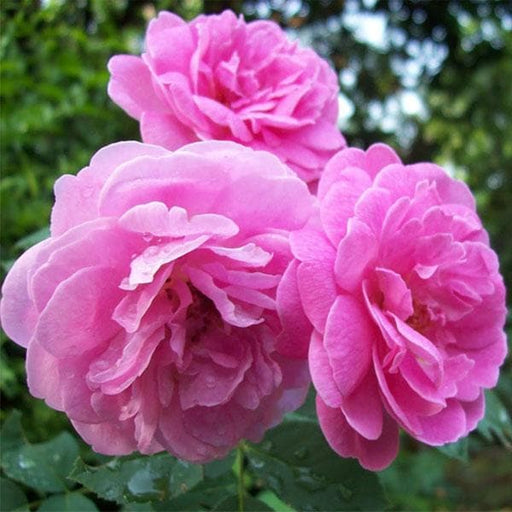
View full detailsDamascus Rose, Scented Rose (Any Color) - Plant The Damascus Rose, also known as Rosa damascena, is a timeless symbol of beauty and romanc...
View full detailsMiniature Rose, Button Rose (Any Color) - Plant The Miniature Rose, also known as the Button Rose, is a charming and compact flowering plant that ...
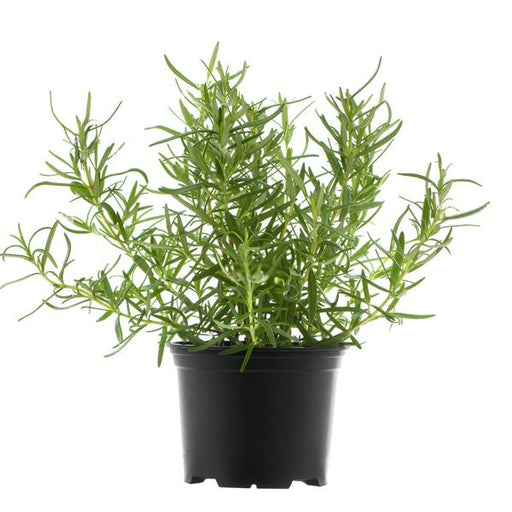
View full detailsRosemary - Plant Rosemary (Rosmarinus officinalis) is a fragrant evergreen herb native to the Mediterranean region. Known for its needle-like leav...
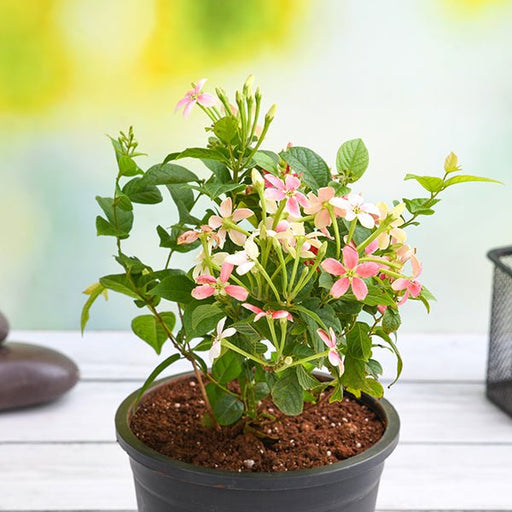
View full detailsMadhumalti Dwarf, Rangoon Creeper - Plant The Madhumalti Dwarf, also known as the Rangoon Creeper (Quisqualis indica), is a stunning perennial vin...
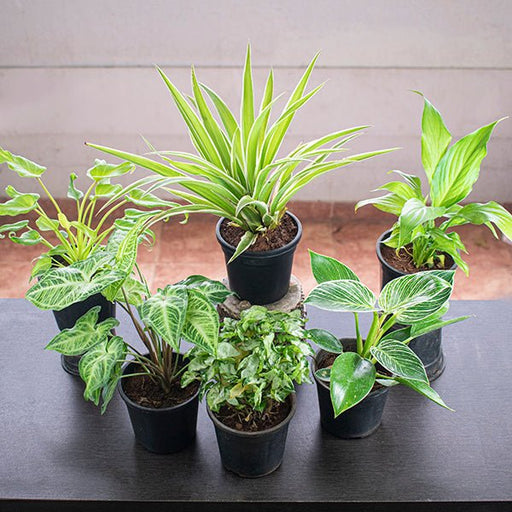
View full detailsBest 6 Plants for Perfect Indoor Garden Transform your living space into a lush oasis with our curated collection of the Best 6 Plants for a...
View full detailsBest 6 Plants for Perfect Indoor Garden Transform your living space into a lush oasis with our curated collection of the Best 6 Plants for a...
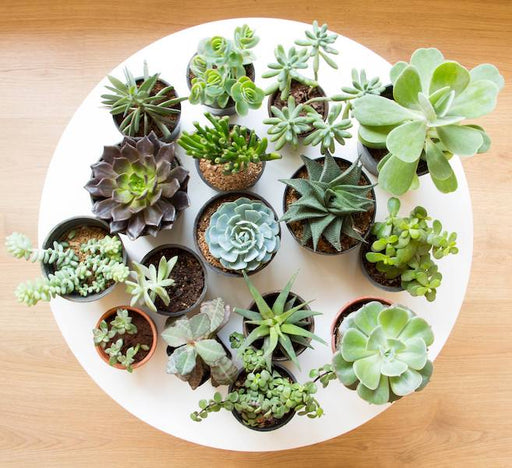
View full detailsMini Succulent Garden Pack Transform your space with our Mini Succulent Garden Pack, featuring a delightful collection of 4 any variety beautiful s...
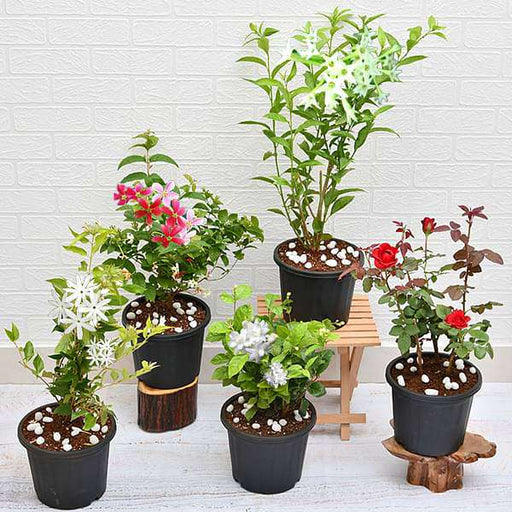
View full details5 Best Fragrant Plants Transform your garden or indoor space into a fragrant paradise with our curated selection of the 5 Best Fragrant Plants. Th...
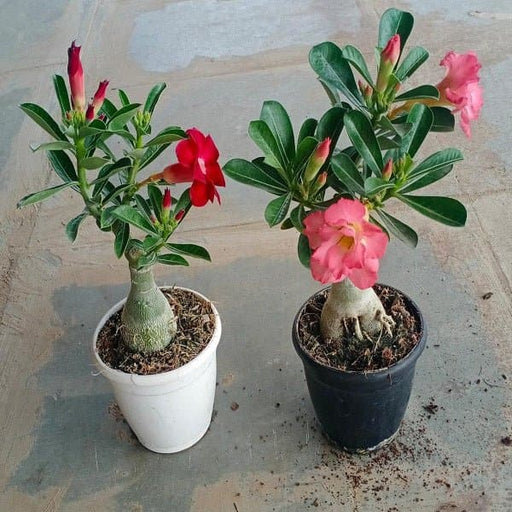
View full detailsSet of 2 Bonsai Looking Grafted Adeniums Transform your indoor or outdoor space with our exquisite Set of 2 Bonsai Looking Grafted Adenium...
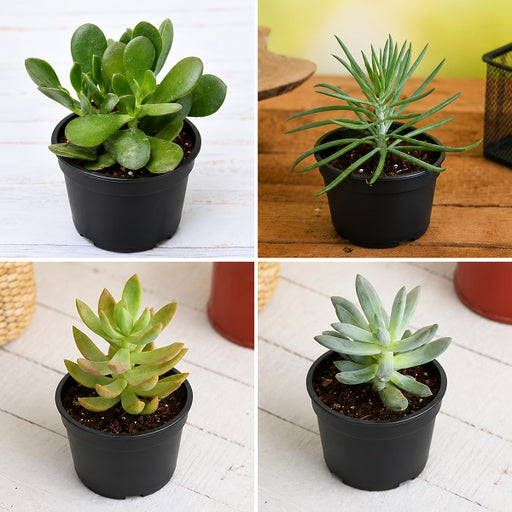
View full detailsTop 4 Die Hard Succulents Pack Note: Plants included in this pack will be delivered in a 3-inch nursery pot (any color). Transform your indoor or ...
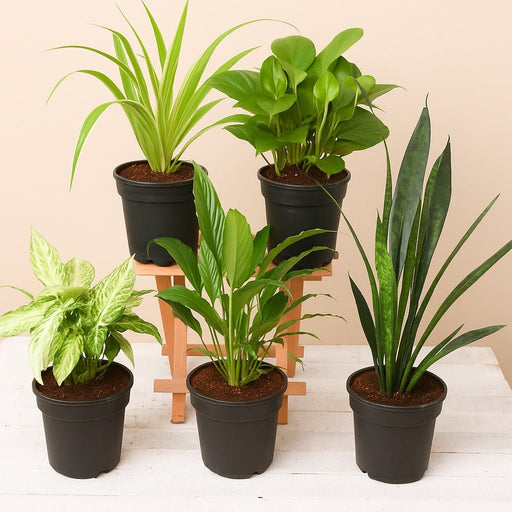
View full details5 Best Indoor Plants Pack Transform your living space into a lush oasis with our '5 Best Indoor Plants Pack.' This carefully curated collection fe...
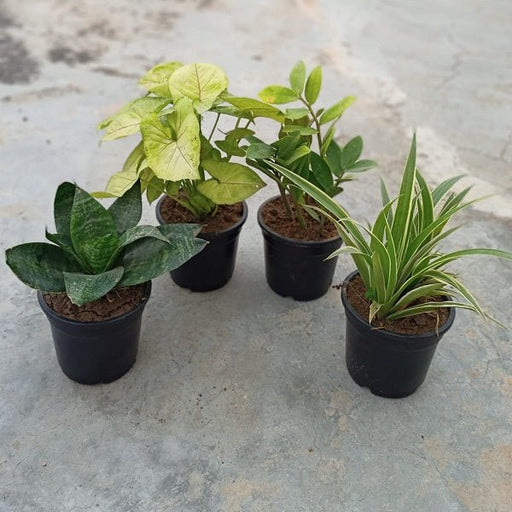
View full detailsSet of 4 Evergreen Air Purifier Plant Pack Transform your indoor space into a lush, green oasis with our Set of 4 Evergreen Air Purifier Pla...
View full detailsTop 5 Pollution Killer Plants Pack Transform your living space into a breath of fresh air with our 'Top 5 Pollution Killer Plants Pack'. This care...
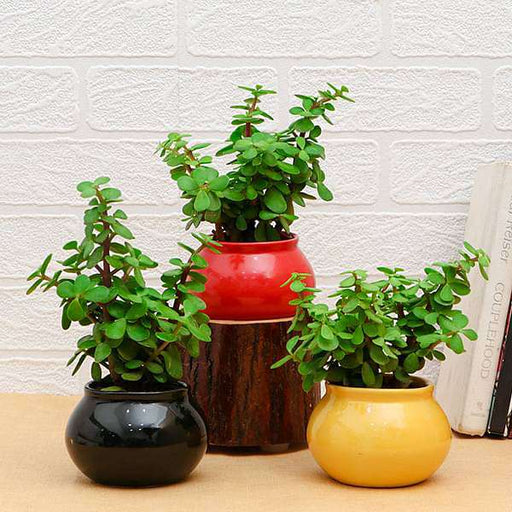
View full detailsPack of 3 Good Luck Jade Plants in Ceramic Pots Bring a touch of nature into your home with our Pack of 3 Good Luck Jade Plants, featuring...
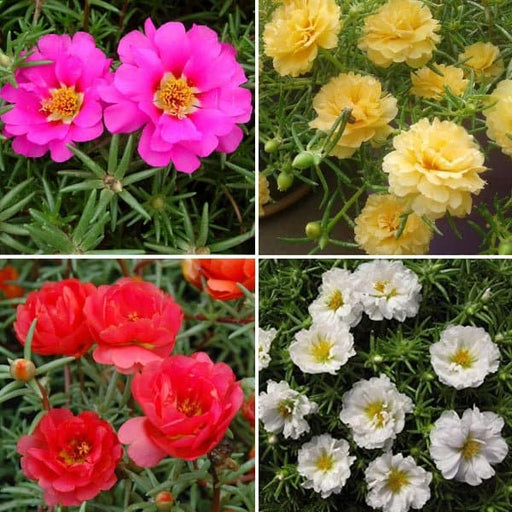
View full detailsPortulaca Garden Pack (4 Plants + 4 Black Pots) Note- You will get any color (Assorted) potted Porulaca plant with this pack. Transform your garde...
View full details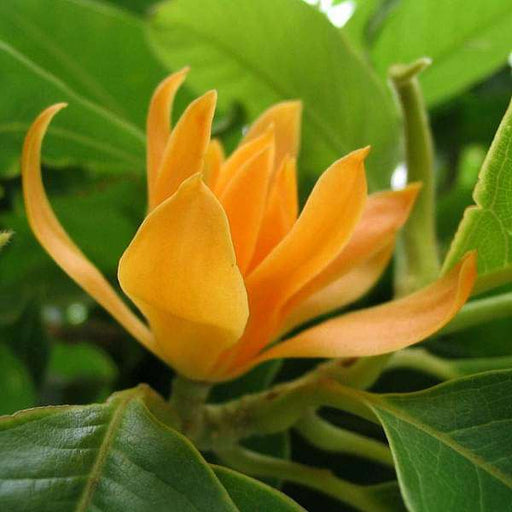





Leave a comment