
Expert Support
Available 24/7 via chat
Available 24/7 via chat
If you've been hesitating to start an herb garden in India, Mexican mint (Patharchur) is the perfect place to begin. This undemanding perennial tolerates India's heat and humidity, grows vigorously indoors and outdoors, and delivers continuous harvests of aromatic leaves for your spice rack and kitchen experiments. Whether you're in a high-rise apartment or a sprawling garden, Mexican mint adapts beautifully—and it'll reward you with minimal fuss and maximum flavour.
Mexican mint goes by many names across India: Cuban Oregano, Indian borage, Patharchur, Spanish thyme, and Mexican oregano all refer to the same versatile plant. This herbaceous perennial arrives as a compact 7-inch (18 cm) tall starter plant, spreading about 6 inches (15 cm) wide, but given room and time, it can grow up to 1 meter tall indoors and outdoors. The foliage is soft, slightly fleshy, and deeply aromatic—the leaves release a warm spicy-mint fragrance when brushed or crushed, making it instantly recognizable.
During summer months, Mexican mint produces delicate flowers in shades of Niagara blue or white, though most gardeners harvest the leaves before flowering to maintain tenderness. The plant is classified as easy to grow, making it ideal for beginners and busy gardeners. It's particularly valued as a pot-friendly perennial—you can grow it in containers as small as 6–8 inches (15–20 cm) diameter and harvest continuously without waiting for a specific season.
| Care Factor | Requirement |
|---|---|
| Light | Bright sunlight or indirect bright light |
| Water | Keep soil consistently moist, not waterlogged |
| Soil | Well-draining, nutrient-rich potting mix |
| Temperature | 20–35°C (Indian climate is ideal) |
Mexican mint performs best in bright sunlight or indirect bright light. In India's intense summer months, particularly in regions like Delhi, Mumbai, or Bangalore, afternoon shade helps prevent leaf scorch if you're in a truly scorching zone, but the plant generally tolerates full sun well. If you're growing indoors on a shelf or balcony, position the pot where it receives at least 4–6 hours of bright light daily. South or west-facing windows are ideal. A lack of sufficient light will cause the plant to become leggy and produce fewer leaves; if you notice this, gradually move the pot to a brighter location over a few days.
Mexican mint prefers consistently moist (but not waterlogged) soil. In India's climate, this means watering regularly during the growing season—typically 2–3 times per week during hot months, and less frequently during winter or monsoon rains. The best approach is to check the soil with your finger: if the top inch feels dry, water thoroughly until it drains from the bottom. Hard water, common in many Indian cities, is tolerated by this hardy plant, though filtered or rainwater is preferable if you're concerned about mineral buildup. During the monsoon, reduce watering significantly and monitor drainage to prevent root rot in consistently wet conditions. Container-grown plants dry out faster, so check them more frequently than garden-planted specimens.
Use a well-draining, nutrient-rich soil mix for the best results. A standard approach is to blend equal parts coconut coir (or peat moss), compost, and perlite or coarse sand. This ensures water drains freely while retaining enough moisture and nutrients. For established plants, apply any organic fertilizer every 4–6 weeks during the active growing season (March to October). Homemade compost, vermicompost, or organic granular fertilizers work well and avoid salt buildup in pots. If you're repotting, do so in spring—move the plant to a container 1–2 inches larger in diameter and refresh the soil mix. Mexican mint benefits from regular harvesting, which itself acts as a form of pruning and encourages bushier, denser growth.
Mexican mint thrives in temperatures between 20–35°C, which matches most of India's warm-season conditions perfectly. It is moderately sensitive to temperatures below 15°C and shouldn't be exposed to frost (which is rarely an issue except in the Himalayan foothills or high-altitude regions). Indian summers are ideal; Indian winters are mild enough for continuous growth in most regions. Humidity is not a limiting factor for this plant—it adapts to both dry indoor air and humid monsoon conditions. Ensure good air circulation around the pot, especially indoors, to prevent fungal issues in high humidity.
Mexican mint is straightforward to propagate from stem cuttings. Take 4–6 inch (10–15 cm) cuttings from healthy, actively growing stems. Remove leaves from the lower half of each cutting, and place the cuttings in water or directly into moist potting soil. If using water, roots typically appear within 10–14 days; once rooted (about 1 inch of root length), transfer to soil. If planting directly in soil, maintain consistent moisture and provide bright, indirect light. Cuttings root fastest during warm months (April to September). This method lets you quickly expand your herb collection or share plants with gardening friends. You can also let mature plants seed themselves if you allow flowers to set seed—the plant self-seeds readily in warm climates.
Mexican mint is remarkably pest-resistant, but occasional issues may arise. Overwatering is the primary threat, leading to root rot—always ensure the soil drains well and let the top layer dry slightly between waterings. Spider mites may appear in very dry indoor conditions; mist the foliage occasionally and maintain humidity to deter them. Powdery mildew can develop in poorly ventilated, humid spaces; improve air circulation and avoid wetting the leaves. Scale insects or mealybugs are rare but can be treated by wiping affected areas with neem oil solution (follow package instructions). If the plant looks pale or stunted, it may need feeding—apply organic fertilizer and ensure it's receiving sufficient light.
Ready to grow your own? Shop Mexican mint at Nurserylive →
Mexican Mint, Patharchur, Ajwain Leaves - Plant Mexican Mint, also known as Patharchur or Ajwain Leaves, is a versatile herb renowned for ...
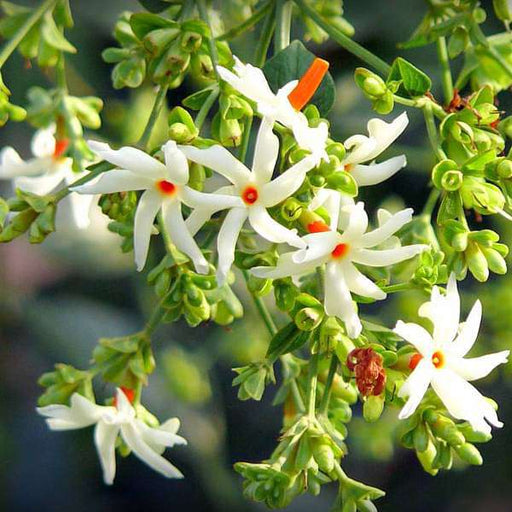
View full detailsCombo Constituents Includes the Parijat Tree (Night-Flowering Jasmine), a culturally significant plant with fragrant flowers. Description The Pari...
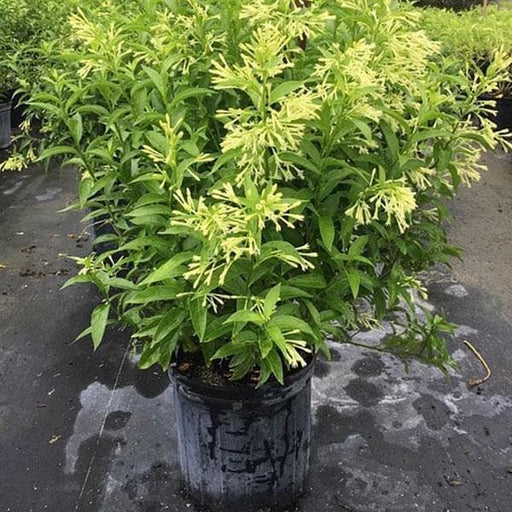
View full detailsDescription Raat Ki Rani (*Cestrum nocturnum*), also known as Night Blooming Jasmine, is a fragrant shrub native to the Caribbean and Central Ameri...
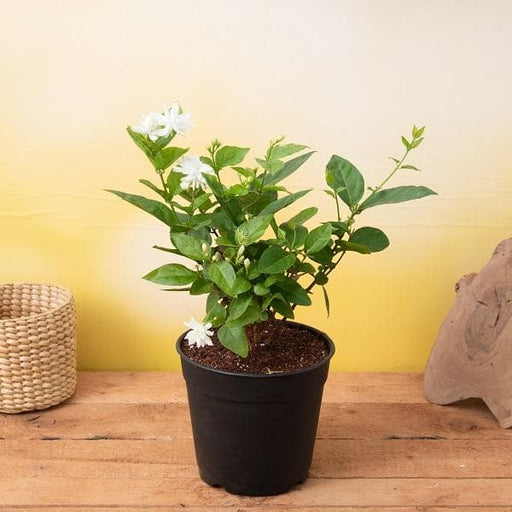
View full detailsJasminum sambac, Mogra, Arabian Jasmine - Plant Jasminum sambac, commonly known as Mogra or Arabian Jasmine, is a fragrant flowering plant...
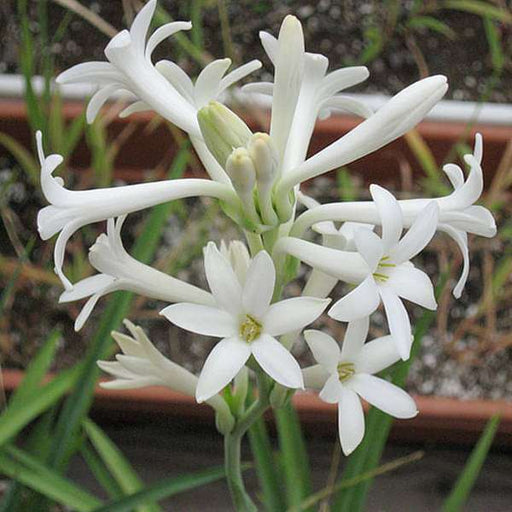
View full detailsRajnigandha, Tuberose - Plant The Rajnigandha, scientifically known as Polianthes tuberosa, is a captivating perennial plant renowned for ...
View full detailsCitronella, Odomas - Plant The Citronella plant, scientifically known as Cymbopogon nardus, is a tropical grass renowned for its aromatic ...
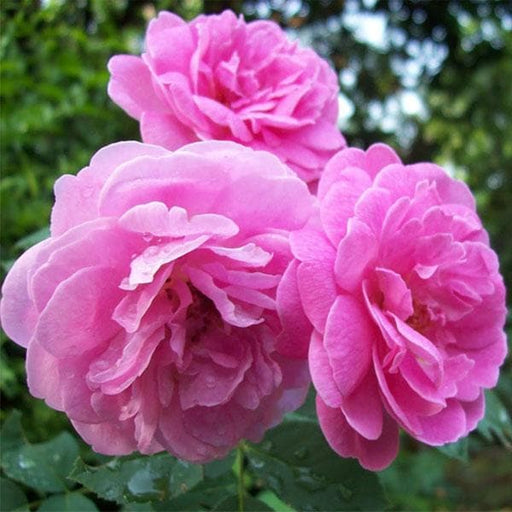
View full detailsDamascus Rose, Scented Rose (Any Color) - Plant The Damascus Rose, also known as Rosa damascena, is a timeless symbol of beauty and romanc...
View full detailsMiniature Rose, Button Rose (Any Color) - Plant The Miniature Rose, also known as the Button Rose, is a charming and compact flowering plant that ...
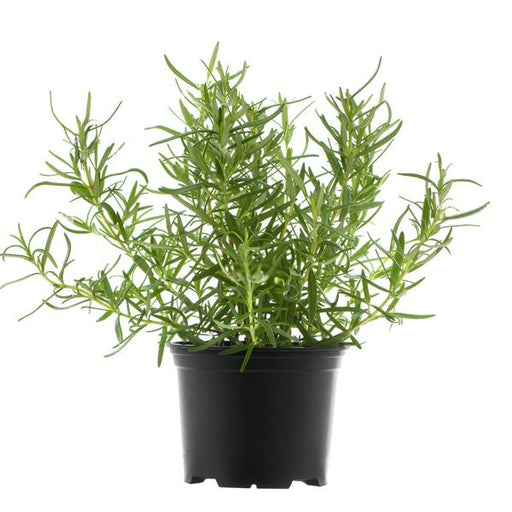
View full detailsRosemary - Plant Rosemary (Rosmarinus officinalis) is a fragrant evergreen herb native to the Mediterranean region. Known for its needle-like leav...
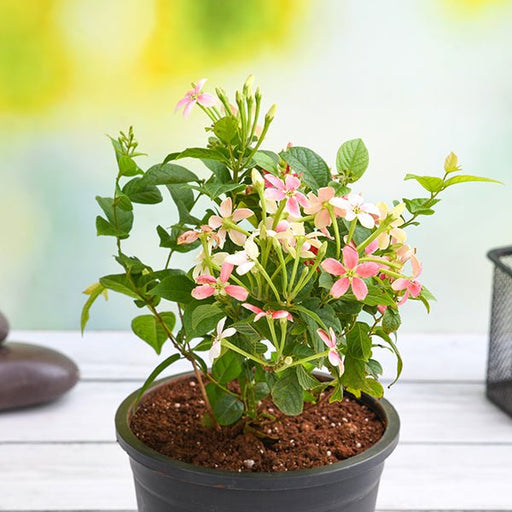
View full detailsMadhumalti Dwarf, Rangoon Creeper - Plant The Madhumalti Dwarf, also known as the Rangoon Creeper (Quisqualis indica), is a stunning perennial vin...
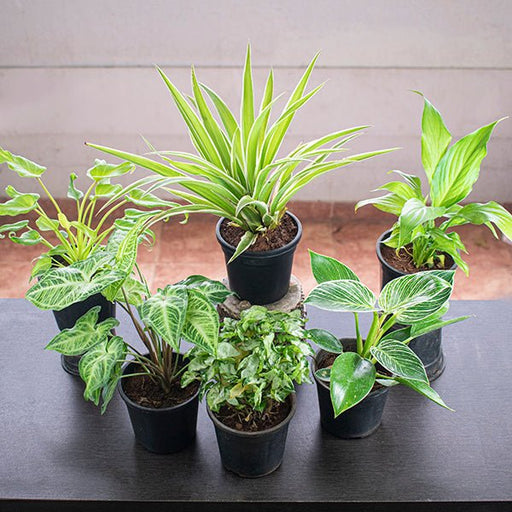
View full detailsBest 6 Plants for Perfect Indoor Garden Transform your living space into a lush oasis with our curated collection of the Best 6 Plants for a...
View full detailsBest 6 Plants for Perfect Indoor Garden Transform your living space into a lush oasis with our curated collection of the Best 6 Plants for a...
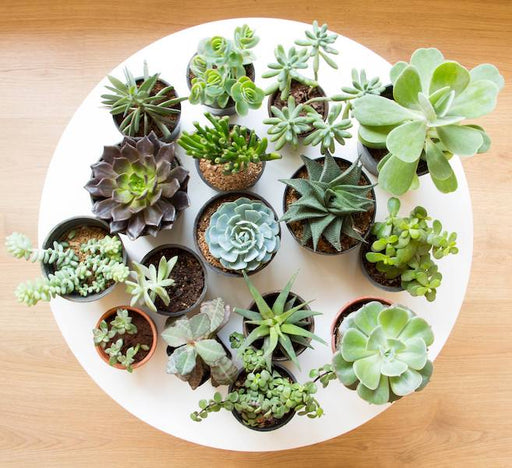
View full detailsMini Succulent Garden Pack Transform your space with our Mini Succulent Garden Pack, featuring a delightful collection of 4 any variety beautiful s...
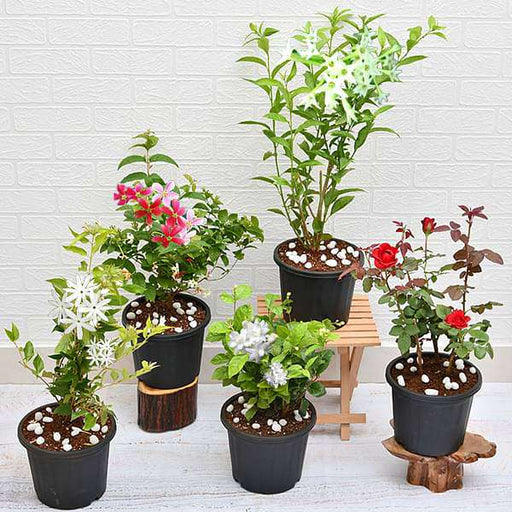
View full details5 Best Fragrant Plants Transform your garden or indoor space into a fragrant paradise with our curated selection of the 5 Best Fragrant Plants. Th...
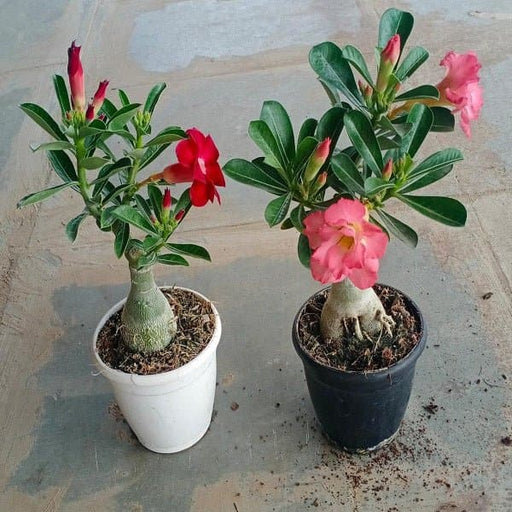
View full detailsSet of 2 Bonsai Looking Grafted Adeniums Transform your indoor or outdoor space with our exquisite Set of 2 Bonsai Looking Grafted Adenium...
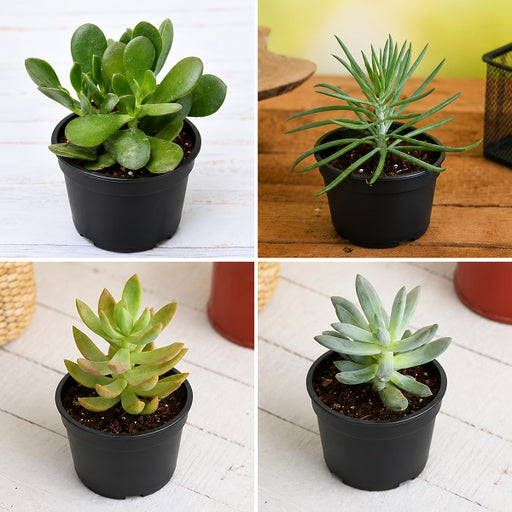
View full detailsTop 4 Die Hard Succulents Pack Note: Plants included in this pack will be delivered in a 3-inch nursery pot (any color). Transform your indoor or ...
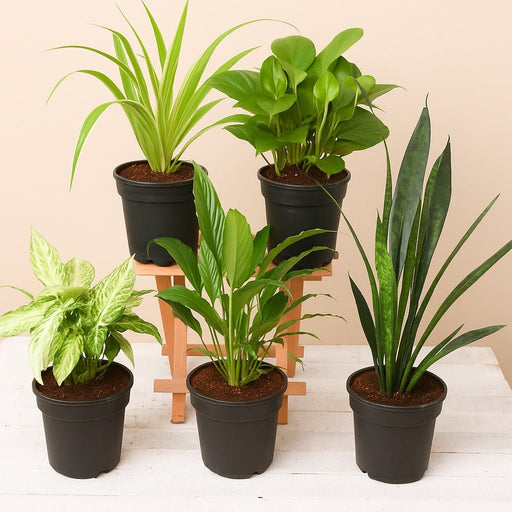
View full details5 Best Indoor Plants Pack Transform your living space into a lush oasis with our '5 Best Indoor Plants Pack.' This carefully curated collection fe...
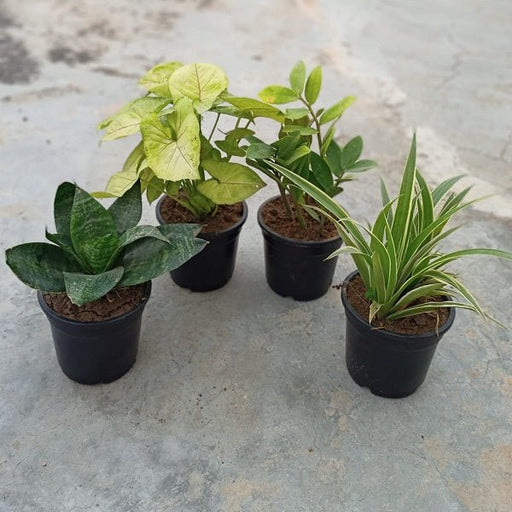
View full detailsSet of 4 Evergreen Air Purifier Plant Pack Transform your indoor space into a lush, green oasis with our Set of 4 Evergreen Air Purifier Pla...
View full detailsTop 5 Pollution Killer Plants Pack Transform your living space into a breath of fresh air with our 'Top 5 Pollution Killer Plants Pack'. This care...
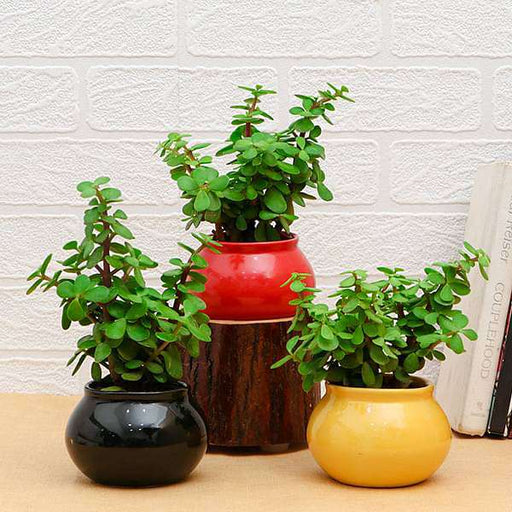
View full detailsPack of 3 Good Luck Jade Plants in Ceramic Pots Bring a touch of nature into your home with our Pack of 3 Good Luck Jade Plants, featuring...
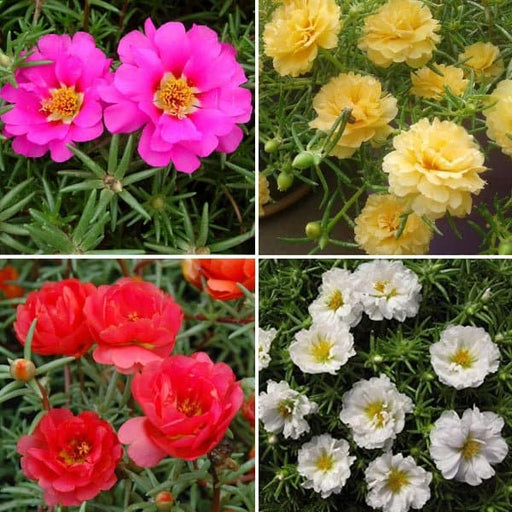
View full detailsPortulaca Garden Pack (4 Plants + 4 Black Pots) Note- You will get any color (Assorted) potted Porulaca plant with this pack. Transform your garde...
View full details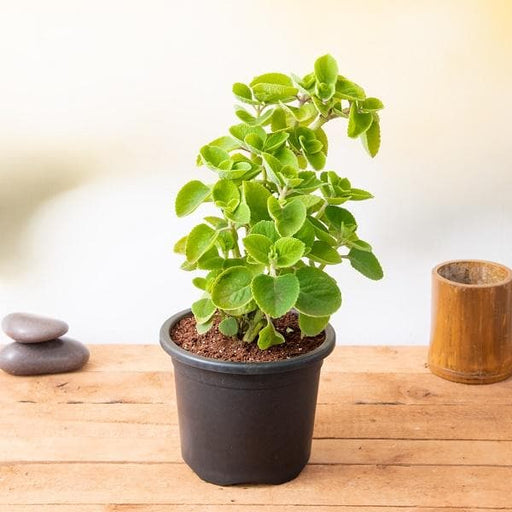





Leave a comment