
Expert Support
Available 24/7 via chat
Available 24/7 via chat
There's something deeply satisfying about biting into a sun-ripened Alphonso mango you've grown yourself—that creamy sweetness, the golden hue, the fragrance that fills your kitchen. Growing a mango tree at home in India isn't as daunting as it sounds, especially if you choose a grafted variety like Alphonso. These trees are remarkably adaptable, thriving in India's diverse climate from coastal regions to inland plateaus, and they reward patient care with bountiful harvests. Whether you're planting in a garden or nurturing one in a large pot on your balcony, this guide will help you grow healthy, fruiting mango trees right where you live.
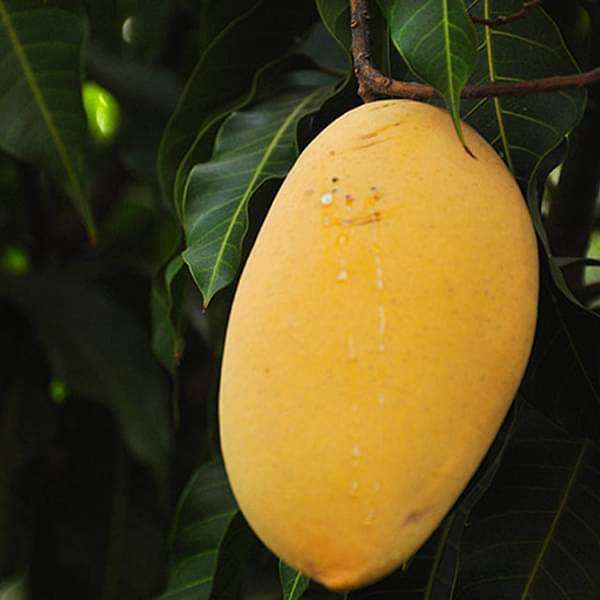
The mango tree, known locally as Hapuz, Hafoos, or Aapoos depending on your region, is one of India's most cherished fruit-bearers. The Alphonso variety we recommend is a premium, grafted cultivar that reaches maturity faster than seed-grown trees—meaning you'll enjoy your first harvest in 3-4 years instead of waiting 8-10. It's also considered a Vastu-lucky plant, believed to bring prosperity to your home. Our grafted Alphonso specimen arrives at 25 inches (64 cm) tall with a compact spread of 7 inches, perfect for container growing initially. With proper care, your tree will eventually reach 10 meters in height if planted in open ground, making it an investment that benefits generations.
| Care Factor | Requirement |
|---|---|
| Light | 6+ hours direct sunlight daily |
| Water | 4 cups (~200 ml) when top 1-2 inches of soil feels dry |
| Soil | Well-drained, fertile, rich in organic matter |
| Temperature | 20-38°C optimal range |
Mango trees are sun-lovers that thrive on heat and brightness. Position your tree where it receives a minimum of 6 hours of direct, unfiltered sunlight every single day. In India, this is rarely a constraint during spring, summer, and early autumn, but if you're growing in a pot indoors near a window, make sure it's a south or west-facing location with no obstruction from trees, buildings, or curtains. During the intense noon heat of May and June, especially in western and central India, some dappled afternoon shade can prevent leaf scorch on very young specimens, but mature trees actually thrive in full sun. Mango trees grown in insufficient light tend to produce fewer flowers, fewer fruits, and weaker branch structure.
Proper watering is the most critical factor for success. The rule is simple: water when the top 1 to 2 inches of soil feel dry to the touch. For our potted specimen, this typically means applying 4 cups (approximately 200 ml) of water at a time. Stick your finger into the pot up to your first knuckle—if it feels moist, wait another day or two. In India's monsoon regions, be extra cautious about waterlogging; ensure your pot has adequate drainage holes and never let it sit in standing water, as this invites root rot. During winter (December to February) and the dry pre-monsoon season, watering frequency may decrease, but in summer heat and during the growing season, you may need to water every 2-3 days. If your area has hard water (high calcium and magnesium), let tap water sit overnight before using, or collect rainwater when possible—mangoes prefer slightly acidic to neutral soil, and hard water gradually raises pH.
Mango trees demand well-drained, fertile soil rich in organic matter. If planting in open ground, work in 2-3 kg of mature compost or well-rotted cow dung per planting hole. For potted trees, use a mix of 40% garden soil, 30% coconut coir or peat, and 30% compost, ensuring excellent drainage. Feed your tree with organic fertilizer once a month, with special emphasis during the main growing season from December through February, when the tree is building new foliage and flower buds. Use neem cake, fish meal, or a balanced organic blend. Avoid chemical fertilizers on young potted trees; they can burn roots and stress the plant. As your tree matures and is planted in the garden, you can increase feeding frequency.
Mango trees flourish in India's warm climate, with an optimal temperature range of 20-38°C. This suits most of India perfectly, from the coastal warmth of Kerala to the heat of Rajasthan. Below 15°C, growth slows dramatically; below 10°C, the tree may lose leaves. Avoid placing potted trees near air conditioners or in frost-prone areas if you live in the cooler regions of Himachal Pradesh or the mountains. Mango trees are relatively drought-tolerant once established but produce better fruit in areas with moderate humidity. If you live in very arid regions, increase watering slightly and consider misting the foliage during spring to promote flowering. Humidity between 50-70% is ideal; the monsoon provides this naturally in most coastal and central Indian regions.
Our grafted Alphonso tree is already a clone of a superior mother plant, so it will produce fruit true to type within 3-4 years. If you later want to create more trees, grafting is the preferred method to maintain Alphonso's premium qualities—seed-grown trees may not produce the same quality fruit. Grafting requires skill and is best learned from local horticulturists. However, for most home gardeners, it's better to purchase another grafted specimen or trade cuttings with fellow enthusiasts in local gardening groups. Grafted trees are worth the investment; they flower earlier and produce more reliably in the Indian climate.
The good news: Alphonso mango trees are quite hardy and less prone to pests than many other plants. However, watch for these issues: Powdery mildew (white coating on leaves) during the dry season—improve air circulation and reduce overhead watering. Fruit flies and mealy bugs during flowering and fruiting—neem oil spray or homemade chili-garlic spray works well. Leaf spot diseases in monsoon-humid areas—space plants well for airflow and avoid wetting foliage late in the day. Young trees sometimes drop flowers if underwatered or stressed by temperature swings; consistent care prevents this. Most problems in home gardens stem from waterlogging or insufficient light, not pests.
Ready to grow your own? Shop Mango Tree at Nurserylive →
Mango Tree (Alphonso, Grafted) - Plant The Alphonso Mango Tree, scientifically known as *Mangifera indica*, is a prized variety renowned f...
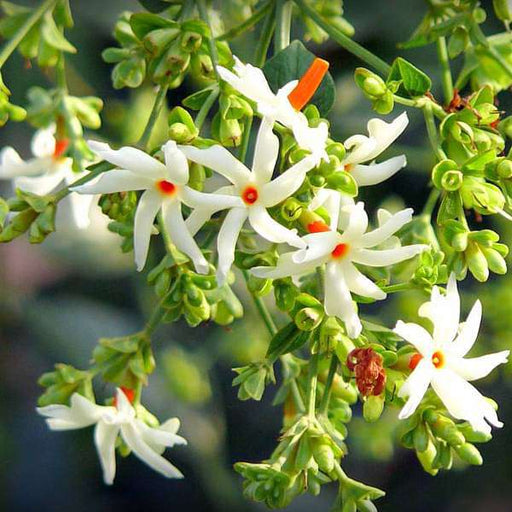
View full detailsCombo Constituents Includes the Parijat Tree (Night-Flowering Jasmine), a culturally significant plant with fragrant flowers. Description The Pari...
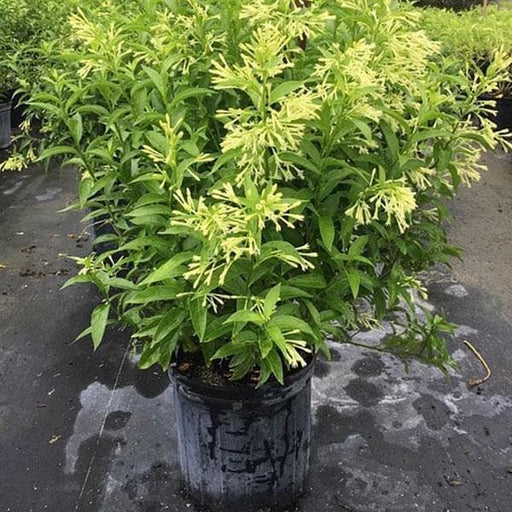
View full detailsDescription Raat Ki Rani (*Cestrum nocturnum*), also known as Night Blooming Jasmine, is a fragrant shrub native to the Caribbean and Central Ameri...
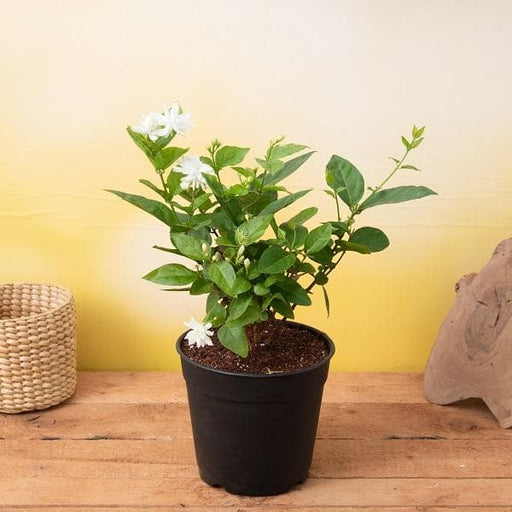
View full detailsJasminum sambac, Mogra, Arabian Jasmine - Plant Jasminum sambac, commonly known as Mogra or Arabian Jasmine, is a fragrant flowering plant...
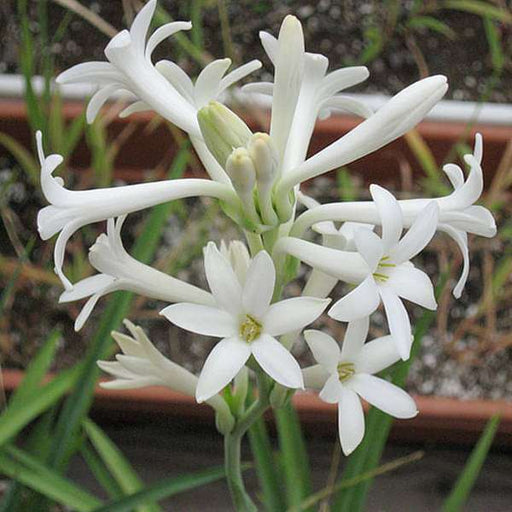
View full detailsRajnigandha, Tuberose - Plant The Rajnigandha, scientifically known as Polianthes tuberosa, is a captivating perennial plant renowned for ...
View full detailsCitronella, Odomas - Plant The Citronella plant, scientifically known as Cymbopogon nardus, is a tropical grass renowned for its aromatic ...
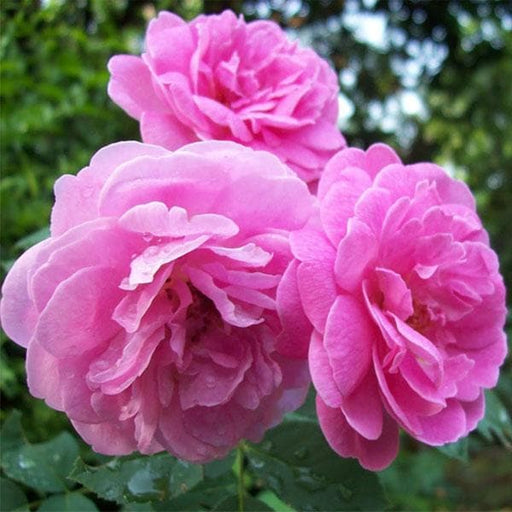
View full detailsDamascus Rose, Scented Rose (Any Color) - Plant The Damascus Rose, also known as Rosa damascena, is a timeless symbol of beauty and romanc...
View full detailsMiniature Rose, Button Rose (Any Color) - Plant The Miniature Rose, also known as the Button Rose, is a charming and compact flowering plant that ...
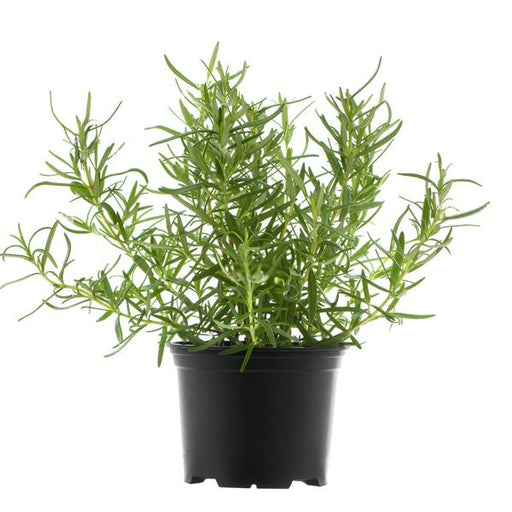
View full detailsRosemary - Plant Rosemary (Rosmarinus officinalis) is a fragrant evergreen herb native to the Mediterranean region. Known for its needle-like leav...
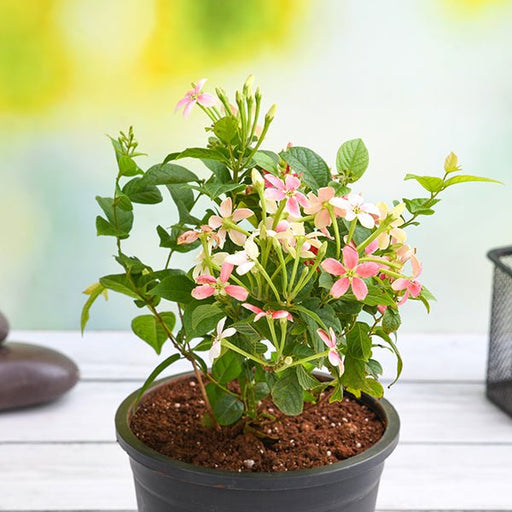
View full detailsMadhumalti Dwarf, Rangoon Creeper - Plant The Madhumalti Dwarf, also known as the Rangoon Creeper (Quisqualis indica), is a stunning perennial vin...
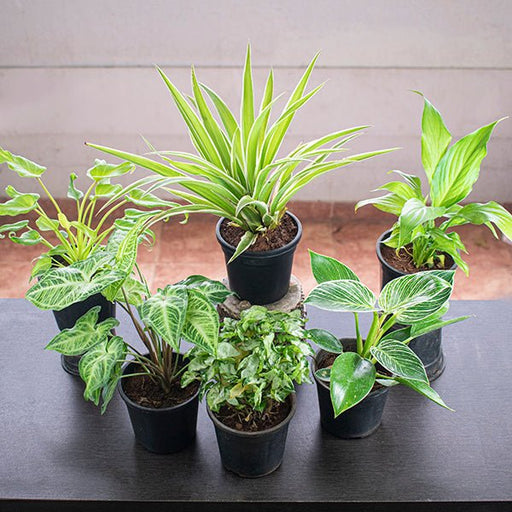
View full detailsBest 6 Plants for Perfect Indoor Garden Transform your living space into a lush oasis with our curated collection of the Best 6 Plants for a...
View full detailsBest 6 Plants for Perfect Indoor Garden Transform your living space into a lush oasis with our curated collection of the Best 6 Plants for a...
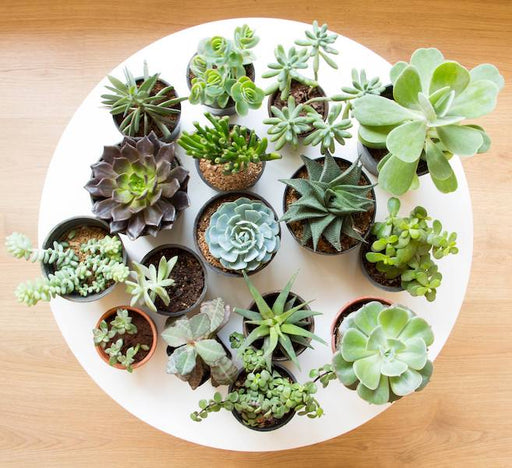
View full detailsMini Succulent Garden Pack Transform your space with our Mini Succulent Garden Pack, featuring a delightful collection of 4 any variety beautiful s...
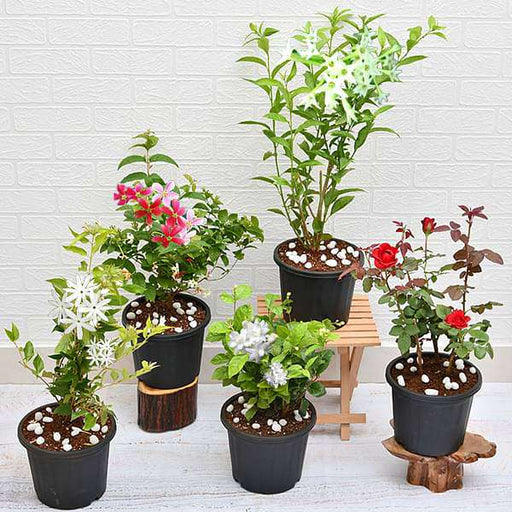
View full details5 Best Fragrant Plants Transform your garden or indoor space into a fragrant paradise with our curated selection of the 5 Best Fragrant Plants. Th...
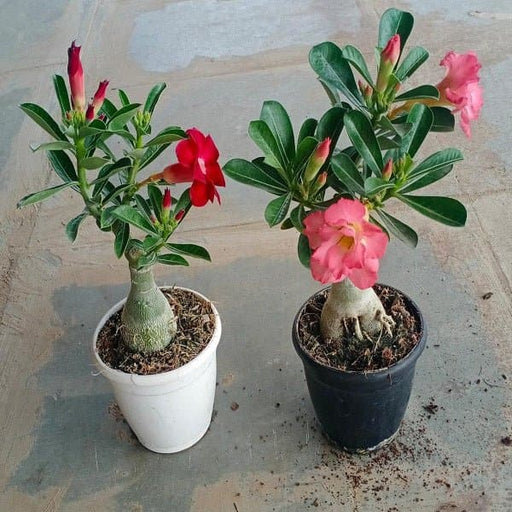
View full detailsSet of 2 Bonsai Looking Grafted Adeniums Transform your indoor or outdoor space with our exquisite Set of 2 Bonsai Looking Grafted Adenium...
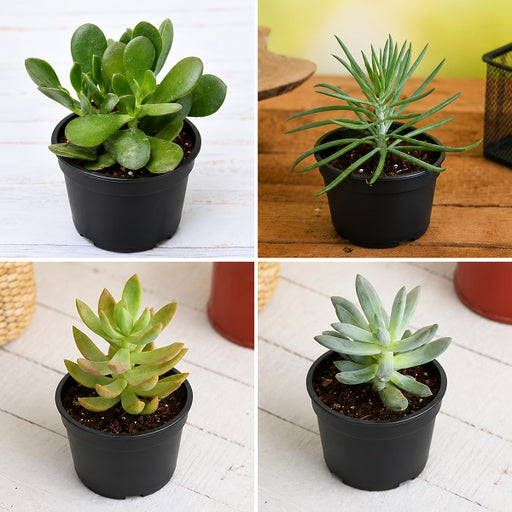
View full detailsTop 4 Die Hard Succulents Pack Note: Plants included in this pack will be delivered in a 3-inch nursery pot (any color). Transform your indoor or ...
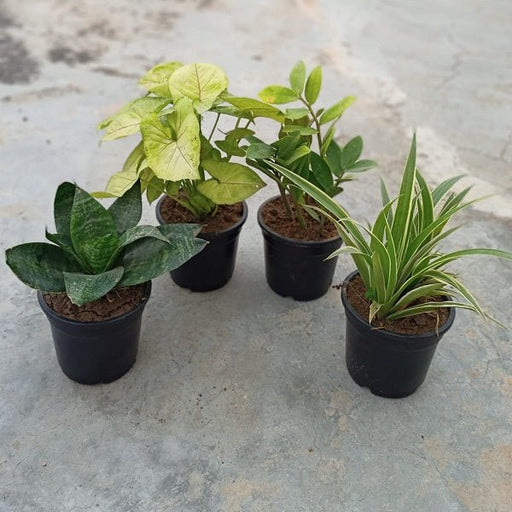
View full details5 Best Indoor Plants Pack Transform your living space into a lush oasis with our '5 Best Indoor Plants Pack.' This carefully curated collection fe...
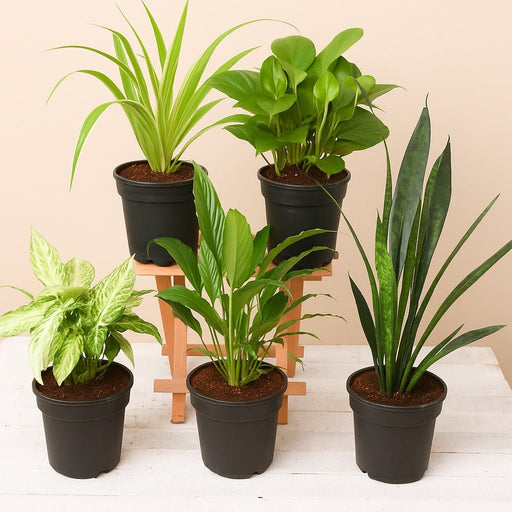
View full detailsSet of 4 Evergreen Air Purifier Plant Pack Transform your indoor space into a lush, green oasis with our Set of 4 Evergreen Air Purifier Pla...
View full detailsTop 5 Pollution Killer Plants Pack Transform your living space into a breath of fresh air with our 'Top 5 Pollution Killer Plants Pack'. This care...
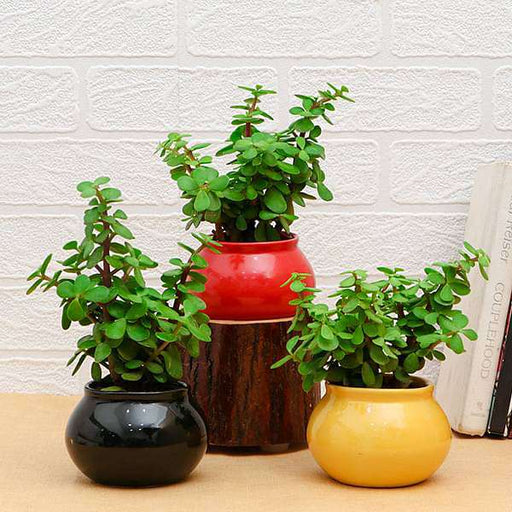
View full detailsPack of 3 Good Luck Jade Plants in Ceramic Pots Bring a touch of nature into your home with our Pack of 3 Good Luck Jade Plants, featuring...
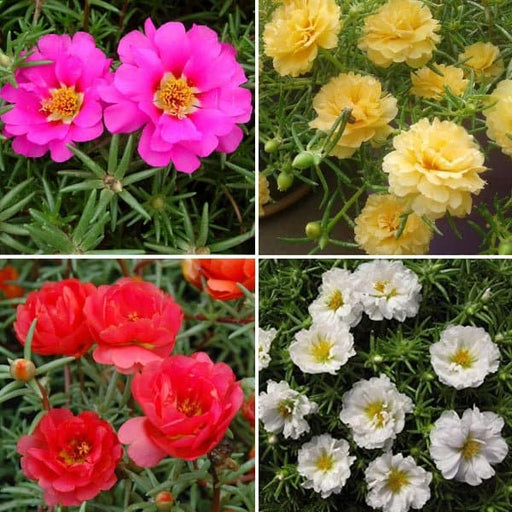
View full detailsPortulaca Garden Pack (4 Plants + 4 Black Pots) Note- You will get any color (Assorted) potted Porulaca plant with this pack. Transform your garde...
View full details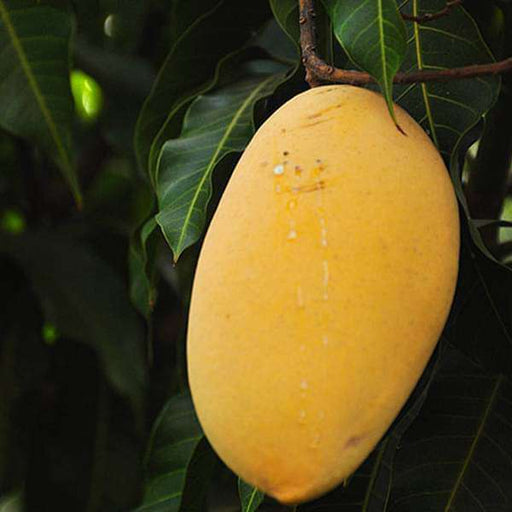




Leave a comment