
Expert Support
Available 24/7 via chat
Available 24/7 via chat
If you're looking for a low-maintenance climbing vine that rewards you with fragrant white flowers through summer and the monsoon, Madhumalti Dwarf (Combretum Indicum) deserves a spot on your shelves and balconies. Known locally as Rangoon Creeper or Burma Creeper, this pet-friendly vine is one of our bestsellers for good reason—it's forgiving enough for beginners, beautiful enough for experienced gardeners, and small enough to thrive in containers. Whether you're in Delhi's scorching heat, Mumbai's humidity, or anywhere in between, this guide will walk you through everything you need to grow a thriving Madhumalti Dwarf in your home.
Madhumalti, or Rangoon Creeper, is native to Southeast Asia and is prized across India for its delicate fragrant white flowers and vigorous, easy-growing nature. The "Dwarf" variety sold as a 7-inch (18 cm) nursery specimen is perfect for pots and compact spaces—though given ideal conditions, it can eventually reach 10 to 12 meters if trained vertically or horizontally on a structure. The name itself hints at its appeal: in Sanskrit, "Madhu" means honey, and the flowers do attract pollinators with their sweet fragrance, especially during blooming season. The plant is non-toxic to pets, making it a safe choice if you have curious cats or dogs at home. It's also a bestseller because it flowers reliably and requires minimal fuss once established.
| Care Aspect | Requirement |
|---|---|
| Light | Natural bright light with morning sunlight for 3–6 hours daily |
| Watering | 4 cups (~200 ml) when top 1–2 inches of soil feel dry to touch |
| Soil | Well-drained, fertile soil rich in organic content |
| Temperature | 22–30°C (ideal growth range for Indian climate) |
Madhumalti Dwarf loves light—it's essential for flowering and healthy growth. Aim for natural bright light throughout the day, with at least 3 to 6 hours of direct morning sunlight. Morning sun is gentler than harsh afternoon rays and will encourage flowering without scorching the leaves in peak summer. If you're in a region with intense summer heat, a spot with morning sun and dappled afternoon shade is ideal. South-facing balconies work well in most of India, though in extreme summer zones (Delhi, Rajasthan), a little afternoon protection helps. The plant will survive in partial shade, but you'll notice fewer flowers—light directly drives blooming.
The watering rule is simple: apply 4 cups (approximately 200 ml) of water when the top 1 to 2 inches of soil in your pot feels dry to touch. This soil-first check is crucial—never water by a fixed schedule. In Indian summers, this might mean every 2–3 days; in cooler months or during the monsoon, it could stretch to a week. During the rainy season, be especially careful: if your plant sits outside or on an open balcony, the monsoon rains will water it for you, and overwatering in humidity is the biggest killer of creepers. If it's indoors, reduce watering significantly during heavy rains. The key is allowing the soil to dry out slightly between waterings—Madhumalti doesn't like waterlogged roots. Hard water, common in many Indian cities, is tolerated well by this hardy vine.
Use a well-drained, fertile soil mix rich in organic content. A standard potting mix of coco peat or coconut husk, perlite, and compost (in a 2:1:1 ratio) works beautifully. The organic matter supports nutrient retention while the perlite ensures water drains quickly, preventing root rot. Once your plant is established, apply an organic fertilizer once a month during the growing season (March through October). Neem cake, vermicompost, or a balanced organic liquid fertilizer all work well. Skip fertilizing during winter (November–February) or if the plant isn't actively growing. Overfeeding won't harm Madhumalti, but it's unnecessary—this vine thrives on modest nutrition.
Madhumalti Dwarf thrives in temperatures between 22 and 30°C, which aligns perfectly with India's warm season and covers most Indian regions year-round. It handles summer heat well—even in Delhi's 40°C+ peaks, a potted plant indoors or in partial shade stays within a safe range. The monsoon brings humidity, which the plant loves, especially as it enters late-season blooming. However, in the coolest parts of winter (northern India below 10°C), growth slows dramatically; the plant won't die, but it'll go dormant. If you live in a very cold region, move the pot to a sheltered, warmer spot during winter or reduce watering. Humidity isn't a limiting factor in India—if anything, be cautious of root rot in humid, waterlogged conditions.
Propagating Madhumalti is straightforward via stem cuttings. Take 4- to 6-inch cuttings from healthy, non-flowering stems during spring or early summer. Remove the lower leaves, dip the cut end in rooting hormone (optional but helpful), and insert into a moist, well-draining propagation mix of peat and perlite. Keep the mix moist but not waterlogged, and place the pot in bright, indirect light. Roots typically develop in 2 to 3 weeks. Once roots are visible, you can pot the new plant into its permanent container. Propagation from cuttings is the fastest way to grow more plants and ensures genetic consistency with the parent plant.
Madhumalti is hardy, but watch for these issues: Overwatering is the most common mistake, leading to root rot and yellowing leaves—always check soil moisture before watering. Poor flowering usually means insufficient light; move the plant to a brighter spot. Spider mites and mealybugs can appear in hot, dry conditions; spray with neem oil if noticed. Leaf drop in winter is normal as growth slows and is not a disease. If you live in a very humid monsoon region, watch for fungal issues by improving air circulation and avoiding overhead watering.
Ready to grow your own? Shop Madhumalti Dwarf at Nurserylive →
Madhumalti Dwarf, Rangoon Creeper - Plant The Madhumalti Dwarf, also known as the Rangoon Creeper (Quisqualis indica), is a stunning perennial vin...
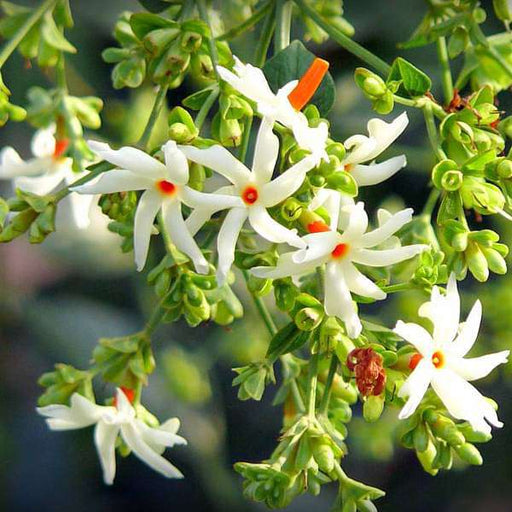
View full detailsCombo Constituents Includes the Parijat Tree (Night-Flowering Jasmine), a culturally significant plant with fragrant flowers. Description The Pari...
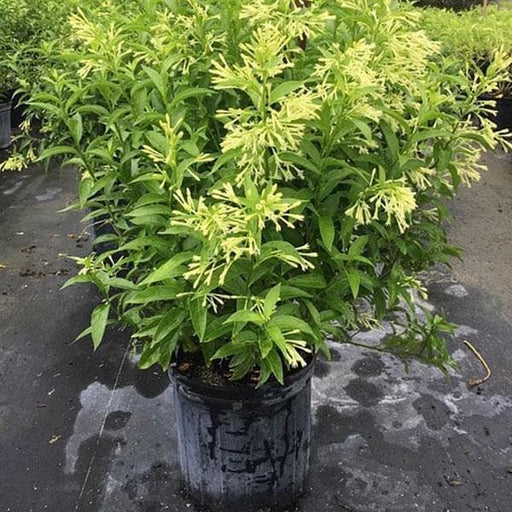
View full detailsDescription Raat Ki Rani (*Cestrum nocturnum*), also known as Night Blooming Jasmine, is a fragrant shrub native to the Caribbean and Central Ameri...
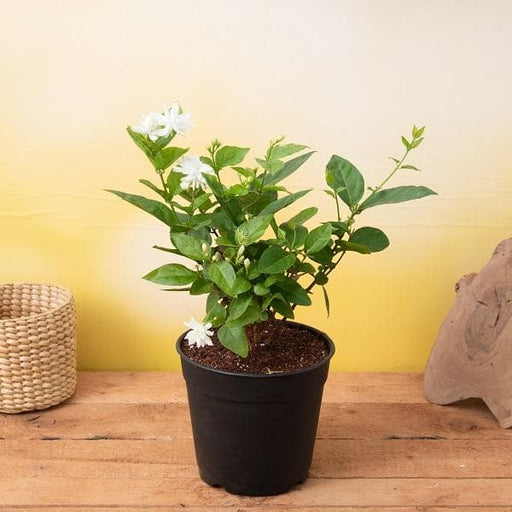
View full detailsJasminum sambac, Mogra, Arabian Jasmine - Plant Jasminum sambac, commonly known as Mogra or Arabian Jasmine, is a fragrant flowering plant...
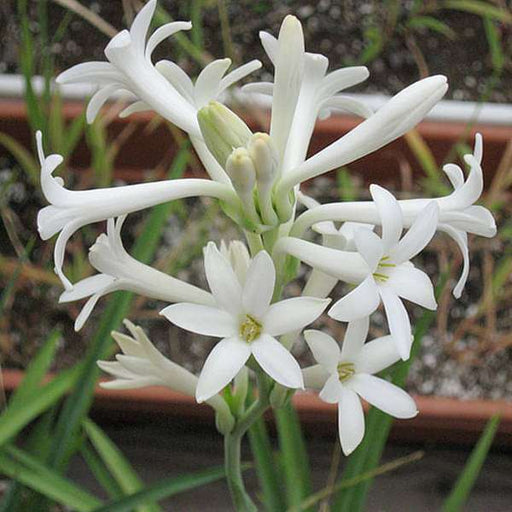
View full detailsRajnigandha, Tuberose - Plant The Rajnigandha, scientifically known as Polianthes tuberosa, is a captivating perennial plant renowned for ...
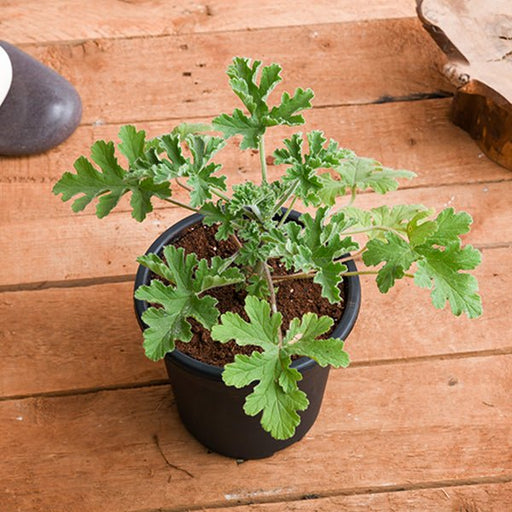
View full detailsCitronella, Odomas - Plant The Citronella plant, scientifically known as Cymbopogon nardus, is a tropical grass renowned for its aromatic ...
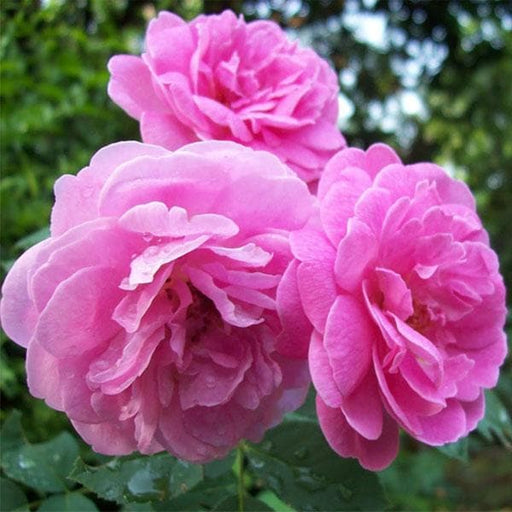
View full detailsDamascus Rose, Scented Rose (Any Color) - Plant The Damascus Rose, also known as Rosa damascena, is a timeless symbol of beauty and romanc...
View full detailsMiniature Rose, Button Rose (Any Color) - Plant The Miniature Rose, also known as the Button Rose, is a charming and compact flowering plant that ...
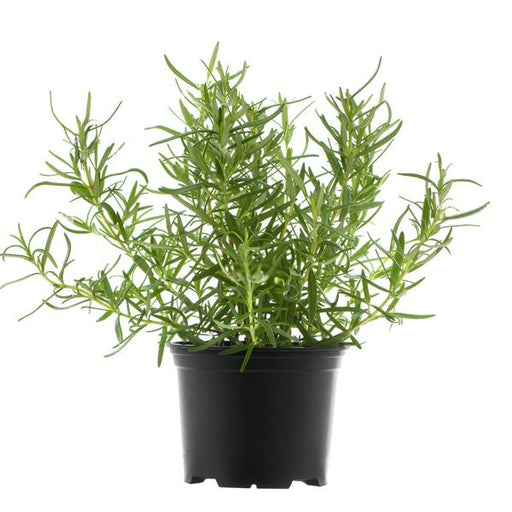
View full detailsRosemary - Plant Rosemary (Rosmarinus officinalis) is a fragrant evergreen herb native to the Mediterranean region. Known for its needle-like leav...
View full detailsMadhumalti Dwarf, Rangoon Creeper - Plant The Madhumalti Dwarf, also known as the Rangoon Creeper (Quisqualis indica), is a stunning perennial vin...
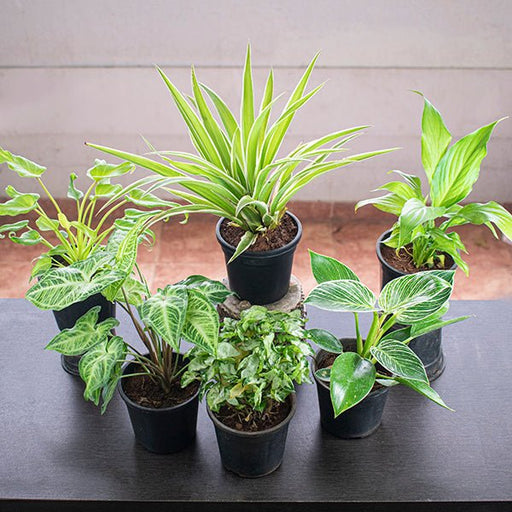
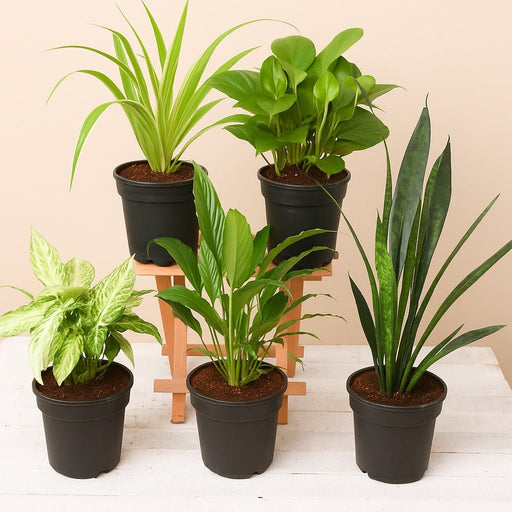
View full detailsBest 6 Plants for Perfect Indoor Garden Transform your living space into a lush oasis with our curated collection of the Best 6 Plants for a...
View full detailsBest 6 Plants for Perfect Indoor Garden Transform your living space into a lush oasis with our curated collection of the Best 6 Plants for a...
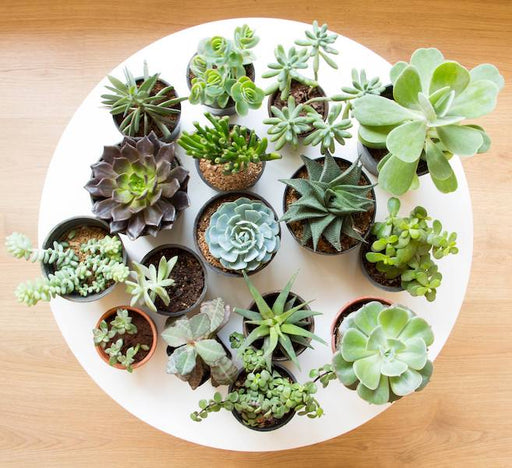
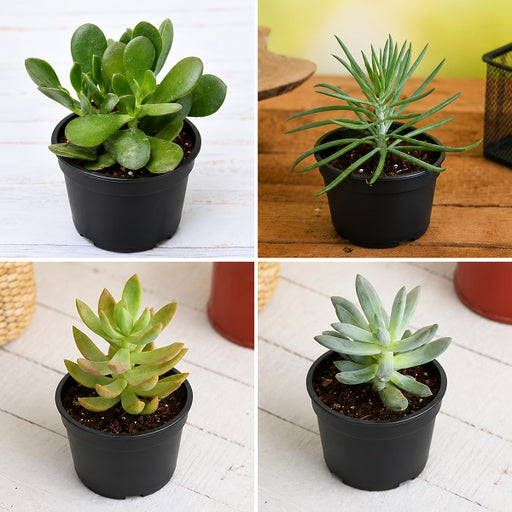
View full detailsMini Succulent Garden Pack Transform your space with our Mini Succulent Garden Pack, featuring a delightful collection of 4 any variety beautiful s...
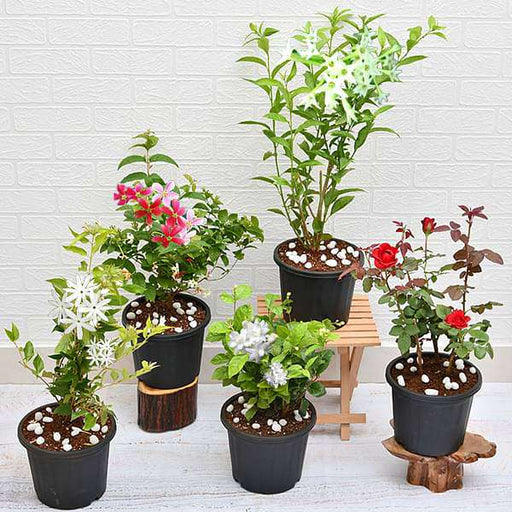
View full details5 Best Fragrant Plants Transform your garden or indoor space into a fragrant paradise with our curated selection of the 5 Best Fragrant Plants. Th...
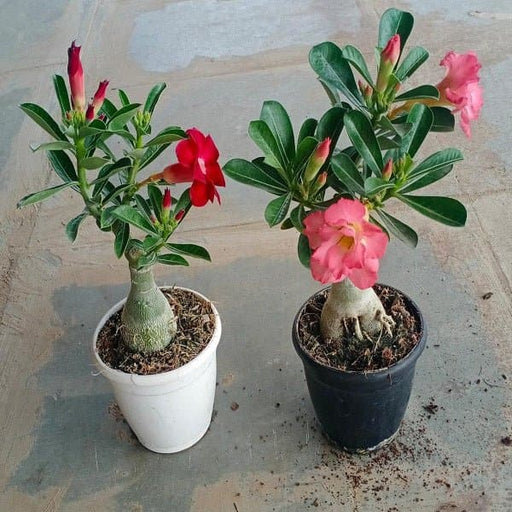
View full detailsSet of 2 Bonsai Looking Grafted Adeniums Transform your indoor or outdoor space with our exquisite Set of 2 Bonsai Looking Grafted Adenium...
View full detailsTop 4 Die Hard Succulents Pack Note: Plants included in this pack will be delivered in a 3-inch nursery pot (any color). Transform your indoor or ...
View full details5 Best Indoor Plants Pack Transform your living space into a lush oasis with our '5 Best Indoor Plants Pack.' This carefully curated collection fe...
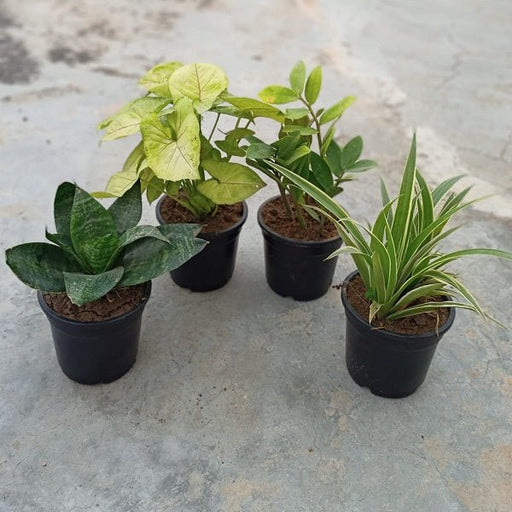
View full detailsSet of 4 Evergreen Air Purifier Plant Pack Transform your indoor space into a lush, green oasis with our Set of 4 Evergreen Air Purifier Pla...
View full detailsTop 5 Pollution Killer Plants Pack Transform your living space into a breath of fresh air with our 'Top 5 Pollution Killer Plants Pack'. This care...
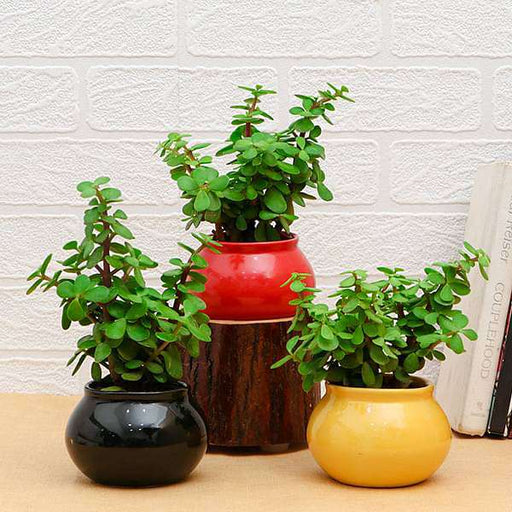
View full detailsPack of 3 Good Luck Jade Plants in Ceramic Pots Bring a touch of nature into your home with our Pack of 3 Good Luck Jade Plants, featuring...
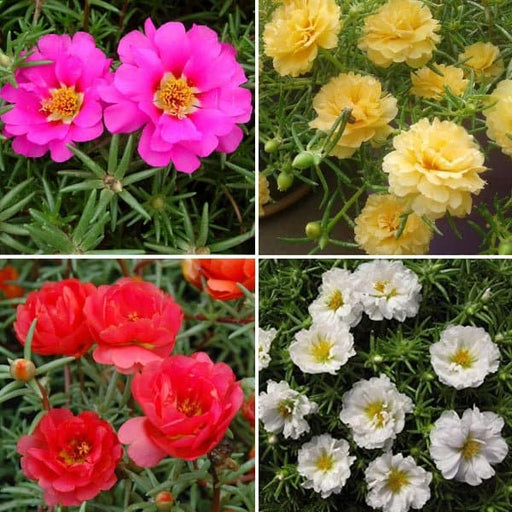
View full detailsPortulaca Garden Pack (4 Plants + 4 Black Pots) Note- You will get any color (Assorted) potted Porulaca plant with this pack. Transform your garde...
View full details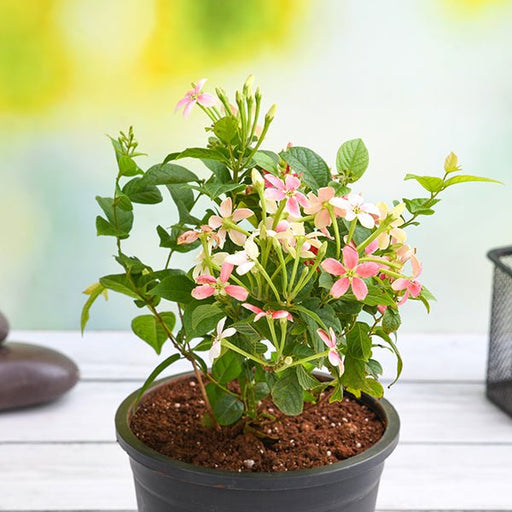






Leave a comment