
Expert Support
Available 24/7 via chat
Available 24/7 via chat
Lemon grass, affectionately known as gavati chaha, silky heads, or barbed wire grass in India, is one of the easiest herbs to cultivate in Indian gardens and homes. This perennial powerhouse combines culinary appeal with medicinal benefits and natural pest-repelling properties—making it a must-have for any gardener. Whether you're growing it in a pot on your balcony or in a garden bed, lemon grass adapts beautifully to India's warm climate and rewards minimal effort with abundant, fragrant foliage.
Lemon grass is a tropical perennial that grows as a dense clump of long, slender leaves with a distinctive citrus aroma. Native to tropical regions, it thrives in warm climates like India's, making it ideal for both outdoor gardens and container cultivation. In India, it's traditionally used in chai, curries, and herbal teas, while its oil has long been valued for its insect-repelling and medicinal properties.
A mature lemon grass plant can reach 2 to 4 feet in height, with a spreading habit that makes it perfect for creating a lush, textured look in your garden. At purchase, young plants typically stand around 19 inches (48 cm) tall with a 7-inch spread, growing steadily under proper conditions. The plant is classified as easy to grow, making it forgiving for both beginners and experienced gardeners.
| Care Aspect | Requirement |
|---|---|
| Light | Full sun (6-8+ hours daily) |
| Water | Medium watering, well-drained |
| Soil | Well-drained, fertile soil |
| Temperature | Above 40°F; thrives in warmth |
Lemon grass is a sun-lover and demands full sun for optimal growth. Aim for at least 6 to 8 hours of direct sunlight daily—more is better. In India's intense summer sun, even 10-12 hours of sunlight won't stress the plant; instead, it encourages vigorous growth, bushier foliage, and more aromatic leaves.
If you're growing lemon grass indoors or on a shaded balcony, the plant will survive but may become leggy and produce fewer shoots. In North India, where winter daylight is shorter, position your container in a south-facing window to maximize available light. During monsoon months, when humidity and cloud cover increase, ensure your plant gets whatever bright light is available—move it closer to windows if possible.
Lemon grass prefers medium watering—neither waterlogged nor completely dry. During India's hot summer months (March to June), water deeply 2-3 times per week, especially if grown in pots, which dry out faster than garden soil. Check soil moisture an inch below the surface; if it feels dry, it's time to water.
During the monsoon season, rainfall often provides sufficient moisture. However, if you have heavy clay soil or poor drainage, reduce watering frequency to prevent root rot. In winter, particularly in cooler regions of North India, lemon grass needs less water—once or twice weekly is usually adequate.
Hard water, a common concern in many Indian cities and towns, doesn't harm lemon grass significantly, though mineral buildup may affect soil pH over time. If you notice yellowing leaves despite proper care, occasionally flush the soil with filtered or rainwater to reduce salt accumulation in heavy-water areas.
Well-drained soil is essential for lemon grass. In India's variable soil conditions, create an ideal growing medium by mixing garden soil with compost or coconut coir at a 2:1 ratio. This ensures adequate drainage while retaining enough moisture and nutrients for vigorous growth.
For potted plants, use a high-quality potting mix enriched with compost. If your garden soil is heavy clay—common in many Indian regions—amend it generously with organic compost or aged manure before planting.
Feeding is straightforward: apply any organic fertilizer once every 4-6 weeks during the growing season (March to October). Suitable options include neem-based fertilizers, cow manure, kitchen compost, or vermicompost. Avoid heavy chemical fertilizers; lemon grass thrives on organic nutrition. During winter, reduce feeding frequency as growth slows significantly.
Lemon grass is a heat-loving plant that flourishes in India's warm climate. It grows best in temperatures between 50°F and 95°F (10°C to 35°C), with optimal growth occurring in the 70-85°F range (21-29°C). This makes summer and pre-monsoon seasons ideal for vigorous growth.
The plant can tolerate temperatures down to about 40°F (4°C) but will go dormant or suffer if exposed to prolonged freezing conditions. In cooler regions like Himachal Pradesh or high-altitude areas, grow lemon grass in pots and move it indoors during winter, or provide protective mulching.
Humidity isn't a limiting factor; lemon grass adapts well to India's humidity levels, whether in humid coastal regions or drier inland areas. However, ensure good air circulation to prevent fungal issues, particularly during monsoon months when humidity spikes and foliage remains wet for extended periods.
Lemon grass propagates easily through division, making it one of the most rewarding herbs for home propagation. The best time to divide is during early spring (February-March) when new growth begins.
You can also propagate from stem cuttings rooted in water or moist soil, though division is faster and more reliable for lemon grass.
Ready to grow your own? Shop Lemon Grass at Nurserylive →
Lemon Grass - Plant Lemon Grass (Cymbopogon citratus) is a tropical perennial grass known for its aromatic leaves and culinary versatility. This v...
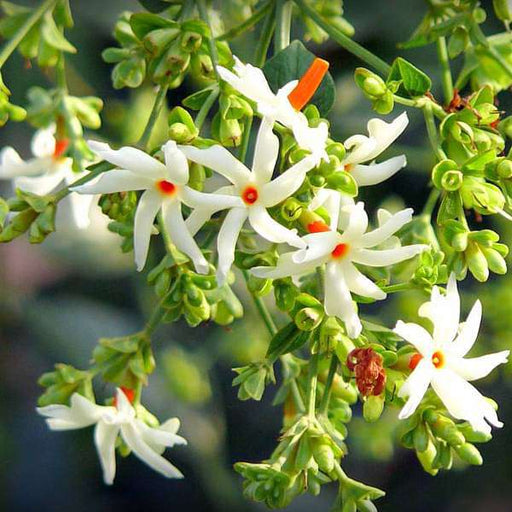
View full detailsCombo Constituents Includes the Parijat Tree (Night-Flowering Jasmine), a culturally significant plant with fragrant flowers. Description The Pari...
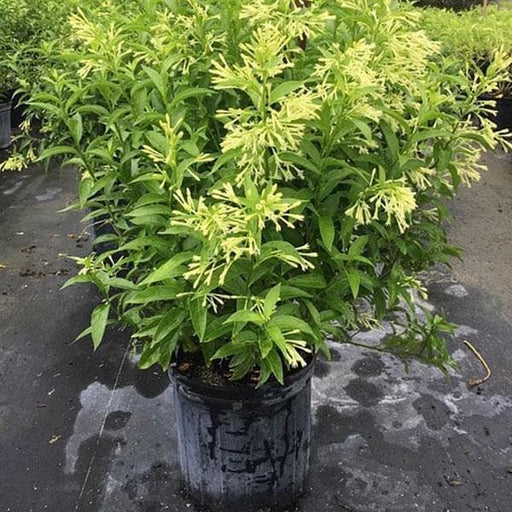
View full detailsDescription Raat Ki Rani (*Cestrum nocturnum*), also known as Night Blooming Jasmine, is a fragrant shrub native to the Caribbean and Central Ameri...
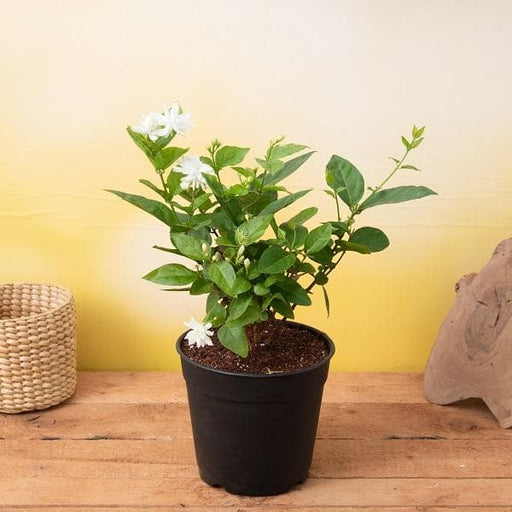
View full detailsJasminum sambac, Mogra, Arabian Jasmine - Plant Jasminum sambac, commonly known as Mogra or Arabian Jasmine, is a fragrant flowering plant...
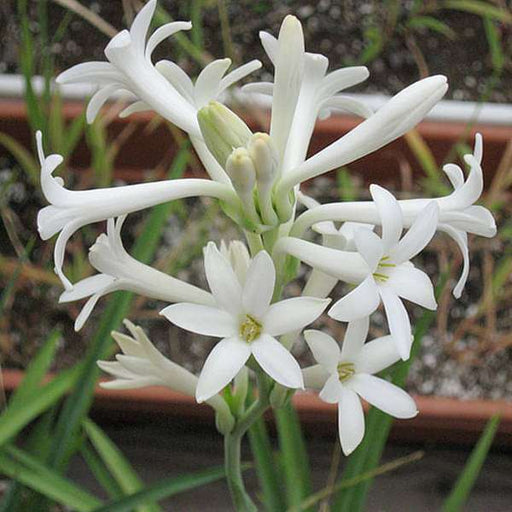
View full detailsRajnigandha, Tuberose - Plant The Rajnigandha, scientifically known as Polianthes tuberosa, is a captivating perennial plant renowned for ...
View full detailsCitronella, Odomas - Plant The Citronella plant, scientifically known as Cymbopogon nardus, is a tropical grass renowned for its aromatic ...
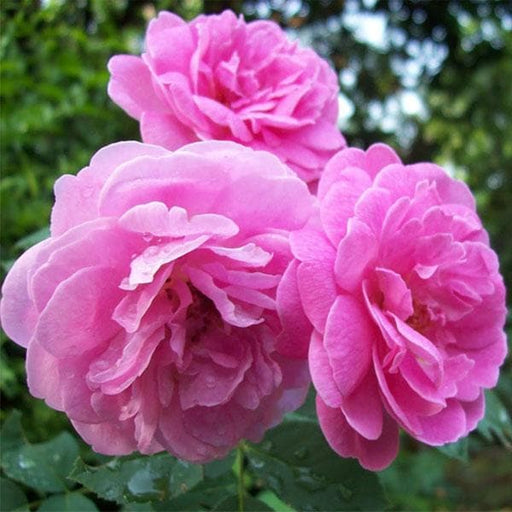
View full detailsDamascus Rose, Scented Rose (Any Color) - Plant The Damascus Rose, also known as Rosa damascena, is a timeless symbol of beauty and romanc...
View full detailsMiniature Rose, Button Rose (Any Color) - Plant The Miniature Rose, also known as the Button Rose, is a charming and compact flowering plant that ...
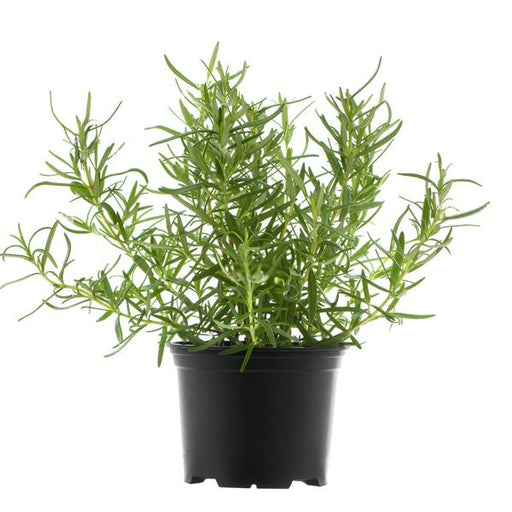
View full detailsRosemary - Plant Rosemary (Rosmarinus officinalis) is a fragrant evergreen herb native to the Mediterranean region. Known for its needle-like leav...
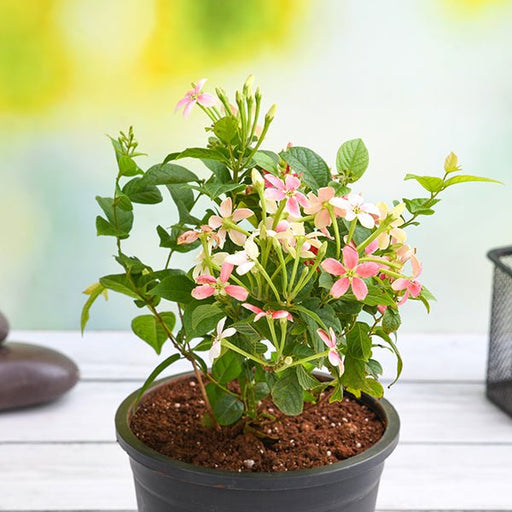
View full detailsMadhumalti Dwarf, Rangoon Creeper - Plant The Madhumalti Dwarf, also known as the Rangoon Creeper (Quisqualis indica), is a stunning perennial vin...
View full detailsBest 6 Plants for Perfect Indoor Garden Transform your living space into a lush oasis with our curated collection of the Best 6 Plants for a...
View full detailsBest 6 Plants for Perfect Indoor Garden Transform your living space into a lush oasis with our curated collection of the Best 6 Plants for a...
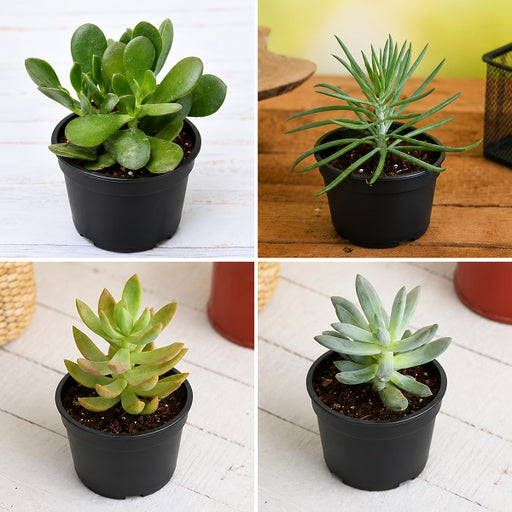
View full detailsMini Succulent Garden Pack Transform your space with our Mini Succulent Garden Pack, featuring a delightful collection of 4 any variety beautiful s...
View full details5 Best Fragrant Plants Transform your garden or indoor space into a fragrant paradise with our curated selection of the 5 Best Fragrant Plants. Th...
View full detailsSet of 2 Bonsai Looking Grafted Adeniums Transform your indoor or outdoor space with our exquisite Set of 2 Bonsai Looking Grafted Adenium...
View full detailsTop 4 Die Hard Succulents Pack Note: Plants included in this pack will be delivered in a 3-inch nursery pot (any color). Transform your indoor or ...
View full details5 Best Indoor Plants Pack Transform your living space into a lush oasis with our '5 Best Indoor Plants Pack.' This carefully curated collection fe...
View full detailsSet of 4 Evergreen Air Purifier Plant Pack Transform your indoor space into a lush, green oasis with our Set of 4 Evergreen Air Purifier Pla...
View full detailsTop 5 Pollution Killer Plants Pack Transform your living space into a breath of fresh air with our 'Top 5 Pollution Killer Plants Pack'. This care...
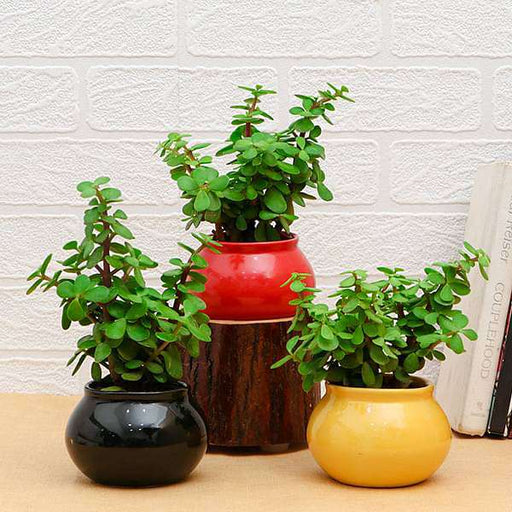
View full detailsPack of 3 Good Luck Jade Plants in Ceramic Pots Bring a touch of nature into your home with our Pack of 3 Good Luck Jade Plants, featuring...
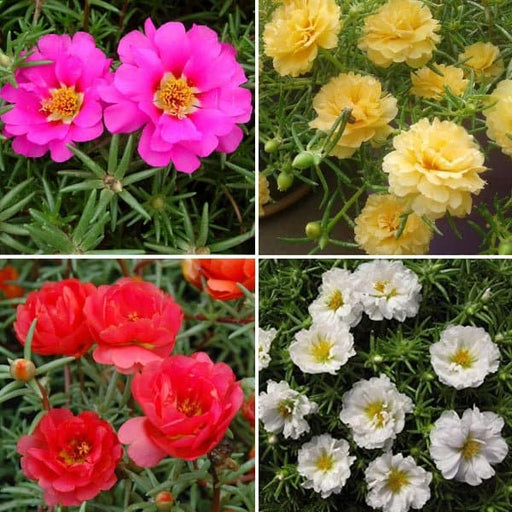
View full detailsPortulaca Garden Pack (4 Plants + 4 Black Pots) Note- You will get any color (Assorted) potted Porulaca plant with this pack. Transform your garde...
View full details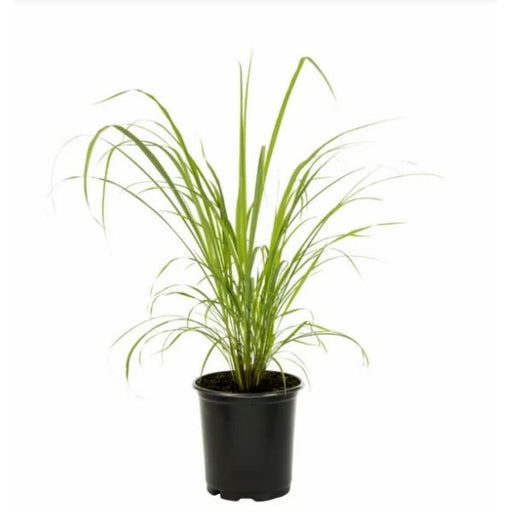












Leave a comment