
Expert Support
Available 24/7 via chat
Available 24/7 via chat
Lantana camara, known locally as Kantutay in many Indian regions, is one of the most rewarding plants for Indian gardeners. This vibrant shrub produces clusters of small, brightly colored flowers year-round and is virtually impossible to kill once established. If you're looking for a plant that brings color, attracts pollinators, and thrives in India's challenging summer heat, Lantana camara is your answer.
Lantana camara is a versatile perennial shrub belonging to the Verbenaceae family. When you receive a plant from Nurserylive, it typically stands about 12 inches (30 cm) tall with a spread of 5 inches (13 cm). With proper care, your plant can grow up to 2 feet or taller, making it suitable for hedging, border planting, or container gardening. The plant is famous for its dense clusters of small, tubular flowers called umbels, which come in various color combinations including red, orange, yellow, pink, and white. The leaves are rough-textured and wonderfully fragrant when brushed.
What makes Lantana truly special for Indian gardens is its ability to attract butterflies, birds, and pollinators. During peak seasons, you'll see dozens of butterflies visiting the blooms. It's a year-round bloomer in tropical and subtropical India, though flowering is most prolific during spring and summer when temperatures soar. This is one of the easiest plants to grow, making it perfect for beginners and experienced gardeners alike.
| Care Factor | Requirement |
|---|---|
| Light | Full sun (6+ hours daily) |
| Water | Moderate; let soil dry between waterings |
| Soil | Well-drained, not waterlogged |
| Temperature | 20 to 40°C (ideal for Indian climate) |
Lantana camara is a sun-worshipper. For the best flowering and bushier growth, place your plant in full sun for at least 6 to 8 hours daily. In India's harsh summer, especially in regions like Delhi, Mumbai, or Bangalore during May and June, the intense afternoon sun actually suits Lantana perfectly—it won't scorch or wilt like many tender plants would.
If you live in shadier regions of your garden, Lantana will still grow, but flowering will be sparse and the plant may become leggy. For potted plants, position them on south-facing balconies or terraces where they receive maximum unobstructed sunlight. The more sun your plant gets, the more flowers it will produce.
Water moderately—this is the key to understanding Lantana. It's drought-tolerant once established and actually prefers drier conditions over waterlogged soil. During the growing season from March to October, water when the top 1 to 2 inches of soil feel dry to touch. In summer, this might be every 2 to 3 days depending on your region's heat and humidity. During monsoons, reduce watering significantly as Lantana dislikes standing water and soggy roots, which can cause root rot.
In winter from November to February, water sparingly. Your plant slows growth during this period and won't need frequent watering. The beauty of Lantana is that it's forgiving—it can survive a missed watering, but it cannot survive overwatering. When in doubt, err on the side of underwatering rather than overwatering.
Use well-drained soil that doesn't retain water. For potted plants, mix regular garden soil with sand or perlite in a 2:1 ratio to ensure proper drainage. If your garden has heavy clay soil—common in many Indian regions—amend it with sand, cocopeat, or organic matter to improve drainage. Lantana struggles in waterlogged clay, so this preparation step is crucial for success.
Fertilizing is simple and should be kept organic. Use any organic fertilizer, whether it's well-decomposed cow manure, vermicompost, or neem-based fertilizers, during the spring and summer seasons from March to September. Apply a handful of organic fertilizer once every 4 to 6 weeks. Avoid chemical fertilizers with high nitrogen, as they promote leafy growth at the expense of flowers. A balanced organic approach will reward you with abundant blooms.
Lantana thrives in temperatures between 20 to 40 degrees Celsius, which perfectly aligns with India's climate zones. This range covers most Indian regions—from the cooler hills of Himachal Pradesh at 20°C in winter to the intense heat of the Deccan plateau reaching 40°C in May and June. Your plant won't need frost protection in India unless you're in high-altitude hill stations where temperatures regularly drop below 10°C.
Humidity isn't a concern for Lantana. It handles both dry Indian summers and the moisture-heavy monsoons with equal grace. However, during intense monsoons, ensure your plant's drainage is excellent to prevent fungal issues. Good air circulation around the plant helps prevent leaf spot and other moisture-related problems.
Lantana is easy to propagate from cuttings, making it a great plant to share with fellow gardeners. Take 6 to 8 inch cuttings from soft, green growth in spring or early summer (March to June). Remove the lower leaves and insert the cutting into moist, well-drained potting mix or sand. Cover with a transparent bag or place in a propagation tray to retain moisture, and position in bright, indirect light. Roots typically form in 2 to 3 weeks. You can also collect seeds from spent flower clusters after monsoons and sow them in seed-starting mix, though cuttings are faster and more reliable for getting flowering plants.
Lantana is remarkably pest-resistant and disease-free when grown in India, but here are issues you might encounter:
Prune your Lantana lightly in late winter from January to February to shape it and encourage compact, bushy growth. This is especially important if you're using it as a hedge. Don't prune heavily during the flowering season—you'll sacrifice blooms for the season.
In pots, use a container at least 12 to 15 inches in diameter for a single plant. Lantana's vigorous root system appreciates space. Repot every 18 to 24 months to refresh the soil and prevent root-bound conditions that restrict flowering.
For extra productivity, pinch off spent flower clusters. This encourages the plant to produce more blooms rather than setting seeds. It's a small effort that makes a big difference in the flowering density throughout the season.
Lantana thrives on neglect—once established, it demands minimal attention. This makes it perfect for busy gardeners or those new to plant care. Combine it with other heat-loving, drought-tolerant plants like Portulaca, Vinca, or Zinnia for a garden that's both beautiful and low-maintenance. The colorful clusters of Lantana flowers make it an excellent backdrop or filler plant in mixed borders, and its ability to attract butterflies means you'll have constant wildlife activity in your garden.
Ready to grow your own? Shop Lantana camara at Nurserylive →
Lantana camara (Any Color) - Plant Lantana camara, commonly known as Lantana, is a vibrant flowering plant that adds a splash of color to any gard...
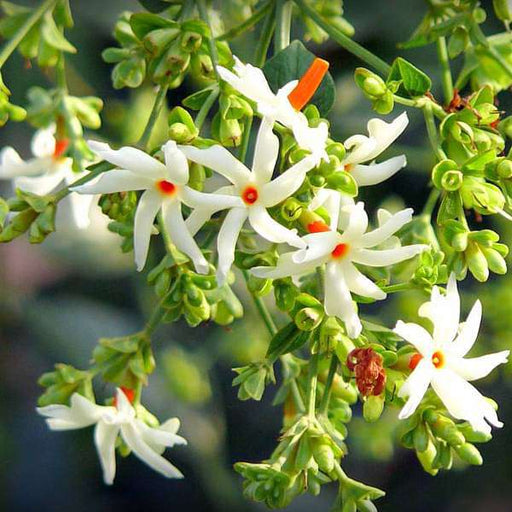
View full detailsCombo Constituents Includes the Parijat Tree (Night-Flowering Jasmine), a culturally significant plant with fragrant flowers. Description The Pari...
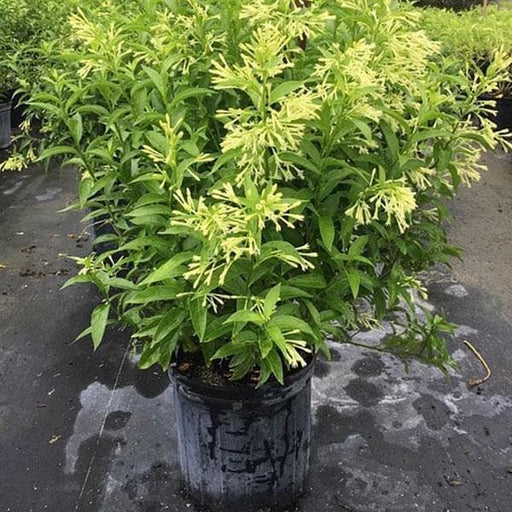
View full detailsDescription Raat Ki Rani (*Cestrum nocturnum*), also known as Night Blooming Jasmine, is a fragrant shrub native to the Caribbean and Central Ameri...
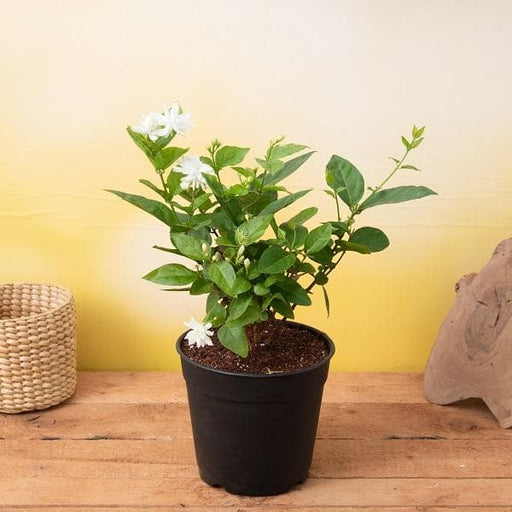
View full detailsJasminum sambac, Mogra, Arabian Jasmine - Plant Jasminum sambac, commonly known as Mogra or Arabian Jasmine, is a fragrant flowering plant...
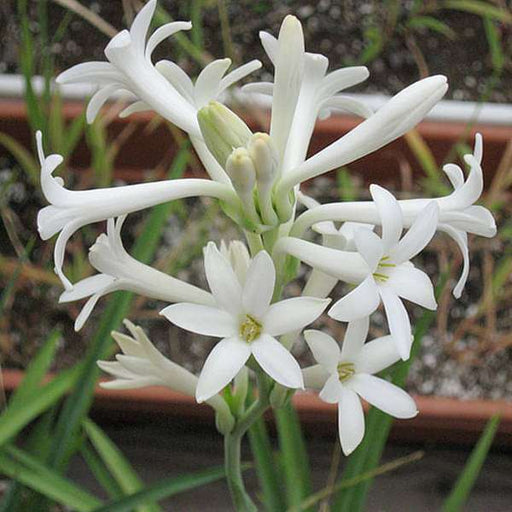
View full detailsRajnigandha, Tuberose - Plant The Rajnigandha, scientifically known as Polianthes tuberosa, is a captivating perennial plant renowned for ...
View full detailsCitronella, Odomas - Plant The Citronella plant, scientifically known as Cymbopogon nardus, is a tropical grass renowned for its aromatic ...
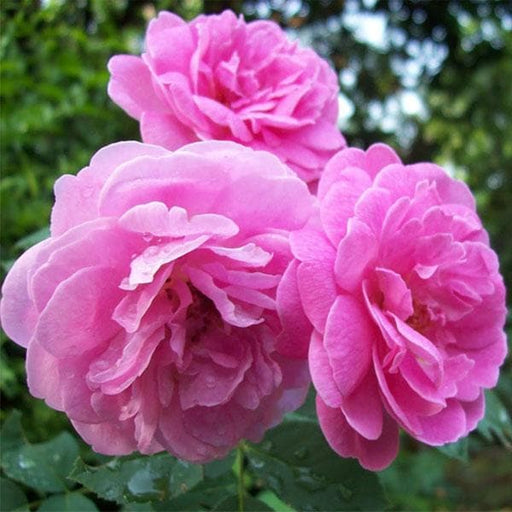
View full detailsDamascus Rose, Scented Rose (Any Color) - Plant The Damascus Rose, also known as Rosa damascena, is a timeless symbol of beauty and romanc...
View full detailsMiniature Rose, Button Rose (Any Color) - Plant The Miniature Rose, also known as the Button Rose, is a charming and compact flowering plant that ...
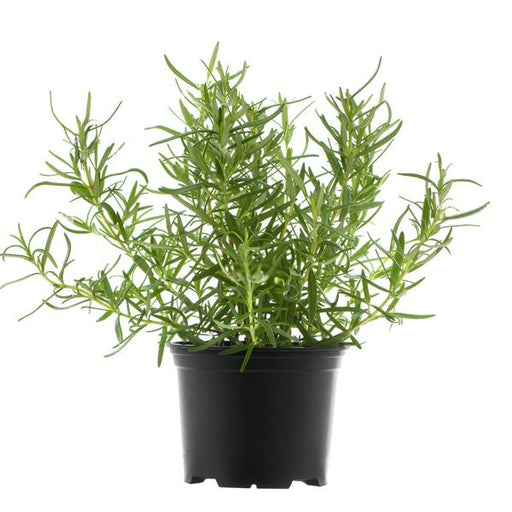
View full detailsRosemary - Plant Rosemary (Rosmarinus officinalis) is a fragrant evergreen herb native to the Mediterranean region. Known for its needle-like leav...
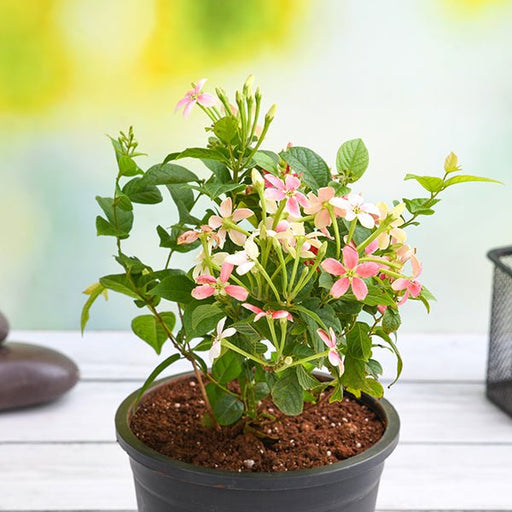
View full detailsMadhumalti Dwarf, Rangoon Creeper - Plant The Madhumalti Dwarf, also known as the Rangoon Creeper (Quisqualis indica), is a stunning perennial vin...
View full detailsBest 6 Plants for Perfect Indoor Garden Transform your living space into a lush oasis with our curated collection of the Best 6 Plants for a...
View full detailsBest 6 Plants for Perfect Indoor Garden Transform your living space into a lush oasis with our curated collection of the Best 6 Plants for a...
View full detailsMini Succulent Garden Pack Transform your space with our Mini Succulent Garden Pack, featuring a delightful collection of 4 any variety beautiful s...
View full details5 Best Fragrant Plants Transform your garden or indoor space into a fragrant paradise with our curated selection of the 5 Best Fragrant Plants. Th...
View full detailsSet of 2 Bonsai Looking Grafted Adeniums Transform your indoor or outdoor space with our exquisite Set of 2 Bonsai Looking Grafted Adenium...
View full detailsTop 4 Die Hard Succulents Pack Note: Plants included in this pack will be delivered in a 3-inch nursery pot (any color). Transform your indoor or ...
View full details5 Best Indoor Plants Pack Transform your living space into a lush oasis with our '5 Best Indoor Plants Pack.' This carefully curated collection fe...
View full detailsSet of 4 Evergreen Air Purifier Plant Pack Transform your indoor space into a lush, green oasis with our Set of 4 Evergreen Air Purifier Pla...
View full detailsTop 5 Pollution Killer Plants Pack Transform your living space into a breath of fresh air with our 'Top 5 Pollution Killer Plants Pack'. This care...
View full detailsPack of 3 Good Luck Jade Plants in Ceramic Pots Bring a touch of nature into your home with our Pack of 3 Good Luck Jade Plants, featuring...
View full detailsPortulaca Garden Pack (4 Plants + 4 Black Pots) Note- You will get any color (Assorted) potted Porulaca plant with this pack. Transform your garde...
View full details














Leave a comment