
Expert Support
Available 24/7 via chat
Available 24/7 via chat
Kunda—known as downy jasmine, ban malati, or star jasmine—is one of India's most beloved climbing plants. With its delicate white flowers releasing a heady fragrance throughout the year, this perennial charmer transforms balconies, patios, and garden walls into fragrant retreats. Whether you're a first-time plant parent or a seasoned gardener, Kunda's easygoing nature and rapid growth make it an accessible way to add vertical greenery and year-round blooms to your home. In this guide, we'll walk you through everything you need to know to grow this pet-friendly beauty successfully in India's diverse climates.
Kunda is a vigorous evergreen climber that flowers generously year-round, offering fragrant white blooms that attract pollinators and delight the senses. Its maximum reachable height is up to 3 meters, though smaller potted specimens typically arrive at 13 inches tall with a spread of 5 inches. This makes it remarkably versatile: perfect for tabletop containers when young, balcony railings as it matures, and outdoor walls or pergolas in gardens with space. Because it's pet-friendly and non-toxic, it's an excellent choice for households with curious cats or dogs. Its hardy, easy-care nature and ability to thrive in containers make it equally suited to apartment gardening in cities like Delhi or Mumbai and sprawling coastal gardens in Goa or Kerala.
| Care Factor | Requirements |
|---|---|
| Light | Natural bright or indirect bright light |
| Water | When topsoil (1-2 inches) feels dry; water thoroughly |
| Soil | Well-draining, fertile, rich in organic content |
| Temperature | 16–30°C (optimal range for growth) |
Kunda thrives in natural bright or indirect bright light, making it ideal for east or north-facing windows and balconies. In India, this translates to morning sun exposure or dappled afternoon light, especially critical in hotter months (April to June) when intense midday rays can scorch tender leaves. A south-facing balcony in Mumbai or Bangalore with afternoon shade from nearby structures works beautifully. If your space offers only partial light—like a north-facing apartment—Kunda will still grow, though it may flower less prolifically than in brighter locations. Inadequate light is the most common reason for sparse blooming, so prioritize positioning your plant where it receives at least 4-5 hours of bright, indirect light daily.
Kunda's watering needs are straightforward: use the finger-poke method to check soil moisture before watering. Insert your finger or a small stick 1-2 inches into the topsoil; if it feels dry to touch, water thoroughly until water drains from the pot's base. This typically means watering every 2-3 days in summer, less frequently during monsoon when natural moisture is high, and sparingly in winter. During Delhi's scorching summers, daily or alternate-day watering may be necessary, while coastal regions like Kerala may require less frequent watering due to ambient humidity. Never allow the soil to become waterlogged, as this invites root rot—a common killer in monsoon months. If you're unsure, err on the side of underwatering; Kunda tolerates dry conditions better than soggy roots.
Healthy soil is the foundation of vigorous growth. Use a well-draining potting mix enriched with organic matter—a blend of coconut coir, perlite, and aged compost works excellently. If your local water is hard (common in cities like Delhi, Rajasthan, and parts of Maharashtra), adding extra compost helps buffer pH and improves nutrient availability. Feed Kunda with any organic fertilizer—whether homemade compost, neem cake, or kitchen waste decomposed in your own bin—during the growing season (March to October). Apply fertilizer once every 2-3 weeks, following package instructions, or incorporate a slow-release organic fertilizer at potting time. Avoid chemical fertilizers if possible; they can build up salts in containers and cause leaf burn in India's already-mineral-rich water.
Kunda's ideal temperature range is 16–30°C, which aligns well with most Indian regions' growing seasons. This means it flourishes during spring and autumn, slows in winter (especially in North India), and tolerates warm summers provided watering is adequate. In extreme heat zones (above 35°C), afternoon shade becomes essential to prevent stress and flower drop. Humidity is generally not a limiting factor in India, though during dry winter months in Delhi or Jaipur, misting the foliage occasionally can prevent dust accumulation and support photosynthesis. Coastal regions naturally offer the high humidity Kunda appreciates, while inland plains require more attentive watering and occasional misting.
Propagating Kunda is remarkably easy, making it a rewarding project for gardeners wanting to create more plants or share with neighbors. Take 4-6 inch semi-hardwood cuttings from healthy, disease-free stems during spring or early monsoon. Remove the lower 2-3 leaves, dip the cut end lightly in rooting hormone (optional but helpful), and insert into moist potting soil or a jar of water. Keep the medium consistently moist and place the cutting in bright, indirect light—avoid direct sun, which may dry it out. Roots typically appear within 2-3 weeks; once visible white rootlets emerge (in water propagation) or growth resumes (in soil), transfer carefully to a pot with well-draining soil. Layering is another low-fuss method: bend a stem to touch moist soil while still attached to the mother plant, secure with a peg or wire, and sever once roots develop.
Despite its hardy nature, Kunda can face a few challenges in Indian conditions. Overwatering and poor drainage invite fungal issues and root rot, particularly during monsoons—improve drainage with perlite and reduce watering frequency if the soil stays wet. Spider mites thrive in hot, dry air; spray affected leaves with a neem oil solution (a teaspoon of neem oil in a liter of water) every 3-4 days until resolved. Mealybugs occasionally appear on tender growth; isolate the plant and treat with neem or a soft brush dipped in alcohol. Scale insects may colonize older stems; scrape off manually or apply horticultural oil. If flowering drops suddenly, check light levels and avoid temperature fluctuations; Kunda resents sudden cold snaps and drafts. Yellow leaves usually signal overwatering or nutrient deficiency; improve drainage and apply organic fertilizer to remedy. Most issues resolve quickly with prompt, organic intervention—Kunda's vigor works in your favor.
Does Kunda flower indoors? Yes, but it flowers less prolifically indoors than on a sunny balcony because it needs bright, indirect light. Place it near an east-facing window for the best results, and expect fewer blooms than outdoors.
Is Kunda toxic to pets? No, Kunda is pet-friendly and non-toxic, making it safe for homes with cats, dogs, or other curious pets.
How tall can Kunda grow in a pot? In a container, Kunda typically reaches 60-90 cm with regular pruning, though it can stretch toward 1.5 meters if left unpruned. Its maximum natural height is up to 3 meters in ground with support.
Why is my Kunda not flowering? Insufficient light is the most common cause. Ensure at least 4-5 hours of bright, indirect light daily. Overwatering or overcrowding (when roots are pot-bound) can also suppress blooms; repot into a slightly larger container with fresh soil.
Can I grow Kunda from seed? While seeds are less common commercially, Kunda can be propagated from seed sown in moist soil during spring. Cuttings are far easier and faster, rooting in 2-3 weeks versus months for seedlings.
How do I manage hard water effects on Kunda? Hard water deposits can accumulate on foliage and in soil. Every few months, flush the pot with distilled or collected rainwater if available. Enrich soil with extra organic compost to buffer mineral buildup and improve nutrient uptake.
Ready to grow your own? Shop Kunda at Nurserylive →
Kunda, Downy Jasmine - Plant The Kunda, or Downy Jasmine (Jasminum multiflorum), is a stunning flowering plant known for its fragrant, star-shaped...
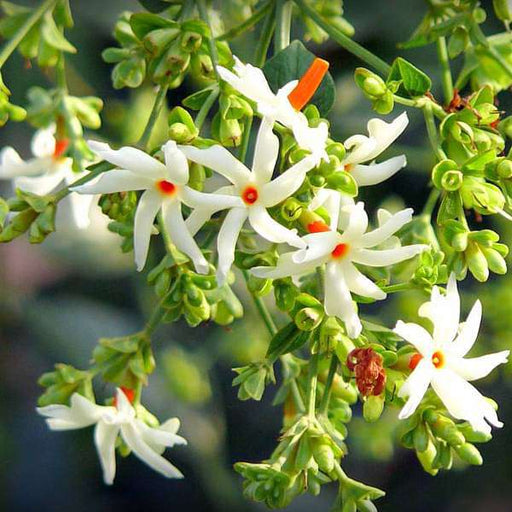
View full detailsCombo Constituents Includes the Parijat Tree (Night-Flowering Jasmine), a culturally significant plant with fragrant flowers. Description The Pari...
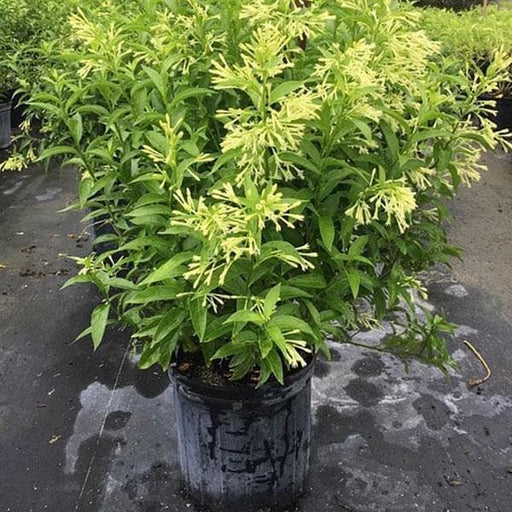
View full detailsDescription Raat Ki Rani (*Cestrum nocturnum*), also known as Night Blooming Jasmine, is a fragrant shrub native to the Caribbean and Central Ameri...
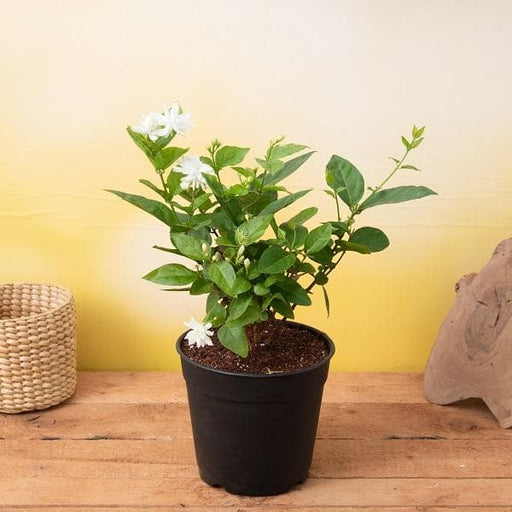
View full detailsJasminum sambac, Mogra, Arabian Jasmine - Plant Jasminum sambac, commonly known as Mogra or Arabian Jasmine, is a fragrant flowering plant...
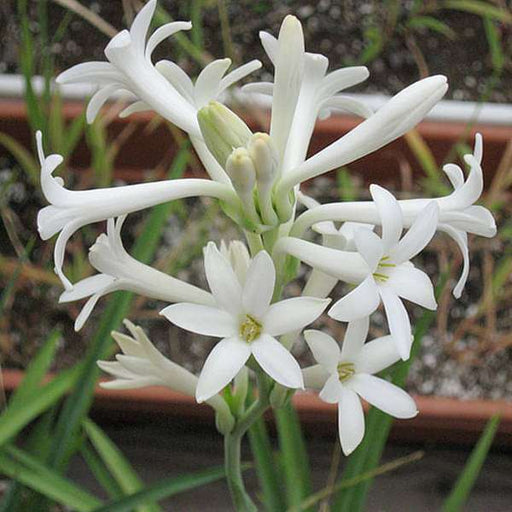
View full detailsRajnigandha, Tuberose - Plant The Rajnigandha, scientifically known as Polianthes tuberosa, is a captivating perennial plant renowned for ...
View full detailsCitronella, Odomas - Plant The Citronella plant, scientifically known as Cymbopogon nardus, is a tropical grass renowned for its aromatic ...
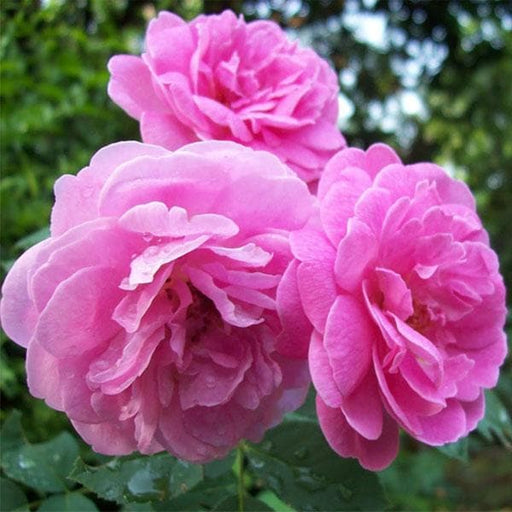
View full detailsDamascus Rose, Scented Rose (Any Color) - Plant The Damascus Rose, also known as Rosa damascena, is a timeless symbol of beauty and romanc...
View full detailsMiniature Rose, Button Rose (Any Color) - Plant The Miniature Rose, also known as the Button Rose, is a charming and compact flowering plant that ...
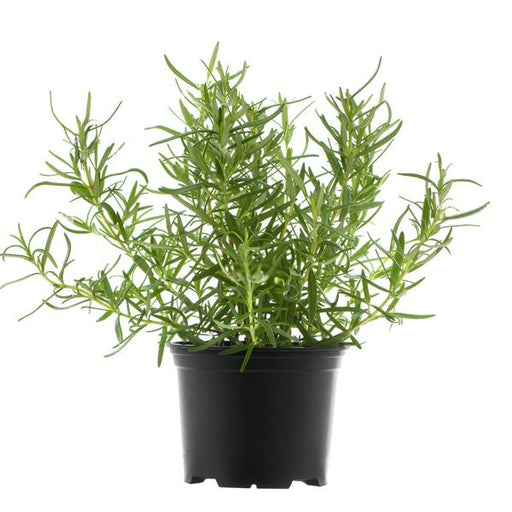
View full detailsRosemary - Plant Rosemary (Rosmarinus officinalis) is a fragrant evergreen herb native to the Mediterranean region. Known for its needle-like leav...
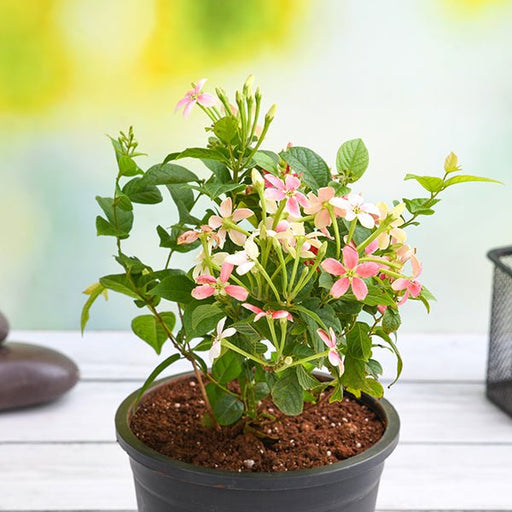
View full detailsMadhumalti Dwarf, Rangoon Creeper - Plant The Madhumalti Dwarf, also known as the Rangoon Creeper (Quisqualis indica), is a stunning perennial vin...
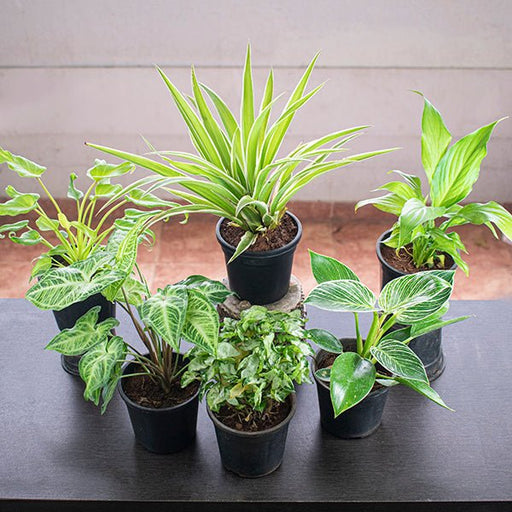
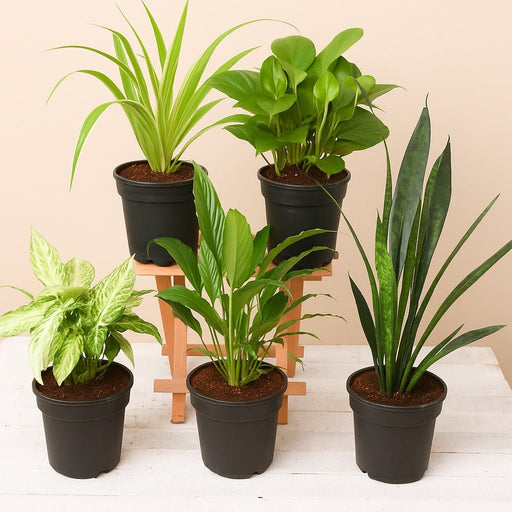
View full detailsBest 6 Plants for Perfect Indoor Garden Transform your living space into a lush oasis with our curated collection of the Best 6 Plants for a...
View full detailsBest 6 Plants for Perfect Indoor Garden Transform your living space into a lush oasis with our curated collection of the Best 6 Plants for a...
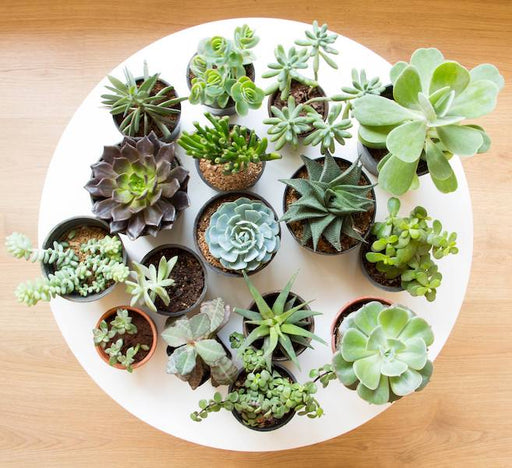
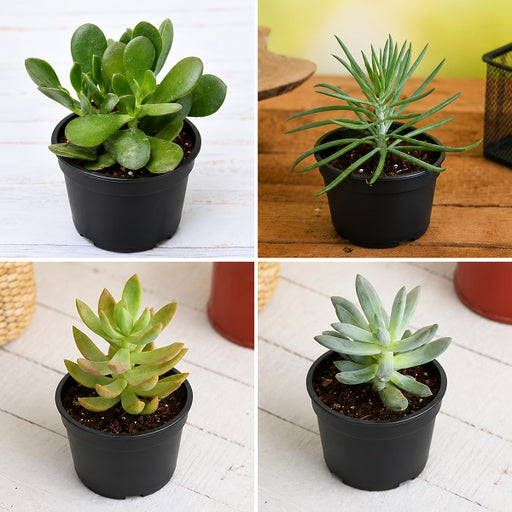
View full detailsMini Succulent Garden Pack Transform your space with our Mini Succulent Garden Pack, featuring a delightful collection of 4 any variety beautiful s...
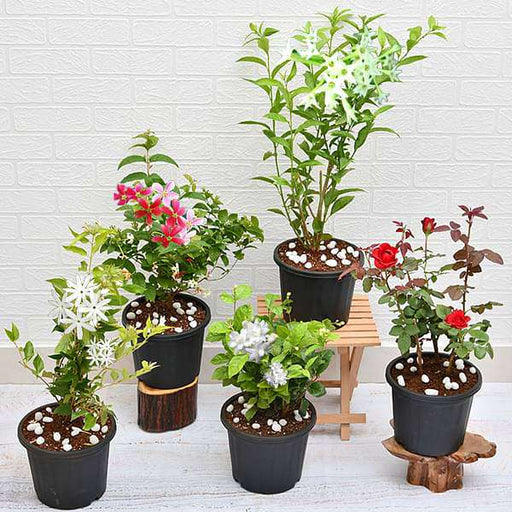
View full details5 Best Fragrant Plants Transform your garden or indoor space into a fragrant paradise with our curated selection of the 5 Best Fragrant Plants. Th...
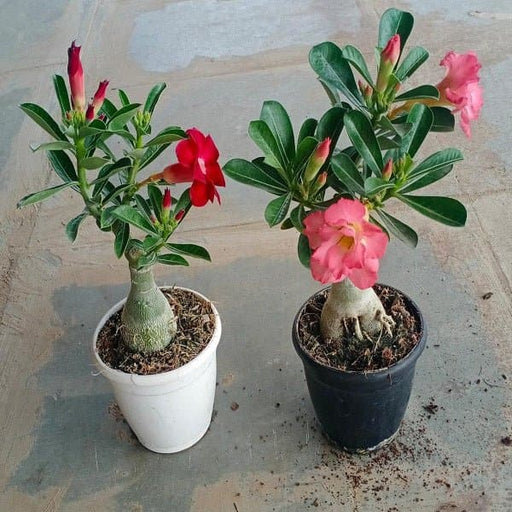
View full detailsSet of 2 Bonsai Looking Grafted Adeniums Transform your indoor or outdoor space with our exquisite Set of 2 Bonsai Looking Grafted Adenium...
View full detailsTop 4 Die Hard Succulents Pack Note: Plants included in this pack will be delivered in a 3-inch nursery pot (any color). Transform your indoor or ...
View full details5 Best Indoor Plants Pack Transform your living space into a lush oasis with our '5 Best Indoor Plants Pack.' This carefully curated collection fe...
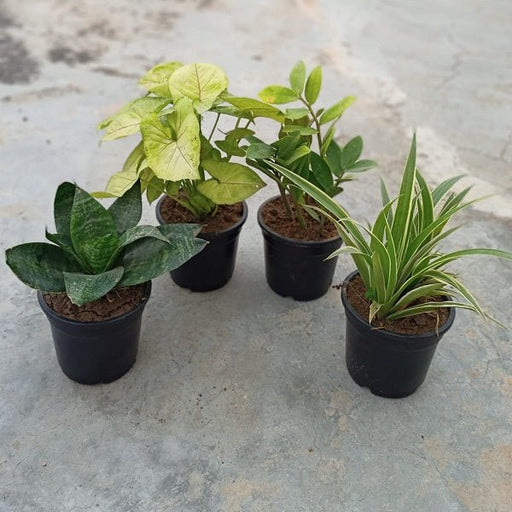
View full detailsSet of 4 Evergreen Air Purifier Plant Pack Transform your indoor space into a lush, green oasis with our Set of 4 Evergreen Air Purifier Pla...
View full detailsTop 5 Pollution Killer Plants Pack Transform your living space into a breath of fresh air with our 'Top 5 Pollution Killer Plants Pack'. This care...
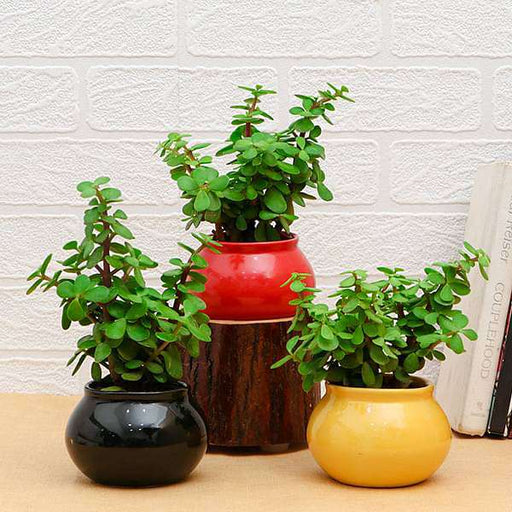
View full detailsPack of 3 Good Luck Jade Plants in Ceramic Pots Bring a touch of nature into your home with our Pack of 3 Good Luck Jade Plants, featuring...
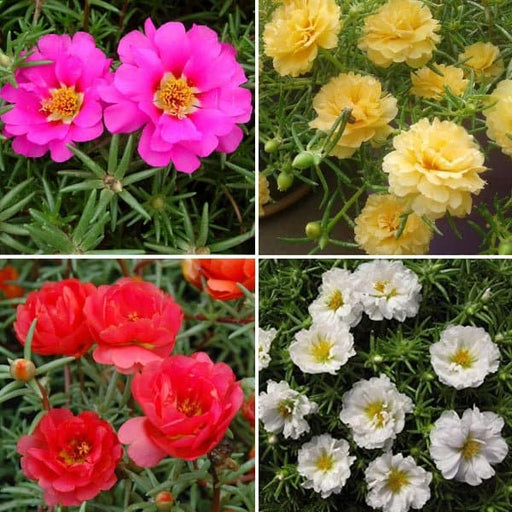
View full detailsPortulaca Garden Pack (4 Plants + 4 Black Pots) Note- You will get any color (Assorted) potted Porulaca plant with this pack. Transform your garde...
View full details





Leave a comment