
Expert Support
Available 24/7 via chat
Available 24/7 via chat
Welcome to growing Krishna Tulsi, the sacred black holy basil that has been revered in Indian homes and gardens for centuries. Whether you're a seasoned gardener or just starting your herbal journey, Krishna Tulsi is remarkably forgiving and rewards even beginners with abundant purple flowers year-round and leaves rich in medicinal properties. This guide walks you through everything you need to know to grow thriving Krishna Tulsi plants in Indian climates, from the scorching heat of summer to monsoon moisture.
Krishna Tulsi, also called Shyama Tulsi or black holy basil (Ocimum tenuiflorum), is a treasured perennial herb in Indian households. Unlike its green cousin, Krishna Tulsi's darker foliage and distinctive appearance make it a striking addition to any garden or balcony. It grows as a compact, bushy plant—typically reaching 12 inches at purchase but capable of growing up to 60 centimeters with proper care. The plant produces delicate purple flowers that bloom year-round, making it as beautiful as it is useful. Beyond its ornamental appeal, Krishna Tulsi is deeply rooted in Indian culture: it's a Vastu plant believed to bring positive energy to homes, a medicinal herb valued in Ayurveda, and a natural insect repellent that helps protect other plants in your garden.
| Aspect | Requirement |
|---|---|
| Light | Bright, natural light for 6-8 hours daily |
| Water | When topsoil (1-2 inches) feels dry to touch |
| Soil | Well-drained, fertile, rich in organic content |
| Temperature | Tolerates up to 35 degrees Celsius |
Krishna Tulsi thrives in bright, natural light and needs consistent illumination to produce vibrant foliage and flowers. Ideally, place your plant where it receives 6-8 hours of natural sunlight daily. A south or west-facing window is perfect, though in intense Indian summers, afternoon shade during peak heat (2-5 PM) can prevent leaf scorch. The plant adapts to balconies, terraces, and outdoor gardens equally well. If growing indoors, choose the brightest spot available—a north-facing window may result in slower growth and fewer flowers. Container-grown Krishna Tulsi also does well in outdoor spaces where it catches morning sun but is sheltered from harsh afternoon rays during summer months.
Krishna Tulsi prefers soil that stays evenly moist but never waterlogged. The simple test is your finger or a small stick: poke into the soil about 1-2 inches deep. When the topsoil feels dry to touch, it's time to water thoroughly until water drains from the base. During India's hot summers, this might mean daily watering; in monsoon, water less frequently to avoid root rot. In winter, watering needs drop significantly. Always water at the base of the plant to keep foliage dry and prevent fungal issues, especially during humid seasons. Use room-temperature water or rainwater when possible, as Krishna Tulsi is sensitive to hard water's mineral buildup—a concern for many Indian households. If using tap water with high mineral content, consider collecting rainwater or leaving water overnight to let chlorine dissipate.
Krishna Tulsi demands well-drained, fertile soil rich in organic content. A good potting mix for container growing combines equal parts garden soil, coconut coir, and compost or aged manure. Ensure the pot has drainage holes—this is non-negotiable, as waterlogging causes root rot. The organic matter in the soil feeds the plant gradually and improves water retention without causing stagnation.
Feed your Krishna Tulsi with organic fertilizer every 4-6 weeks during the growing season (spring through early autumn). Options include vermicompost, neem cake, or compost tea—all readily available in India. Avoid chemical fertilizers, which can diminish the plant's medicinal properties and may harm beneficial microbes in the soil.
Krishna Tulsi is a heat lover and tolerates temperatures up to 35 degrees Celsius, making it ideal for most Indian climates. In cooler regions, protect the plant from frost or bring container plants indoors during winter. High humidity during monsoon is generally fine, but ensure good air circulation to prevent fungal problems like powdery mildew. If you notice signs of mold or mildew on leaves during wet seasons, reduce watering frequency and increase spacing between plants for better airflow. The plant bounces back quickly from stress once conditions improve, showing the resilience that makes it so popular among Indian gardeners.
Krishna Tulsi is easiest to propagate from seeds, which germinate reliably in warm Indian weather. Sow seeds in seedling trays filled with moist coconut coir and keep in bright, warm conditions. Germination occurs in 7-10 days, and seedlings are ready to pot on within 3-4 weeks. Alternatively, take 4-6 inch stem cuttings from mature plants and root them in water or soil—they develop roots in 10-14 days. Propagation is best done during spring or early monsoon when plants are in active growth.
Krishna Tulsi is generally hardy, but watch for these issues:
Ready to grow your own? Shop Krishna Tulsi at Nurserylive →
Krishna Tulsi Plant, Holy Basil, Ocimum tenuiflorum (Black) - Plant The Krishna Tulsi Plant, also known as Holy Basil, is a revered herb i...
View full detailsCombo Constituents Includes the Parijat Tree (Night-Flowering Jasmine), a culturally significant plant with fragrant flowers. Description The Pari...
View full detailsDescription Raat Ki Rani (*Cestrum nocturnum*), also known as Night Blooming Jasmine, is a fragrant shrub native to the Caribbean and Central Ameri...
View full detailsJasminum sambac, Mogra, Arabian Jasmine - Plant Jasminum sambac, commonly known as Mogra or Arabian Jasmine, is a fragrant flowering plant...
View full detailsRajnigandha, Tuberose - Plant The Rajnigandha, scientifically known as Polianthes tuberosa, is a captivating perennial plant renowned for ...
View full detailsCitronella, Odomas - Plant The Citronella plant, scientifically known as Cymbopogon nardus, is a tropical grass renowned for its aromatic ...
View full detailsDamascus Rose, Scented Rose (Any Color) - Plant The Damascus Rose, also known as Rosa damascena, is a timeless symbol of beauty and romanc...
View full detailsMiniature Rose, Button Rose (Any Color) - Plant The Miniature Rose, also known as the Button Rose, is a charming and compact flowering plant that ...
View full detailsRosemary - Plant Rosemary (Rosmarinus officinalis) is a fragrant evergreen herb native to the Mediterranean region. Known for its needle-like leav...
View full detailsMadhumalti Dwarf, Rangoon Creeper - Plant The Madhumalti Dwarf, also known as the Rangoon Creeper (Quisqualis indica), is a stunning perennial vin...
View full detailsBest 6 Plants for Perfect Indoor Garden Transform your living space into a lush oasis with our curated collection of the Best 6 Plants for a...
View full detailsBest 6 Plants for Perfect Indoor Garden Transform your living space into a lush oasis with our curated collection of the Best 6 Plants for a...
View full detailsMini Succulent Garden Pack Transform your space with our Mini Succulent Garden Pack, featuring a delightful collection of 4 any variety beautiful s...
View full details5 Best Fragrant Plants Transform your garden or indoor space into a fragrant paradise with our curated selection of the 5 Best Fragrant Plants. Th...
View full detailsSet of 2 Bonsai Looking Grafted Adeniums Transform your indoor or outdoor space with our exquisite Set of 2 Bonsai Looking Grafted Adenium...
View full detailsTop 4 Die Hard Succulents Pack Note: Plants included in this pack will be delivered in a 3-inch nursery pot (any color). Transform your indoor or ...
View full details5 Best Indoor Plants Pack Transform your living space into a lush oasis with our '5 Best Indoor Plants Pack.' This carefully curated collection fe...
View full detailsSet of 4 Evergreen Air Purifier Plant Pack Transform your indoor space into a lush, green oasis with our Set of 4 Evergreen Air Purifier Pla...
View full detailsTop 5 Pollution Killer Plants Pack Transform your living space into a breath of fresh air with our 'Top 5 Pollution Killer Plants Pack'. This care...
View full detailsPack of 3 Good Luck Jade Plants in Ceramic Pots Bring a touch of nature into your home with our Pack of 3 Good Luck Jade Plants, featuring...
View full detailsPortulaca Garden Pack (4 Plants + 4 Black Pots) Note- You will get any color (Assorted) potted Porulaca plant with this pack. Transform your garde...
View full details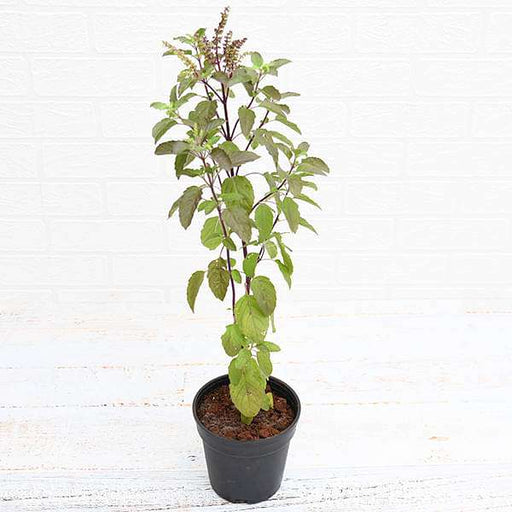























Leave a comment