
Expert Support
Available 24/7 via chat
Available 24/7 via chat
Krishna Kamal—the vibrant purple passion flower—is one of India's most rewarding climbing plants. Known locally as the Rakhi Flower and prized as a pollinator magnet, this easy-to-grow perennial thrives in containers or as a living screen. Whether you're gardening in Delhi's scorching summers or Kerala's humid tropics, this care guide will help you grow healthy, flowering Krishna Kamal plants that bloom abundantly year-round.
Krishna Kamal is the common Indian name for Passiflora incarnata, a purple passion flower that has become a beloved addition to Indian gardens. Supplied as a compact 12-inch (30 cm) plant with a 5-inch (13 cm) spread, it quickly grows into a vigorous climber reaching 2–4 meters in height. The plant earned its "Rakhi Flower" nickname because its intricately patterned purple blooms resemble the sacred thread's symbolic design.
This perennial is prized for attracting pollinators—bees, butterflies, and other insects flock to its distinctive flowers. It blooms seasonally: June to August in Northern India (Delhi, Himachal, parts of Rajasthan) and December to February in Southern India (Tamil Nadu, Karnataka, Kerala, Telangana). Its classification as an Easy-difficulty plant makes it ideal for beginners and busy gardeners alike.
| Aspect | Details |
|---|---|
| Light | Natural bright light with 3–6 hours morning sunlight |
| Water | 3 cups (~150 ml) when top 1–2 inches of soil feels dry |
| Soil | Well-drained, fertile, rich in organic matter |
| Temperature | 25–32°C (ideal range for growth) |
Krishna Kamal thrives in natural, bright light with 3–6 hours of morning sunlight daily. Morning light is crucial—it promotes flowering and keeps the plant compact and bushy. In Indian gardens, this means placing your plant where it receives gentle, filtered sunlight from 6 AM to 9 AM, especially in Northern India where summer heat peaks by 10 AM.
If you're growing Krishna Kamal in containers (highly recommended in cities with hot summers), place it on an east-facing balcony or veranda. Avoid harsh afternoon sun, particularly in April through June when temperatures exceed 38°C. In Southern India's more consistent climate, the plant can tolerate slightly longer bright periods without scorching. Insufficient light results in weak growth and sparse flowering—a common issue in shaded indoor spaces.
Water Krishna Kamal with approximately 3 cups (150 ml) each time the top 1–2 inches of soil feel dry to the touch. This is crucial: overwatering in India's monsoon season or in clay-heavy soils leads to root rot, the most common reason these plants fail.
Adjust your watering schedule seasonally:
Hard water tip for Indian gardeners: If your municipal water is high in mineral content (common in North India), collect and use rainwater for Krishna Kamal. Hard water can cause nutrient lockup and yellowing leaves over time.
Plant Krishna Kamal in well-drained, fertile soil rich in organic matter. A recommended mix is one part garden soil, one part cocopeat or peat moss, and one part compost or aged farmyard manure. This ensures water drains quickly while retaining nutrients and moisture.
Feed your plant with organic fertilizer once a month during the growing season, which in India runs from February through March (pre-summer growth phase). You can use neem cake-based organic fertilizers (pest control plus nutrition), vermicompost mixed into the top inch of soil, or organic liquid fertilizers diluted in water. Stop feeding during the intense summer heat and monsoon rains—the plant's metabolism slows, and excess nutrients can accumulate and burn roots in waterlogged soil.
Krishna Kamal's ideal temperature range is 25–32°C, which aligns perfectly with India's growing season from February to May and September to November. The plant tolerates the heat well, but extreme temperatures above 35°C can stress flowering. Provide afternoon shade and mulch the base to keep roots cooler during peak summer.
Humidity is not a limiting factor in most of India. The monsoon's 70–90% humidity suits Krishna Kamal excellently, provided you avoid stagnant air and waterlogging. In drier zones (North India in pre-monsoon season), mist the leaves lightly in the early morning to reduce spider mite infestations—a common dry-season pest.
Propagate Krishna Kamal from semi-hardwood cuttings taken in February or March (just before the active growing season). Select healthy stems 4–6 inches long, remove lower leaves, and dip the cut end in rooting hormone powder. Insert into moist cocopeat or perlite, keep in humid conditions (cover with a plastic bag), and roots typically develop in 3–4 weeks. Transplant to small pots once rooting is established. You can also propagate from seeds if available, though cuttings are faster and produce flowering plants within one season.
Yellowing leaves: Usually caused by overwatering, hard water, or nutrient deficiency. Check drainage, switch to rainwater, and apply organic fertilizer. Spider mites & mealybugs: Common in dry, hot periods. Spray affected plants with neem oil solution (5% neem oil in water) every 7 days until pests are gone. No flowering: Insufficient light is the primary cause. Ensure 3–6 hours of morning sunlight. Young plants may also take 6–8 weeks before producing flowers. Leggy or weak growth: Sign of low light or overcrowding. Prune back and move the plant to a brighter location. Root rot (waterlogging): If the plant wilts despite moist soil, stop watering, repot into fresh dry soil, and improve drainage.
Ready to grow your own? Shop Krishna Kamal at Nurserylive →
Krishna Kamal, Passion Flower, Passiflora incarnata (Purple) - Plant The Krishna Kamal, also known as the Purple Passion Flower, is a stunning per...
View full detailsCombo Constituents Includes the Parijat Tree (Night-Flowering Jasmine), a culturally significant plant with fragrant flowers. Description The Pari...
View full detailsDescription Raat Ki Rani (*Cestrum nocturnum*), also known as Night Blooming Jasmine, is a fragrant shrub native to the Caribbean and Central Ameri...
View full detailsJasminum sambac, Mogra, Arabian Jasmine - Plant Jasminum sambac, commonly known as Mogra or Arabian Jasmine, is a fragrant flowering plant...
View full detailsRajnigandha, Tuberose - Plant The Rajnigandha, scientifically known as Polianthes tuberosa, is a captivating perennial plant renowned for ...
View full detailsCitronella, Odomas - Plant The Citronella plant, scientifically known as Cymbopogon nardus, is a tropical grass renowned for its aromatic ...
View full detailsDamascus Rose, Scented Rose (Any Color) - Plant The Damascus Rose, also known as Rosa damascena, is a timeless symbol of beauty and romanc...
View full detailsMiniature Rose, Button Rose (Any Color) - Plant The Miniature Rose, also known as the Button Rose, is a charming and compact flowering plant that ...
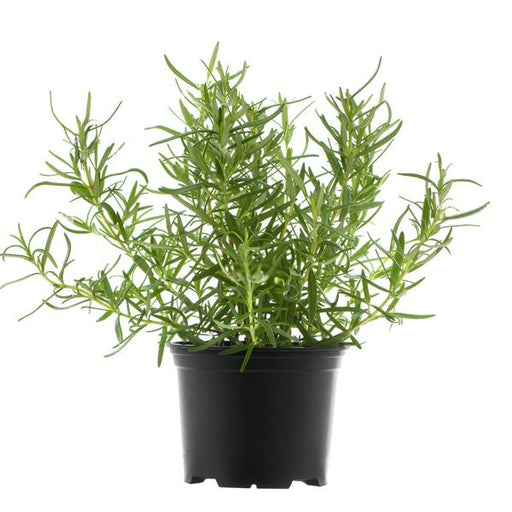
View full detailsRosemary - Plant Rosemary (Rosmarinus officinalis) is a fragrant evergreen herb native to the Mediterranean region. Known for its needle-like leav...
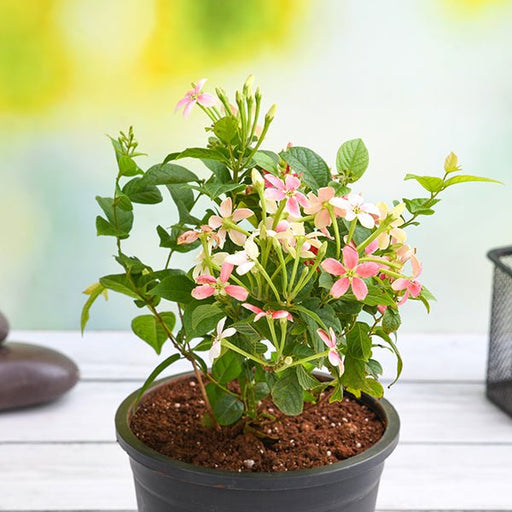
View full detailsMadhumalti Dwarf, Rangoon Creeper - Plant The Madhumalti Dwarf, also known as the Rangoon Creeper (Quisqualis indica), is a stunning perennial vin...
View full detailsBest 6 Plants for Perfect Indoor Garden Transform your living space into a lush oasis with our curated collection of the Best 6 Plants for a...
View full detailsBest 6 Plants for Perfect Indoor Garden Transform your living space into a lush oasis with our curated collection of the Best 6 Plants for a...
View full detailsMini Succulent Garden Pack Transform your space with our Mini Succulent Garden Pack, featuring a delightful collection of 4 any variety beautiful s...
View full details5 Best Fragrant Plants Transform your garden or indoor space into a fragrant paradise with our curated selection of the 5 Best Fragrant Plants. Th...
View full detailsSet of 2 Bonsai Looking Grafted Adeniums Transform your indoor or outdoor space with our exquisite Set of 2 Bonsai Looking Grafted Adenium...
View full detailsTop 4 Die Hard Succulents Pack Note: Plants included in this pack will be delivered in a 3-inch nursery pot (any color). Transform your indoor or ...
View full details5 Best Indoor Plants Pack Transform your living space into a lush oasis with our '5 Best Indoor Plants Pack.' This carefully curated collection fe...
View full detailsSet of 4 Evergreen Air Purifier Plant Pack Transform your indoor space into a lush, green oasis with our Set of 4 Evergreen Air Purifier Pla...
View full detailsTop 5 Pollution Killer Plants Pack Transform your living space into a breath of fresh air with our 'Top 5 Pollution Killer Plants Pack'. This care...
View full detailsPack of 3 Good Luck Jade Plants in Ceramic Pots Bring a touch of nature into your home with our Pack of 3 Good Luck Jade Plants, featuring...
View full detailsPortulaca Garden Pack (4 Plants + 4 Black Pots) Note- You will get any color (Assorted) potted Porulaca plant with this pack. Transform your garde...
View full details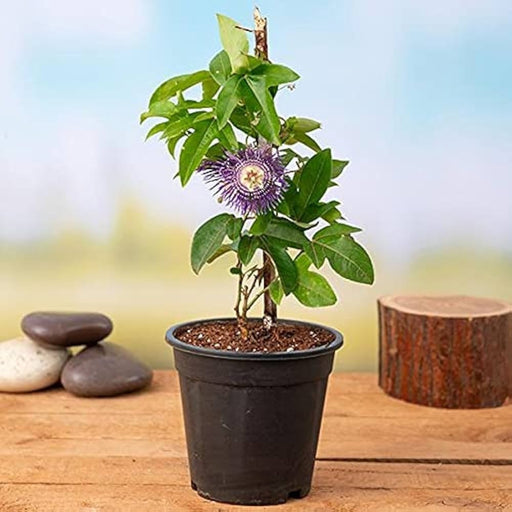





















Leave a comment