
Expert Support
Available 24/7 via chat
Available 24/7 via chat
If you're looking for an herb that combines culinary charm with medicinal benefits, Kapoor Tulsi is your answer. This aromatic, easy-to-grow plant—also known as Holy Basil or Ocimum kilimandscharicum—is a staple in Indian kitchens and traditional wellness practices. Whether you're a seasoned gardener or a beginner, growing Kapoor Tulsi in pots or garden beds is straightforward, and the plant rewards you with fresh, flavorful leaves throughout the year.
Kapoor Tulsi is a compact, perennial herb native to the tropics and perfectly suited to India's climate. Our nursery delivers young plants at 7 inches tall with a 5-inch spread, but with proper care, they can grow up to 3 feet tall. The plant produces delicate purple flowers between September and March, adding visual appeal to your garden. The strong, aromatic foliage is packed with compounds that have been used in traditional wellness routines for centuries, making Kapoor Tulsi both a practical and meaningful addition to your home.
| Care Aspect | Details |
|---|---|
| Light | Full sun; tolerates partial shade; minimum 4 hours daily |
| Water | Medium; allow soil to dry slightly between waterings |
| Soil | Loamy, fertile, well-draining |
| Temperature | 18–30°C (ideal for Indian climate) |
Kapoor Tulsi loves sunlight and performs best in full sun conditions. Ideally, provide at least 4 hours of direct sunlight daily. If you're gardening in regions with intense summer heat (like central or northern India), the plant can tolerate partial afternoon shade to prevent leaf scorch during peak heat months (May–June). In monsoon-prone areas, ensure good air circulation around the plant to prevent fungal issues in high humidity.
This herb prefers medium watering. Water deeply when the top inch of soil feels dry to the touch, but avoid waterlogging, as it can lead to root rot. During the monsoon, reduce watering frequency since rainfall will supplement moisture. In dry seasons (March–May and November–December), increase watering slightly. Always water at the soil level rather than on the foliage to minimize disease risk. If you're using hard water (common in many parts of India), let it sit for a few hours before using it on your plants.
Kapoor Tulsi thrives in loamy, fertile soil with excellent drainage. If your garden soil is heavy clay, amend it with compost, perlite, or aged coco-peat to improve drainage. For potted plants, use a quality potting mix enriched with organic compost. Feed your plants with organic fertilizer or balanced liquid fertilizer once every two weeks during the growing season (June–February). This consistent feeding promotes lush leaf growth and robust plant structure.
The ideal temperature range for Kapoor Tulsi is 18–30°C, which aligns perfectly with India's temperate and warm zones. The plant tolerates India's tropical heat well, though in extreme summer months, afternoon shade becomes beneficial. High humidity during the monsoon is acceptable as long as air circulation is good. In very humid conditions, water less frequently and avoid wetting the leaves to reduce fungal problems. If growing indoors with air conditioning, ensure the plant is near a window for adequate light.
Propagating Kapoor Tulsi is simple and rewarding. You can grow new plants from seeds or stem cuttings. For stem cuttings: take 4–6 inch cuttings from healthy, young growth, remove the lower leaves, and place them in moist potting soil or water. Roots typically develop within 2–3 weeks. For seeds: sow them directly in seed-starting mix, keep soil consistently moist, and expect germination in 7–10 days. Young seedlings or rooted cuttings can be planted into individual pots after 3–4 weeks.
Kapoor Tulsi is remarkably hardy, but watch for these common issues:
Harvest leaves regularly by pinching off the top 2–3 inches of stems. This encourages bushier growth and prevents the plant from becoming too tall or woody. Fresh Kapoor Tulsi leaves are best used within a day of harvest for maximum aroma and benefit. You can also dry leaves for later use—spread them on a clean cloth in a shaded, well-ventilated area for 5–7 days. Because Kapoor Tulsi is a perennial in India's climate, you can enjoy harvests year after year. Refresh the soil with organic compost annually to maintain plant vigor.
Ready to grow your own? Shop Kapoor Tulsi at Nurserylive →
Kapoor Tulsi Plant, Blue Basil, Ocimum kilimandscharicum (Green) The Kapoor Tulsi Plant, also known as Blue Basil, is a revered herb in tr...
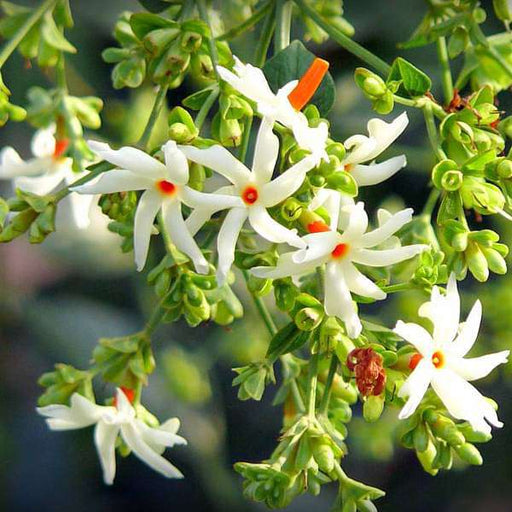
View full detailsCombo Constituents Includes the Parijat Tree (Night-Flowering Jasmine), a culturally significant plant with fragrant flowers. Description The Pari...
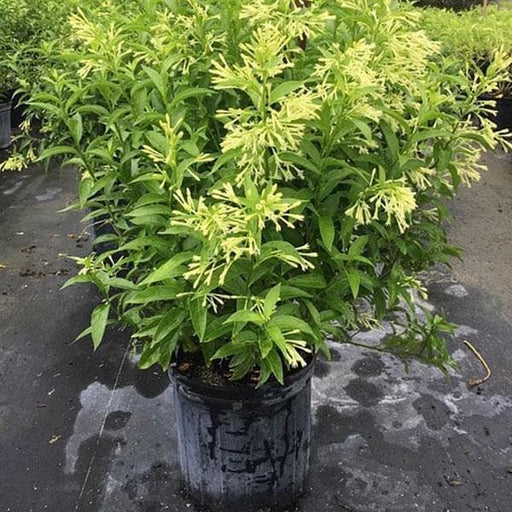
View full detailsDescription Raat Ki Rani (*Cestrum nocturnum*), also known as Night Blooming Jasmine, is a fragrant shrub native to the Caribbean and Central Ameri...
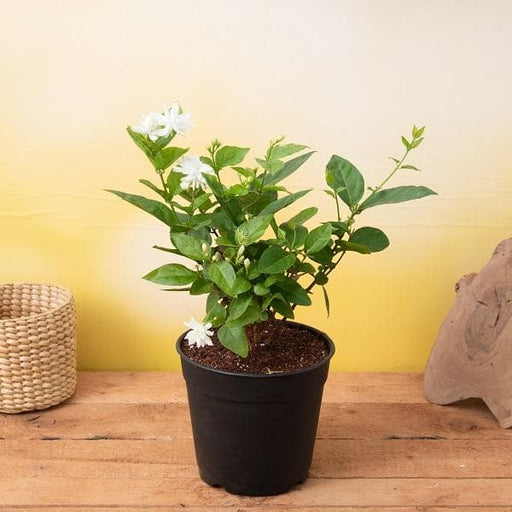
View full detailsJasminum sambac, Mogra, Arabian Jasmine - Plant Jasminum sambac, commonly known as Mogra or Arabian Jasmine, is a fragrant flowering plant...
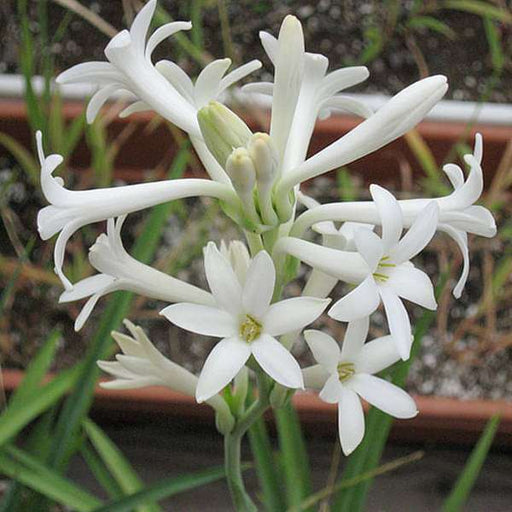
View full detailsRajnigandha, Tuberose - Plant The Rajnigandha, scientifically known as Polianthes tuberosa, is a captivating perennial plant renowned for ...
View full detailsCitronella, Odomas - Plant The Citronella plant, scientifically known as Cymbopogon nardus, is a tropical grass renowned for its aromatic ...
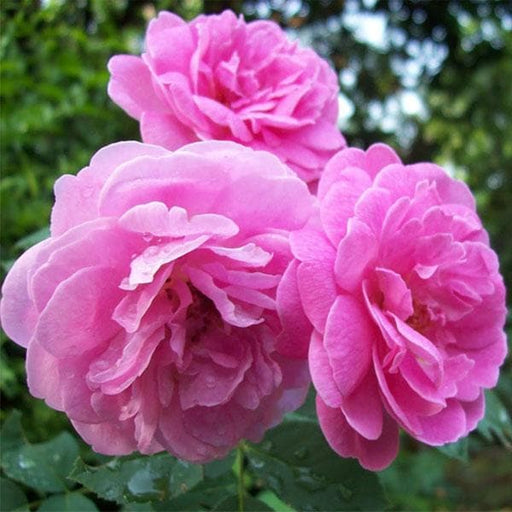
View full detailsDamascus Rose, Scented Rose (Any Color) - Plant The Damascus Rose, also known as Rosa damascena, is a timeless symbol of beauty and romanc...
View full detailsMiniature Rose, Button Rose (Any Color) - Plant The Miniature Rose, also known as the Button Rose, is a charming and compact flowering plant that ...
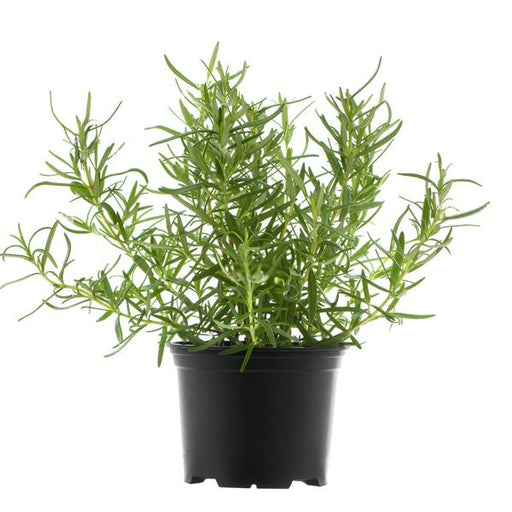
View full detailsRosemary - Plant Rosemary (Rosmarinus officinalis) is a fragrant evergreen herb native to the Mediterranean region. Known for its needle-like leav...
View full detailsMadhumalti Dwarf, Rangoon Creeper - Plant The Madhumalti Dwarf, also known as the Rangoon Creeper (Quisqualis indica), is a stunning perennial vin...
View full detailsBest 6 Plants for Perfect Indoor Garden Transform your living space into a lush oasis with our curated collection of the Best 6 Plants for a...
View full detailsBest 6 Plants for Perfect Indoor Garden Transform your living space into a lush oasis with our curated collection of the Best 6 Plants for a...
View full detailsMini Succulent Garden Pack Transform your space with our Mini Succulent Garden Pack, featuring a delightful collection of 4 any variety beautiful s...
View full details5 Best Fragrant Plants Transform your garden or indoor space into a fragrant paradise with our curated selection of the 5 Best Fragrant Plants. Th...
View full detailsSet of 2 Bonsai Looking Grafted Adeniums Transform your indoor or outdoor space with our exquisite Set of 2 Bonsai Looking Grafted Adenium...
View full detailsTop 4 Die Hard Succulents Pack Note: Plants included in this pack will be delivered in a 3-inch nursery pot (any color). Transform your indoor or ...
View full details5 Best Indoor Plants Pack Transform your living space into a lush oasis with our '5 Best Indoor Plants Pack.' This carefully curated collection fe...
View full detailsSet of 4 Evergreen Air Purifier Plant Pack Transform your indoor space into a lush, green oasis with our Set of 4 Evergreen Air Purifier Pla...
View full detailsTop 5 Pollution Killer Plants Pack Transform your living space into a breath of fresh air with our 'Top 5 Pollution Killer Plants Pack'. This care...
View full detailsPack of 3 Good Luck Jade Plants in Ceramic Pots Bring a touch of nature into your home with our Pack of 3 Good Luck Jade Plants, featuring...
View full detailsPortulaca Garden Pack (4 Plants + 4 Black Pots) Note- You will get any color (Assorted) potted Porulaca plant with this pack. Transform your garde...
View full details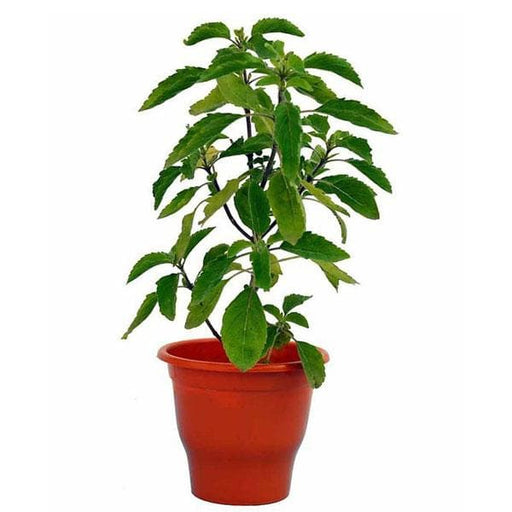















Leave a comment