
Expert Support
Available 24/7 via chat
Available 24/7 via chat
Kaner, scientifically known as Nerium Oleander, is one of India's most cherished flowering shrubs. Whether you're gardening in a scorching Delhi summer, a humid Mumbai monsoon, or the dry Rajasthan heat, Kaner thrives where many plants struggle. With its elegant flowers blooming from April through September and virtually no fussy demands, it's the perfect choice for both seasoned gardeners and beginners. Available in multiple colors—from classic pink to white, red, and yellow—a flowering Kaner is guaranteed to brighten your garden and attract attention.
Kaner is a flowering shrub native to the Mediterranean region but perfectly adapted to Indian climates. In India, it has earned its place as a garden staple because of its heat tolerance, ease of care, and prolific flowering. The plant typically reaches up to 3 meters in height, making it ideal as a medium-sized hedge, border plant, or even a standalone specimen in larger gardens. What makes Kaner especially popular is its flexibility—it grows beautifully in garden beds and adapts equally well to large pots, perfect for balconies, terraces, and container gardens. It is equally at home in Bangalore's moderate heat or the scorching temperatures of interior India.
| Care Aspect | Requirement |
|---|---|
| Light | Full sun to part shade |
| Water | Moderate watering |
| Soil | Sandy soil |
| Temperature | 25–35°C (optimal range) |
Kaner is a sun-lover and performs best in full sunlight. In Indian gardens, this means placing your plant where it receives at least 5–6 hours of direct sunlight daily. Full sun exposure encourages denser foliage and more abundant flowering throughout the season. However, Kaner is also forgiving—it can tolerate part shade, which is especially useful in regions with intense afternoon heat. In cities like Bangalore or Pune, where summers are less extreme, afternoon shade can actually help prevent leaf scorching. Container-grown Kaners on balconies should be positioned to catch morning and mid-day sun while being protected from harsh late-afternoon rays during peak summer months. Plants grown in 3–4 hours of light will flower, but blooming will be less profuse than those in full sun.
One of Kaner's greatest strengths is its drought tolerance. Water moderately—this means allowing the soil to dry slightly between waterings rather than keeping it constantly moist. During the growing season (April–September), water once or twice weekly, depending on rainfall and temperature. In the monsoon months, reduce watering frequency significantly since natural rainfall will supplement soil moisture. Overwatering is far more dangerous than underwatering for Kaners and can lead to root rot. If you're in regions with hard water, you may notice mineral deposits on leaves; rinse them occasionally with collected rainwater if possible. During winter (November–February), when the plant's growth slows, water sparingly—once every 10–14 days is usually sufficient. Always check soil moisture by inserting your finger 2 inches into the soil; if it feels dry, water; if moist, wait another day or two.
Kaner thrives in sandy, well-draining soil. Poor drainage is one of the few things that can actually harm this resilient plant. If your garden soil is heavy clay, amend it generously with sand, coarse river sand, and organic compost before planting. For container-grown plants, use a potting mix with a 1:1:1 ratio of garden soil, sand, and compost. This ensures water drains quickly, preventing waterlogging. During the growing season (April–September), fertilize regularly to support continuous flowering. A balanced, all-purpose fertilizer (like 10-10-10) applied every 2–3 weeks is ideal. Alternatively, use a flowering plant fertilizer slightly higher in phosphorus (the middle number), which encourages blooms. Apply organic fertilizers like neem cake or bone meal at the start of the growing season for sustained nutrition. Stop fertilizing during winter dormancy.
Kaner is built for India's climate. The ideal temperature range is 25–35°C, which covers most of India's warm months. The plant actually loves heat and rarely struggles with high temperatures, even in regions like Rajasthan or interior Andhra Pradesh. What it doesn't tolerate well is extreme cold; in regions where temperatures drop below 10°C (like northern India in winter), grow Kaner as a seasonal shrub or move container plants indoors or to a sheltered location. Humidity is not a concern—Kaner adapts to both dry and humid climates. However, in high-humidity monsoon regions, ensure good air circulation around the plant to prevent fungal issues by spacing plants well and pruning lower branches.
Propagating Kaner is straightforward. The easiest method is cuttings. Take 6–8 inch cuttings from healthy stems during spring (March–April). Remove lower leaves, dip the cut end in rooting hormone, and plant in a 50:50 mix of sand and compost. Keep the medium moist and place in bright, indirect light. Roots typically develop in 4–6 weeks. Once rooted, gradually transition the new plant to a sunnier location and follow standard care practices. Seeds are another option but less reliable for getting desired flower colors; if you want a specific color, always choose a cutting from the parent plant you want to replicate.
Kaner is remarkably pest and disease-resistant. The most common issues are overwatering (causes root rot), insufficient light (leads to sparse flowering), and yellow leaves (often a sign of waterlogging or nutrient deficiency). Scale insects occasionally appear; spray with neem oil if noticed. In rare cases, leaf spots may develop in very humid monsoon weather; improve air circulation and avoid wetting leaves during watering. Yellowing lower leaves are normal as the plant matures; simply prune them away. If flowering is sparse despite adequate light, check that you're fertilizing regularly during the growing season.
Ready to grow your own? Shop Kaner at Nurserylive →
Kaner, Nerium Oleander (Any Color) - Plant The Kaner, or Nerium Oleander, is a stunning ornamental shrub known for its vibrant flowers tha...
View full detailsCombo Constituents Includes the Parijat Tree (Night-Flowering Jasmine), a culturally significant plant with fragrant flowers. Description The Pari...
View full detailsDescription Raat Ki Rani (*Cestrum nocturnum*), also known as Night Blooming Jasmine, is a fragrant shrub native to the Caribbean and Central Ameri...
View full detailsJasminum sambac, Mogra, Arabian Jasmine - Plant Jasminum sambac, commonly known as Mogra or Arabian Jasmine, is a fragrant flowering plant...
View full detailsRajnigandha, Tuberose - Plant The Rajnigandha, scientifically known as Polianthes tuberosa, is a captivating perennial plant renowned for ...
View full detailsCitronella, Odomas - Plant The Citronella plant, scientifically known as Cymbopogon nardus, is a tropical grass renowned for its aromatic ...
View full detailsDamascus Rose, Scented Rose (Any Color) - Plant The Damascus Rose, also known as Rosa damascena, is a timeless symbol of beauty and romanc...
View full detailsMiniature Rose, Button Rose (Any Color) - Plant The Miniature Rose, also known as the Button Rose, is a charming and compact flowering plant that ...
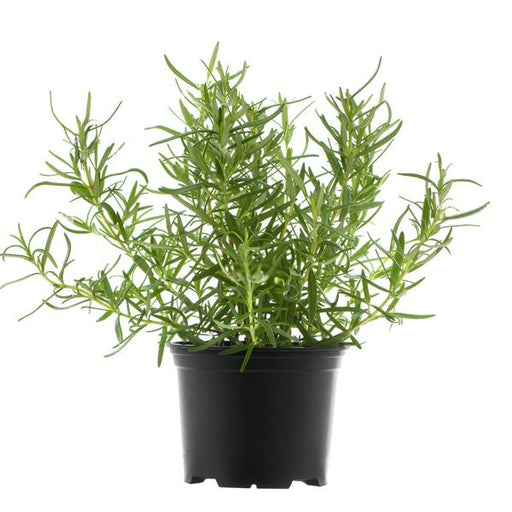
View full detailsRosemary - Plant Rosemary (Rosmarinus officinalis) is a fragrant evergreen herb native to the Mediterranean region. Known for its needle-like leav...
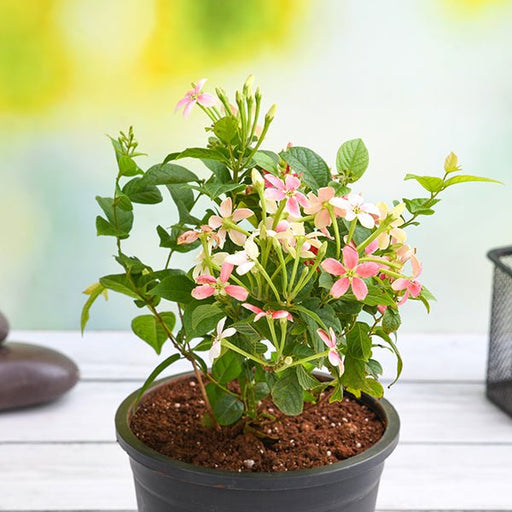
View full detailsMadhumalti Dwarf, Rangoon Creeper - Plant The Madhumalti Dwarf, also known as the Rangoon Creeper (Quisqualis indica), is a stunning perennial vin...
View full detailsBest 6 Plants for Perfect Indoor Garden Transform your living space into a lush oasis with our curated collection of the Best 6 Plants for a...
View full detailsBest 6 Plants for Perfect Indoor Garden Transform your living space into a lush oasis with our curated collection of the Best 6 Plants for a...
View full detailsMini Succulent Garden Pack Transform your space with our Mini Succulent Garden Pack, featuring a delightful collection of 4 any variety beautiful s...
View full details5 Best Fragrant Plants Transform your garden or indoor space into a fragrant paradise with our curated selection of the 5 Best Fragrant Plants. Th...
View full detailsSet of 2 Bonsai Looking Grafted Adeniums Transform your indoor or outdoor space with our exquisite Set of 2 Bonsai Looking Grafted Adenium...
View full detailsTop 4 Die Hard Succulents Pack Note: Plants included in this pack will be delivered in a 3-inch nursery pot (any color). Transform your indoor or ...
View full details5 Best Indoor Plants Pack Transform your living space into a lush oasis with our '5 Best Indoor Plants Pack.' This carefully curated collection fe...
View full detailsSet of 4 Evergreen Air Purifier Plant Pack Transform your indoor space into a lush, green oasis with our Set of 4 Evergreen Air Purifier Pla...
View full detailsTop 5 Pollution Killer Plants Pack Transform your living space into a breath of fresh air with our 'Top 5 Pollution Killer Plants Pack'. This care...
View full detailsPack of 3 Good Luck Jade Plants in Ceramic Pots Bring a touch of nature into your home with our Pack of 3 Good Luck Jade Plants, featuring...
View full detailsPortulaca Garden Pack (4 Plants + 4 Black Pots) Note- You will get any color (Assorted) potted Porulaca plant with this pack. Transform your garde...
View full details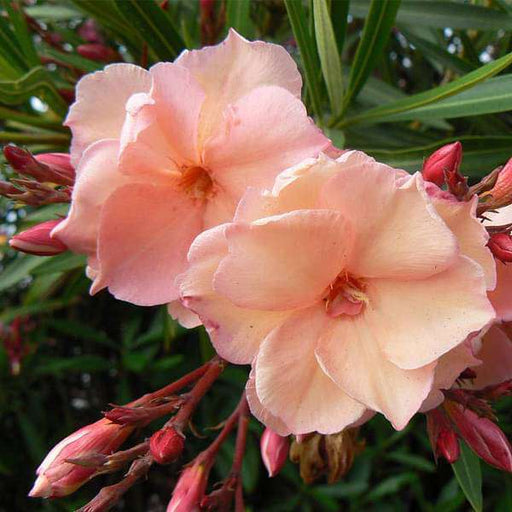




















Leave a comment