
Expert Support
Available 24/7 via chat
Available 24/7 via chat
Kamini, known as Orange Jessamine or kunti in India, is a garden favourite among plant enthusiasts for its exquisite fragrant white flowers that bloom year-round. This easy-to-maintain aromatic shrub transforms any Indian garden into a fragrant paradise, especially in the evening when its flowers release their intoxicating scent. Whether you're looking to create a flowering hedge, add height to your garden border, or simply enjoy a low-maintenance decorative plant, Kamini is the perfect choice for beginners and experienced gardeners alike.
Kamini (Murraya paniculata), commonly called Orange Jessamine or kunti, is a perennial evergreen shrub that can eventually reach heights of 8 to 12 feet when given ideal growing conditions. Despite its imposing final size, it starts modestly at 20 inches (51 cm) in height when purchased from a nursery, making it easy to accommodate in various garden spaces. The plant is valued for its intensely fragrant white flowers that appear in seasonal cycles throughout the year, with especially prolific flowering during warmer months.
This hardy shrub is perfect for creating living hedges, screening unwanted views, or standing as a striking focal point in your garden. Its dense foliage and year-round flowering capability make it a favourite among Indian gardeners who appreciate both aesthetic and aromatic qualities. Kamini's easy-to-grow nature means even beginner gardeners can succeed with minimal experience.
| Care Aspect | Requirement |
|---|---|
| Light | Full sun to part shade |
| Watering | Medium (consistent moisture) |
| Soil | Well-drained soil |
| Temperature | 20 to 22°C |
Kamini thrives best in full sun to part shade conditions. In Indian gardens, this means placing your plant where it receives at least 4–6 hours of direct sunlight daily. However, during peak summer months (April to June), particularly in regions that experience extreme heat, providing afternoon shade can prevent leaf scorch and excessive water stress.
If you're growing Kamini in coastal areas or regions with high humidity, full sun exposure encourages more prolific flowering and stronger plant structure. For balcony gardens or spaces with limited light, the plant's tolerance for part shade makes it a versatile choice. Remember that more sunlight generally translates to more abundant flowers, so position your plant accordingly. Even 3–4 hours of daily sunlight will sustain the plant, though flowering may be less profuse.
Kamini requires medium watering, which means keeping the soil consistently moist but not waterlogged. During the growing season (spring and summer), water your plant when the top inch of soil feels dry to touch. This typically means watering 2–3 times per week in warm weather, though frequency varies based on your local climate and soil type.
During the monsoon season in India, significantly reduce watering frequency as rainfall provides natural moisture. Ensure drainage is excellent to prevent root rot, which is a common problem in high-rainfall regions. In winter, reduce watering further since the plant's growth slows and water requirements decrease. Hard water, common in many parts of India, is generally tolerated by Kamini, though using collected rainwater occasionally can benefit the plant by reducing salt accumulation in the soil.
Kamini flourishes in well-drained soil that's rich in organic matter. A mix containing garden soil, compost, and perlite or coarse sand (in a 2:1:0.5 ratio) provides the ideal growing medium. Good drainage is non-negotiable, as waterlogged soil leads to root diseases, particularly in monsoon-prone regions of India.
Feed your Kamini with organic fertilizer throughout the growing season (March to September). Apply any organic fertilizer, such as compost or well-rotted manure, around the base of the plant every 2–3 months. This slow-release feeding supports steady growth and encourages abundant flowering. Avoid synthetic fertilizers that might create excessive salt buildup, especially in areas with already-hard water. During the dormant season (October to February), reduce or eliminate feeding to allow the plant natural rest.
Kamini prefers temperatures between 20 to 22°C for optimal growth, though it adapts well to India's varied climates. The plant is sensitive to frost and should be protected in regions where temperatures drop below 15°C. Most Indian gardens, except at very high altitudes, provide suitable conditions year-round, making Kamini an ideal choice for nearly every region.
The plant appreciates moderate humidity levels and actually benefits from occasional misting during dry seasons. In extremely arid regions, maintaining consistent moisture in the soil helps compensate for low atmospheric humidity. During the hot, dry pre-monsoon months, mulching around the plant base with dried leaves or coconut husk helps retain soil moisture and keeps roots cooler during temperature spikes.
Kamini can be propagated from semi-hardwood cuttings taken during the growing season (March to May). Collect 4–6 inch cuttings from healthy, disease-free stems, remove lower leaves, and place them in a well-draining rooting medium such as a mix of coconut coir and perlite. Maintain high humidity around the cuttings and keep the medium consistently moist until roots develop, which typically takes 3–4 weeks.
Seeds are an alternative propagation method, though cuttings typically produce flowering plants more quickly. If using seeds, soak them in warm water for a few hours before sowing in a seed-starting mix. Germination can take 2–3 weeks. Whichever method you choose, providing bottom heat using a heat mat accelerates root development, particularly during cooler months.
Pests: Mealybugs and spider mites are occasional pests on Kamini plants in Indian gardens, particularly in warm seasons. Spray affected plants with neem oil or insecticidal soap, repeating every 2 weeks if necessary until the infestation clears.
Yellowing Leaves: Often caused by overwatering or poor drainage. Check soil moisture and adjust your watering schedule accordingly. Ensure the pot or planting site has adequate drainage holes.
Poor Flowering: Insufficient sunlight is the primary cause. Ensure your plant receives adequate light and consider moving it to a sunnier location. Flowering also improves with consistent organic feeding during the growing season.
Fungal Issues: High humidity combined with poor air circulation can encourage fungal diseases, especially during the monsoon. Improve air circulation and reduce leaf wetness by watering at the base rather than overhead. Remove affected leaves promptly.
Ready to grow your own? Shop Kamini at Nurserylive →
Kamini - Plant The Kamini plant, scientifically known as Tabernaemontana divaricata, is a stunning evergreen shrub native to tropical regi...
View full detailsCombo Constituents Includes the Parijat Tree (Night-Flowering Jasmine), a culturally significant plant with fragrant flowers. Description The Pari...
View full detailsDescription Raat Ki Rani (*Cestrum nocturnum*), also known as Night Blooming Jasmine, is a fragrant shrub native to the Caribbean and Central Ameri...
View full detailsJasminum sambac, Mogra, Arabian Jasmine - Plant Jasminum sambac, commonly known as Mogra or Arabian Jasmine, is a fragrant flowering plant...
View full detailsRajnigandha, Tuberose - Plant The Rajnigandha, scientifically known as Polianthes tuberosa, is a captivating perennial plant renowned for ...
View full detailsCitronella, Odomas - Plant The Citronella plant, scientifically known as Cymbopogon nardus, is a tropical grass renowned for its aromatic ...
View full detailsDamascus Rose, Scented Rose (Any Color) - Plant The Damascus Rose, also known as Rosa damascena, is a timeless symbol of beauty and romanc...
View full detailsMiniature Rose, Button Rose (Any Color) - Plant The Miniature Rose, also known as the Button Rose, is a charming and compact flowering plant that ...
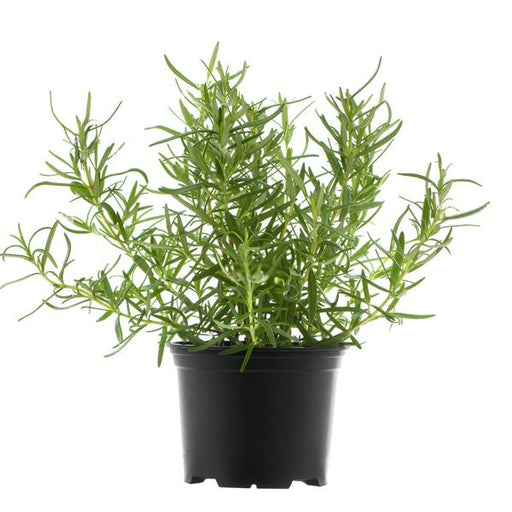
View full detailsRosemary - Plant Rosemary (Rosmarinus officinalis) is a fragrant evergreen herb native to the Mediterranean region. Known for its needle-like leav...
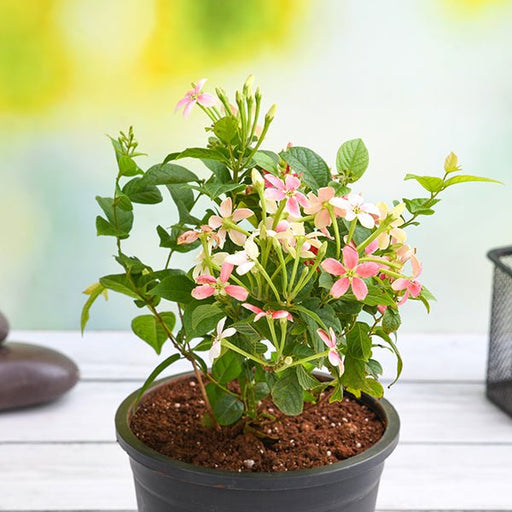
View full detailsMadhumalti Dwarf, Rangoon Creeper - Plant The Madhumalti Dwarf, also known as the Rangoon Creeper (Quisqualis indica), is a stunning perennial vin...
View full detailsBest 6 Plants for Perfect Indoor Garden Transform your living space into a lush oasis with our curated collection of the Best 6 Plants for a...
View full detailsBest 6 Plants for Perfect Indoor Garden Transform your living space into a lush oasis with our curated collection of the Best 6 Plants for a...
View full detailsMini Succulent Garden Pack Transform your space with our Mini Succulent Garden Pack, featuring a delightful collection of 4 any variety beautiful s...
View full details5 Best Fragrant Plants Transform your garden or indoor space into a fragrant paradise with our curated selection of the 5 Best Fragrant Plants. Th...
View full detailsSet of 2 Bonsai Looking Grafted Adeniums Transform your indoor or outdoor space with our exquisite Set of 2 Bonsai Looking Grafted Adenium...
View full detailsTop 4 Die Hard Succulents Pack Note: Plants included in this pack will be delivered in a 3-inch nursery pot (any color). Transform your indoor or ...
View full details5 Best Indoor Plants Pack Transform your living space into a lush oasis with our '5 Best Indoor Plants Pack.' This carefully curated collection fe...
View full detailsSet of 4 Evergreen Air Purifier Plant Pack Transform your indoor space into a lush, green oasis with our Set of 4 Evergreen Air Purifier Pla...
View full detailsTop 5 Pollution Killer Plants Pack Transform your living space into a breath of fresh air with our 'Top 5 Pollution Killer Plants Pack'. This care...
View full detailsPack of 3 Good Luck Jade Plants in Ceramic Pots Bring a touch of nature into your home with our Pack of 3 Good Luck Jade Plants, featuring...
View full detailsPortulaca Garden Pack (4 Plants + 4 Black Pots) Note- You will get any color (Assorted) potted Porulaca plant with this pack. Transform your garde...
View full details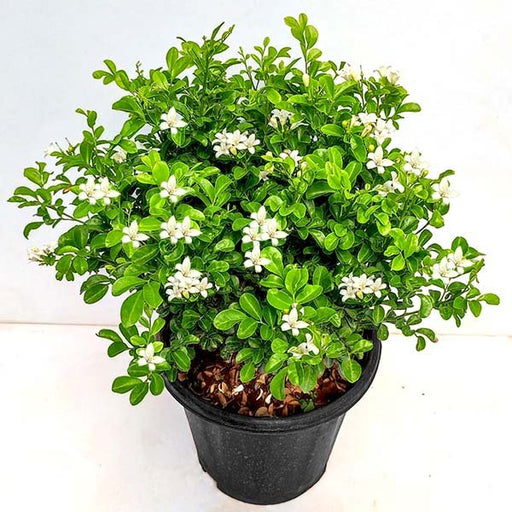





















Leave a comment