
Expert Support
Available 24/7 via chat
Available 24/7 via chat
If you're looking for a plant that asks little and gives generously, Kalanchoe—locally known as Basket of Gold—is your answer. This striking succulent is especially beloved by Indian gardeners for its low maintenance nature, vibrant red flowers that bloom through winter, and remarkable ability to survive our hot, dry summers. Whether you're a seasoned plant parent or a complete beginner, Kalanchoe fits perfectly into busy Indian households and apartment balconies where consistent care isn't always possible.
Kalanchoe is a succulent plant that arrives at your doorstep as a compact 12-inch (30 cm) tall specimen with a 6-inch spread, making it ideal for balconies, windowsills, and small spaces. Given proper care, it can eventually reach 3 to 5 feet in height, becoming a dramatic focal point over time. The plant produces rich, clustered red flowers during the winter season—a quality that makes it especially valuable when most other flowering plants are dormant. Its thick, fleshy leaves store water, which is why it tolerates neglect far better than leafy houseplants.
| Care Aspect | Requirement |
|---|---|
| Light | Bright, sunny locations; especially important during summer |
| Water | Moderate in summer; reduced in winter. Let soil dry between waterings |
| Soil | Ordinary potting soil mix |
| Temperature | Prefers warmth; avoid extreme cold exposure |
Kalanchoe is a sun-lover and will flourish in bright, sunny locations. This is especially critical during India's summer growing season when strong sunlight actually encourages bushier growth and more prolific flowering. Place your plant on a south-facing or west-facing balcony or windowsill where it receives direct sunlight for at least 4-6 hours daily. If you notice the plant becoming leggy or stretched (a sign called etiolation), it's desperately reaching for more light—this is your cue to relocate it to a brighter spot. During winter, when the sun's angle is lower and our skies are often clearer, continue providing maximum sunlight to support the upcoming flower production.
This is where Kalanchoe's succulent nature shines. Throughout the summer growing season, water moderately—but crucially, allow the soil surface to dry out between waterings. A good rule of thumb is to water only when the top inch of soil feels dry to your touch. In Indian summers, this might mean watering once every 5-7 days depending on your location and balcony exposure. During winter, reduce watering significantly. The plant's growth slows and it naturally requires less moisture. Winter watering might be needed only once every 10-14 days or even less frequently. Never let the plant sit in waterlogged soil; this is the primary cause of root rot in Kalanchoe. If you live in an area with hard water (common in many Indian cities), let tap water sit overnight before using it, as this allows some mineral settling and can reduce stress on the plant. During monsoon season, be especially cautious—the plant may need water only once or twice throughout the entire wet season, as ambient humidity rises significantly.
An ordinary potting soil mix works perfectly fine for Kalanchoe. You don't need expensive specialty cactus or succulent soil mixes, though adding a handful of coarse sand or perlite to your regular potting soil improves drainage and is never a bad idea. Ensure your pot has drainage holes; this is non-negotiable. Feed bi-weekly during the summer growing season using a diluted liquid fertilizer, or use slow-release pellets pushed into the soil surface according to package directions. Slow-release pellets are convenient for busy gardeners as they require no mixing or measuring. During winter, when the plant is focusing on flowering rather than vegetative growth, reduce fertilization or stop entirely. Overfed Kalanchoe may grow lushly but flower less prolifically—a common complaint among enthusiastic Indian gardeners.
Kalanchoe prefers warm conditions, which aligns perfectly with most of India's climate. The plant thrives in the warmth of Indian summers and actually prefers temperatures above 13°C (55°F) year-round, though it can tolerate occasional cooler spells. If you live in a hill station or northern region with cold winters, protect the plant from frost by bringing it indoors or wrapping pots during extreme cold snaps. Regarding humidity, Kalanchoe actually prefers drier air—another reason it suits India's arid and semi-arid regions. High humidity combined with cool temperatures can invite fungal issues, so ensure good air circulation around the plant, especially on your balcony where air movement is naturally good. During monsoons, if humidity spikes dramatically, err on the side of underwatering rather than overwatering.
Kalanchoe is remarkably easy to propagate, making it an excellent plant for sharing with friends or expanding your collection. The simplest method is leaf propagation: gently remove a healthy leaf from the base, let it dry for 2-3 days, then place it on moist potting soil. Within a few weeks, tiny plantlets will emerge from the leaf base. You can also propagate from stem cuttings—take 3-4 inch cuttings, allow them to dry for a day, insert them into moist soil, and water sparingly until roots establish (usually 2-3 weeks). For a faster approach, many gardeners simply repot an overgrown Kalanchoe, allowing some stems to separate naturally during the process.
Despite its easy-care reputation, a few issues can arise. Yellowing lower leaves are normal as the plant matures, but yellowing combined with soft, mushy stems indicates overwatering and root rot—reduce water frequency immediately and ensure better drainage. Pale, thin growth with elongated stems means insufficient light—move the plant to a brighter location. Mealybugs and spider mites occasionally infest Kalanchoe, particularly in hot, dry indoor conditions; spray affected plants with a diluted neem oil solution or insecticidal soap. If the plant fails to flower in winter, it's usually due to insufficient light or overzealous feeding—cut back fertilizer and ensure maximum sunlight exposure.
Kalanchoe represents everything a beginner or busy gardener needs: visual impact, genuine ease of care, and year-round appeal. In India's warm climate, it's a plant that genuinely rewards even passive care. Start with a single Kalanchoe and watch as your confidence—and your collection—grows.
Ready to grow your own? Shop Kalanchoe at Nurserylive →
Kalanchoe (Red) - Plant The Kalanchoe (Red) is a stunning succulent known for its vibrant red flowers and fleshy green leaves. This hardy ...
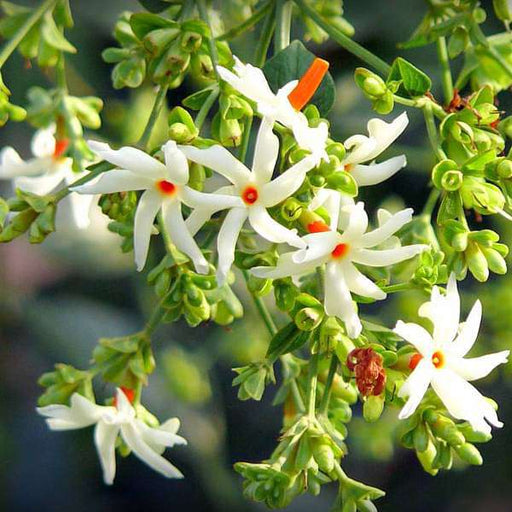
View full detailsCombo Constituents Includes the Parijat Tree (Night-Flowering Jasmine), a culturally significant plant with fragrant flowers. Description The Pari...
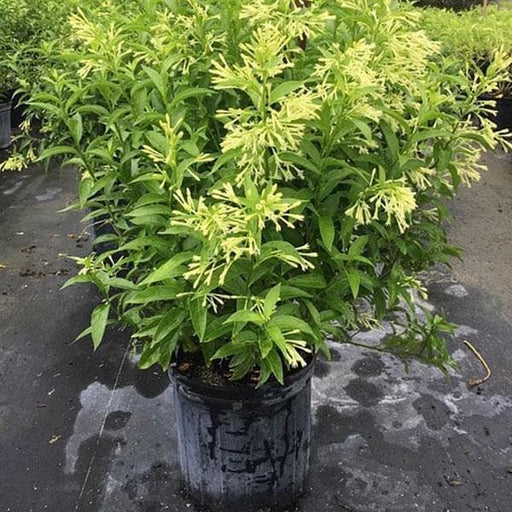
View full detailsDescription Raat Ki Rani (*Cestrum nocturnum*), also known as Night Blooming Jasmine, is a fragrant shrub native to the Caribbean and Central Ameri...
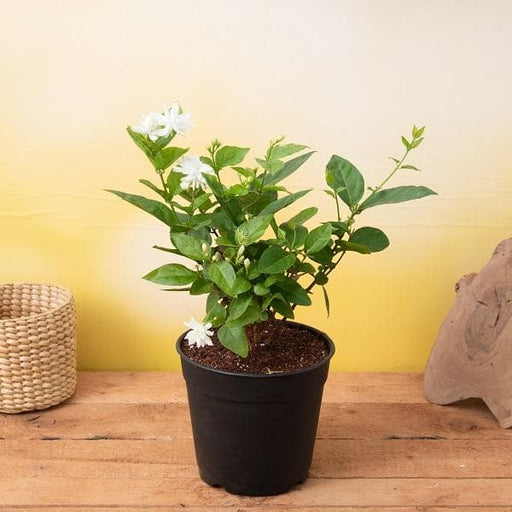
View full detailsJasminum sambac, Mogra, Arabian Jasmine - Plant Jasminum sambac, commonly known as Mogra or Arabian Jasmine, is a fragrant flowering plant...
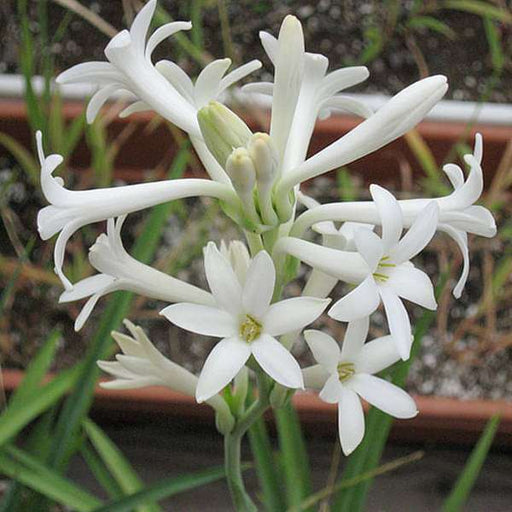
View full detailsRajnigandha, Tuberose - Plant The Rajnigandha, scientifically known as Polianthes tuberosa, is a captivating perennial plant renowned for ...
View full detailsCitronella, Odomas - Plant The Citronella plant, scientifically known as Cymbopogon nardus, is a tropical grass renowned for its aromatic ...
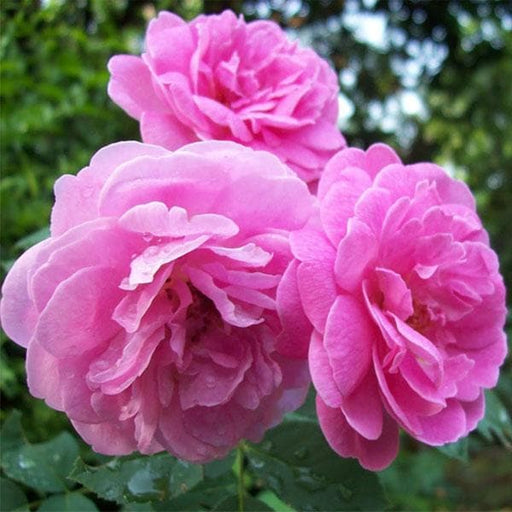
View full detailsDamascus Rose, Scented Rose (Any Color) - Plant The Damascus Rose, also known as Rosa damascena, is a timeless symbol of beauty and romanc...
View full detailsMiniature Rose, Button Rose (Any Color) - Plant The Miniature Rose, also known as the Button Rose, is a charming and compact flowering plant that ...
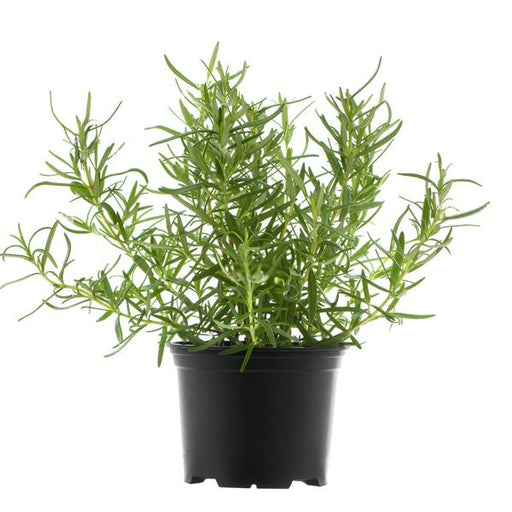
View full detailsRosemary - Plant Rosemary (Rosmarinus officinalis) is a fragrant evergreen herb native to the Mediterranean region. Known for its needle-like leav...
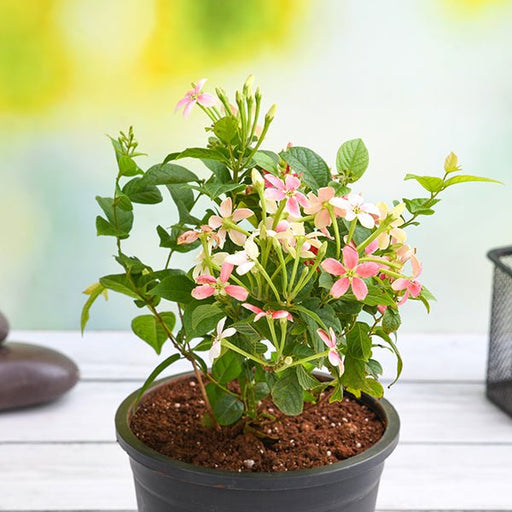
View full detailsMadhumalti Dwarf, Rangoon Creeper - Plant The Madhumalti Dwarf, also known as the Rangoon Creeper (Quisqualis indica), is a stunning perennial vin...
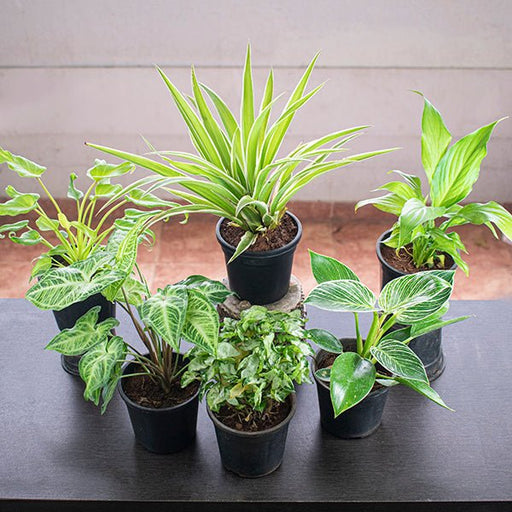
View full detailsBest 6 Plants for Perfect Indoor Garden Transform your living space into a lush oasis with our curated collection of the Best 6 Plants for a...
View full detailsBest 6 Plants for Perfect Indoor Garden Transform your living space into a lush oasis with our curated collection of the Best 6 Plants for a...
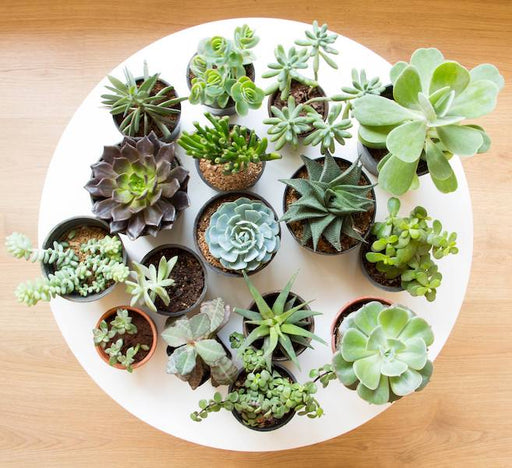
View full detailsMini Succulent Garden Pack Transform your space with our Mini Succulent Garden Pack, featuring a delightful collection of 4 any variety beautiful s...
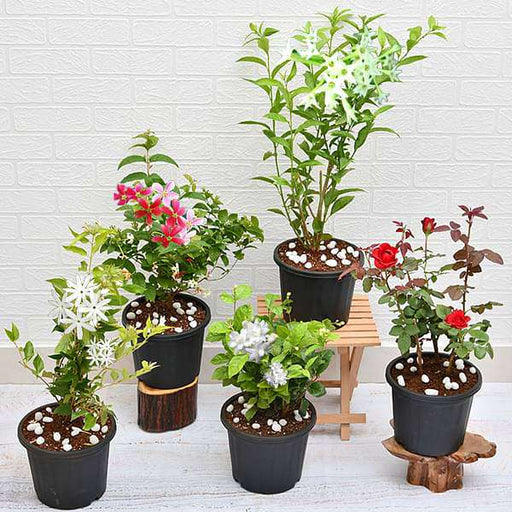
View full details5 Best Fragrant Plants Transform your garden or indoor space into a fragrant paradise with our curated selection of the 5 Best Fragrant Plants. Th...
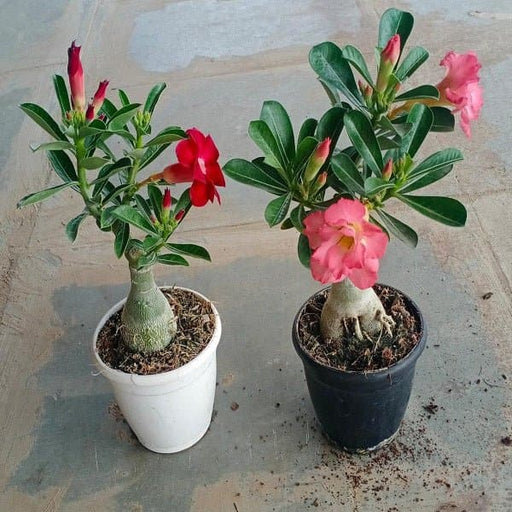
View full detailsSet of 2 Bonsai Looking Grafted Adeniums Transform your indoor or outdoor space with our exquisite Set of 2 Bonsai Looking Grafted Adenium...
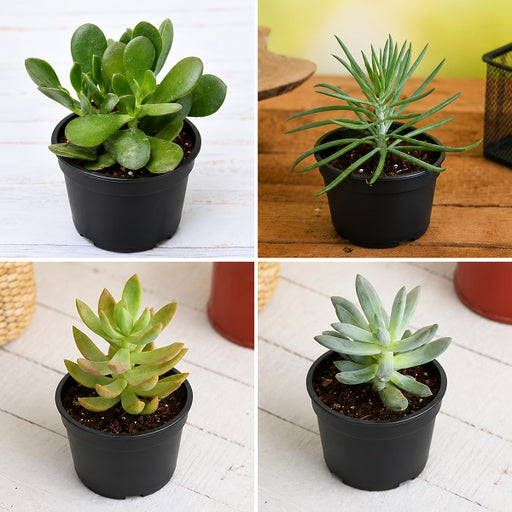
View full detailsTop 4 Die Hard Succulents Pack Note: Plants included in this pack will be delivered in a 3-inch nursery pot (any color). Transform your indoor or ...
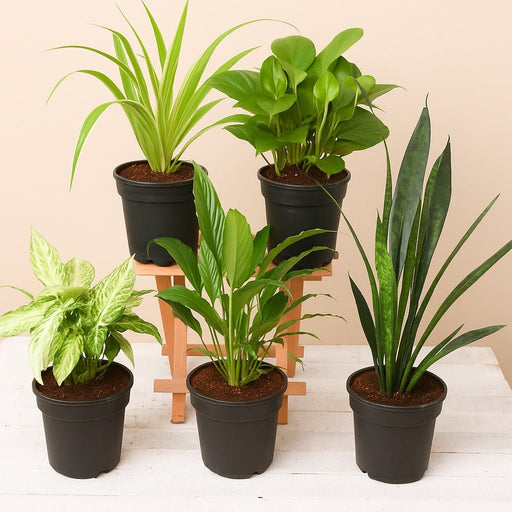
View full details5 Best Indoor Plants Pack Transform your living space into a lush oasis with our '5 Best Indoor Plants Pack.' This carefully curated collection fe...
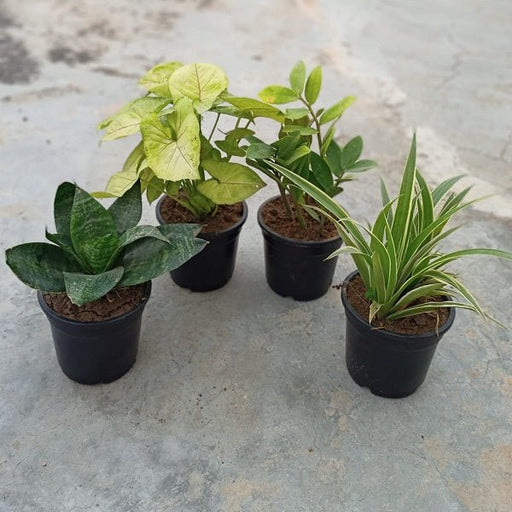
View full detailsSet of 4 Evergreen Air Purifier Plant Pack Transform your indoor space into a lush, green oasis with our Set of 4 Evergreen Air Purifier Pla...
View full detailsTop 5 Pollution Killer Plants Pack Transform your living space into a breath of fresh air with our 'Top 5 Pollution Killer Plants Pack'. This care...
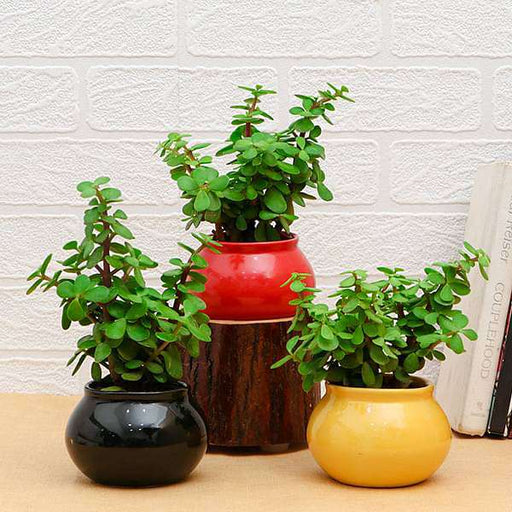
View full detailsPack of 3 Good Luck Jade Plants in Ceramic Pots Bring a touch of nature into your home with our Pack of 3 Good Luck Jade Plants, featuring...
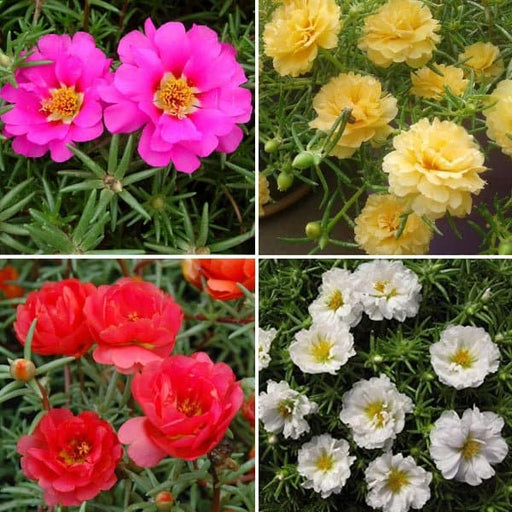
View full detailsPortulaca Garden Pack (4 Plants + 4 Black Pots) Note- You will get any color (Assorted) potted Porulaca plant with this pack. Transform your garde...
View full details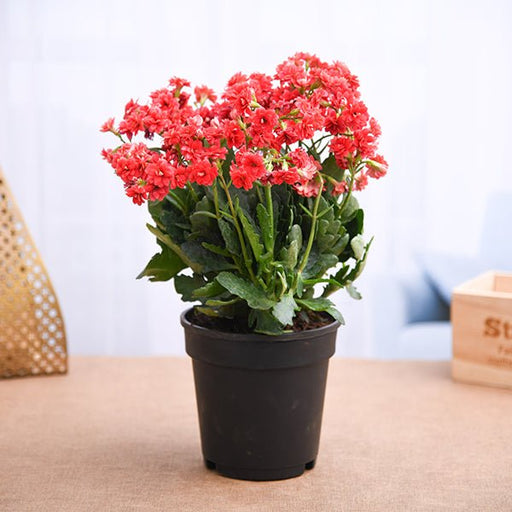





Leave a comment