
Expert Support
Available 24/7 via chat
Available 24/7 via chat
If you want to harvest fresh, tangy lemons right from your terrace or balcony, Kagzi Nimboo is your answer. This compact, high-yielding lemon variety thrives in Indian climates and produces prolific fruit even in containers. Whether you're a seasoned gardener or starting your first edible garden, Kagzi Nimboo's ease of care and year-round fruiting potential make it an ideal choice for urban gardeners across India.
Kagzi Nimboo, scientifically known as Citrus limonum, is a dwarf lemon tree variety prized for its compact growth habit and exceptional fruit quality. The name "Kagzi" refers to the thin-skinned, seedless nature of its lemons, making them perfect for juicing and culinary use. Unlike larger citrus varieties, a Kagzi Nimboo plant at purchase stands around 48 cm (19 inches) tall with a spread of 15 cm, making it ideal for container gardening. With proper care, it can reach up to 2.4 meters, though you can maintain it at smaller sizes through pruning.
What sets Kagzi Nimboo apart is its year-round fruiting potential in Indian conditions. It blooms across three seasons—January to February, May to June, and again in October—with fragrant white flowers that eventually transform into your harvest. This makes fresh lemons available throughout summer, winter, and the rainy season, ensuring a steady supply for your kitchen and medicinal needs.
| Care Factor | Details |
|---|---|
| Light | Natural bright light (6+ hours daily) |
| Watering | Water when topsoil (1-2 inches) feels dry |
| Soil | Well-draining, fertile, rich in organic content |
| Temperature | 25 to 35°C (optimal for fruiting) |
| Difficulty | Easy to grow |
Kagzi Nimboo thrives in natural bright light, requiring a minimum of 6 to 8 hours of direct sunlight daily for optimal fruiting. In India, this is rarely a challenge during most of the year. Place your plant on a south-facing or west-facing balcony or terrace where it receives unobstructed morning and afternoon sun. Even during the intense summer months, the lemon tree will benefit from full sun exposure—citrus plants are heat-loving and fruit production improves with consistent light.
If you're growing indoors, position the plant near a bright window. Insufficient light may result in fewer flowers and reduced fruit set. During winter, when the sun's angle is lower, ensure your plant still receives adequate illumination to support the blooming and fruiting phases that occur in January-February and October.
Proper watering is crucial for healthy growth and fruiting. Use the simple finger test: poke your finger or a small stick into the soil. If the topsoil feels dry to the touch up to 1 to 2 inches deep, it's time to water. Water thoroughly until it drains from the bottom of the pot, ensuring the entire root zone is moistened.
During India's hot summer months (April-June), you may need to water every 2 to 3 days. In winter, reduce frequency to once a week or as needed based on rainfall. During the monsoon, be extra cautious—the frequent rains and humidity increase the risk of root rot. Water only when the soil actually feels dry; waterlogged conditions are the leading cause of citrus plant decline.
Hard water is common in many Indian regions. If your tap water is high in minerals or alkaline (common in North and parts of Central India), collect rainwater where possible for watering. This helps prevent nutrient lockup in the soil and maintains ideal pH for nutrient absorption.
Kagzi Nimboo demands well-draining soil rich in organic matter. Prepare a potting mix using equal parts coconut coir, compost, and perlite or coarse sand. This ensures water doesn't stagnate while retaining enough moisture for the plant's needs. If growing in the ground, amend heavy clay soils with compost and sand to improve drainage.
Feed your lemon tree with organic fertilizers to maintain steady nutrition. Apply compost or well-rotted manure at the start of each growing season. During blooming and fruiting phases, use liquid organic fertilizers (like fish emulsion or neem-based products) every 4 to 6 weeks to support fruit development. Avoid chemical fertilizers, which can harm the fruit's quality and taste if harvested for consumption.
Mulch the base of the plant with organic material (straw, dried leaves, or coconut coir) to conserve moisture and regulate soil temperature during extreme heat.
Kagzi Nimboo is perfectly suited to India's temperature range of 25 to 35°C, which is ideal for growth and fruiting. The plant actually thrives in heat and benefits from warm conditions for fruit development and sugar accumulation in the juice.
However, protect young plants from temperatures below 15°C, which can stress them. If you're in cooler hill stations or facing unexpected winter cold, move potted plants to sheltered locations or wrap them lightly during frost nights.
Monsoon humidity is generally beneficial, but ensure air circulation around the plant to prevent fungal issues. In high-humidity conditions during the rainy season, space out waterings and avoid wetting the leaves. Proper drainage in pots is essential to prevent waterlogging-related diseases during heavy rains.
Propagate Kagzi Nimboo from hardwood cuttings or seeds. For cuttings, select healthy, pencil-thick branches, cut 6 to 8 inches long, and insert them into moist coconut coir or a seed-raising mix. Keep conditions humid and warm (around 28-30°C) for rooting, which typically takes 4 to 6 weeks. Once roots develop (usually visible as new growth), pot them into individual containers with your prepared soil mix.
Seed propagation is slower and may not produce fruit-true plants identical to the parent, so cuttings are preferred for maintaining the Kagzi variety's characteristics.
Pests like scale insects, spider mites, and whiteflies occasionally affect lemon trees in India. Spray affected plants with neem oil solution every 10 days until the infestation clears. Mealybugs can also appear; remove them manually with a cloth soaked in alcohol if the infestation is mild.
Citrus leaf miners create winding trails on new leaves—this is cosmetic damage and rarely requires intervention beyond removing severely damaged leaves. Fungal diseases like anthracnose may appear during humid, rainy periods; improve air circulation and avoid leaf wetness to prevent spread.
Nutrient deficiencies occasionally show as yellowing leaves (iron deficiency) or mottled foliage (magnesium deficiency). Address these with organic nutrient applications and ensure proper soil drainage for optimal nutrient uptake.
Prune your Kagzi Nimboo lightly after harvesting to maintain shape and promote bushier growth. Remove any dead or crossing branches and thin out dense growth to improve light penetration.
Harvest lemons when they reach full color and firmness but before they become overly soft. In India's heat, fruits mature faster than in cooler climates, so monitor closely once the plant begins fruiting. Ripe Kagzi lemons can be stored for several weeks in a cool, dry place.
For indoor or balcony gardening, choose a 20 to 24-inch pot with adequate drainage holes. Move the plant to a slightly larger pot every 2 to 3 years as it grows.
If your region receives hard water, occasionally flush the soil with collected rainwater to remove salt buildup. This simple step prevents long-term soil degradation and nutrient problems.
During extreme heat waves, provide afternoon shade or move potted plants away from hot walls to prevent stress. A balanced approach—bright light but protection from scorching afternoon sun in peak summer—ensures consistent fruiting year-round.
Ready to grow your own? Shop Kagzi Nimboo at Nurserylive →
Kagzi Nimboo, Lemon Tree - Plant The Kagzi Nimboo, or Lemon Tree, is a delightful addition to any garden or home. Known for its vibrant ye...
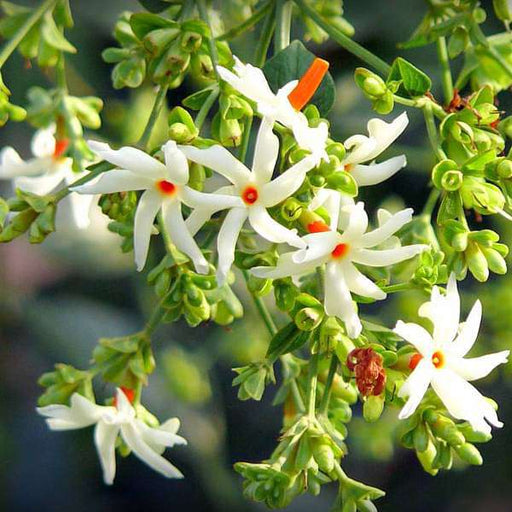
View full detailsCombo Constituents Includes the Parijat Tree (Night-Flowering Jasmine), a culturally significant plant with fragrant flowers. Description The Pari...
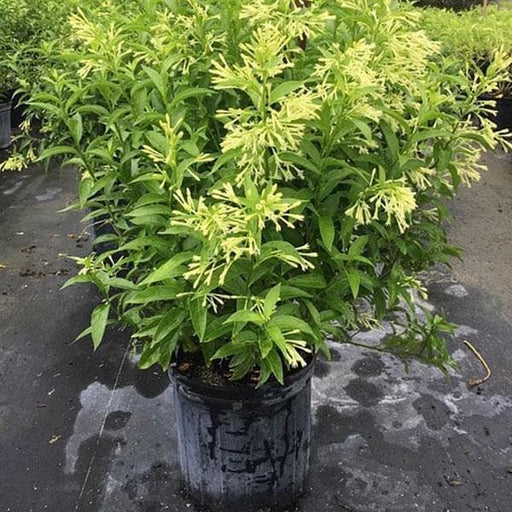
View full detailsDescription Raat Ki Rani (*Cestrum nocturnum*), also known as Night Blooming Jasmine, is a fragrant shrub native to the Caribbean and Central Ameri...
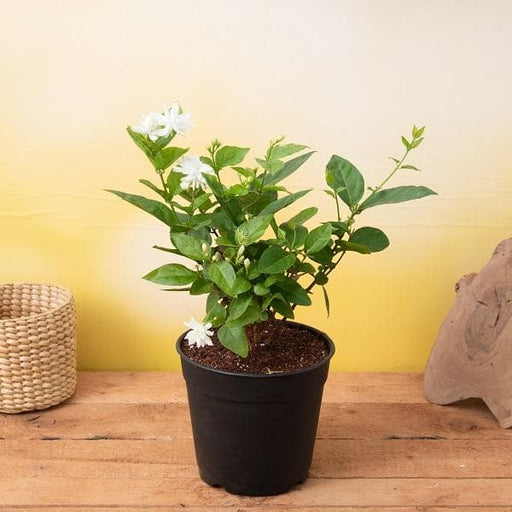
View full detailsJasminum sambac, Mogra, Arabian Jasmine - Plant Jasminum sambac, commonly known as Mogra or Arabian Jasmine, is a fragrant flowering plant...
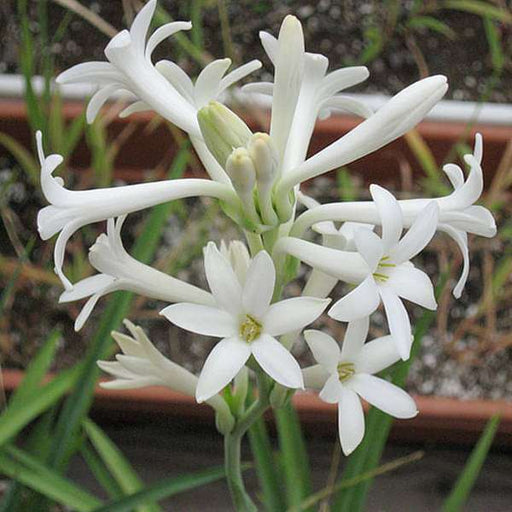
View full detailsRajnigandha, Tuberose - Plant The Rajnigandha, scientifically known as Polianthes tuberosa, is a captivating perennial plant renowned for ...
View full detailsCitronella, Odomas - Plant The Citronella plant, scientifically known as Cymbopogon nardus, is a tropical grass renowned for its aromatic ...
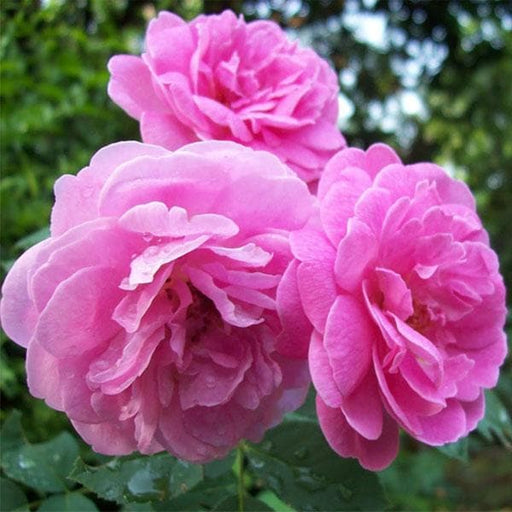
View full detailsDamascus Rose, Scented Rose (Any Color) - Plant The Damascus Rose, also known as Rosa damascena, is a timeless symbol of beauty and romanc...
View full detailsMiniature Rose, Button Rose (Any Color) - Plant The Miniature Rose, also known as the Button Rose, is a charming and compact flowering plant that ...
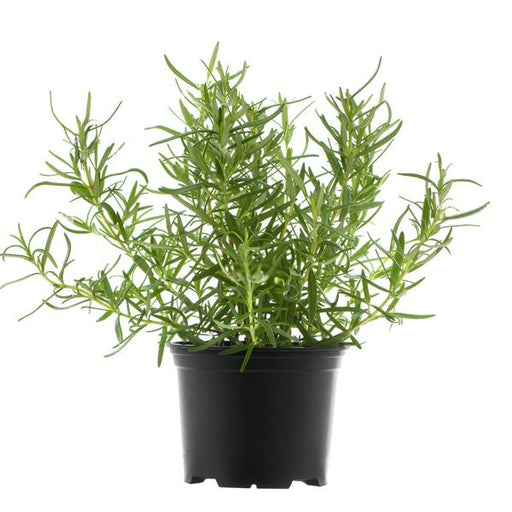
View full detailsRosemary - Plant Rosemary (Rosmarinus officinalis) is a fragrant evergreen herb native to the Mediterranean region. Known for its needle-like leav...
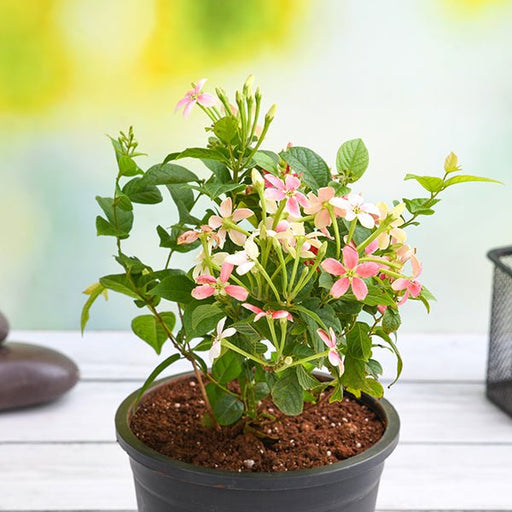
View full detailsMadhumalti Dwarf, Rangoon Creeper - Plant The Madhumalti Dwarf, also known as the Rangoon Creeper (Quisqualis indica), is a stunning perennial vin...
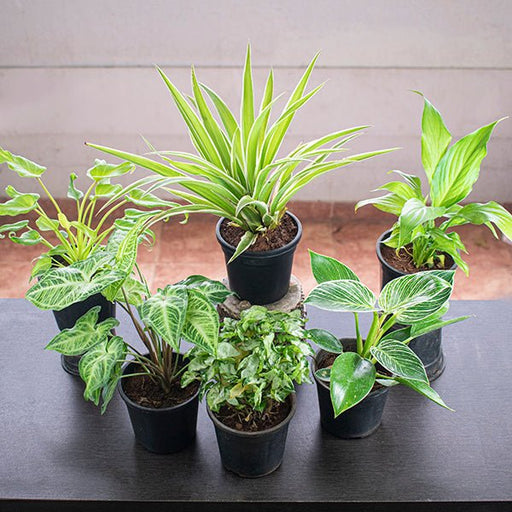
View full detailsBest 6 Plants for Perfect Indoor Garden Transform your living space into a lush oasis with our curated collection of the Best 6 Plants for a...
View full detailsBest 6 Plants for Perfect Indoor Garden Transform your living space into a lush oasis with our curated collection of the Best 6 Plants for a...
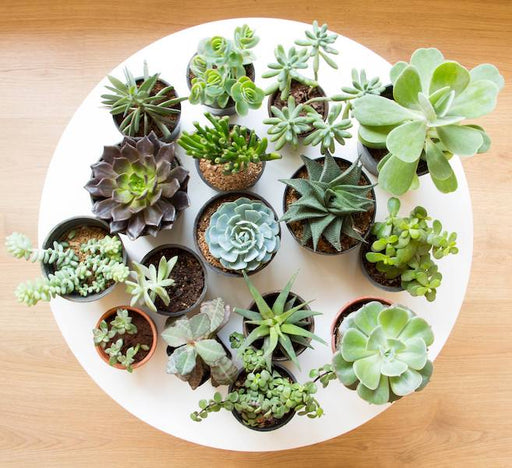
View full detailsMini Succulent Garden Pack Transform your space with our Mini Succulent Garden Pack, featuring a delightful collection of 4 any variety beautiful s...
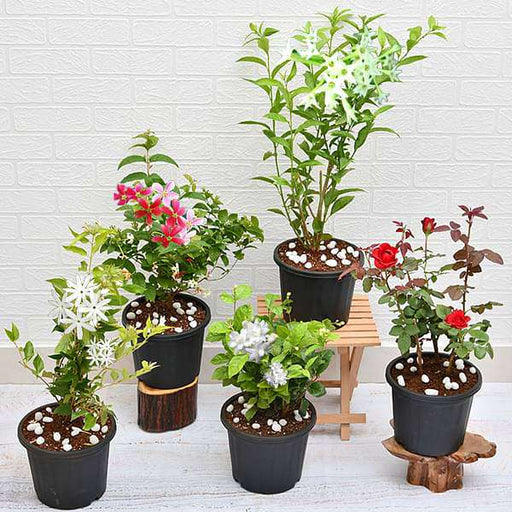
View full details5 Best Fragrant Plants Transform your garden or indoor space into a fragrant paradise with our curated selection of the 5 Best Fragrant Plants. Th...
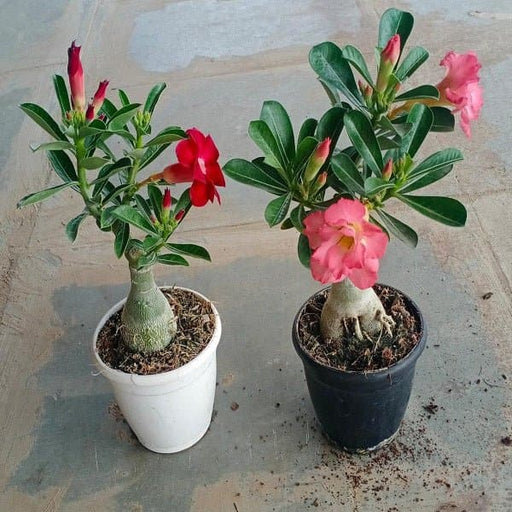
View full detailsSet of 2 Bonsai Looking Grafted Adeniums Transform your indoor or outdoor space with our exquisite Set of 2 Bonsai Looking Grafted Adenium...
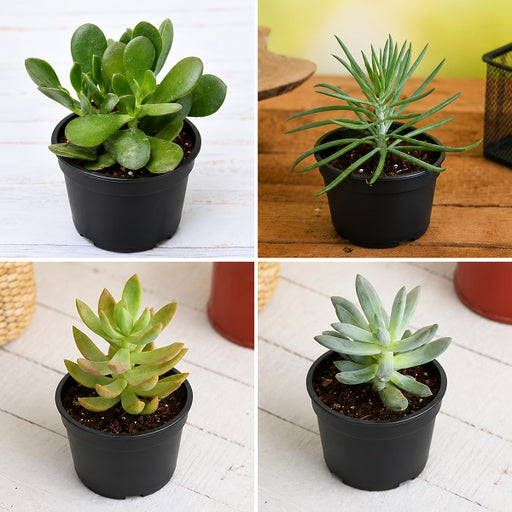
View full detailsTop 4 Die Hard Succulents Pack Note: Plants included in this pack will be delivered in a 3-inch nursery pot (any color). Transform your indoor or ...
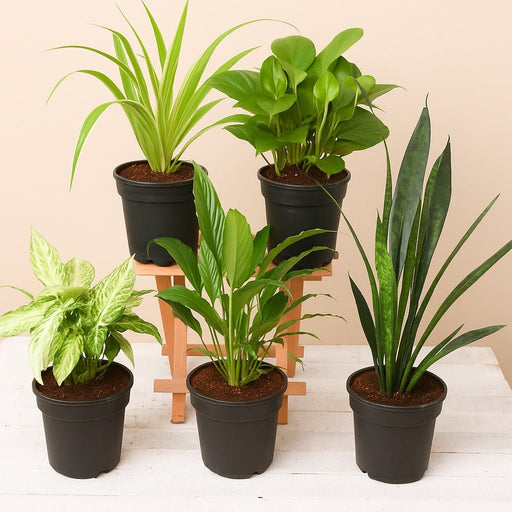
View full details5 Best Indoor Plants Pack Transform your living space into a lush oasis with our '5 Best Indoor Plants Pack.' This carefully curated collection fe...
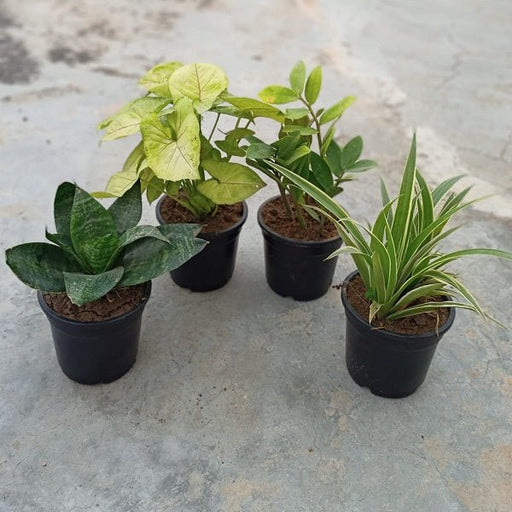
View full detailsSet of 4 Evergreen Air Purifier Plant Pack Transform your indoor space into a lush, green oasis with our Set of 4 Evergreen Air Purifier Pla...
View full detailsTop 5 Pollution Killer Plants Pack Transform your living space into a breath of fresh air with our 'Top 5 Pollution Killer Plants Pack'. This care...
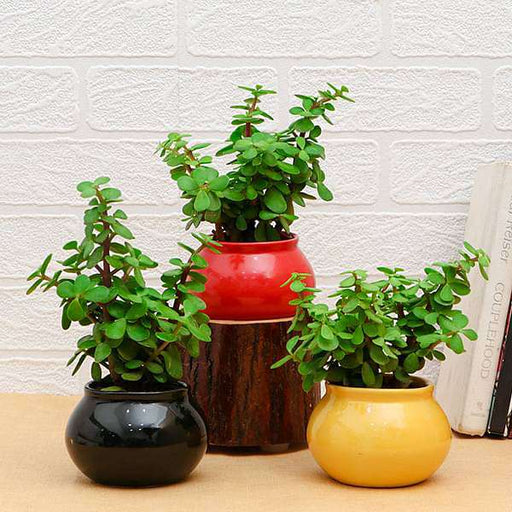
View full detailsPack of 3 Good Luck Jade Plants in Ceramic Pots Bring a touch of nature into your home with our Pack of 3 Good Luck Jade Plants, featuring...
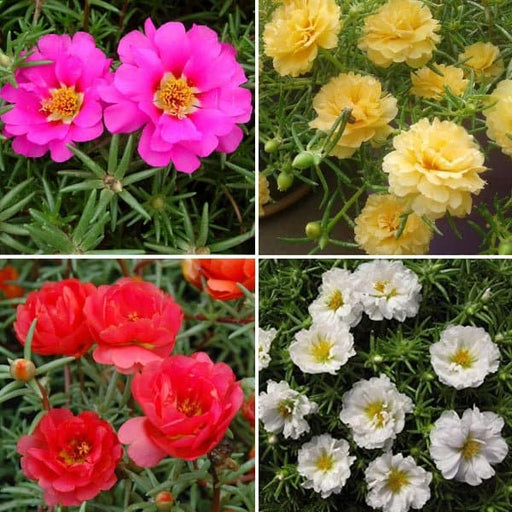
View full detailsPortulaca Garden Pack (4 Plants + 4 Black Pots) Note- You will get any color (Assorted) potted Porulaca plant with this pack. Transform your garde...
View full details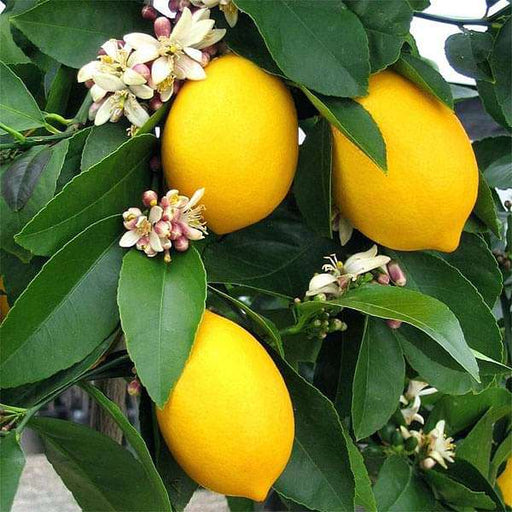






Leave a comment