
Expert Support
Available 24/7 via chat
Available 24/7 via chat
Juhi, with its heady fragrance and elegant white flowers, is a gardening treasure passed down through generations of Indian homes. Also known as Jasmine Molle or Indian Jasmine (Jasminum auriculatum), this climbing perennial is the perfect plant for anyone from complete beginners to experienced gardeners. The secret to its popularity lies in its simplicity—Juhi adapts beautifully to India's heat, monsoons, and urban balconies while demanding very little in return. If you've ever walked past a wall draped in fragrant jasmine vines or noticed these delicate blooms gracing a neighbour's terrace, you'll understand why Juhi deserves a place in every Indian garden.
Juhi is a hardy, perennial jasmine that can climb up to 9 meters when given support, though it's equally happy as a compact potted plant on your balcony with regular pruning. The plant produces stunning white flowers that bloom most abundantly from June through August—precisely when Indian gardens need that burst of color and fragrance. Beyond its aesthetic charm, Juhi actively attracts butterflies and birds, making it an eco-friendly way to bring wildlife into your garden. Once established, this easy-care plant becomes almost self-reliant, flowering year after year with minimal intervention. Whether trained up a trellis, left to trail from a hanging basket, or kept compact in a pot, Juhi adapts gracefully to your garden's design.
| Care Factor | Requirement |
|---|---|
| Light | 3–6 hours direct sunlight + bright indirect light for the rest of the day |
| Water | Regular watering; keep soil moist but never waterlogged |
| Soil | Well-draining, fertile, rich in organic matter |
| Temperature | 18–30°C (ideal range for Indian climates) |
Juhi is a sun-lover and thrives best with 3 to 6 hours of direct sunlight daily, combined with bright, indirect light for the remainder of the day. This balance is crucial in India's intense climate. Early morning sun (6–9 AM) or late afternoon light (4–6 PM) is ideal—it provides energy for blooming without the risk of scorching during peak heat. If your Juhi lives on a north-facing balcony with limited direct sun, it will still survive and flower, but blooms may be less abundant. East-facing or south-facing positions are excellent for maximizing light while naturally avoiding the harshest afternoon rays. During the monsoon season, when clouds dominate, Juhi tolerates partial shade gracefully. However, insufficient light is a common reason for poor flowering, so prioritize positioning your plant where sunlight reaches it for at least half the day.
Consistent, thoughtful watering is the cornerstone of Juhi care. Water regularly so the soil remains evenly moist, but the critical word here is balance—never allow it to become waterlogged. Juhi is susceptible to fungal and bacterial infections, and poor drainage is the primary culprit. During the active growing season (June–July), when heat intensifies and the plant flowers prolifically, increase watering frequency. Check the top 2 inches of soil; if they feel dry to the touch, water thoroughly until it drains from the pot's base. In cooler months or during the monsoon, when rainfall adds moisture and growth slows, reduce watering frequency accordingly. If your region has hard water, consider collecting rainwater or letting tap water sit overnight to allow minerals to settle. Pay attention to your plant's environment too—potted Juhi in full sun needs more frequent watering than the same plant in dappled shade.
Juhi's roots demand well-draining, fertile soil rich in organic matter—this is non-negotiable for long-term health. When planting in a pot, blend high-quality potting mix with aged compost or vermicompost in equal parts. For garden beds, amend native soil with 2–3 inches of well-rotted compost before planting. Good drainage prevents root rot and the fungal problems Juhi is prone to. You can test drainage by watering generously; excess water should drain within minutes, not pool on the surface. During the main growing season (June–July), feed your Juhi with organic fertilizer—compost tea, neem cake, or a balanced organic formulation all work beautifully. Feed once every 2–3 weeks during this window. Avoid feeding during winter dormancy or if growth has noticeably slowed during the monsoon. Organic feeding encourages healthy foliage and prolific flowering without the soft, pest-prone growth that synthetic fertilizers can trigger.
The ideal temperature range for Juhi is 18 to 30°C, which aligns perfectly with much of India's climate throughout the year. Juhi is genuinely hardy and tolerates heat exceptionally well, provided it receives adequate water and some afternoon shade during peak summer months (April–May) when temperatures soar above 30°C. While the plant can survive brief dips below 15°C, prolonged cold slows growth significantly. High humidity during the monsoon is tolerated provided air circulation remains excellent—this is key to preventing fungal diseases. Position potted plants on a stand rather than directly on wet ground, and consider pruning lower leaves slightly to improve airflow around the base. This simple step keeps your Juhi's foliage dry and disease-free during humid months.
Propagating Juhi from cuttings is straightforward and far more reliable than growing from seed. In spring or early summer (May–June), select healthy, non-flowering stems and take 4–6 inch cuttings with a clean, sharp knife. Remove the lower leaves, leaving 2–3 leaves at the tip. If available, dip the cut end in rooting hormone to speed establishment, though Juhi roots readily without it. Insert the cutting into moist, well-draining potting soil—a mix of compost and sand works perfectly. Keep the soil consistently moist (not soggy) and provide bright, indirect light. In 3–4 weeks, gently tug the cutting; if you feel resistance, roots have formed. Once rooted, you can pot it up into a larger container or transplant directly into garden soil. This method is ideal for increasing your plant collection or sharing Juhi with gardening friends.
Fungal and Bacterial Infections: Yellowing leaves, dark spots, or wilting often signal fungal or bacterial issues, usually triggered by overwatering or poor drainage. Reduce watering immediately, improve drainage by repotting if necessary, and spray affected foliage with neem oil every 7–10 days until symptoms clear.
Pests—Mealybugs, Aphids, and Scale Insects: These pests are attracted to soft new growth, especially on stressed plants. Inspect the undersides of leaves regularly. Spray affected areas with diluted neem oil solution (1 part neem to 10 parts water) or a citrus-based pesticide every 7–10 days. Repeat treatment up to 3 times for severe infestations.
Sooty Mold: A black fungus often appears when pests are present. Control the pest population first—mold thrives where insects leave honeydew. Once pests are gone, gently wipe affected leaves with a soft cloth dampened in neem solution.
Leggy Growth: Long stems with sparse leaves indicate insufficient light. Relocate your plant to a sunnier spot or increase light exposure by a few hours daily. Pruning leggy stems also encourages bushier, more compact growth.
Ready to grow your own? Shop Juhi at Nurserylive →
Juhi, Jasminum Auriculatum - Plant The Juhi plant, scientifically known as Jasminum auriculatum, is a cherished flowering vine native to S...
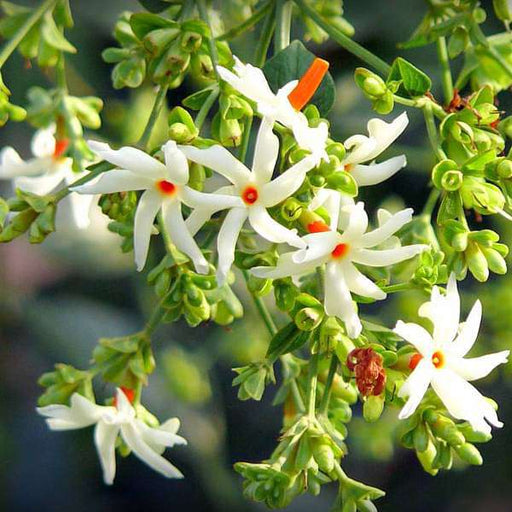
View full detailsCombo Constituents Includes the Parijat Tree (Night-Flowering Jasmine), a culturally significant plant with fragrant flowers. Description The Pari...
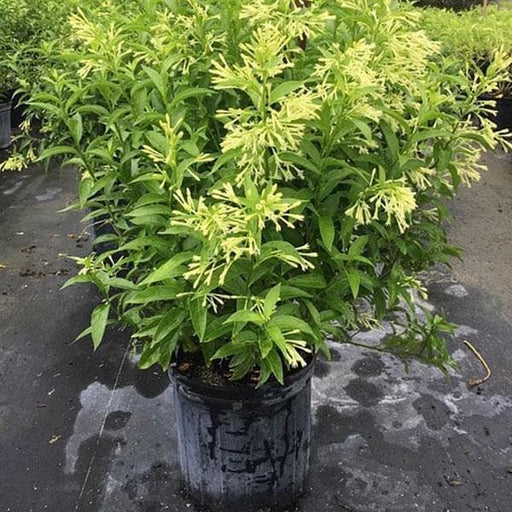
View full detailsDescription Raat Ki Rani (*Cestrum nocturnum*), also known as Night Blooming Jasmine, is a fragrant shrub native to the Caribbean and Central Ameri...
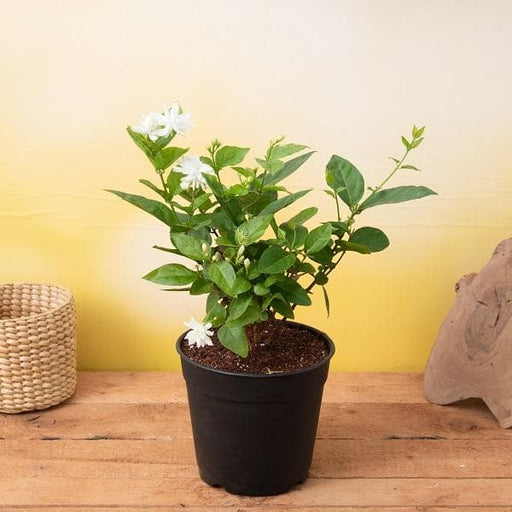
View full detailsJasminum sambac, Mogra, Arabian Jasmine - Plant Jasminum sambac, commonly known as Mogra or Arabian Jasmine, is a fragrant flowering plant...
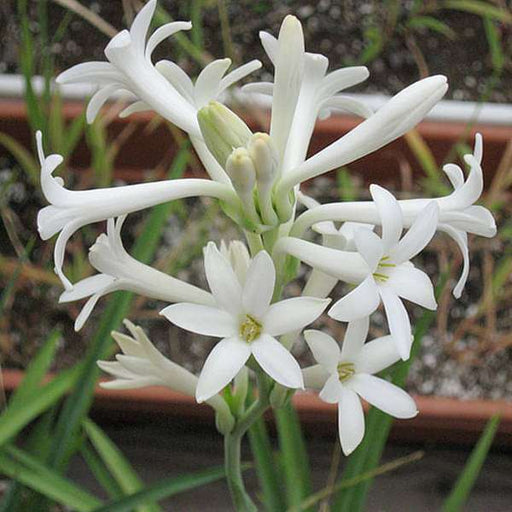
View full detailsRajnigandha, Tuberose - Plant The Rajnigandha, scientifically known as Polianthes tuberosa, is a captivating perennial plant renowned for ...
View full detailsCitronella, Odomas - Plant The Citronella plant, scientifically known as Cymbopogon nardus, is a tropical grass renowned for its aromatic ...
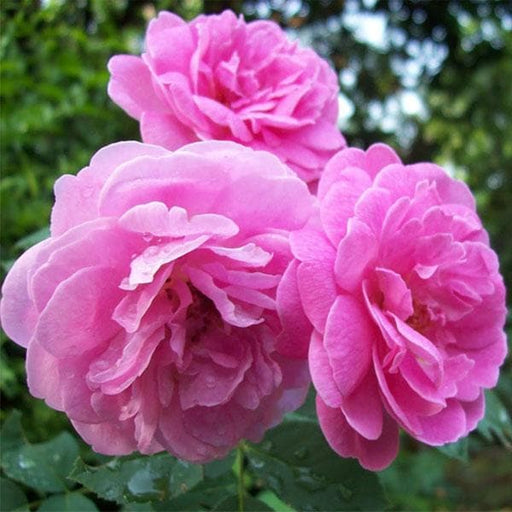
View full detailsDamascus Rose, Scented Rose (Any Color) - Plant The Damascus Rose, also known as Rosa damascena, is a timeless symbol of beauty and romanc...
View full detailsMiniature Rose, Button Rose (Any Color) - Plant The Miniature Rose, also known as the Button Rose, is a charming and compact flowering plant that ...
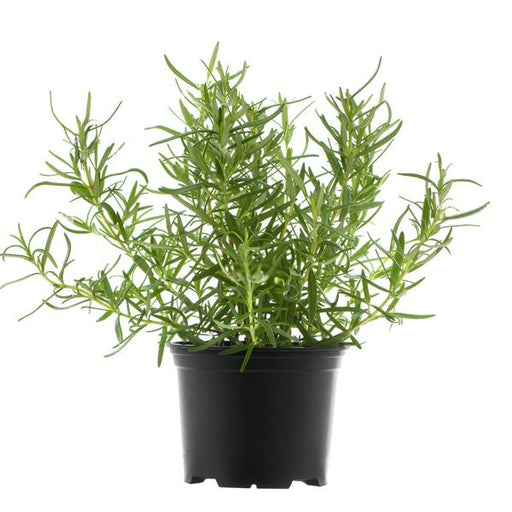
View full detailsRosemary - Plant Rosemary (Rosmarinus officinalis) is a fragrant evergreen herb native to the Mediterranean region. Known for its needle-like leav...
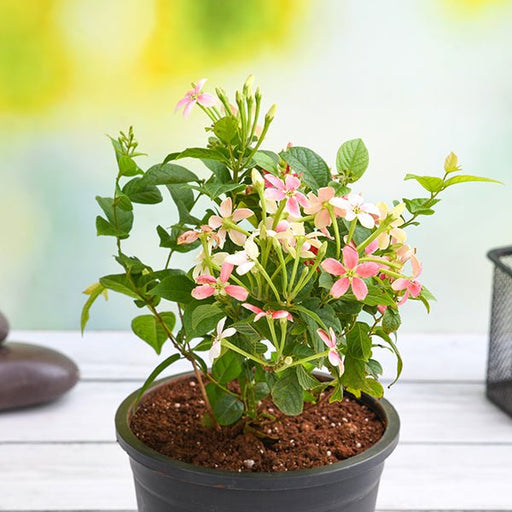
View full detailsMadhumalti Dwarf, Rangoon Creeper - Plant The Madhumalti Dwarf, also known as the Rangoon Creeper (Quisqualis indica), is a stunning perennial vin...
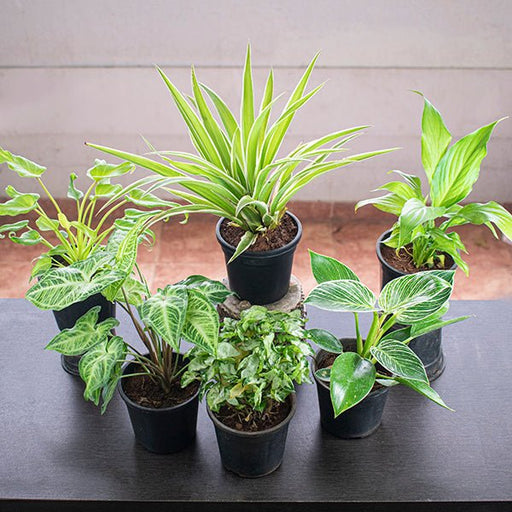
View full detailsBest 6 Plants for Perfect Indoor Garden Transform your living space into a lush oasis with our curated collection of the Best 6 Plants for a...
View full detailsBest 6 Plants for Perfect Indoor Garden Transform your living space into a lush oasis with our curated collection of the Best 6 Plants for a...
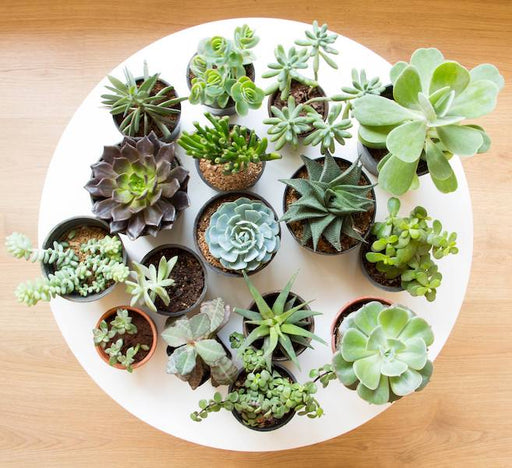
View full detailsMini Succulent Garden Pack Transform your space with our Mini Succulent Garden Pack, featuring a delightful collection of 4 any variety beautiful s...
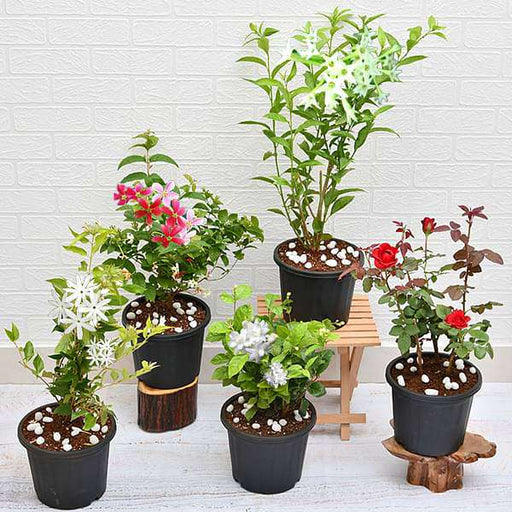
View full details5 Best Fragrant Plants Transform your garden or indoor space into a fragrant paradise with our curated selection of the 5 Best Fragrant Plants. Th...
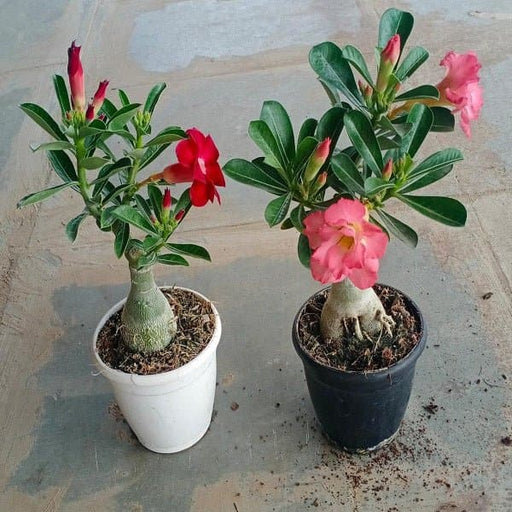
View full detailsSet of 2 Bonsai Looking Grafted Adeniums Transform your indoor or outdoor space with our exquisite Set of 2 Bonsai Looking Grafted Adenium...
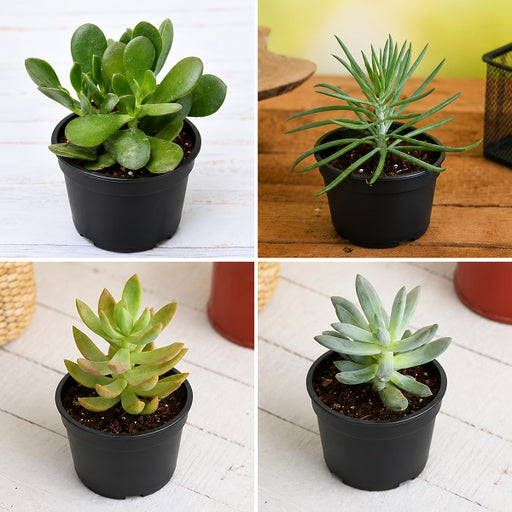
View full detailsTop 4 Die Hard Succulents Pack Note: Plants included in this pack will be delivered in a 3-inch nursery pot (any color). Transform your indoor or ...
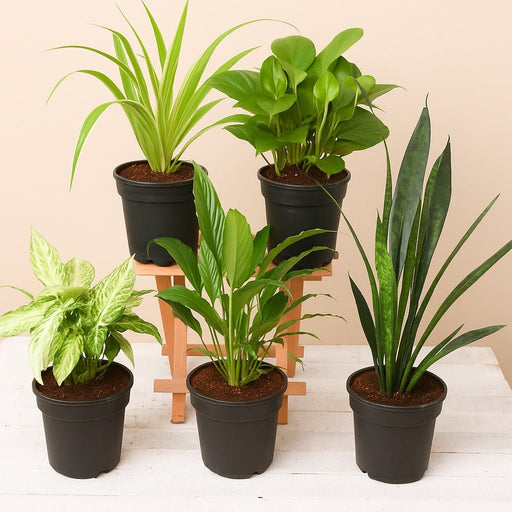
View full details5 Best Indoor Plants Pack Transform your living space into a lush oasis with our '5 Best Indoor Plants Pack.' This carefully curated collection fe...
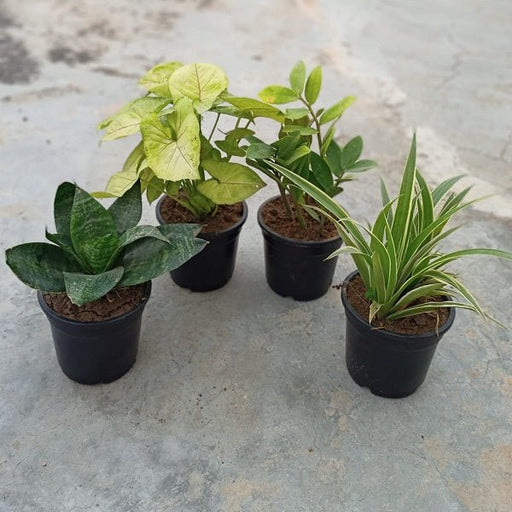
View full detailsSet of 4 Evergreen Air Purifier Plant Pack Transform your indoor space into a lush, green oasis with our Set of 4 Evergreen Air Purifier Pla...
View full detailsTop 5 Pollution Killer Plants Pack Transform your living space into a breath of fresh air with our 'Top 5 Pollution Killer Plants Pack'. This care...
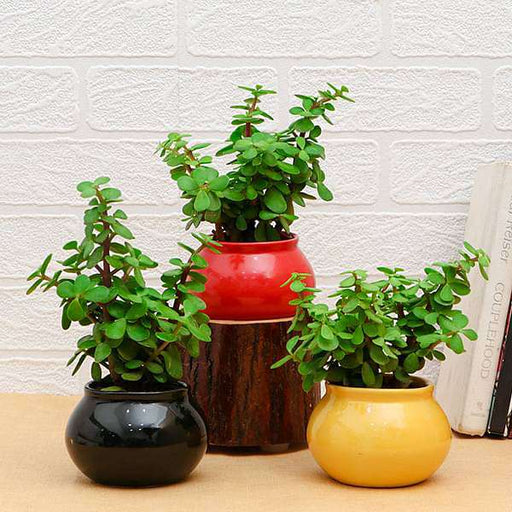
View full detailsPack of 3 Good Luck Jade Plants in Ceramic Pots Bring a touch of nature into your home with our Pack of 3 Good Luck Jade Plants, featuring...
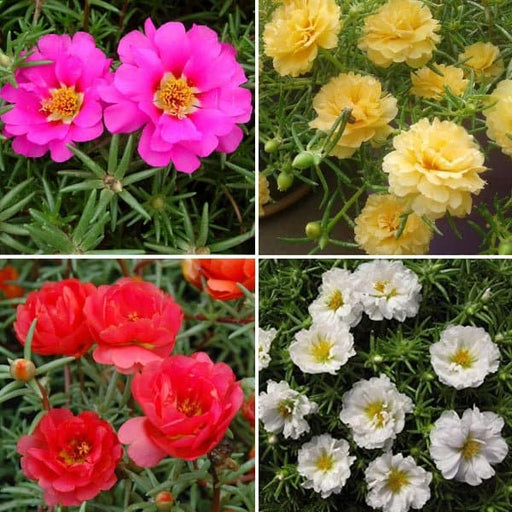
View full detailsPortulaca Garden Pack (4 Plants + 4 Black Pots) Note- You will get any color (Assorted) potted Porulaca plant with this pack. Transform your garde...
View full details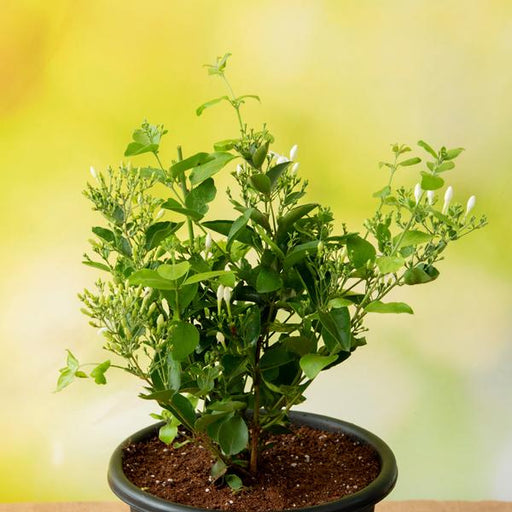






Leave a comment