
Expert Support
Available 24/7 via chat
Available 24/7 via chat
If you're looking for a low-maintenance plant that fills your space with intoxicating fragrance and attracts butterflies and birds, Jai is your answer. This elegant jasmine variety thrives in Indian climates and grows beautifully in containers on balconies or in garden beds. Whether you're a seasoned gardener or starting out, Jai's easy-growing nature makes it an ideal choice for any plant parent.
Jai is a charming jasmine variety belonging to the Jasminum family, alongside popular varieties like Mogra and Chameli. It's an easy-to-grow perennial that develops into a compact vine reaching 4 to 5 feet at maturity. The plant arrives as a well-established specimen at 19 inches tall with a 5-inch spread, ready to flourish in your garden or on your balcony.
The defining feature of Jai is its pristine white flowers that bloom abundantly from June to August. These delicate blooms release a sweet, captivating fragrance that attracts butterflies and birds, making it a wonderful addition to pollinator-friendly gardens. Its container-friendly nature makes it perfect for apartments, terraces, and compact spaces across Indian cities.
| Aspect | Requirement |
|---|---|
| Light | Full sun to part shade; 4–6 hours of direct sunlight daily |
| Watering | Medium; keep soil consistently moist but not waterlogged |
| Soil | Well-drained soil enriched with organic compost |
| Temperature | Warm conditions; thrives in India's tropical and subtropical climates |
Jai grows best with full sun exposure, though it tolerates part shade well. Ideally, aim for 4 to 6 hours of direct sunlight daily for optimal growth and flowering. In India's intense summer heat, especially in regions like Delhi, Bangalore, and inland areas, some afternoon shade during peak summer (April–June) can prevent leaf scorching while still allowing the plant to produce abundant white flowers.
If you're growing Jai on a balcony or in a compact space, position it where it receives morning and early afternoon sun. This combination ensures strong, vigorous growth and consistent blooming while protecting it from harsh midday rays during extreme heat waves.
Jai requires medium watering. During the growing season (March to October), water the plant regularly to keep the soil consistently moist but never waterlogged. Overwatering is more harmful than underwatering, as it can lead to root rot. Always ensure the pot has drainage holes to prevent water stagnation.
In India's monsoon season (June to September), reduce watering frequency since rainfall naturally supplements soil moisture. Check the soil before each watering; if the top 1–2 inches feel dry to the touch, it's time to water. During winter months (November to February), water less frequently as the plant's growth slows significantly.
If your region has hard water (common in North India), occasionally use filtered or rainwater to prevent mineral buildup on leaves and in soil, which can interfere with nutrient absorption and plant health.
Plant Jai in well-drained soil enriched with organic compost. For container growing, prepare a potting mix using 40% garden soil, 40% coconut coir, and 20% perlite or sand to ensure excellent drainage and aeration of roots.
Feeding is crucial for abundant blooms. Use normal-purpose compost twice a week during the growing season to provide steady nutrients. Alternatively, use a liquid fertilizer formulated for flowering plants to boost bloom production. Start feeding in March when new growth emerges and continue through August. Reduce or stop fertilizing in winter when growth naturally slows.
A balanced fertilizer (10:10:10 NPK) works well for overall growth, but switch to a bloom-boosting formula with higher phosphorus during the June to August flowering season for more vibrant white flowers and fuller blooms.
Like other jasmine varieties, Jai thrives in warm conditions and is perfectly suited to India's tropical and subtropical climates. The plant grows best in warm temperatures, which aligns naturally with most Indian growing regions throughout the year.
In cooler hill stations or during cold winters in North India, protect young plants from unexpected frost. If temperatures drop significantly, move container-grown Jai indoors or provide frost protection with cloth covers.
Jai enjoys moderate to high humidity, which is naturally present during India's monsoon and pre-monsoon seasons. In dry regions or during hot summers, occasional misting of leaves helps prevent dust accumulation and supports healthy foliage and flower production.
Jai can be easily propagated from semi-hardwood cuttings during the growing season (March to June). Select healthy, disease-free stems about 6 inches long with 3–4 leaf nodes. Remove leaves from the lower half of the cutting and optionally dip the cut end in rooting hormone powder to accelerate root development.
Plant the cutting in a pot filled with a moist mix of perlite and peat moss or coconut coir. Cover the pot with a clear plastic bag to maintain humidity and place it in a warm, bright location away from direct sun. Roots typically develop within 3–4 weeks. Once new growth appears, gradually acclimate the young plant to normal light conditions and pot it into regular well-drained soil.
Ready to grow your own? Shop Jai at Nurserylive →
Jai - Plant The Jai plant, scientifically known as Jatropha curcas, is a remarkable perennial shrub native to Central America and the Cari...
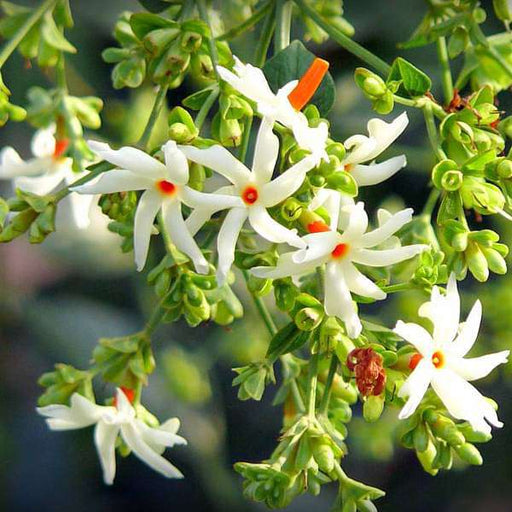
View full detailsCombo Constituents Includes the Parijat Tree (Night-Flowering Jasmine), a culturally significant plant with fragrant flowers. Description The Pari...
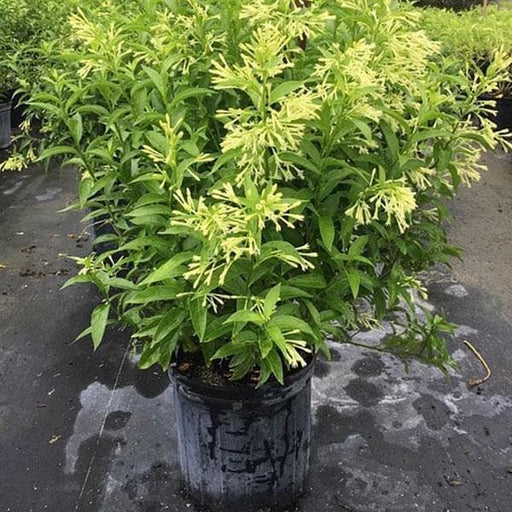
View full detailsDescription Raat Ki Rani (*Cestrum nocturnum*), also known as Night Blooming Jasmine, is a fragrant shrub native to the Caribbean and Central Ameri...
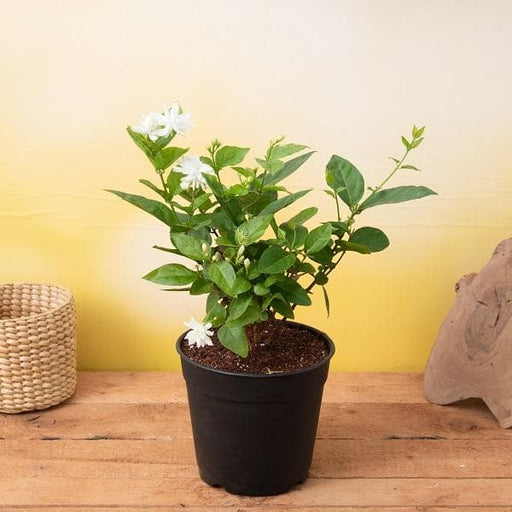
View full detailsJasminum sambac, Mogra, Arabian Jasmine - Plant Jasminum sambac, commonly known as Mogra or Arabian Jasmine, is a fragrant flowering plant...
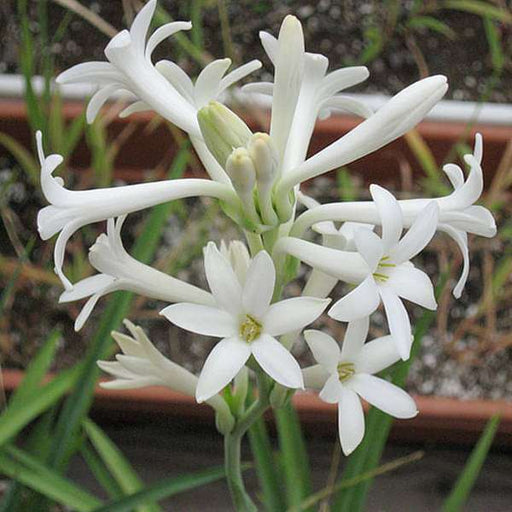
View full detailsRajnigandha, Tuberose - Plant The Rajnigandha, scientifically known as Polianthes tuberosa, is a captivating perennial plant renowned for ...
View full detailsCitronella, Odomas - Plant The Citronella plant, scientifically known as Cymbopogon nardus, is a tropical grass renowned for its aromatic ...
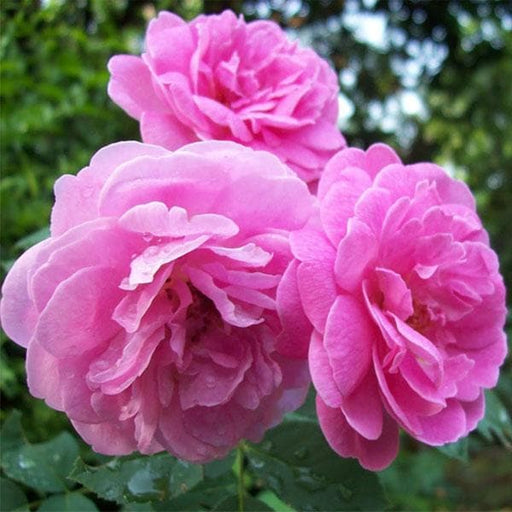
View full detailsDamascus Rose, Scented Rose (Any Color) - Plant The Damascus Rose, also known as Rosa damascena, is a timeless symbol of beauty and romanc...
View full detailsMiniature Rose, Button Rose (Any Color) - Plant The Miniature Rose, also known as the Button Rose, is a charming and compact flowering plant that ...
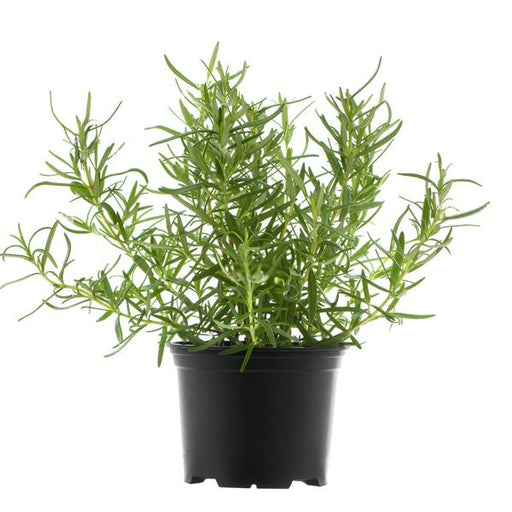
View full detailsRosemary - Plant Rosemary (Rosmarinus officinalis) is a fragrant evergreen herb native to the Mediterranean region. Known for its needle-like leav...
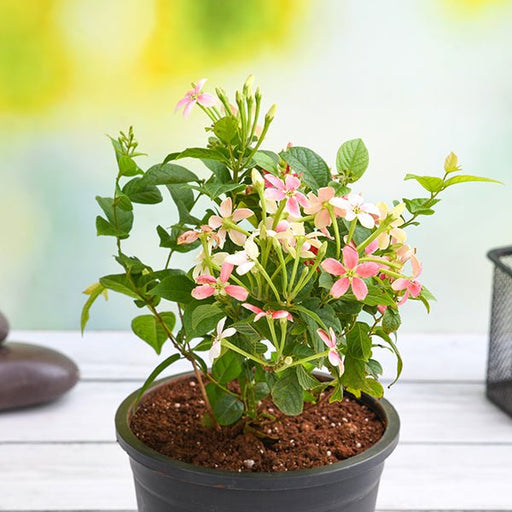
View full detailsMadhumalti Dwarf, Rangoon Creeper - Plant The Madhumalti Dwarf, also known as the Rangoon Creeper (Quisqualis indica), is a stunning perennial vin...
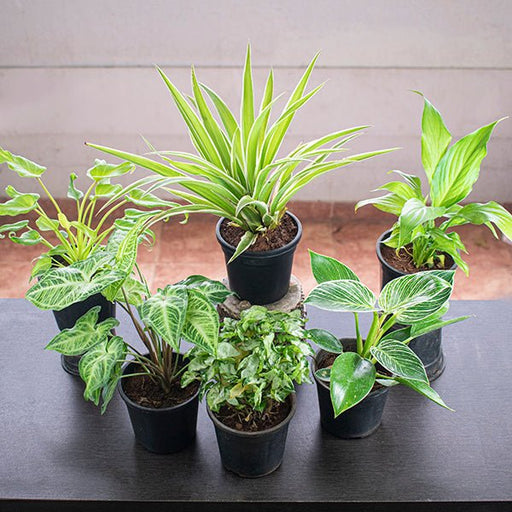
View full detailsBest 6 Plants for Perfect Indoor Garden Transform your living space into a lush oasis with our curated collection of the Best 6 Plants for a...
View full detailsBest 6 Plants for Perfect Indoor Garden Transform your living space into a lush oasis with our curated collection of the Best 6 Plants for a...
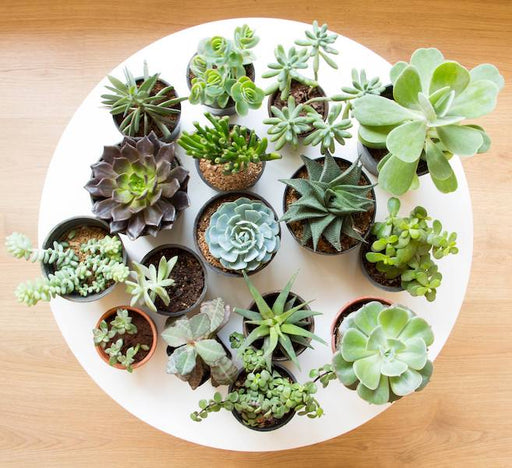
View full detailsMini Succulent Garden Pack Transform your space with our Mini Succulent Garden Pack, featuring a delightful collection of 4 any variety beautiful s...
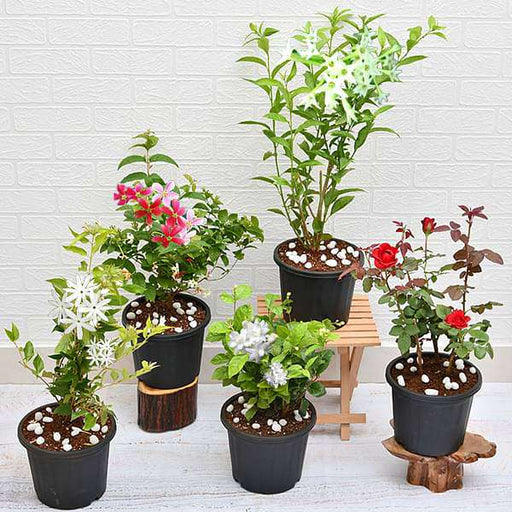
View full details5 Best Fragrant Plants Transform your garden or indoor space into a fragrant paradise with our curated selection of the 5 Best Fragrant Plants. Th...
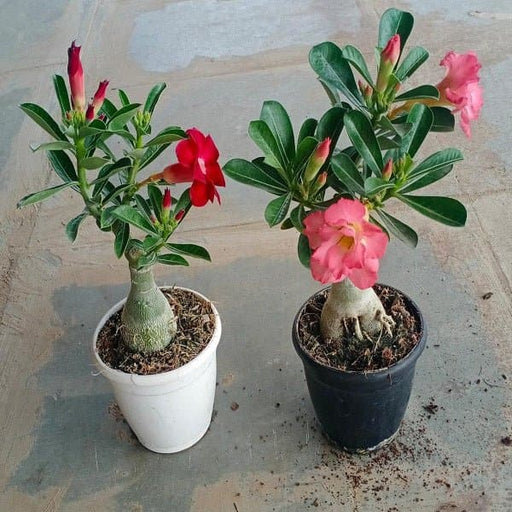
View full detailsSet of 2 Bonsai Looking Grafted Adeniums Transform your indoor or outdoor space with our exquisite Set of 2 Bonsai Looking Grafted Adenium...
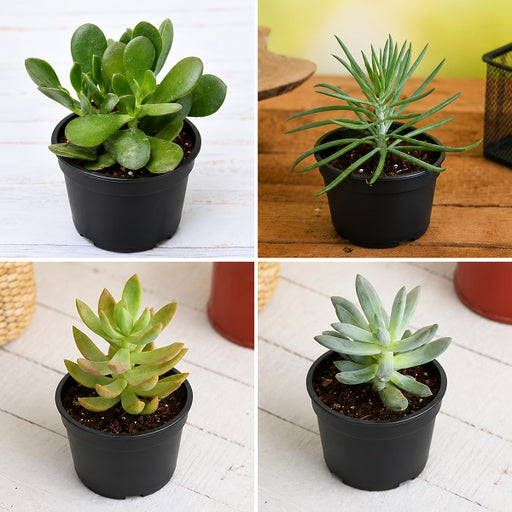
View full detailsTop 4 Die Hard Succulents Pack Note: Plants included in this pack will be delivered in a 3-inch nursery pot (any color). Transform your indoor or ...
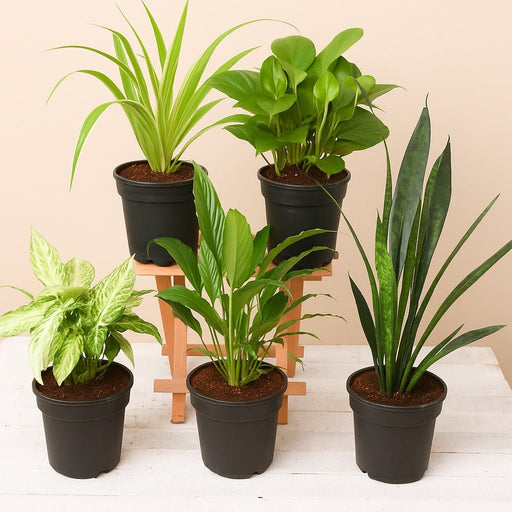
View full details5 Best Indoor Plants Pack Transform your living space into a lush oasis with our '5 Best Indoor Plants Pack.' This carefully curated collection fe...
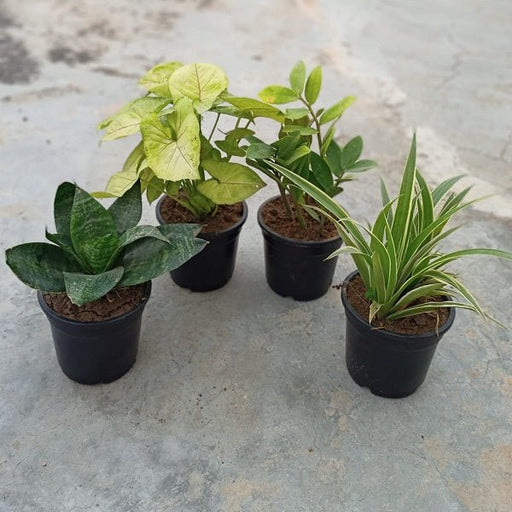
View full detailsSet of 4 Evergreen Air Purifier Plant Pack Transform your indoor space into a lush, green oasis with our Set of 4 Evergreen Air Purifier Pla...
View full detailsTop 5 Pollution Killer Plants Pack Transform your living space into a breath of fresh air with our 'Top 5 Pollution Killer Plants Pack'. This care...
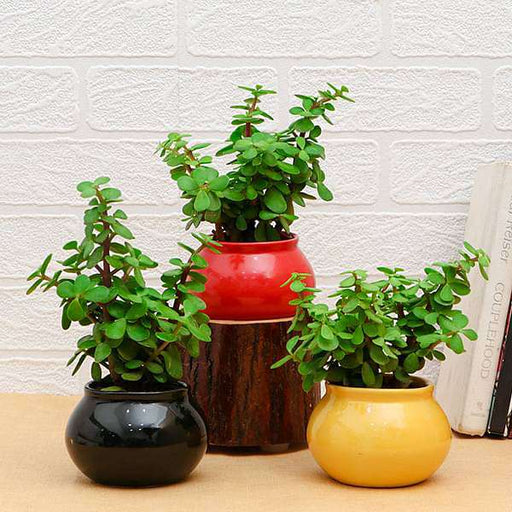
View full detailsPack of 3 Good Luck Jade Plants in Ceramic Pots Bring a touch of nature into your home with our Pack of 3 Good Luck Jade Plants, featuring...
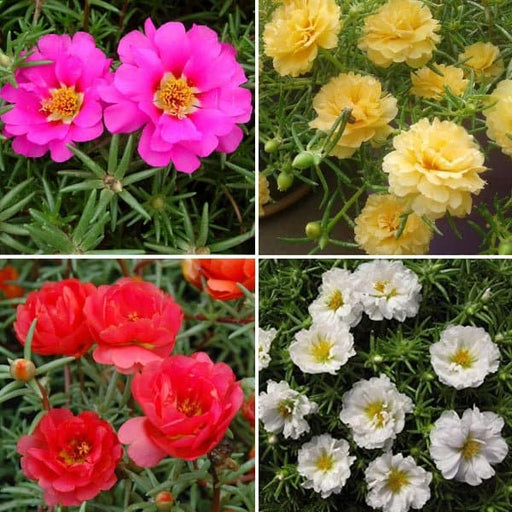
View full detailsPortulaca Garden Pack (4 Plants + 4 Black Pots) Note- You will get any color (Assorted) potted Porulaca plant with this pack. Transform your garde...
View full details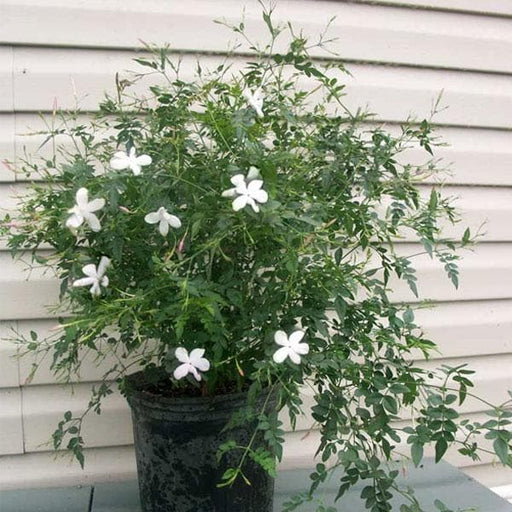






Leave a comment