
Expert Support
Available 24/7 via chat
Available 24/7 via chat
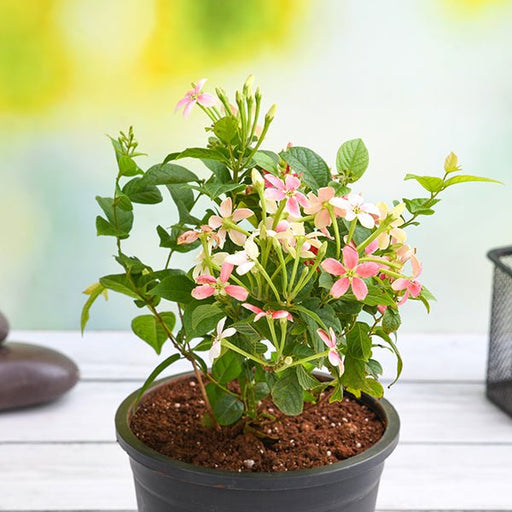
Ixora Mini Dwarf—known locally as santan or ponna—is a compact flowering shrub that brings endless charm to Indian gardens and balconies. With its vibrant clusters of tiny star-shaped flowers in shades of pink, red, orange, yellow, and white, this "Flame of the Woods" blooms abundantly through the summer season. At just 12 inches tall and 6 inches wide, the dwarf variety is perfectly suited to container gardening, making it ideal for apartment balconies, patios, and small urban gardens across India. Best of all, Ixora Mini Dwarf is incredibly easy to care for—earning its "Easy" difficulty rating—and completely pet-safe for homes with cats and dogs.
Ixora is a tropical flowering shrub native to warm, humid regions of South and Southeast Asia. The Mini Dwarf variety is a compact cultivar bred specifically for container growing and smaller spaces. Its regional names—santan (Hindi), ponna (Tamil), kheme (Marathi), rangan, chann tanea, techi, pan, and jarum-jarum—reflect its popularity across tropical gardening communities. The plant is beloved for its continuous summer blooming, low maintenance needs, and striking flower colors that attract butterflies and hummingbirds. Whether you're a seasoned gardener or a complete beginner, Ixora Mini Dwarf rewards consistent care with reliable, beautiful blooms.
| Care Aspect | Requirement |
|---|---|
| Light | Bright light; avoid direct summer sun |
| Water | Keep soil continuously moist; reduce in winter |
| Soil | Acidic soil (pH 4.5–6.5; avoid alkaline) |
| Temperature | Above 60°F year-round; avoid cold drafts |
Ixora Mini Dwarf thrives in bright, indirect light. While the plant loves sunlight—essential for abundant flowering—direct afternoon sun in India's intense summer can stress the plant and scorch delicate leaves. The ideal approach is morning sun (until 10–11 AM) with bright, diffused light for the rest of the day. If growing indoors on a balcony or near a window, ensure it receives at least 4–6 hours of good natural light daily. In winter and monsoon months, when sunlight is naturally diffused, you can be more generous with light exposure. Inadequate light leads to fewer flowers and leggy growth, so prioritize a bright location even if it's not direct sun.
Ixora likes moisture but despises waterlogging. The key is keeping the soil continuously moist during the growing season (spring through early autumn)—think of it as "moist, not wet." Check the soil with your finger; water when the top inch feels dry. During India's monsoon season, reduce watering significantly since rainfall provides ample moisture. In winter, when growth slows, water less frequently—allow the soil to dry slightly between waterings. Hard water is common in many Indian regions; if your tap water is alkaline, collect rainwater during monsoon for occasional use, or let tap water sit overnight before use. Ensure pots have drainage holes to prevent root rot, which is the most common killer of containerized Ixora.
Acidic soil is non-negotiable for Ixora Mini Dwarf. This is crucial in India where groundwater and tap water tend to be alkaline. Alkaline soil causes yellowing of leaves (iron chlorosis) and poor flowering. Use a potting mix with peat moss, coconut coir, and perlite or sand for drainage. You can also amend regular potting soil with sulfur or use soil specifically formulated for acid-loving plants. Feed during the active growing season (spring through summer) with a balanced, slow-release fertilizer or weekly liquid feeds. A bloom-promoting formula (higher phosphorus) encourages better flowering. Reduce feeding in winter when growth naturally slows. Organic options like neem cake or seaweed extracts work well and improve overall soil health.
Ixora Mini Dwarf is a tropical plant and thrives in warm conditions. Temperatures above 60°F are preferred year-round, even in winter. While it tolerates brief exposure to cooler temperatures, prolonged cold (below 50°F) or cold drafts from air conditioners or open windows during winter can damage the plant and halt flowering. In most of India's climate, winter protection is rarely needed, but northern regions should avoid placing plants near cold windows or in unheated rooms. Humidity is beneficial—the plant enjoys the natural humidity of the monsoon season. If growing in very dry conditions, misting the foliage occasionally helps, though it's not strictly necessary if watering is consistent.
Ixora Mini Dwarf can be propagated from semi-hardwood cuttings in spring or early summer. Take 4–6 inch cuttings from healthy, new growth, remove lower leaves, and dip the base in rooting hormone. Plant cuttings in moist, acidic soil (peat-based mix) and keep in bright, indirect light. Cover with a plastic bag or propagation dome to maintain humidity. Roots typically develop within 3–4 weeks. Once rooted, gradually expose the new plant to normal humidity and light before potting into individual containers. This method is ideal for multiplying your favorite color variety or sharing plants with fellow gardeners.
Ready to grow your own? Shop Ixora Mini Dwarf at Nurserylive →
Ixora Mini Dwarf (Pink) - Plant The Ixora Mini Dwarf (Pink) is a stunning ornamental plant known for its vibrant pink clusters of flowers ...
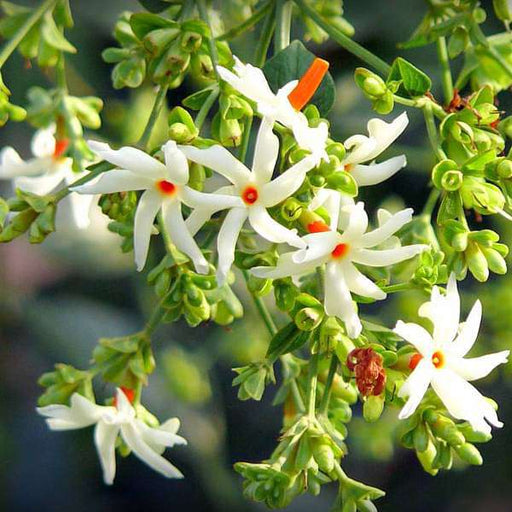
View full detailsCombo Constituents Includes the Parijat Tree (Night-Flowering Jasmine), a culturally significant plant with fragrant flowers. Description The Pari...
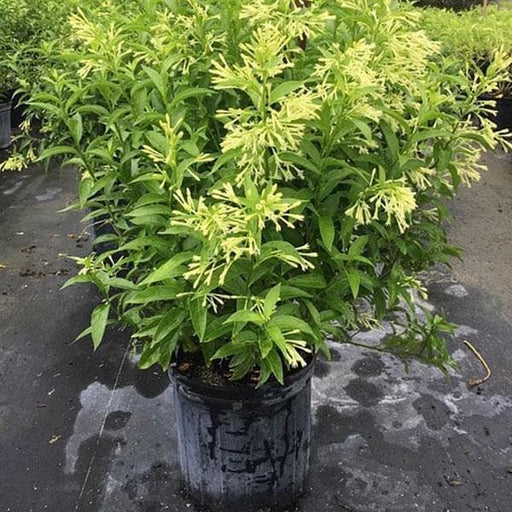
View full detailsDescription Raat Ki Rani (*Cestrum nocturnum*), also known as Night Blooming Jasmine, is a fragrant shrub native to the Caribbean and Central Ameri...
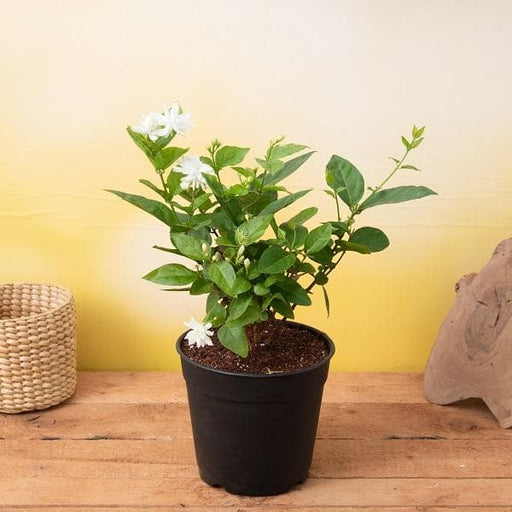
View full detailsJasminum sambac, Mogra, Arabian Jasmine - Plant Jasminum sambac, commonly known as Mogra or Arabian Jasmine, is a fragrant flowering plant...
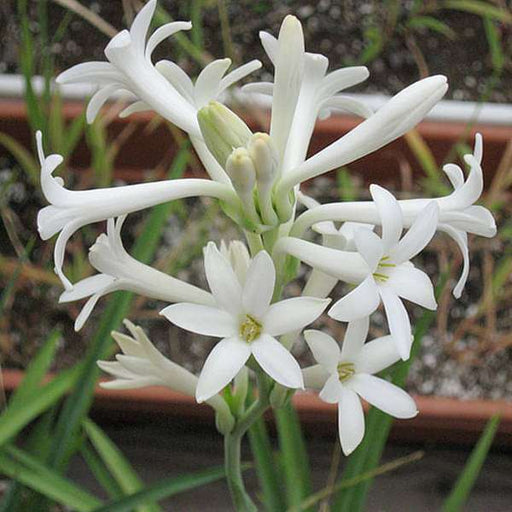
View full detailsRajnigandha, Tuberose - Plant The Rajnigandha, scientifically known as Polianthes tuberosa, is a captivating perennial plant renowned for ...
View full detailsCitronella, Odomas - Plant The Citronella plant, scientifically known as Cymbopogon nardus, is a tropical grass renowned for its aromatic ...
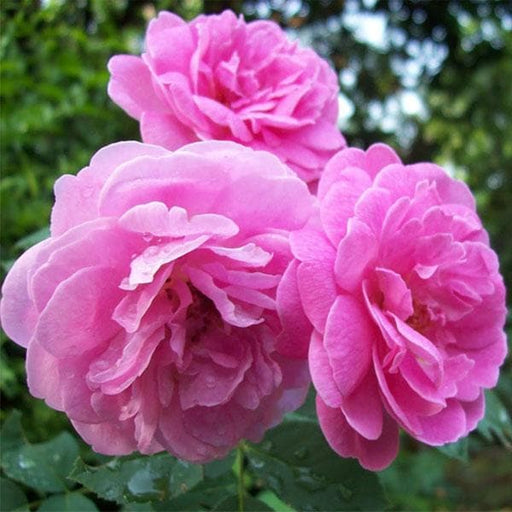
View full detailsDamascus Rose, Scented Rose (Any Color) - Plant The Damascus Rose, also known as Rosa damascena, is a timeless symbol of beauty and romanc...
View full detailsMiniature Rose, Button Rose (Any Color) - Plant The Miniature Rose, also known as the Button Rose, is a charming and compact flowering plant that ...
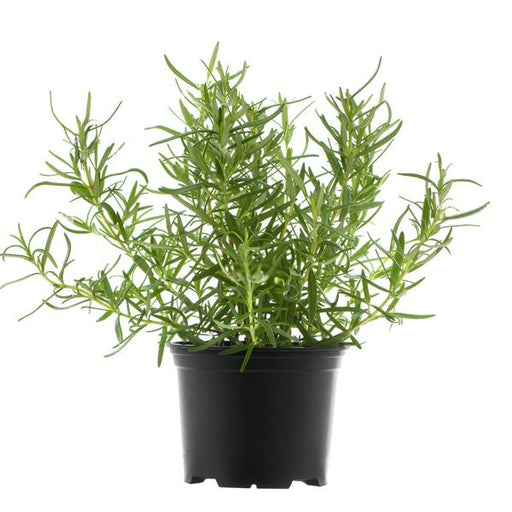
View full detailsRosemary - Plant Rosemary (Rosmarinus officinalis) is a fragrant evergreen herb native to the Mediterranean region. Known for its needle-like leav...
View full detailsMadhumalti Dwarf, Rangoon Creeper - Plant The Madhumalti Dwarf, also known as the Rangoon Creeper (Quisqualis indica), is a stunning perennial vin...
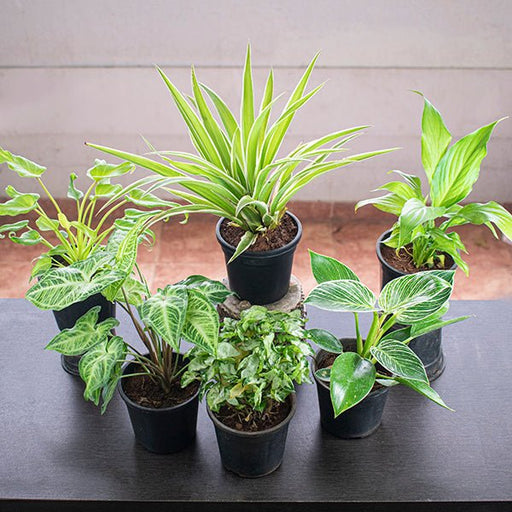
View full detailsBest 6 Plants for Perfect Indoor Garden Transform your living space into a lush oasis with our curated collection of the Best 6 Plants for a...
View full detailsBest 6 Plants for Perfect Indoor Garden Transform your living space into a lush oasis with our curated collection of the Best 6 Plants for a...
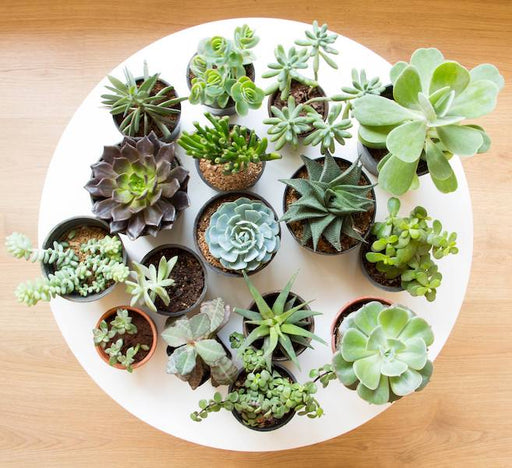
View full detailsMini Succulent Garden Pack Transform your space with our Mini Succulent Garden Pack, featuring a delightful collection of 4 any variety beautiful s...
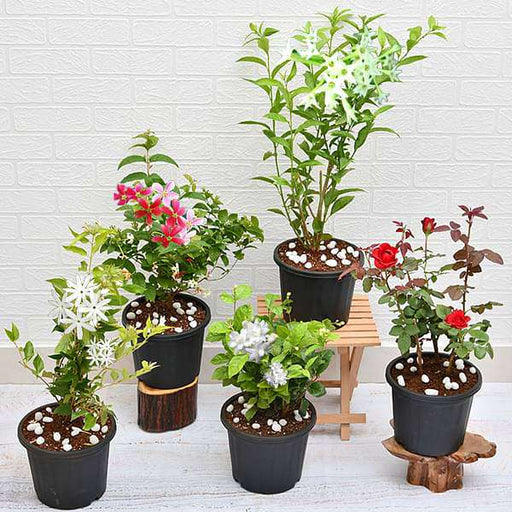
View full details5 Best Fragrant Plants Transform your garden or indoor space into a fragrant paradise with our curated selection of the 5 Best Fragrant Plants. Th...
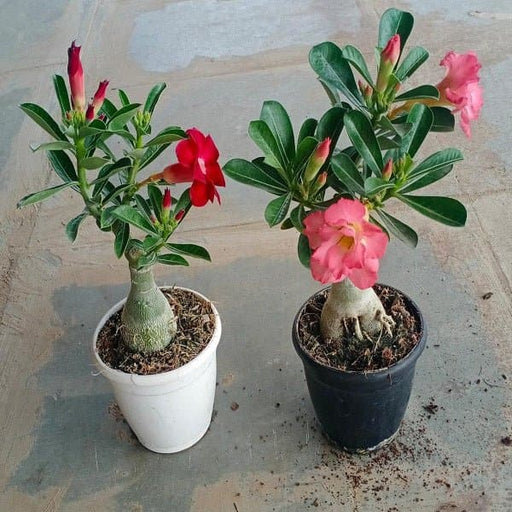
View full detailsSet of 2 Bonsai Looking Grafted Adeniums Transform your indoor or outdoor space with our exquisite Set of 2 Bonsai Looking Grafted Adenium...
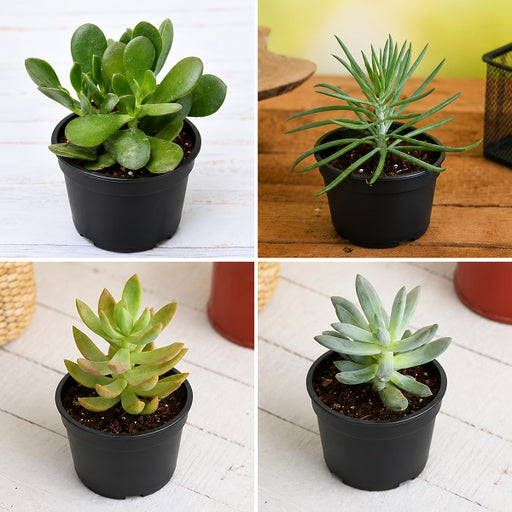
View full detailsTop 4 Die Hard Succulents Pack Note: Plants included in this pack will be delivered in a 3-inch nursery pot (any color). Transform your indoor or ...
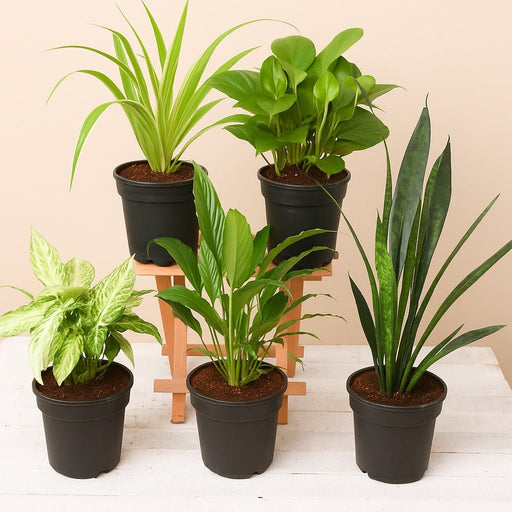
View full details5 Best Indoor Plants Pack Transform your living space into a lush oasis with our '5 Best Indoor Plants Pack.' This carefully curated collection fe...
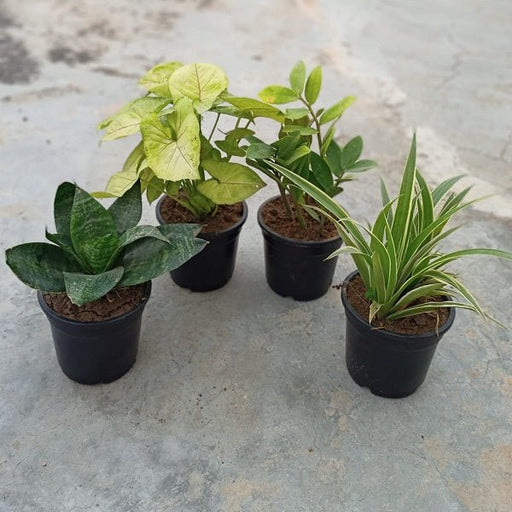
View full detailsSet of 4 Evergreen Air Purifier Plant Pack Transform your indoor space into a lush, green oasis with our Set of 4 Evergreen Air Purifier Pla...
View full detailsTop 5 Pollution Killer Plants Pack Transform your living space into a breath of fresh air with our 'Top 5 Pollution Killer Plants Pack'. This care...
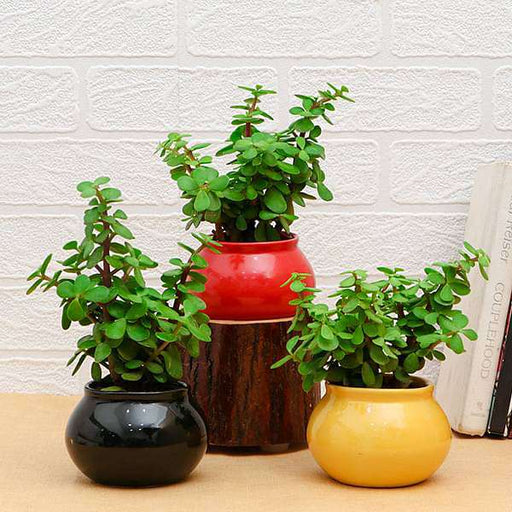
View full detailsPack of 3 Good Luck Jade Plants in Ceramic Pots Bring a touch of nature into your home with our Pack of 3 Good Luck Jade Plants, featuring...
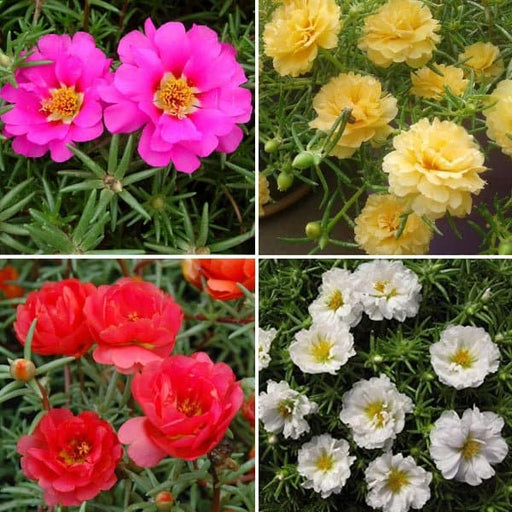
View full detailsPortulaca Garden Pack (4 Plants + 4 Black Pots) Note- You will get any color (Assorted) potted Porulaca plant with this pack. Transform your garde...
View full details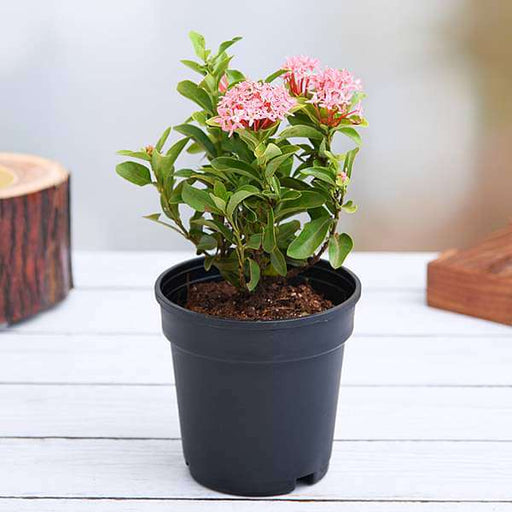





Leave a comment