
Expert Support
Available 24/7 via chat
Available 24/7 via chat
Ixora dwarf, also called Jungle Geranium, Flame of the Woods, or locally as rangan, kheme, ponna, and santan, is a stunning compact shrub that thrives in India's warm climate. This tropical plant produces vibrant clusters of flowers in shades of orange, red, yellow, pink, and white, blooming prolifically during the hot summer months. At just 12 inches tall and 5 inches wide, it's perfect for apartment balconies, terraces, and container gardening—ideal for gardeners seeking bold colour without sprawling growth. Best of all, it's pet-friendly and exceptionally easy to grow, making it perfect for both beginners and experienced gardeners.
Ixora dwarf is a compact cultivar bred specifically for urban gardening and potted landscapes. Unlike traditional Ixora that can reach 6 feet or more, this dwarf variety remains manageable at 12 inches, delivering the same fiery blooms with half the footprint. The plant is renowned for its exceptional heat tolerance and drought resilience—essential qualities for Indian gardens where summer temperatures regularly exceed 30°C.
This shrub flowers most abundantly during India's hot season (April–October), making it a reliable choice for adding colour to your garden when many other plants struggle. Its spread can extend to 3–4 inches with maturity, creating a nicely proportioned compact specimen. Whether you're growing it on a Delhi terrace, a Mumbai balcony, or in a Bangalore garden bed, Ixora dwarf rewards consistent care with months of continuous blooms.
| Aspect | Care Requirement |
|---|---|
| Light | Bright light; avoid direct sun in peak summer (11am–4pm) |
| Water | Keep soil moist but not waterlogged; reduce in winter |
| Soil | Acidic, well-draining; pH 6.0–7.0 preferred |
| Temperature | Above 60°F (15°C) year-round; protect from cold drafts |
Ixora dwarf loves bright light but needs protection from India's intense midday sun, especially during May to August. In most of India, morning sun (6am–10am) and evening light (4pm onwards) are ideal. If growing on a north-facing balcony or indoors, ensure the plant receives at least 4–5 hours of indirect bright light daily for healthy foliage and regular blooming.
During cooler months (November to February), when the sun is gentler, you can position the plant in brighter spots. This encourages bushier growth and more prolific flowering. However, during peak summer, afternoon shade is essential to prevent leaf scorch and flower drop. In South India's tropical regions, use a 30–50% shade cloth during May–July. In North India, position the plant where it receives morning sun but is shaded during the hottest hours.
Ixora dwarf enjoys consistently moist soil but despises waterlogging. This balance is crucial in India, particularly during monsoon season when excess rainfall causes root rot. Water thoroughly when the top inch of soil feels dry to the touch, then allow it to drain completely. During India's hot summers (April–June), you may need to water every 2–3 days or even daily if in a small pot; monitor the soil carefully and adjust based on your climate zone.
Reduce watering significantly during winter months (November–February) as the plant's growth slows. Water early in the morning to minimize evaporation and fungal issues. In areas with hard water—common across North India, Punjab, and cities like Delhi—Ixora may develop chlorosis (yellowing of leaves) due to high calcium and magnesium content. Collect rainwater or use filtered water when possible. Alternatively, add one teaspoon of vinegar per litre of tap water to reduce alkalinity before watering.
The most critical factor for Ixora dwarf success is soil acidity. The plant thrives in acidic to neutral soil (pH 6.0–7.0) and suffers in alkaline conditions, which cause leaf yellowing even when other care is perfect. This is particularly important in hard-water zones across India.
Use this ideal soil mix: 4 parts coconut coir or peat moss (acidic and moisture-retentive), 2 parts compost or aged manure (adds nutrients), 2 parts sand or perlite (improves drainage), and 1 part neem cake (natural slow-release fertilizer). Start feeding in spring (February–March) with a slow-release fertilizer rich in phosphorus and potassium to encourage blooming. Alternatively, feed weekly with diluted liquid fertilizer (NPK 10:10:10 or 15:30:15 for flowering) throughout the growing season (March–October). Reduce feeding in winter when the plant is dormant.
Ixora dwarf is a heat-lover and thrives in India's warm climate. Temperatures should remain above 60°F (15°C) even in winter. The plant grows best between 68–95°F (20–35°C) and actually flowers more prolifically when exposed to warm conditions. Protect potted plants from cold snaps and frost, which damage foliage and halt flowering. In high-altitude regions or hill stations where winter temperatures dip below 60°F, move containers indoors or provide protection.
Ixora appreciates moderate to high humidity, naturally abundant during India's monsoon season. During dry winters in cities like Delhi, occasional misting helps. Ensure good air circulation around the plant to prevent fungal issues, particularly in coastal regions with consistently high humidity.
Propagate Ixora dwarf using semi-hardwood cuttings taken in spring or early summer. Cut 4–6 inch healthy stems just below a leaf node, remove lower leaves, and dip in rooting hormone powder. Plant in a light, moist medium (50% peat moss and 50% sand or perlite), cover with a humidity dome or plastic bag, and keep warm at 22–25°C. Roots typically develop within 3–4 weeks. Once rooted, pot individually in acidic potting mix and maintain bright, indirect light until established.
Leaf yellowing: Usually caused by alkaline or hard water preventing nutrient uptake. Use acidic soil amendments, collect rainwater, or add vinegar to tap water.
No flowers: Insufficient light or low phosphorus levels. Increase bright light exposure and feed with a phosphorus-rich fertilizer during growing season.
Wilting: Either underwatering or root rot from overwatering. Check soil moisture and adjust. If soil smells foul, repot into fresh, well-draining soil.
Pests: Spider mites and mealybugs are occasional issues in hot, dry conditions. Spray with neem oil solution (5% neem oil in water) every 7–10 days until clear.
Fungal issues: Ensure good drainage and air circulation to prevent leaf spot or powdery mildew, especially during monsoon.
Ready to grow your own? Shop Ixora dwarf at Nurserylive →
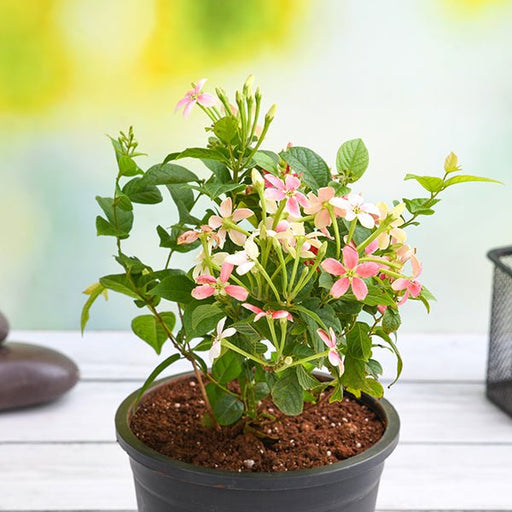
Ixora Dwarf (Orange) - Plant The Ixora Dwarf (Orange) is a stunning ornamental plant known for its vibrant clusters of orange flowers that...
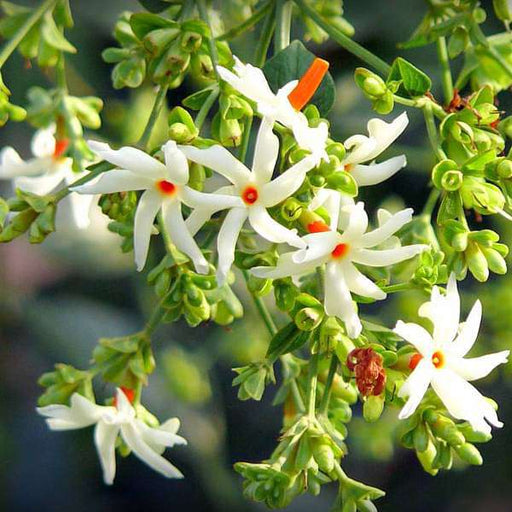
View full detailsCombo Constituents Includes the Parijat Tree (Night-Flowering Jasmine), a culturally significant plant with fragrant flowers. Description The Pari...
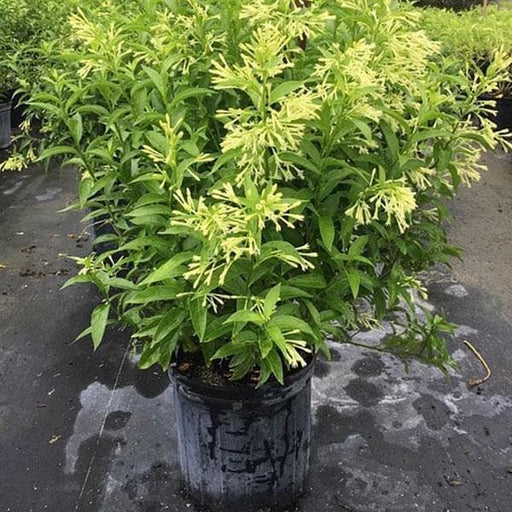
View full detailsDescription Raat Ki Rani (*Cestrum nocturnum*), also known as Night Blooming Jasmine, is a fragrant shrub native to the Caribbean and Central Ameri...
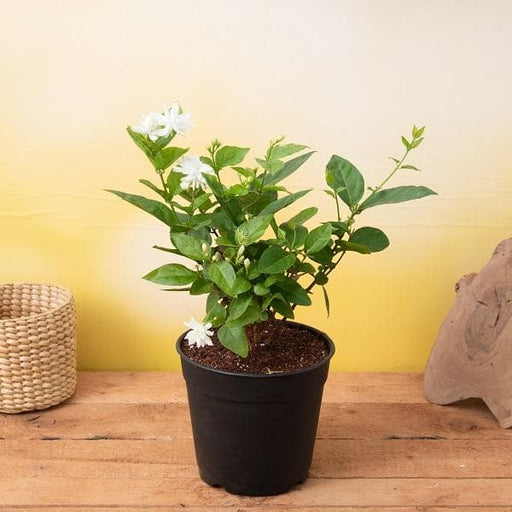
View full detailsJasminum sambac, Mogra, Arabian Jasmine - Plant Jasminum sambac, commonly known as Mogra or Arabian Jasmine, is a fragrant flowering plant...
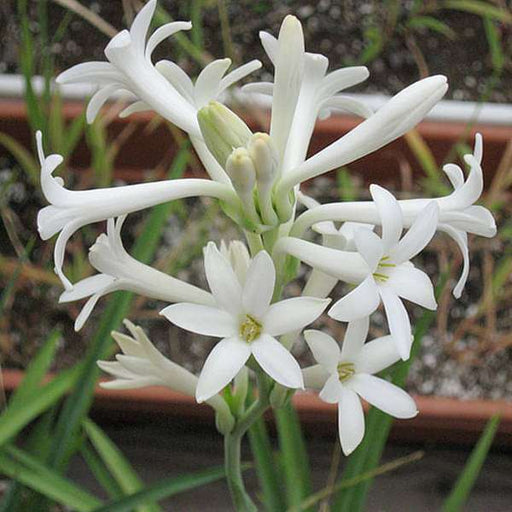
View full detailsRajnigandha, Tuberose - Plant The Rajnigandha, scientifically known as Polianthes tuberosa, is a captivating perennial plant renowned for ...
View full detailsCitronella, Odomas - Plant The Citronella plant, scientifically known as Cymbopogon nardus, is a tropical grass renowned for its aromatic ...
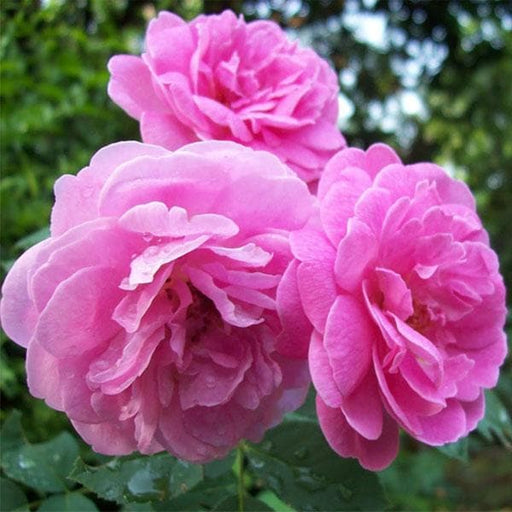
View full detailsDamascus Rose, Scented Rose (Any Color) - Plant The Damascus Rose, also known as Rosa damascena, is a timeless symbol of beauty and romanc...
View full detailsMiniature Rose, Button Rose (Any Color) - Plant The Miniature Rose, also known as the Button Rose, is a charming and compact flowering plant that ...
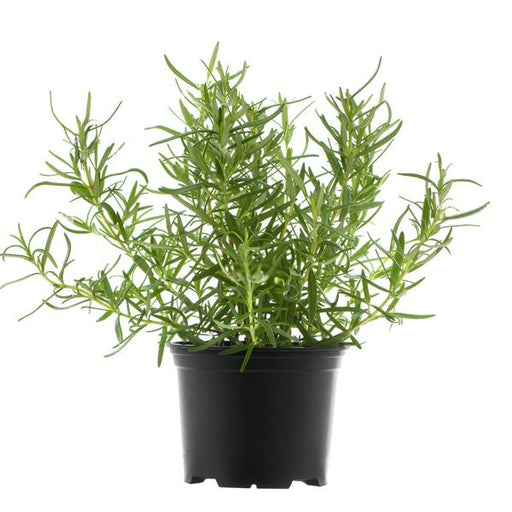
View full detailsRosemary - Plant Rosemary (Rosmarinus officinalis) is a fragrant evergreen herb native to the Mediterranean region. Known for its needle-like leav...
View full detailsMadhumalti Dwarf, Rangoon Creeper - Plant The Madhumalti Dwarf, also known as the Rangoon Creeper (Quisqualis indica), is a stunning perennial vin...
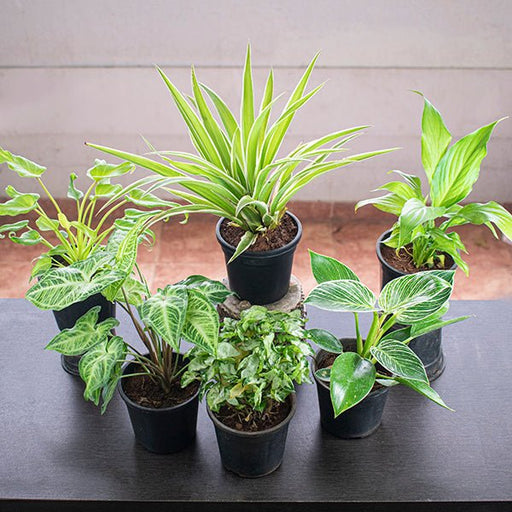
View full detailsBest 6 Plants for Perfect Indoor Garden Transform your living space into a lush oasis with our curated collection of the Best 6 Plants for a...
View full detailsBest 6 Plants for Perfect Indoor Garden Transform your living space into a lush oasis with our curated collection of the Best 6 Plants for a...
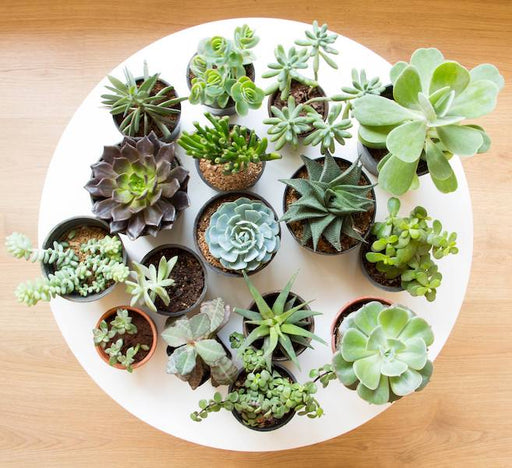
View full detailsMini Succulent Garden Pack Transform your space with our Mini Succulent Garden Pack, featuring a delightful collection of 4 any variety beautiful s...
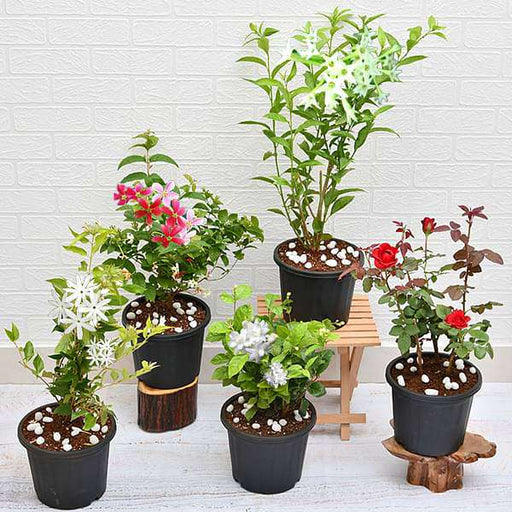
View full details5 Best Fragrant Plants Transform your garden or indoor space into a fragrant paradise with our curated selection of the 5 Best Fragrant Plants. Th...
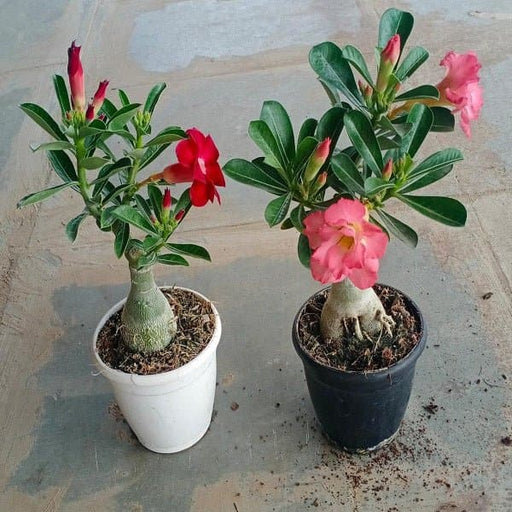
View full detailsSet of 2 Bonsai Looking Grafted Adeniums Transform your indoor or outdoor space with our exquisite Set of 2 Bonsai Looking Grafted Adenium...
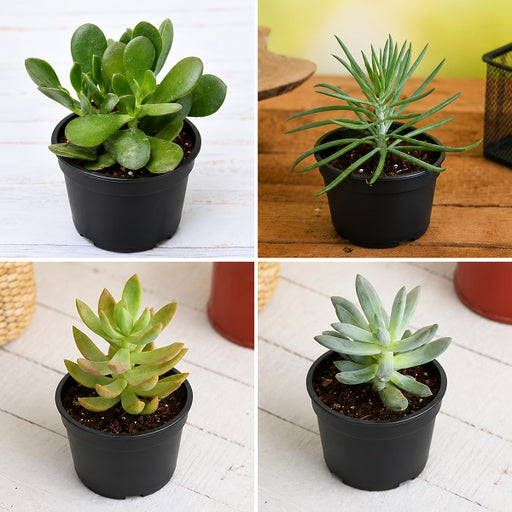
View full detailsTop 4 Die Hard Succulents Pack Note: Plants included in this pack will be delivered in a 3-inch nursery pot (any color). Transform your indoor or ...
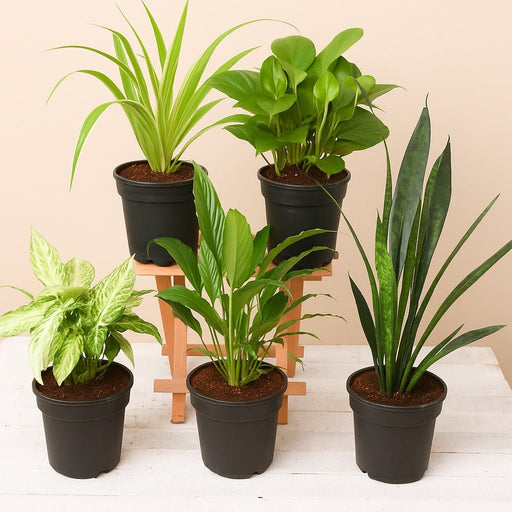
View full details5 Best Indoor Plants Pack Transform your living space into a lush oasis with our '5 Best Indoor Plants Pack.' This carefully curated collection fe...
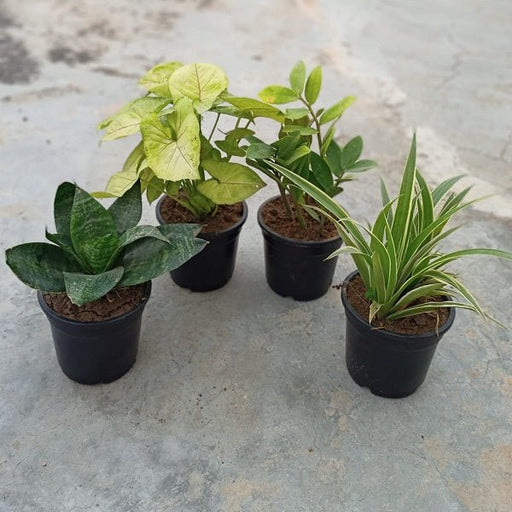
View full detailsSet of 4 Evergreen Air Purifier Plant Pack Transform your indoor space into a lush, green oasis with our Set of 4 Evergreen Air Purifier Pla...
View full detailsTop 5 Pollution Killer Plants Pack Transform your living space into a breath of fresh air with our 'Top 5 Pollution Killer Plants Pack'. This care...
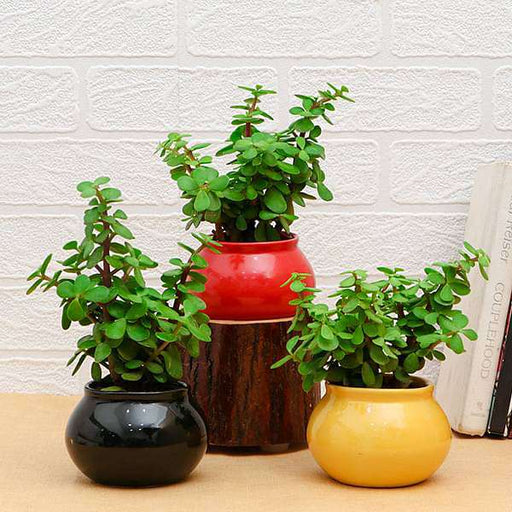
View full detailsPack of 3 Good Luck Jade Plants in Ceramic Pots Bring a touch of nature into your home with our Pack of 3 Good Luck Jade Plants, featuring...
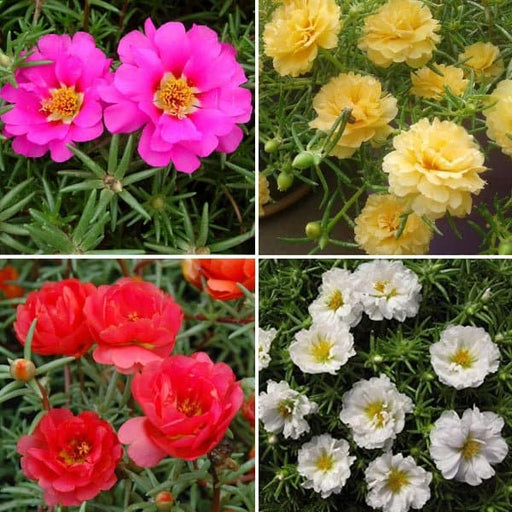
View full detailsPortulaca Garden Pack (4 Plants + 4 Black Pots) Note- You will get any color (Assorted) potted Porulaca plant with this pack. Transform your garde...
View full details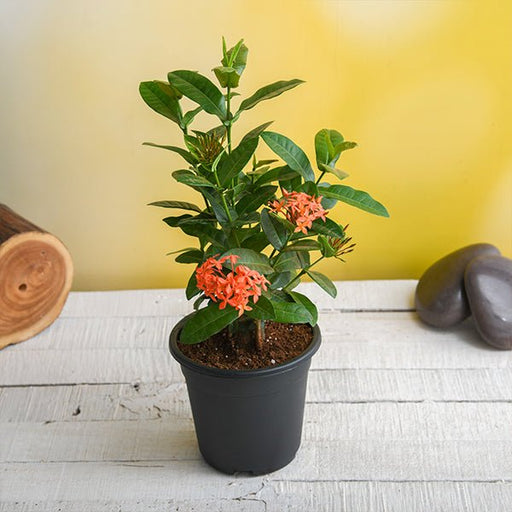





Leave a comment