
Expert Support
Available 24/7 via chat
Available 24/7 via chat
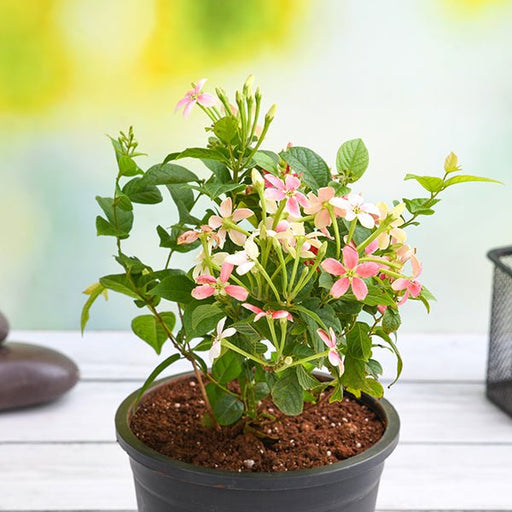
If you're looking for a flowering plant that thrives in India's intense heat and asks for minimal fuss, Ixora is your answer. Known locally as rangan, santan, kheme, and techi across different regions, this compact shrub produces clusters of vibrant flowers that bloom through the summer season. With its drought tolerance and perennial flowering habit, Ixora is ideal whether you're gardening in a small apartment or creating a landscape display. This guide walks you through everything you need to know to keep your Ixora healthy and flowering.
Ixora, commonly called Flame of the Woods, Jungle Geranium, or West Indian Jasmine, is a tropical shrub native to warm climates. In India, it's a beloved garden plant, particularly in regions with hot, dry summers. The plant typically grows to a compact size—reaching about 12 inches (30 cm) in height and 6 inches (15 cm) in spread—making it perfect for container gardening or small spaces. With proper care, it can reach 3 to 4 inches in spread and produce flowers in various colors throughout the summer season. Ixora is pet friendly, non-toxic, and can be grown in pots indoors or as part of your landscape design.
| Care Factor | Requirement |
|---|---|
| Light | Bright light; avoid direct summer sun |
| Water | Moderate; drought tolerant |
| Soil | Sandy soil with good drainage |
| Temperature | 20–35°C (ideal for most of India) |
Ixora loves bright light and will bloom most prolifically when it receives plenty of illumination. However, India's intense summer sun can scorch the foliage and stress the plant. Position your Ixora where it receives bright light throughout the day but is sheltered from direct afternoon sun during peak summer months (April to June). A location with morning sun and afternoon shade is ideal. If growing indoors, place it near a bright window. Insufficient light will result in fewer flowers and weak, leggy growth, so ensure your plant gets at least 4–6 hours of bright indirect light daily.
One of Ixora's best traits is its drought tolerance, making it forgiving for busy gardeners. Water moderately—only when the top inch of soil feels dry to the touch. During the growing season (spring and summer), this might mean watering twice weekly, depending on your local climate and pot size. In monsoon season, reduce watering significantly since rainfall and humidity will supplement moisture. Allow the soil to dry out slightly between waterings to prevent root rot, which is the most common issue in waterlogged conditions. In winter, water even less frequently. Using well-draining pots with drainage holes is essential to prevent water accumulation.
Ixora thrives in sandy soil with excellent drainage. If your garden soil is heavy clay, amend it with sand, perlite, or compost to improve texture and prevent waterlogging. A light, well-draining potting mix works best for container-grown plants. Feed your Ixora in spring with slow-release pellets to provide steady nutrition through the growing season. Alternatively, apply liquid fertilizer weekly during the growing season to encourage abundant blooms. Avoid over-fertilizing, which promotes leafy growth at the expense of flowers. Hard water common in many Indian regions won't harm Ixora, though you may notice mineral deposits on leaves—simply wipe them clean with a damp cloth.
Ixora's ideal temperature range is 20–35°C, which aligns perfectly with most Indian climates. The plant is heat-loving and will perform best in warm conditions. Protect it from temperatures below 15°C, as cold stress can damage growth and reduce flowering. India's monsoon brings humidity, which Ixora tolerates well—just ensure air circulation around the plant to prevent fungal issues during humid months. In very dry winter months or in regions with low humidity, misting the foliage occasionally can help, though the plant is generally moisture-tolerant and doesn't require constant humidity.
Propagating Ixora from semi-hardwood cuttings is straightforward. Take 4–6 inch cuttings from healthy, non-flowering stems during the growing season (spring or early summer). Remove the lower leaves and dip the cut end in rooting hormone powder. Plant the cutting in a sandy, well-draining propagation medium and keep it lightly moist. Place it in bright, indirect light and maintain warmth—rooting typically occurs within 3–4 weeks. Once roots develop (you can check by gentle tugging), transplant the rooted cutting into a small pot with regular potting soil. Young plants will begin flowering within a few months of establishing roots.
Ixora is relatively problem-free when grown in proper conditions. Root rot is the most serious issue and results from overwatering or poor drainage—prevent this by ensuring sandy, well-draining soil and reducing water frequency. Spider mites and whiteflies may appear in hot, dry conditions; spray affected plants with neem oil solution (a common, organic solution available across India) every 5–7 days until pests are controlled. Yellowing leaves often signal waterlogging, poor drainage, or nutrient deficiency—assess soil moisture first. If leaves drop, check for cold drafts or temperature fluctuations, as Ixora prefers consistent warmth. Scale insects may occasionally infest plants; remove them with a soft brush or treat with neem spray.
Ready to grow your own? Shop Ixora at Nurserylive →
Ixora (Any Color) - Plant The Ixora plant, known for its vibrant clusters of small flowers, is a tropical shrub that adds a splash of colo...
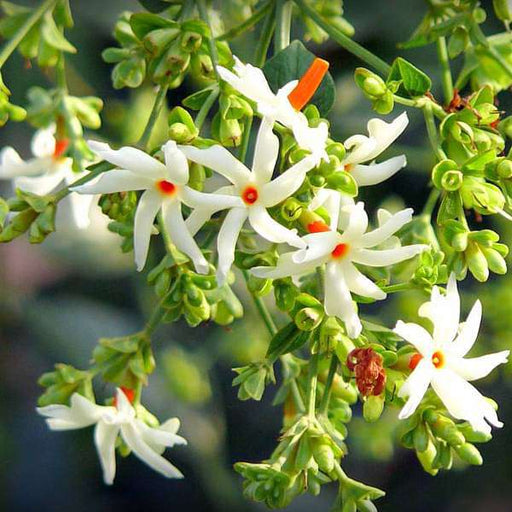
View full detailsCombo Constituents Includes the Parijat Tree (Night-Flowering Jasmine), a culturally significant plant with fragrant flowers. Description The Pari...
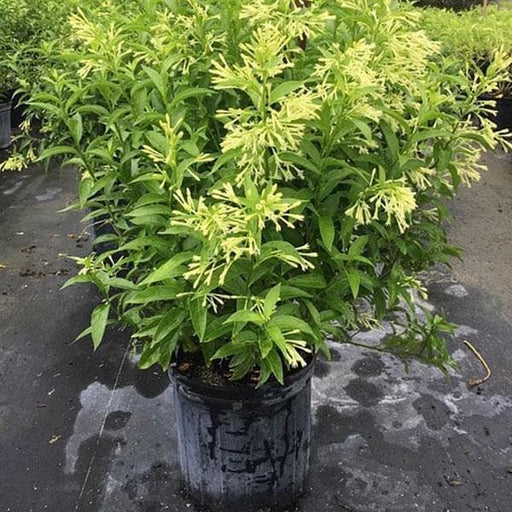
View full detailsDescription Raat Ki Rani (*Cestrum nocturnum*), also known as Night Blooming Jasmine, is a fragrant shrub native to the Caribbean and Central Ameri...
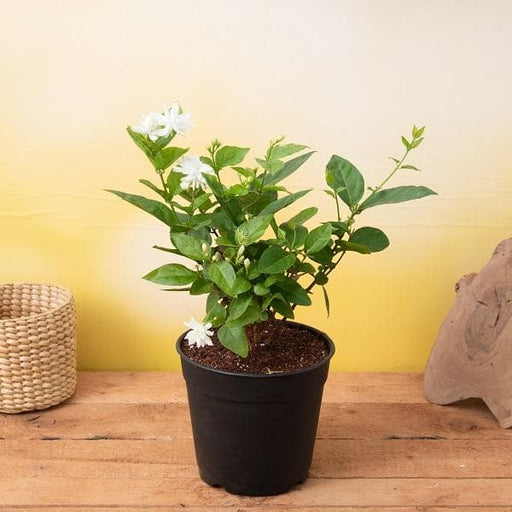
View full detailsJasminum sambac, Mogra, Arabian Jasmine - Plant Jasminum sambac, commonly known as Mogra or Arabian Jasmine, is a fragrant flowering plant...
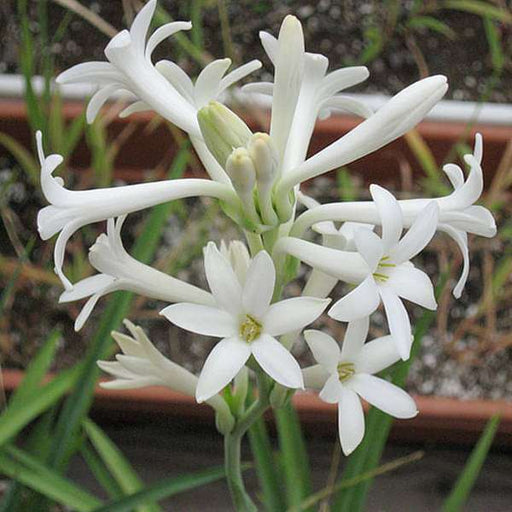
View full detailsRajnigandha, Tuberose - Plant The Rajnigandha, scientifically known as Polianthes tuberosa, is a captivating perennial plant renowned for ...
View full detailsCitronella, Odomas - Plant The Citronella plant, scientifically known as Cymbopogon nardus, is a tropical grass renowned for its aromatic ...
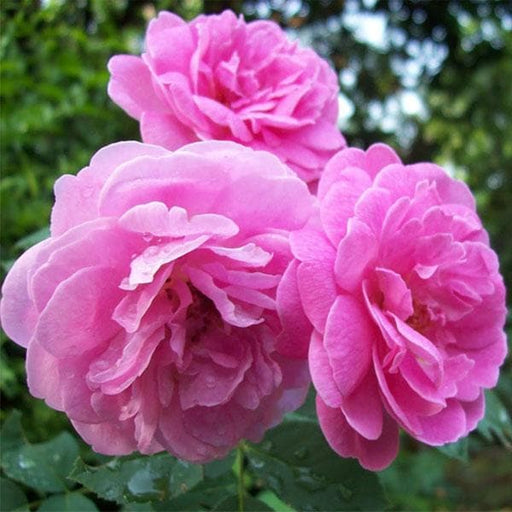
View full detailsDamascus Rose, Scented Rose (Any Color) - Plant The Damascus Rose, also known as Rosa damascena, is a timeless symbol of beauty and romanc...
View full detailsMiniature Rose, Button Rose (Any Color) - Plant The Miniature Rose, also known as the Button Rose, is a charming and compact flowering plant that ...
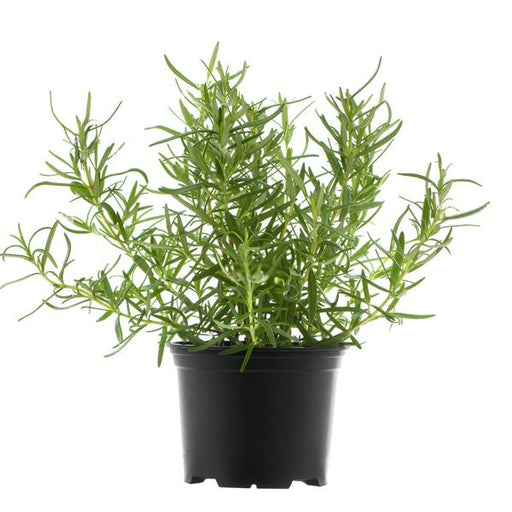
View full detailsRosemary - Plant Rosemary (Rosmarinus officinalis) is a fragrant evergreen herb native to the Mediterranean region. Known for its needle-like leav...
View full detailsMadhumalti Dwarf, Rangoon Creeper - Plant The Madhumalti Dwarf, also known as the Rangoon Creeper (Quisqualis indica), is a stunning perennial vin...
View full detailsBest 6 Plants for Perfect Indoor Garden Transform your living space into a lush oasis with our curated collection of the Best 6 Plants for a...
View full detailsBest 6 Plants for Perfect Indoor Garden Transform your living space into a lush oasis with our curated collection of the Best 6 Plants for a...
View full detailsMini Succulent Garden Pack Transform your space with our Mini Succulent Garden Pack, featuring a delightful collection of 4 any variety beautiful s...
View full details5 Best Fragrant Plants Transform your garden or indoor space into a fragrant paradise with our curated selection of the 5 Best Fragrant Plants. Th...
View full detailsSet of 2 Bonsai Looking Grafted Adeniums Transform your indoor or outdoor space with our exquisite Set of 2 Bonsai Looking Grafted Adenium...
View full detailsTop 4 Die Hard Succulents Pack Note: Plants included in this pack will be delivered in a 3-inch nursery pot (any color). Transform your indoor or ...
View full details5 Best Indoor Plants Pack Transform your living space into a lush oasis with our '5 Best Indoor Plants Pack.' This carefully curated collection fe...
View full detailsSet of 4 Evergreen Air Purifier Plant Pack Transform your indoor space into a lush, green oasis with our Set of 4 Evergreen Air Purifier Pla...
View full detailsTop 5 Pollution Killer Plants Pack Transform your living space into a breath of fresh air with our 'Top 5 Pollution Killer Plants Pack'. This care...
View full detailsPack of 3 Good Luck Jade Plants in Ceramic Pots Bring a touch of nature into your home with our Pack of 3 Good Luck Jade Plants, featuring...
View full detailsPortulaca Garden Pack (4 Plants + 4 Black Pots) Note- You will get any color (Assorted) potted Porulaca plant with this pack. Transform your garde...
View full details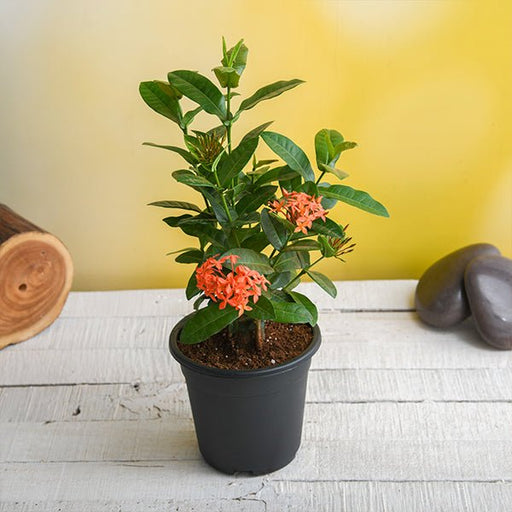














Leave a comment