
Expert Support
Available 24/7 via chat
Available 24/7 via chat
The Insulin plant, scientifically known as Costus igneus, has earned its reputation as one of India's most beloved medicinal houseplants. Known locally as Fiery Costus or Spiral Flag, this tropical gem produces vibrant orange flowers during summer and thrives in the Indian climate, especially during the monsoon season. Whether you're a seasoned gardener or just starting out, the Insulin plant's easy-to-grow nature makes it an ideal choice for container gardening in apartments, balconies, and home gardens.
The Insulin plant (Costus igneus) is a tropical perennial that reaches about 18 inches (46 cm) in height with a spread of 5 inches (13 cm) when mature, though it can grow up to 2 feet under ideal conditions. Its most distinctive feature is its spiral arrangement of leaves, which gives rise to its common name, Spiral Flag. The plant is prized not just for its ornamental appeal but also for its medicinal properties, making it a staple in traditional Indian households.
The striking orange flowers bloom during the summer season, adding vibrant colour to your space. The attractive foliage remains a draw even when the plant isn't flowering, making it a year-round visual asset. Best of all, its compact size and pot-growing capability make it perfect for Indian homes where space is often at a premium.
| Care Aspect | Requirements |
|---|---|
| Light | Bright, Indirect Sunlight |
| Watering | When top 1–2 inches of soil feel dry |
| Soil | Well-draining, nutrient-rich soil |
| Temperature | 18–29°C (Optimal for Indian climate) |
The Insulin plant thrives in bright, indirect sunlight, making it ideal for east or north-facing windows in Indian homes. This means it loves light but prefers not to be scorched by harsh afternoon sun, which is particularly intense during Indian summers. If you're placing it indoors, position it near a window where it receives dappled light or bright indirect rays throughout the day.
If your space gets very limited light, the plant will still survive but may grow slower and flower less prolifically. Conversely, direct harsh afternoon sunlight—especially during peak summer months—can sometimes stress the plant. A bright room without direct sun rays is the sweet spot for optimal growth and flowering.
One of the keys to keeping your Insulin plant healthy is mastering the watering schedule. Water the plant only when the top 1–2 inches of soil feel dry to the touch—this is your most important watering rule. Do not overwater; the plant prefers slightly moist soil but absolutely cannot tolerate waterlogged conditions.
During Indian summers, when temperatures are higher and water evaporates faster, water more thoroughly. However, even in summer, always check the soil first before watering. During monsoons, rainfall may provide adequate moisture, so reduce your watering frequency accordingly to prevent root rot. In winters, when growth slows, water even more sparingly.
Using room-temperature water is preferable. If your area has hard water (common in many parts of India), consider collecting rainwater during monsoons to use for your plant, as it's free of minerals that might accumulate in the soil over time.
Soil quality is crucial for the Insulin plant's success. Use well-draining, nutrient-rich potting soil that allows water to pass through without waterlogging the roots. A good potting mix might include coconut coir, peat moss, and perlite or coarse sand to ensure proper drainage. Never use garden soil directly from your yard, as it compacts easily and retains too much moisture for container growing.
Feed your Insulin plant with any organic fertilizer during the growing season (spring and summer). Organic options like neem-based fertilizers, compost, or diluted liquid seaweed extracts work wonderfully and align with sustainable gardening practices. Apply fertilizer once monthly during warmer months, and reduce feeding frequency during winter when growth naturally slows.
The Insulin plant thrives in temperatures between 18–29°C, which fortunately covers most of India's climate range, especially during monsoon and winter months. This temperature band excludes extreme heat peaks above 29°C that occur in May–June in some parts of India.
The plant genuinely loves the humidity that comes naturally during India's monsoon season and thrives during this period. If you live in drier regions or during dry seasons, boost humidity by misting the leaves occasionally or placing the pot on a water-filled pebble tray (ensuring the pot itself doesn't touch the water). Grouping your Insulin plant with other tropical plants also creates a beneficial humid microclimate.
Propagating the Insulin plant is straightforward and rewarding. The most common method is stem cuttings: take 4–6 inch cuttings from healthy, vigorous stems using clean, sharp scissors. Remove the lower leaves, leaving 2–3 leaves at the top. Place the cutting in moist, well-draining soil and keep it in a warm, bright location.
Roots typically develop within 2–4 weeks, after which you can treat the new plant as a mature specimen. The plant's pot-growing capability means you can easily propagate and gift rooted cuttings to friends and family—it's one of the joys of growing this popular medicinal plant.
Despite being easy to grow, the Insulin plant can face a few challenges. Overwatering is the most common issue, leading to root rot and yellowing leaves. The remedy is simple: let the soil dry between waterings and ensure your pot has adequate drainage holes. If root rot has already set in, repot the plant into fresh soil immediately.
Poor drainage is another culprit behind many problems. If you notice stunted growth or a persistent musty smell from the soil, check that your potting mix isn't compacted and that your pot drains freely. Yellowing leaves combined with moist soil is almost always a drainage or watering issue.
Spider mites and mealybugs can occasionally appear in very dry conditions. If you notice sticky residue or tiny webs on leaves, isolate the plant and spray it with neem oil solution, a natural pesticide favored by Indian gardeners.
Ready to grow your own? Shop Insulin at Nurserylive →
Insulin Plant, Costus igneus - Plant Description The Insulin Plant, scientifically known as Costus igneus, is a vibrant perennial herb native to S...
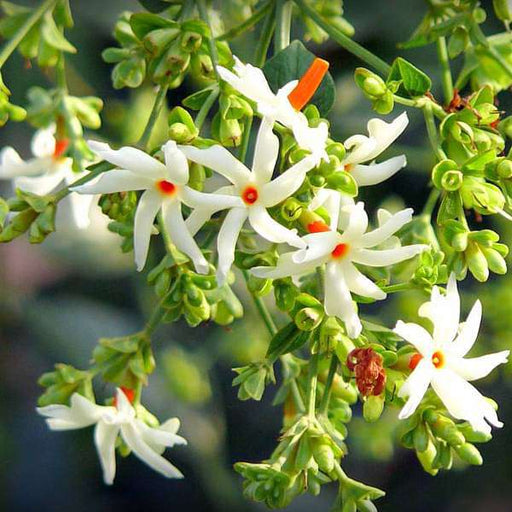
View full detailsCombo Constituents Includes the Parijat Tree (Night-Flowering Jasmine), a culturally significant plant with fragrant flowers. Description The Pari...
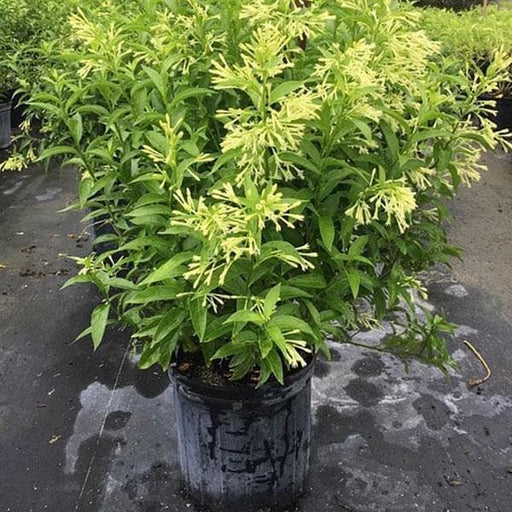
View full detailsDescription Raat Ki Rani (*Cestrum nocturnum*), also known as Night Blooming Jasmine, is a fragrant shrub native to the Caribbean and Central Ameri...
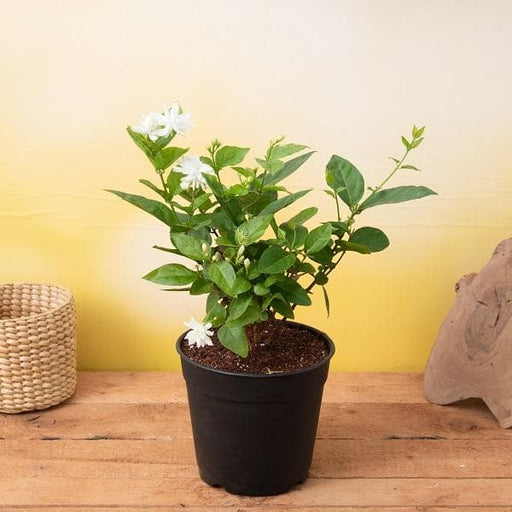
View full detailsJasminum sambac, Mogra, Arabian Jasmine - Plant Jasminum sambac, commonly known as Mogra or Arabian Jasmine, is a fragrant flowering plant...
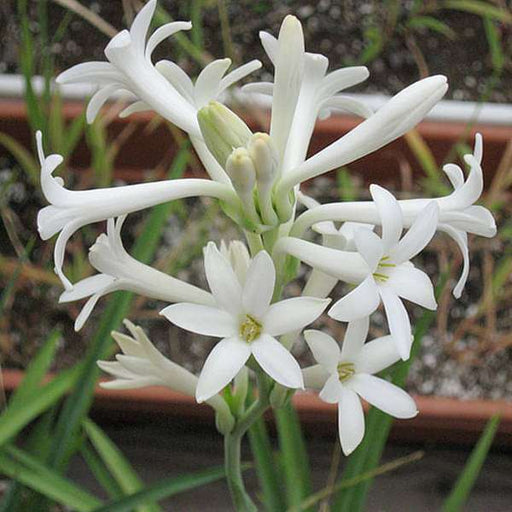
View full detailsRajnigandha, Tuberose - Plant The Rajnigandha, scientifically known as Polianthes tuberosa, is a captivating perennial plant renowned for ...
View full detailsCitronella, Odomas - Plant The Citronella plant, scientifically known as Cymbopogon nardus, is a tropical grass renowned for its aromatic ...
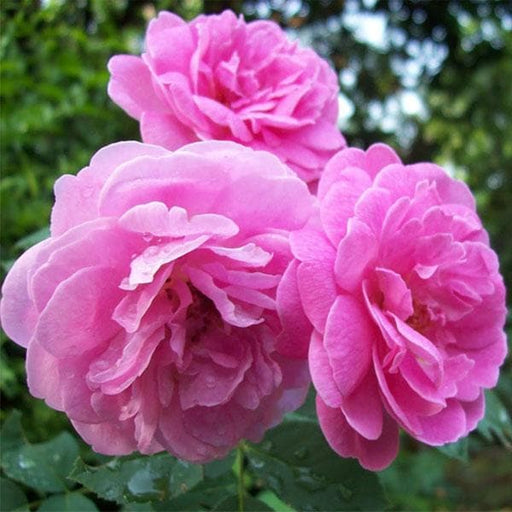
View full detailsDamascus Rose, Scented Rose (Any Color) - Plant The Damascus Rose, also known as Rosa damascena, is a timeless symbol of beauty and romanc...
View full detailsMiniature Rose, Button Rose (Any Color) - Plant The Miniature Rose, also known as the Button Rose, is a charming and compact flowering plant that ...
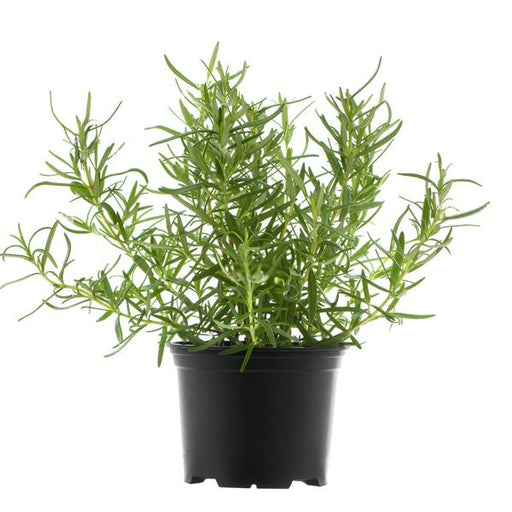
View full detailsRosemary - Plant Rosemary (Rosmarinus officinalis) is a fragrant evergreen herb native to the Mediterranean region. Known for its needle-like leav...
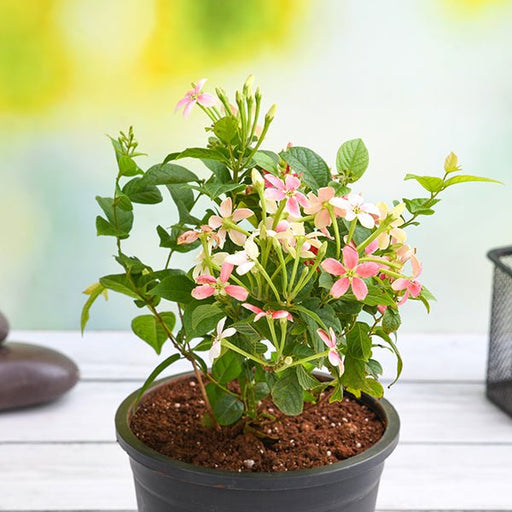
View full detailsMadhumalti Dwarf, Rangoon Creeper - Plant The Madhumalti Dwarf, also known as the Rangoon Creeper (Quisqualis indica), is a stunning perennial vin...
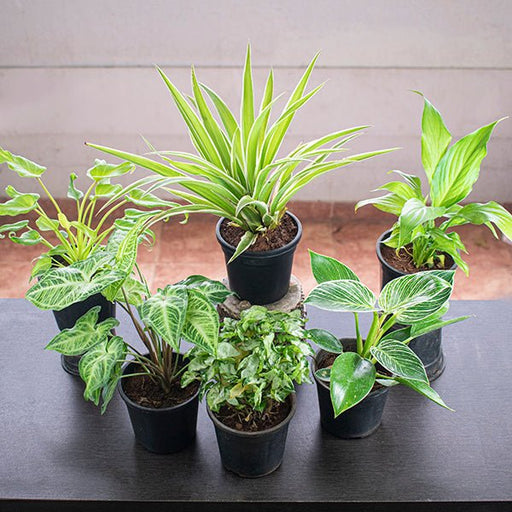
View full detailsBest 6 Plants for Perfect Indoor Garden Transform your living space into a lush oasis with our curated collection of the Best 6 Plants for a...
View full detailsBest 6 Plants for Perfect Indoor Garden Transform your living space into a lush oasis with our curated collection of the Best 6 Plants for a...
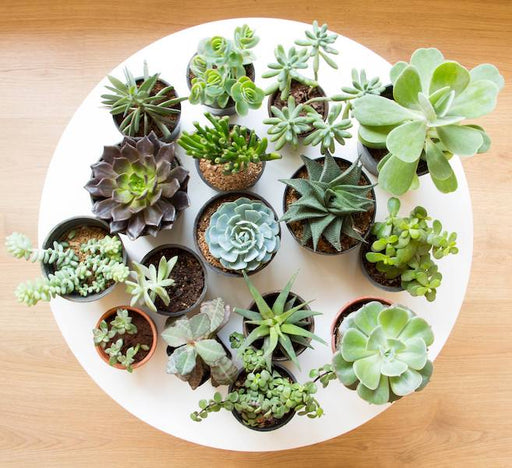
View full detailsMini Succulent Garden Pack Transform your space with our Mini Succulent Garden Pack, featuring a delightful collection of 4 any variety beautiful s...
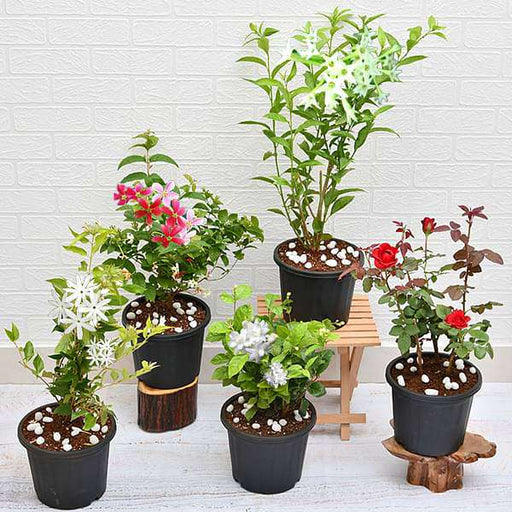
View full details5 Best Fragrant Plants Transform your garden or indoor space into a fragrant paradise with our curated selection of the 5 Best Fragrant Plants. Th...
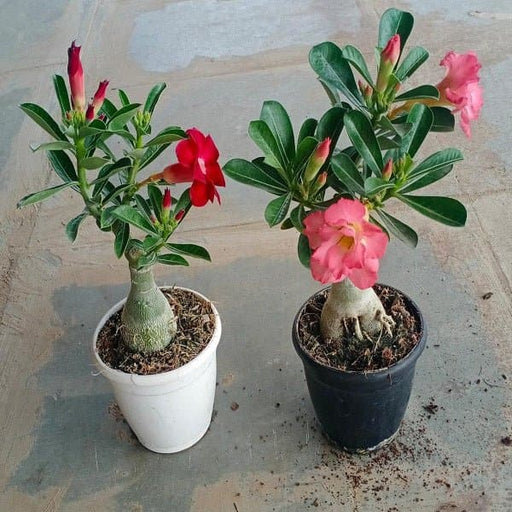
View full detailsSet of 2 Bonsai Looking Grafted Adeniums Transform your indoor or outdoor space with our exquisite Set of 2 Bonsai Looking Grafted Adenium...
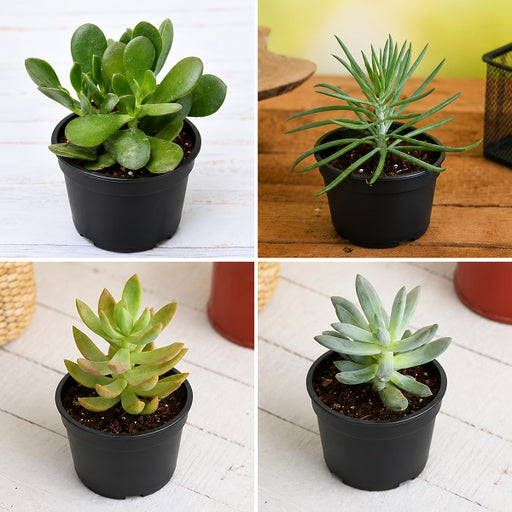
View full detailsTop 4 Die Hard Succulents Pack Note: Plants included in this pack will be delivered in a 3-inch nursery pot (any color). Transform your indoor or ...
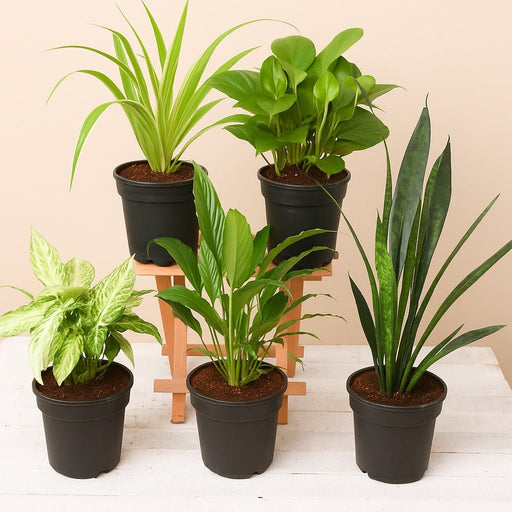
View full details5 Best Indoor Plants Pack Transform your living space into a lush oasis with our '5 Best Indoor Plants Pack.' This carefully curated collection fe...
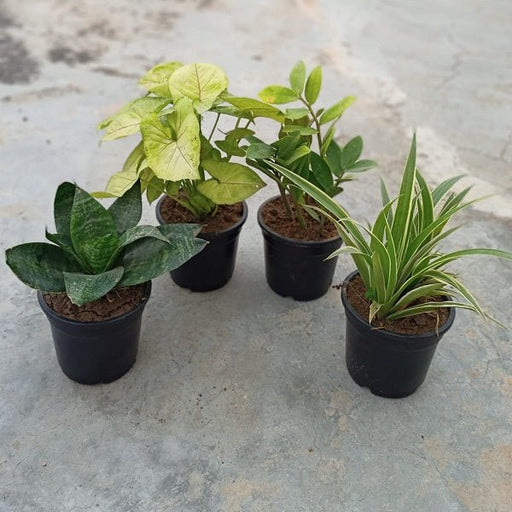
View full detailsSet of 4 Evergreen Air Purifier Plant Pack Transform your indoor space into a lush, green oasis with our Set of 4 Evergreen Air Purifier Pla...
View full detailsTop 5 Pollution Killer Plants Pack Transform your living space into a breath of fresh air with our 'Top 5 Pollution Killer Plants Pack'. This care...
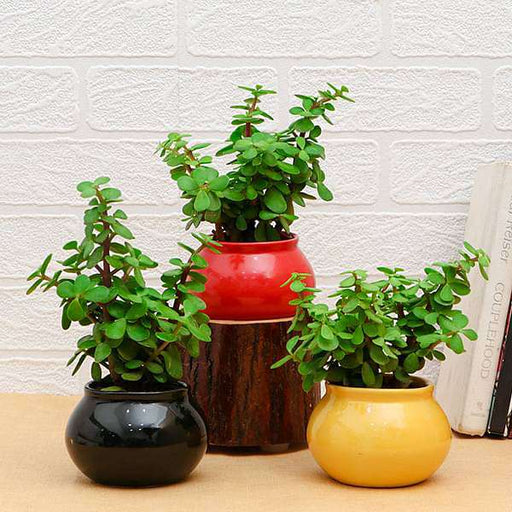
View full detailsPack of 3 Good Luck Jade Plants in Ceramic Pots Bring a touch of nature into your home with our Pack of 3 Good Luck Jade Plants, featuring...
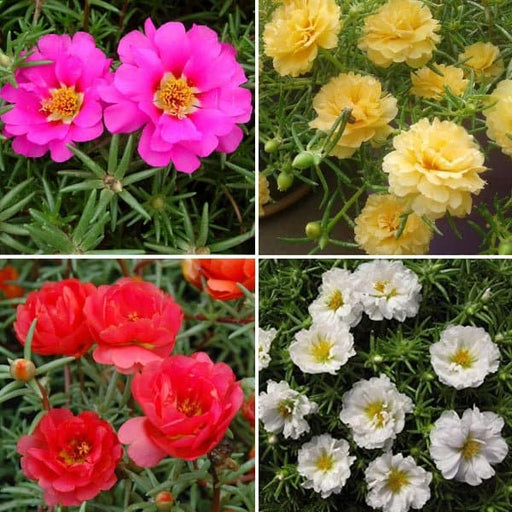
View full detailsPortulaca Garden Pack (4 Plants + 4 Black Pots) Note- You will get any color (Assorted) potted Porulaca plant with this pack. Transform your garde...
View full details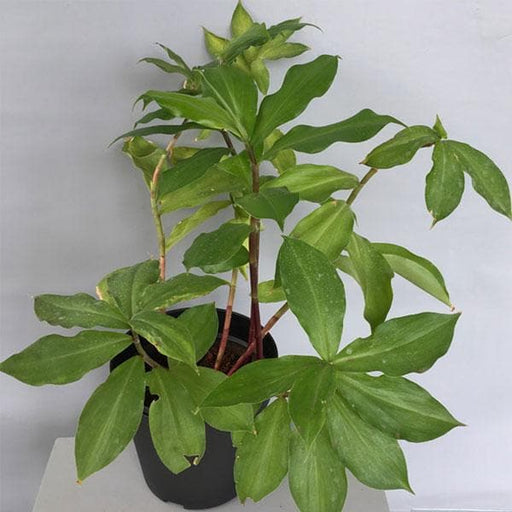






Leave a comment