
Expert Support
Available 24/7 via chat
Available 24/7 via chat
Hydrangeas are nature's showstoppers, and Hydrangea macrophylla—the bigleaf or French hydrangea—is one of the most rewarding shrubs for Indian gardeners. Known by several charming common names—mophead hydrangea, lacecap hydrangea, penny mac, and hortensia—this versatile beauty produces large, colorful flower heads that light up gardens during summer and the rainy season. Whether you're growing it in a pot on a balcony or planting it in a garden bed, this easy-to-grow shrub rewards you with blooms that attract butterflies and birds. If you've ever hesitated to try hydrangeas because you thought they were fussy, think again.
Hydrangea macrophylla is a deciduous flowering shrub that can reach up to 2.5 meters in height, making it an impressive focal point in any garden. The "macrophylla" name literally means "large-leaved," and these plants live up to their name with broad, textured foliage that serves as a beautiful backdrop even when flowers aren't blooming. The plant is famous for its ability to produce flowers in a range of colors—though the exact shade depends on soil pH and the presence of aluminum ions. In India's diverse climate, hydrangeas have become bestsellers among plant enthusiasts because they adapt well to both container gardening and in-ground planting, thriving in everything from urban balconies to sprawling gardens.
| Care Aspect | Details |
|---|---|
| Light | Bright natural light |
| Water | When topsoil (1–2 inches) feels dry |
| Soil | Well-draining, nutrient-rich, pH 5.2–5.5 |
| Temperature | 18–35°C |
Hydrangeas love bright, indirect light. In India, this typically means placing your plant where it receives morning sun and afternoon shade, especially during the intense heat of April through June. A location that gets 3–4 hours of gentle morning sunlight followed by dappled afternoon shade is ideal. If you're growing in a pot, you can move it to catch softer morning rays while protecting it from the scorching afternoon heat that's common across much of India. Plants in overly dark corners may produce fewer blooms and become leggy (long stems with sparse foliage), while excessive direct afternoon sun in peak summer can stress the plant and fade flower colors.
Hydrangea macrophylla needs consistent moisture, but not waterlogging. The simplest method is the finger test: poke your finger or a small stick about 1–2 inches into the soil. If it feels dry at that depth, it's time to water. During the growing season (spring and summer), you may need to water every 2–3 days, depending on pot size and climate. During India's monsoon, rainfall often handles watering, but ensure pots have drainage holes to prevent root rot. In winter and dry seasons, water less frequently, perhaps once a week.
Hard water—common in many Indian cities—can gradually raise soil pH and interfere with nutrient uptake. If possible, use rainwater or collected water for hydrangeas. Never let the soil completely dry out, as hydrangeas are water-lovers that will wilt visibly when thirsty. Wilting is a sign that action is needed immediately; water thoroughly until water drains from the pot's base.
Soil pH is crucial for Hydrangea macrophylla. The ideal range is 5.2–5.5, which is acidic and creates the conditions for optimal growth and vibrant flowers. Use a well-draining, nutrient-rich potting mix—a blend of coco peat, perlite, and compost works well. When you pot your plant, mix in organic fertilizer such as neem cake or vermicompost. During the growing season (April through September), apply organic fertilizer every 3–4 weeks to support blooming.
If you notice yellowing leaves despite adequate watering, it may indicate pH drift or nutrient deficiency. Adding sulfur to the soil can help lower pH, while organic fertilizers restore nutrients. Avoid chemical fertilizers, which can burn roots and upset the pH balance that hydrangeas prefer. The goal is to maintain that slightly acidic environment that allows the plant to absorb aluminum and produce its characteristic vibrant blooms.
Hydrangea macrophylla thrives in the temperature range of 18–35°C, which fortunately overlaps well with many regions of India. The plant can handle the heat of Indian summers as long as it's shaded in the afternoon and watered regularly. During cold months in northern India, if temperatures drop significantly below 18°C, growth slows and dormancy may set in—this is normal and not harmful.
India's monsoon season, with its high humidity, is actually ideal for hydrangeas; they love moisture in the air. However, use this humidity wisely: ensure good air circulation around the plant to prevent fungal diseases. In very hot, dry periods (March through May), occasional misting of foliage can help, but be careful to mist early morning so leaves dry quickly and fungal issues don't develop.
Hydrangeas are easy to propagate from cuttings, making them a joy to share with fellow gardeners. In late spring or early summer, take 4–6 inch cuttings from new, soft growth. Remove the lower leaves, dip the cut end in rooting hormone (optional), and place the cutting in moist potting mix or water. Keep the medium consistently moist (not soggy) and place in bright, indirect light. Roots typically develop within 3–4 weeks, after which you can pot up the young plant.
Alternatively, you can propagate directly in water: place cuttings in a jar of water, change the water every few days, and pot up once roots are 1 inch long. This water-propagation method works beautifully during the monsoon when humidity is high and environmental conditions favor root development. New plants are usually ready to bloom within their second growing season.
In India, the most common issues are related to water and pH. Waterlogged soil causes root rot, identifiable by mushy stems and foul-smelling soil. Hard water can gradually make soil alkaline, leading to chlorosis (yellowing between leaf veins) even when the plant looks otherwise healthy. Pest-wise, spider mites can be problematic during dry, hot spells; spray affected plants with neem oil solution every 3–4 days until resolved.
Powdery mildew and leaf spot fungal diseases thrive in monsoon humidity; improve air circulation and avoid wetting foliage during watering. Sudden leaf drop in winter or extreme heat is usually a response to stress (cold, drought, or root issues) but isn't permanent if the plant survives. The key is identifying the stressor and correcting it promptly.
Ready to grow your own? Shop Hydrangea macrophylla at Nurserylive →
Hydrangea macrophylla (Any Color) - Plant Hydrangea macrophylla, commonly known as Bigleaf Hydrangea, is a stunning flowering plant that c...
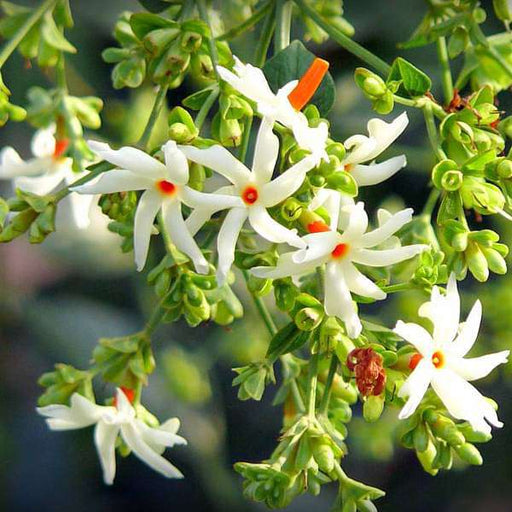
View full detailsCombo Constituents Includes the Parijat Tree (Night-Flowering Jasmine), a culturally significant plant with fragrant flowers. Description The Pari...
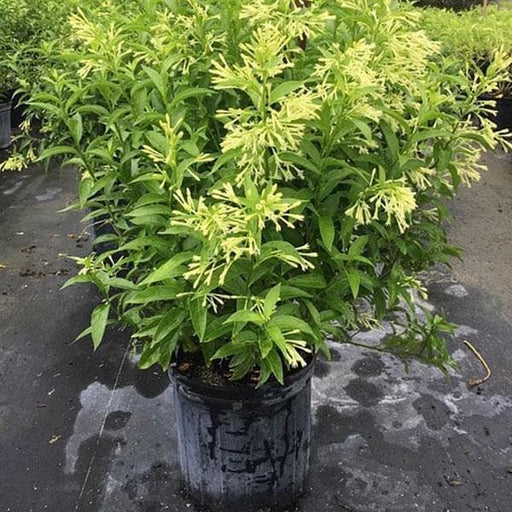
View full detailsDescription Raat Ki Rani (*Cestrum nocturnum*), also known as Night Blooming Jasmine, is a fragrant shrub native to the Caribbean and Central Ameri...
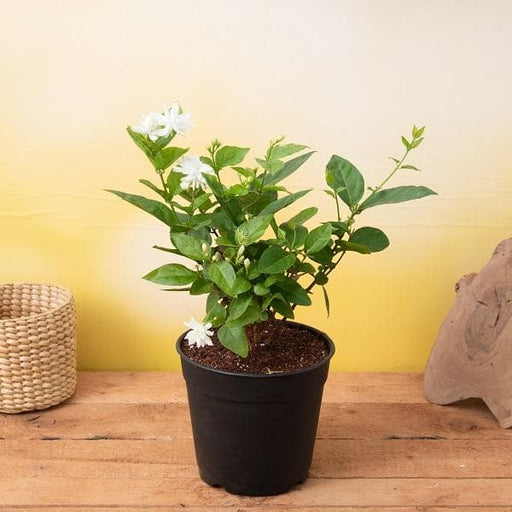
View full detailsJasminum sambac, Mogra, Arabian Jasmine - Plant Jasminum sambac, commonly known as Mogra or Arabian Jasmine, is a fragrant flowering plant...
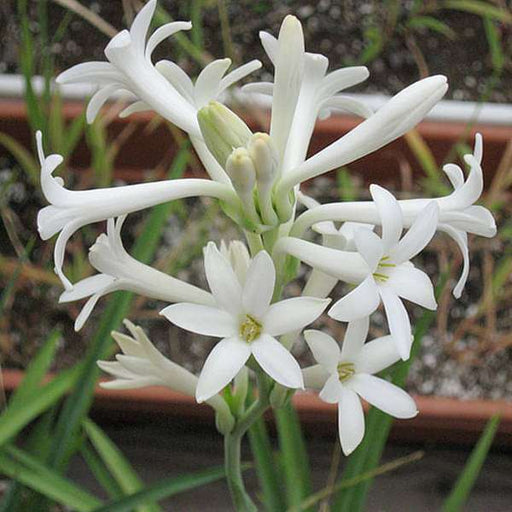
View full detailsRajnigandha, Tuberose - Plant The Rajnigandha, scientifically known as Polianthes tuberosa, is a captivating perennial plant renowned for ...
View full detailsCitronella, Odomas - Plant The Citronella plant, scientifically known as Cymbopogon nardus, is a tropical grass renowned for its aromatic ...
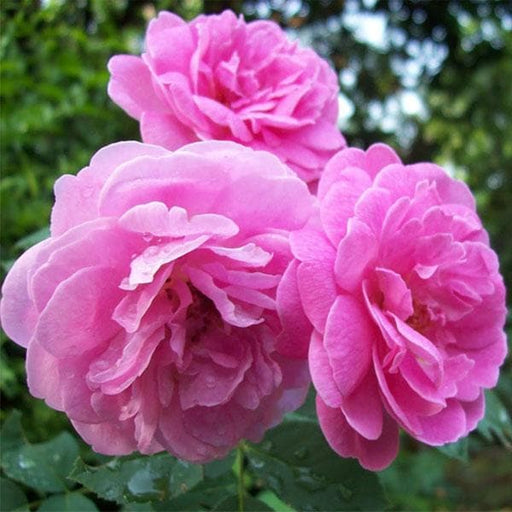
View full detailsDamascus Rose, Scented Rose (Any Color) - Plant The Damascus Rose, also known as Rosa damascena, is a timeless symbol of beauty and romanc...
View full detailsMiniature Rose, Button Rose (Any Color) - Plant The Miniature Rose, also known as the Button Rose, is a charming and compact flowering plant that ...
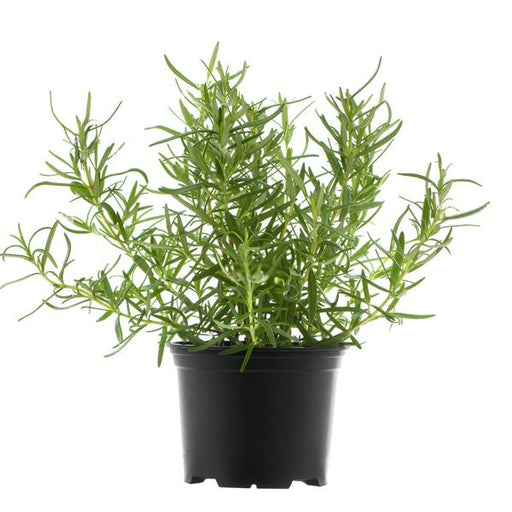
View full detailsRosemary - Plant Rosemary (Rosmarinus officinalis) is a fragrant evergreen herb native to the Mediterranean region. Known for its needle-like leav...
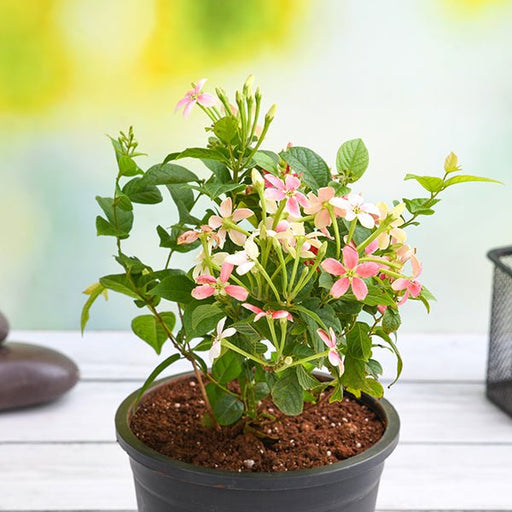
View full detailsMadhumalti Dwarf, Rangoon Creeper - Plant The Madhumalti Dwarf, also known as the Rangoon Creeper (Quisqualis indica), is a stunning perennial vin...
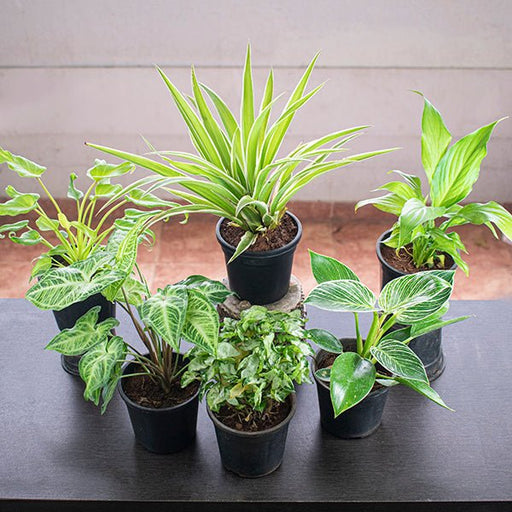
View full detailsBest 6 Plants for Perfect Indoor Garden Transform your living space into a lush oasis with our curated collection of the Best 6 Plants for a...
View full detailsBest 6 Plants for Perfect Indoor Garden Transform your living space into a lush oasis with our curated collection of the Best 6 Plants for a...
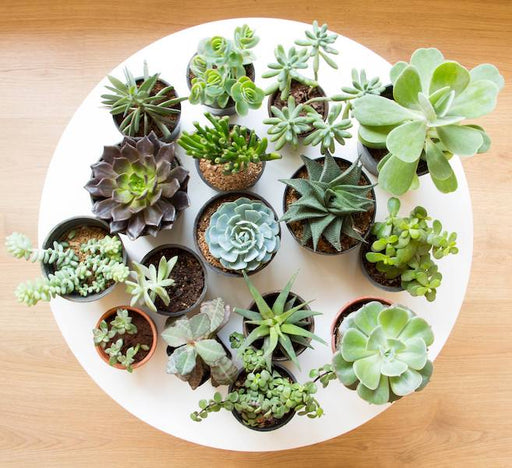
View full detailsMini Succulent Garden Pack Transform your space with our Mini Succulent Garden Pack, featuring a delightful collection of 4 any variety beautiful s...
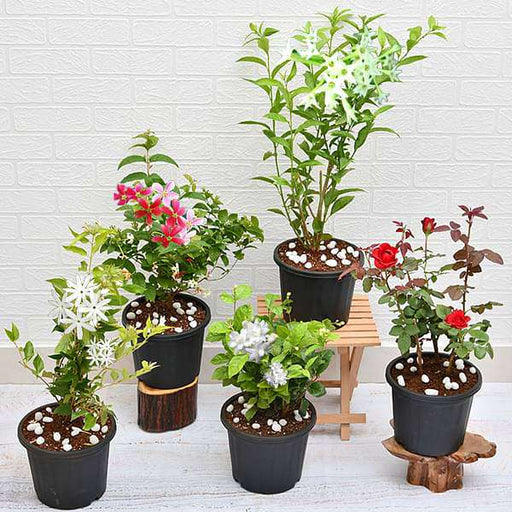
View full details5 Best Fragrant Plants Transform your garden or indoor space into a fragrant paradise with our curated selection of the 5 Best Fragrant Plants. Th...
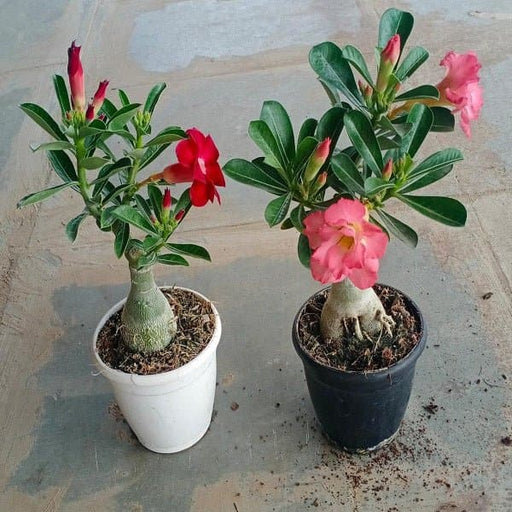
View full detailsSet of 2 Bonsai Looking Grafted Adeniums Transform your indoor or outdoor space with our exquisite Set of 2 Bonsai Looking Grafted Adenium...
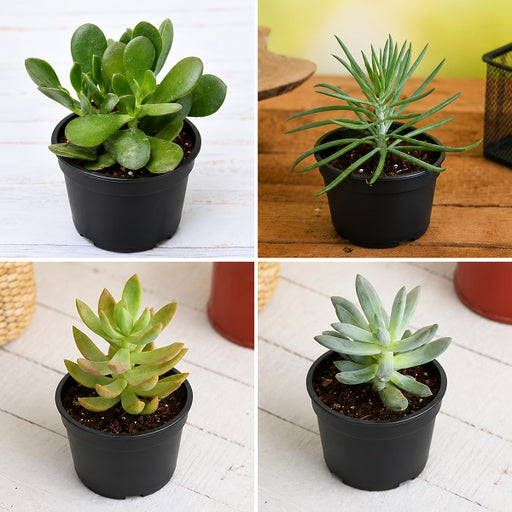
View full detailsTop 4 Die Hard Succulents Pack Note: Plants included in this pack will be delivered in a 3-inch nursery pot (any color). Transform your indoor or ...
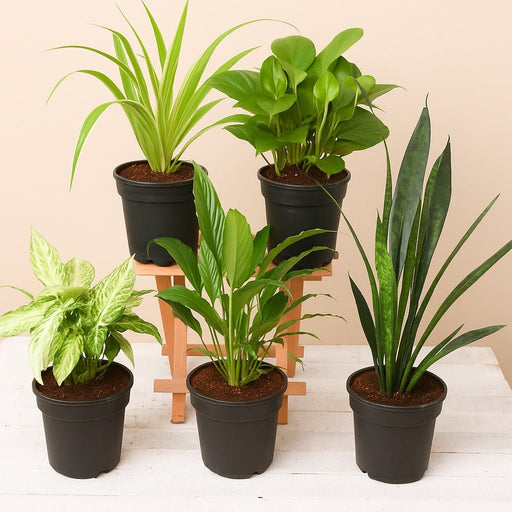
View full details5 Best Indoor Plants Pack Transform your living space into a lush oasis with our '5 Best Indoor Plants Pack.' This carefully curated collection fe...
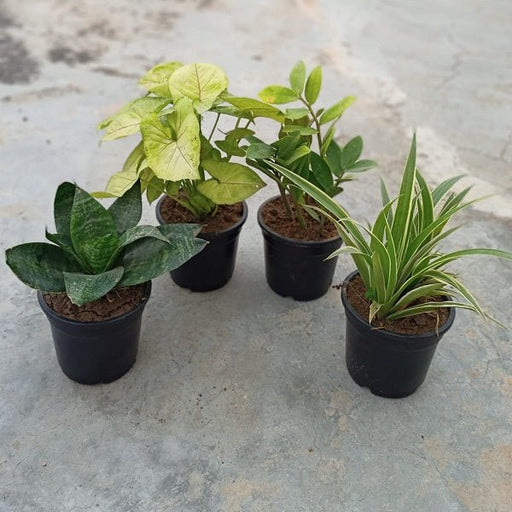
View full detailsSet of 4 Evergreen Air Purifier Plant Pack Transform your indoor space into a lush, green oasis with our Set of 4 Evergreen Air Purifier Pla...
View full detailsTop 5 Pollution Killer Plants Pack Transform your living space into a breath of fresh air with our 'Top 5 Pollution Killer Plants Pack'. This care...
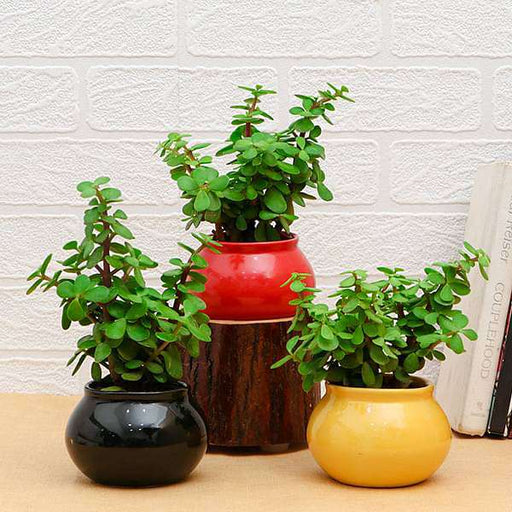
View full detailsPack of 3 Good Luck Jade Plants in Ceramic Pots Bring a touch of nature into your home with our Pack of 3 Good Luck Jade Plants, featuring...
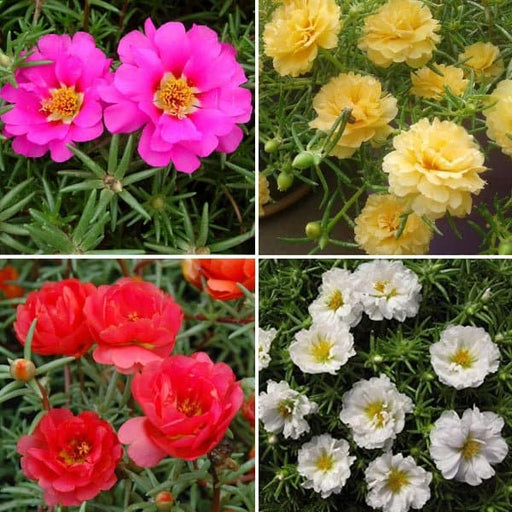
View full detailsPortulaca Garden Pack (4 Plants + 4 Black Pots) Note- You will get any color (Assorted) potted Porulaca plant with this pack. Transform your garde...
View full details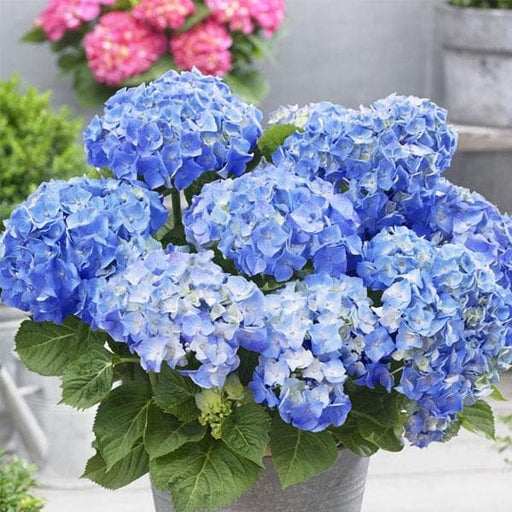





Leave a comment