
Expert Support
Available 24/7 via chat
Available 24/7 via chat
Hibiscus, known locally as Gudhal, stands out as one of the most reliable and generous flowering plants for Indian gardens. Whether you're tending a small terrace garden or landscaping a sprawling outdoor space, this vibrant shrub delivers stunning blooms throughout the year, asking only for bright light, well-draining soil, and consistent watering habits. The red double variety produces lush, full flowers that create a spectacular display, making every gardener look like an expert. If you're new to gardening or looking to expand your collection, hibiscus is the perfect choice—it's forgiving, beautiful, and deeply rewarding.
Hibiscus, or Gudhal, has deep roots in Indian horticulture and carries multiple names reflecting its global journey: China rose, Hawaiian hibiscus, and rose mallow. Your hibiscus arrives as a young plant, typically 19 inches (48 cm) tall with a modest 4-inch (10 cm) spread, but with proper care it will grow into a robust shrub reaching up to 1.8 meters tall. The red double variety produces fuller, more layered flowers than single-bloom types, creating a richer visual impact in your garden.
One of hibiscus's greatest gifts is its year-round flowering habit in India's warm climate. Unlike many plants that bloom seasonally, hibiscus flowers continuously, rewarding consistent care with waves of colour month after month. It's also pet-safe, making it an excellent choice for homes with cats and dogs. Its versatility is unmatched—grow it in pots on terraces and balconies, plant it directly in garden beds, or use it as a specimen plant. Hibiscus adapts beautifully to any space you provide.
| Care Factor | Details |
|---|---|
| Light | Natural bright light or indirect bright light |
| Water | When topsoil (1–2 inches) feels dry to touch |
| Soil | Well-draining, fertile, rich in organic matter |
| Temperature | 16–32°C |
Hibiscus thrives in natural bright light and tolerates indirect bright light, making it flexible for various home settings. In India's intense summer heat, afternoon shade is actually beneficial—it protects delicate petals from scorching while still providing the bright, diffused light hibiscus needs to bloom abundantly. Aim for at least 4–6 hours of quality light daily.
If your hibiscus is on a north-facing balcony or indoors away from direct sun, bright, filtered light throughout the day will suffice. Watch for signs of insufficient light: fewer blooms, elongated stems, or sparse foliage. Rotate container plants every two weeks to encourage even, bushy growth on all sides. During monsoons when natural light diminishes, move the plant closer to a window if possible.
Mastering hibiscus watering is key to success. Here's the foolproof method: poke your finger or a small stick about 1–2 inches into the soil. If the topsoil feels dry at that depth, water thoroughly until water drains from the pot's bottom. If soil still feels moist, wait another day or two before checking again.
During India's hot summers (March–June), you may water every 1–2 days depending on your local temperature and soil type. During monsoons (June–September), water far less frequently—ambient humidity and rainfall dramatically reduce evaporation. In cooler months (November–February), water only when topsoil is completely dry. Overwatering causes root rot, the leading killer of hibiscus. Always ensure pots have drainage holes and never allow water to pool.
In regions with hard water, rainwater or filtered water is preferable, as mineral buildup can lock up nutrients. Consistency matters more than frequency—establish a routine and adjust based on how quickly soil dries in your climate.
Hibiscus demands well-draining, fertile soil rich in organic matter. If using garden soil, amend it with 30–40% compost or coco peat to improve drainage and nutrition. For container plants, mix garden soil, compost, and perlite or sand in a 2:1:1 ratio for ideal results.
Feed your hibiscus with organic fertilizers during the growing season (March–October). Apply compost or well-rotted cow manure every 4–6 weeks. Alternatively, dilute liquid organic fertilizer and apply every two weeks. Reduce feeding in winter (November–February) as growth naturally slows. Watch for yellowing leaves (nitrogen deficiency) or stunted blooms (phosphorus deficiency)—these indicate it's time to adjust your feeding schedule. Bone meal, rich in phosphorus, encourages flowering.
Hibiscus thrives in the 16–32°C range, which fortunately covers most of India's climate throughout the year. The plant becomes stressed below 16°C, so in northern regions, protect container plants during winter by moving them indoors or wrapping with frost cloth during cold snaps. High humidity is beneficial and actually deters spider mites, a common pest in dry climates.
In arid regions, mist leaves weekly or cluster plants together to create a humid microclimate. During monsoons, ensure good air circulation with a gentle fan to prevent fungal infections on leaves and flowers. Avoid placing hibiscus directly in cold winds, which can cause bud drop.
Hibiscus propagates readily from semi-hardwood cuttings, letting you multiply your collection easily. Take 6–8 inch cuttings from healthy, mature branches during the growing season (March–July). Remove leaves from the bottom half, optionally dip the cut end in rooting hormone, and insert into moist potting mix. Keep the medium consistently moist and warm in bright, indirect light. Roots develop within 3–4 weeks; new leaves appear within 6–8 weeks. Once the new plant establishes, treat it like a mature hibiscus.
Ready to grow your own? Shop Hibiscus at Nurserylive →
Hibiscus, Gudhal Flower (Red Double) - Plant The Hibiscus, also known as Gudhal Flower, is a stunning ornamental plant that boasts vibrant...
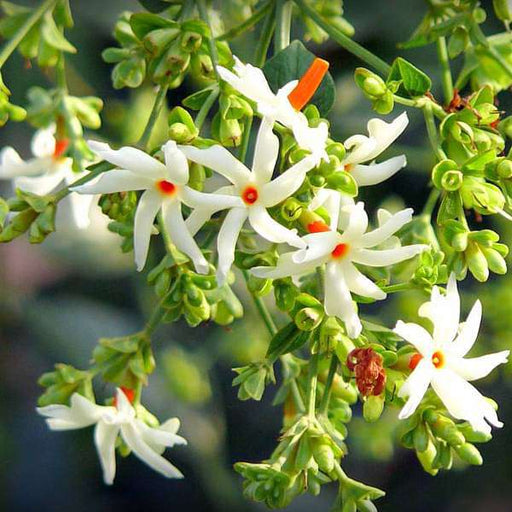
View full detailsCombo Constituents Includes the Parijat Tree (Night-Flowering Jasmine), a culturally significant plant with fragrant flowers. Description The Pari...
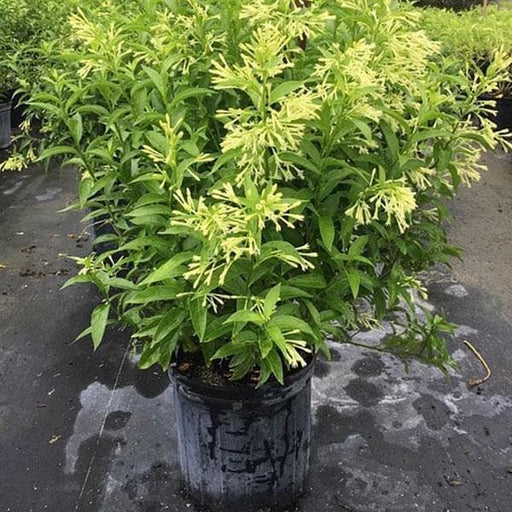
View full detailsDescription Raat Ki Rani (*Cestrum nocturnum*), also known as Night Blooming Jasmine, is a fragrant shrub native to the Caribbean and Central Ameri...
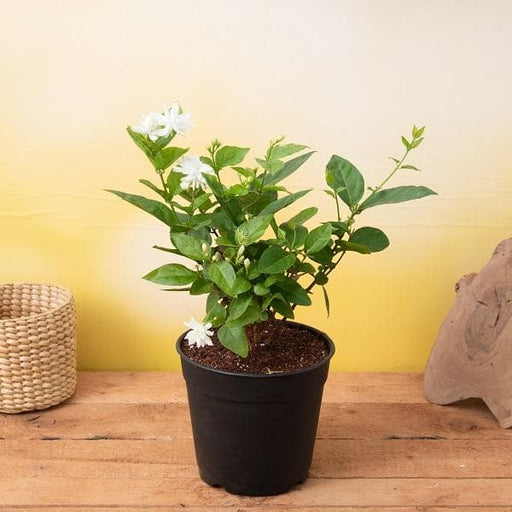
View full detailsJasminum sambac, Mogra, Arabian Jasmine - Plant Jasminum sambac, commonly known as Mogra or Arabian Jasmine, is a fragrant flowering plant...
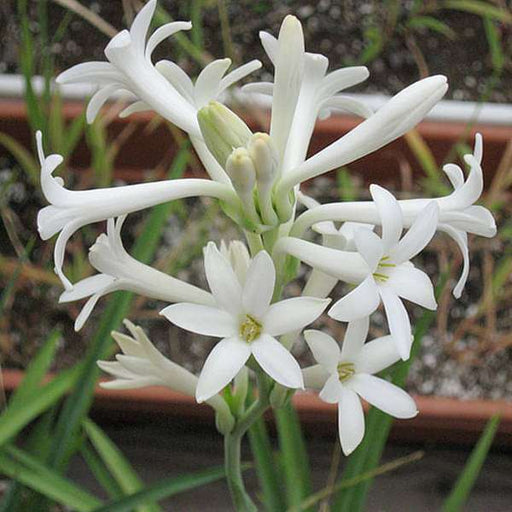
View full detailsRajnigandha, Tuberose - Plant The Rajnigandha, scientifically known as Polianthes tuberosa, is a captivating perennial plant renowned for ...
View full detailsCitronella, Odomas - Plant The Citronella plant, scientifically known as Cymbopogon nardus, is a tropical grass renowned for its aromatic ...
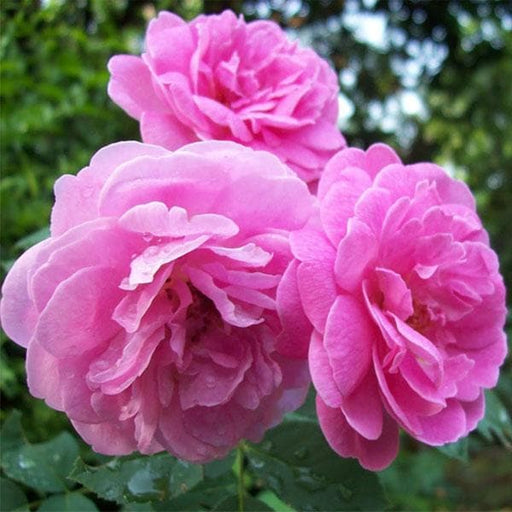
View full detailsDamascus Rose, Scented Rose (Any Color) - Plant The Damascus Rose, also known as Rosa damascena, is a timeless symbol of beauty and romanc...
View full detailsMiniature Rose, Button Rose (Any Color) - Plant The Miniature Rose, also known as the Button Rose, is a charming and compact flowering plant that ...
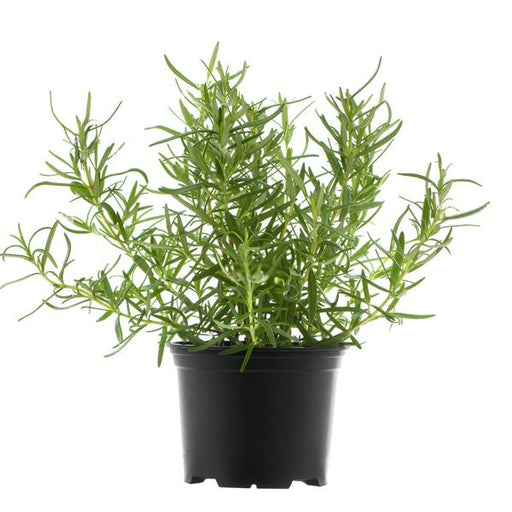
View full detailsRosemary - Plant Rosemary (Rosmarinus officinalis) is a fragrant evergreen herb native to the Mediterranean region. Known for its needle-like leav...
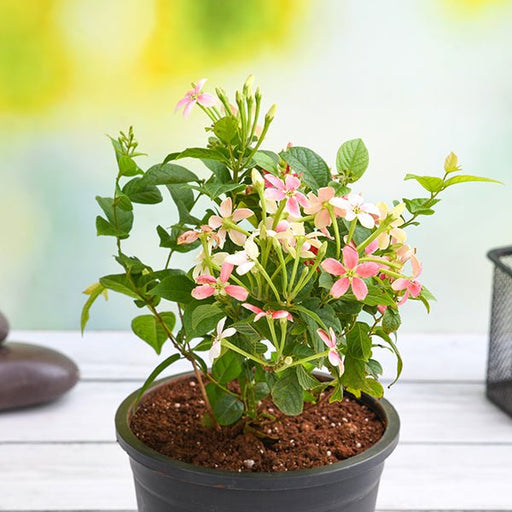
View full detailsMadhumalti Dwarf, Rangoon Creeper - Plant The Madhumalti Dwarf, also known as the Rangoon Creeper (Quisqualis indica), is a stunning perennial vin...
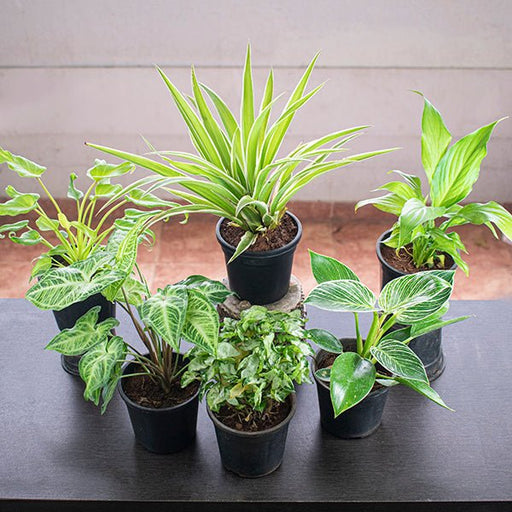
View full detailsBest 6 Plants for Perfect Indoor Garden Transform your living space into a lush oasis with our curated collection of the Best 6 Plants for a...
View full detailsBest 6 Plants for Perfect Indoor Garden Transform your living space into a lush oasis with our curated collection of the Best 6 Plants for a...
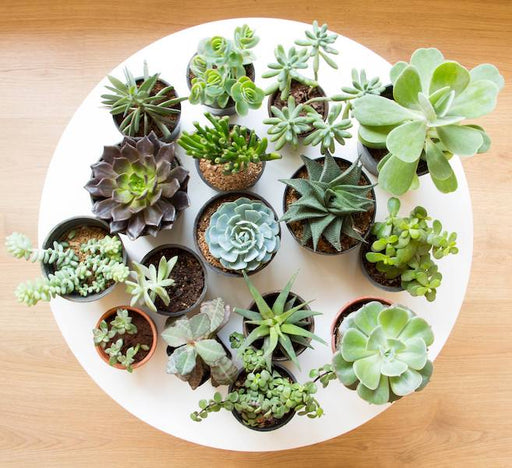
View full detailsMini Succulent Garden Pack Transform your space with our Mini Succulent Garden Pack, featuring a delightful collection of 4 any variety beautiful s...
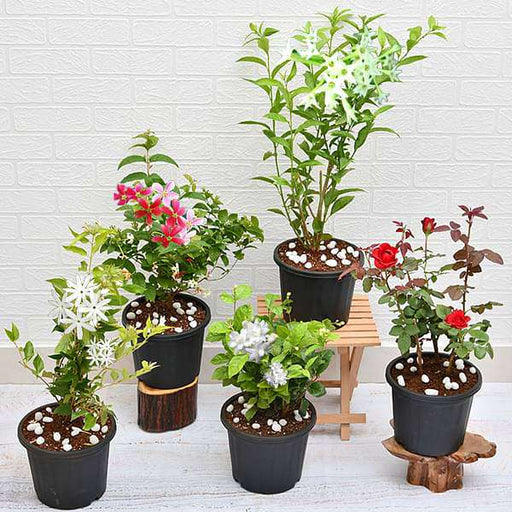
View full details5 Best Fragrant Plants Transform your garden or indoor space into a fragrant paradise with our curated selection of the 5 Best Fragrant Plants. Th...
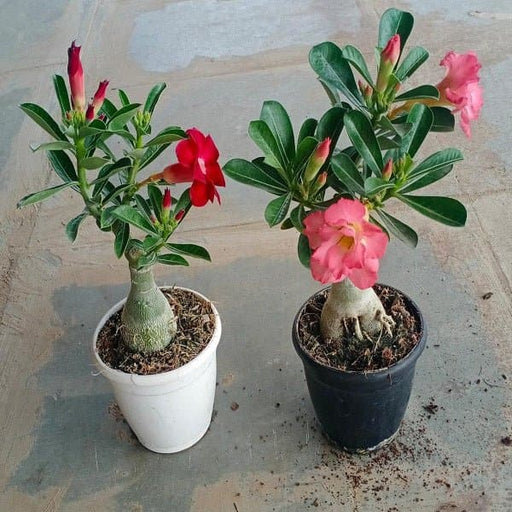
View full detailsSet of 2 Bonsai Looking Grafted Adeniums Transform your indoor or outdoor space with our exquisite Set of 2 Bonsai Looking Grafted Adenium...
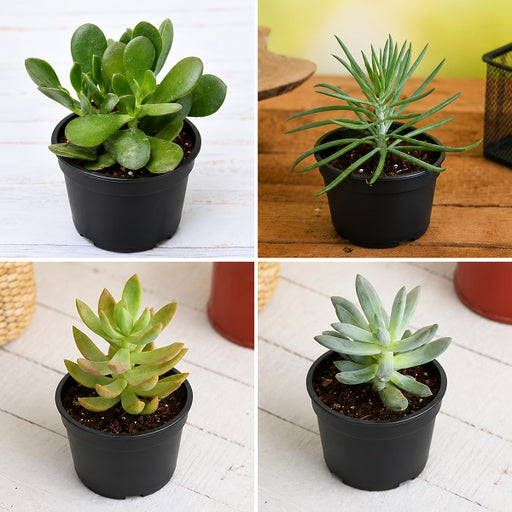
View full detailsTop 4 Die Hard Succulents Pack Note: Plants included in this pack will be delivered in a 3-inch nursery pot (any color). Transform your indoor or ...
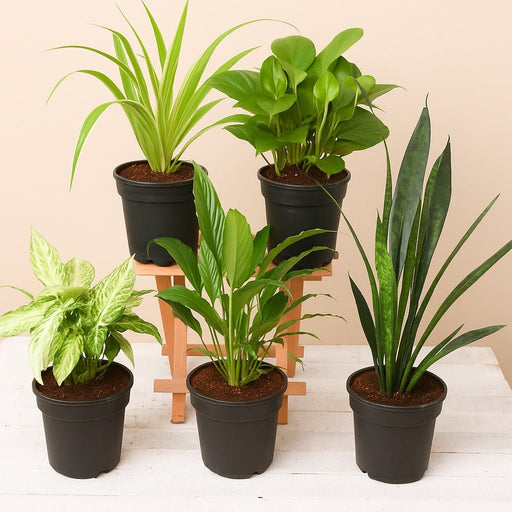
View full details5 Best Indoor Plants Pack Transform your living space into a lush oasis with our '5 Best Indoor Plants Pack.' This carefully curated collection fe...
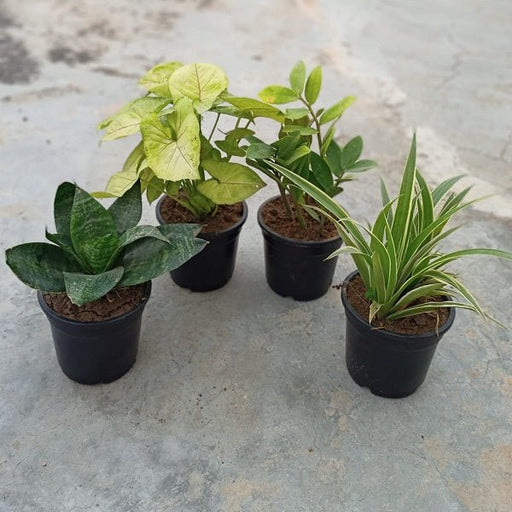
View full detailsSet of 4 Evergreen Air Purifier Plant Pack Transform your indoor space into a lush, green oasis with our Set of 4 Evergreen Air Purifier Pla...
View full detailsTop 5 Pollution Killer Plants Pack Transform your living space into a breath of fresh air with our 'Top 5 Pollution Killer Plants Pack'. This care...
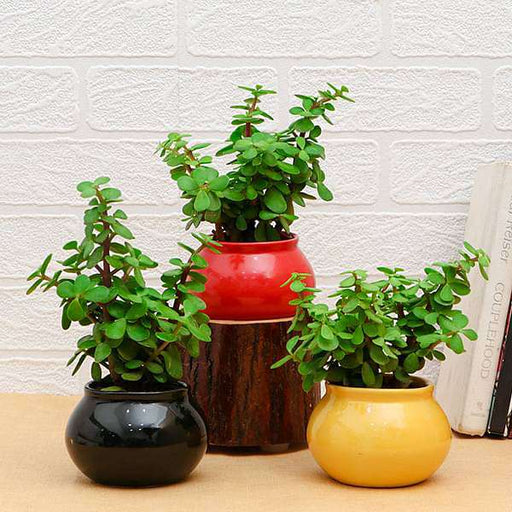
View full detailsPack of 3 Good Luck Jade Plants in Ceramic Pots Bring a touch of nature into your home with our Pack of 3 Good Luck Jade Plants, featuring...
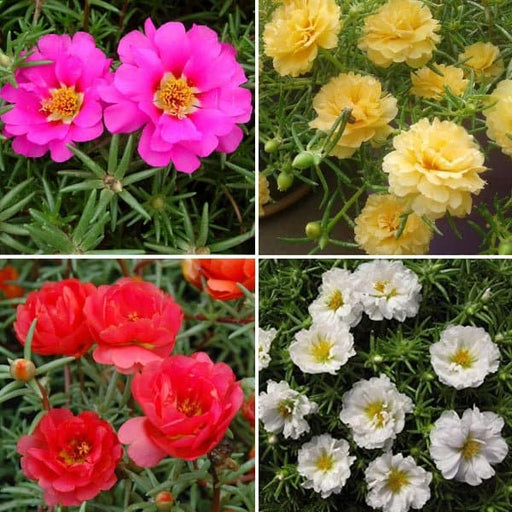
View full detailsPortulaca Garden Pack (4 Plants + 4 Black Pots) Note- You will get any color (Assorted) potted Porulaca plant with this pack. Transform your garde...
View full details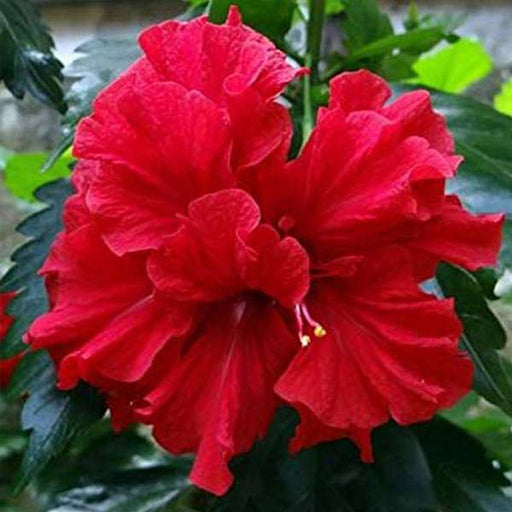





Leave a comment