
Expert Support
Available 24/7 via chat
Available 24/7 via chat
Herb-of-grace (Ruta Graveolens), known as rue or satap in India, is a compact, aromatic perennial herb that deserves a spot in every Indian garden. With its delicate yellow flowers blooming in late summer and feathery, finely-divided foliage, this easy-to-grow plant serves multiple purposes—from traditional Ayurvedic medicine to natural pest control. Whether you have a spacious garden, a small balcony, or a sunny windowsill, herb-of-grace adapts remarkably well. It's low-maintenance, container-friendly, and packed with benefits, making it perfect for both experienced gardeners and beginners.
Herb-of-grace is an evergreen perennial shrub native to the Mediterranean region but widely cultivated across India. In its initial stages, the plant grows to about 12 inches (30 cm) in height with a compact 4-inch (10 cm) spread, but with proper care, it can eventually reach 45–60 cm tall, forming a small, attractive shrub. The plant is prized in traditional Indian medicine systems for its aromatic and medicinal properties. The strong, distinctive aroma—sometimes described as pungent—acts as a natural insect repellent, making it invaluable for keeping mosquitoes, flies, and other garden pests at bay without chemical sprays. Its small, bright yellow flowers typically appear in late summer, adding ornamental value to your garden or balcony setup.
| Care Factor | Requirement |
|---|---|
| Light | Full Sun (6-8 hours daily) |
| Watering | Medium (water when top soil dries) |
| Soil | Well-drained soil |
| Temperature | 23–30°C (optimal range) |
Herb-of-grace is a sun-lover and thrives best in full sunlight. In India, aim to provide at least 6–8 hours of direct sun daily for robust growth and healthy flowering. The more sun it receives, the bushier and more robust the plant becomes. Even during intense Indian summers, this herb tolerates full sun exceptionally well. However, if you live in extremely hot regions (central India, Rajasthan, or coastal areas with harsh afternoon heat), providing light afternoon shade—say, between 3 pm and 5 pm—during peak summer months (May–June) can prevent leaf stress and scorching. In winter, ensure the plant gets maximum available sunlight, as it still thrives in cooler, sunny conditions. If you're growing herb-of-grace indoors or on a north-facing balcony, the plant may become leggy and weak; relocate it to a brighter spot for best results.
Herb-of-grace prefers moderate watering—not too dry, not waterlogged. Water the plant when the top inch of soil feels dry to the touch. During the growing season (spring and early summer), this typically means watering every 2–3 days in hot, dry conditions. During India's monsoon season (June–September), dramatically reduce watering frequency; the high humidity and regular rainfall mean the soil stays moist naturally. Overwatering is the most common killer of herb-of-grace, leading to root rot and fungal issues. Always err on the side of underwatering rather than overwatering. In winter, water only once or twice a week, depending on temperatures and soil dryness. If growing in containers, check soil moisture more frequently than in garden beds, as container soil dries faster. Use well water if possible, though the plant tolerates Indian tap water and even slightly hard water without major issues.
Well-drained soil is non-negotiable for herb-of-grace success. Heavy clay soils common in many Indian regions must be amended. Mix garden soil with sand, perlite, or coarse compost in equal proportions to improve drainage. A slightly acidic to neutral soil pH (6.0–7.0) is ideal. For container growing, use a potting mix of coco-peat, perlite, and vermicompost in equal parts. Feed your herb-of-grace once a month during active growth (March to July and again in September–October after monsoon) with any organic fertilizer such as neem cake, vermicompost, or well-rotted compost. Avoid over-fertilizing, as it can lead to excessive foliage with reduced medicinal potency. Every 2–3 years, refresh the top layer of soil with fresh compost to maintain nutrient levels. If hard water is used for watering, add a handful of sulfur-containing organic matter annually to maintain soil health.
The ideal growing temperature for herb-of-grace is between 23 and 30°C, which aligns well with much of India's climate except the coldest months. The plant is surprisingly cold-hardy and tolerates temperatures as low as 10°C, though growth slows significantly below 18°C. In frost-prone regions (higher altitudes of Himachal Pradesh, Kashmir, or hilly areas), bring container plants indoors during winter or provide frost protection. High humidity combined with poor air circulation—common during monsoon—can trigger fungal leaf spots and powdery mildew. Ensure good air circulation around the plant by pruning selectively and spacing plants adequately. Avoid wetting the foliage overhead; instead, water at the soil level to minimize fungal risk during humid months. In dry, hot regions, the plant thrives with minimal humidity concerns.
Herb-of-grace propagates easily from seeds or stem cuttings. From Seeds: Sow seeds indoors or in a seed tray filled with seed-starting mix in spring (February–March). Seeds germinate in 2–3 weeks at temperatures around 20–25°C. Once seedlings develop 2–3 true leaves, transplant them into small pots and grow until they're 6 inches tall before moving to the garden. From Cuttings: Take 4–5 inch stem cuttings from mature, healthy plants in spring or early monsoon. Remove lower leaves and dip the cut end in rooting hormone powder if available. Insert into a pot of moist cocopeat or seed-starting mix and cover with a plastic bag to retain humidity. Roots typically develop in 2–3 weeks. Once established, harden off gradually before transplanting to larger containers or garden beds. Cuttings preserve the exact characteristics of the mother plant, making them preferable if you have a particularly vigorous specimen.
Root Rot: The most serious issue, caused by overwatering or poorly drained soil. Symptoms include yellowing leaves and soft stems. Prevent by improving drainage and reducing watering frequency. If caught early, repot the plant in fresh, dry soil. Spider Mites: Common in hot, dry conditions. Spray affected plants with neem oil solution (5% neem oil in water) every 5–7 days. Leaf Spot Diseases: Fungal issues appear as brown or black spots on foliage, especially during monsoon. Remove affected leaves promptly, improve air circulation, and avoid overhead watering. Apply a sulfur-based fungicide if the issue persists. Leggy Growth: Indicates insufficient sunlight; relocate the plant to a brighter location. Slow Growth: Check soil drainage, sunlight exposure, and ensure the plant isn't pot-bound in containers.
Ready to grow your own? Shop Herb-of-grace at Nurserylive →
Herb-of-Grace (Ruta Graveolens) - Satap Plant The Herb-of-Grace, scientifically known as Ruta graveolens, is a perennial herb renowned for...
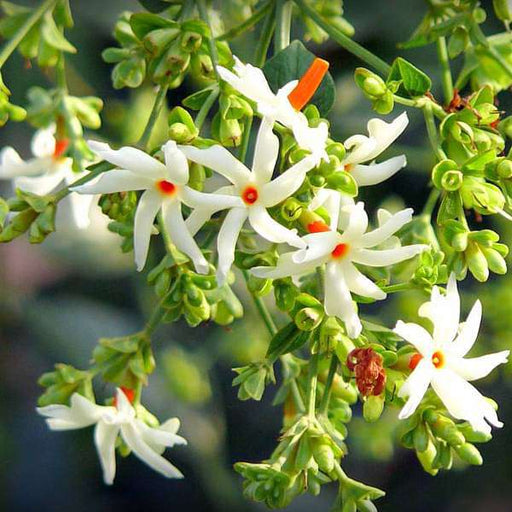
View full detailsCombo Constituents Includes the Parijat Tree (Night-Flowering Jasmine), a culturally significant plant with fragrant flowers. Description The Pari...
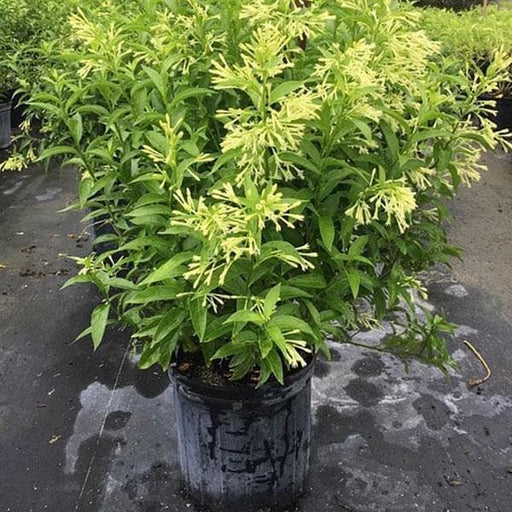
View full detailsDescription Raat Ki Rani (*Cestrum nocturnum*), also known as Night Blooming Jasmine, is a fragrant shrub native to the Caribbean and Central Ameri...
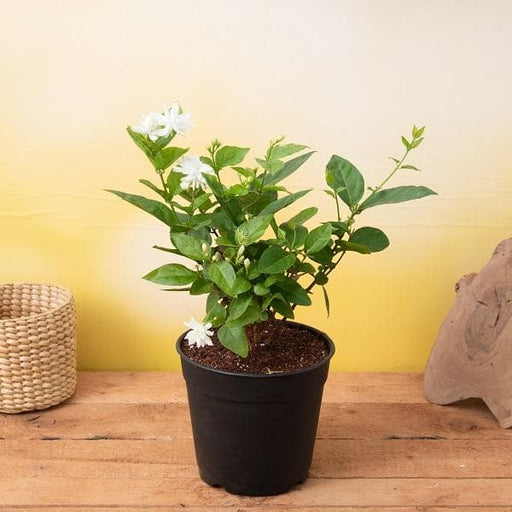
View full detailsJasminum sambac, Mogra, Arabian Jasmine - Plant Jasminum sambac, commonly known as Mogra or Arabian Jasmine, is a fragrant flowering plant...
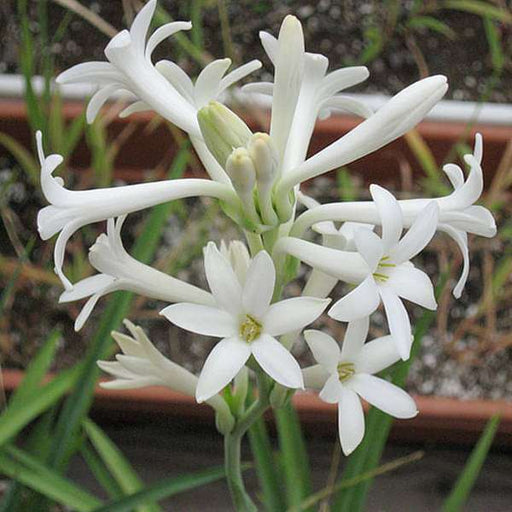
View full detailsRajnigandha, Tuberose - Plant The Rajnigandha, scientifically known as Polianthes tuberosa, is a captivating perennial plant renowned for ...
View full detailsCitronella, Odomas - Plant The Citronella plant, scientifically known as Cymbopogon nardus, is a tropical grass renowned for its aromatic ...
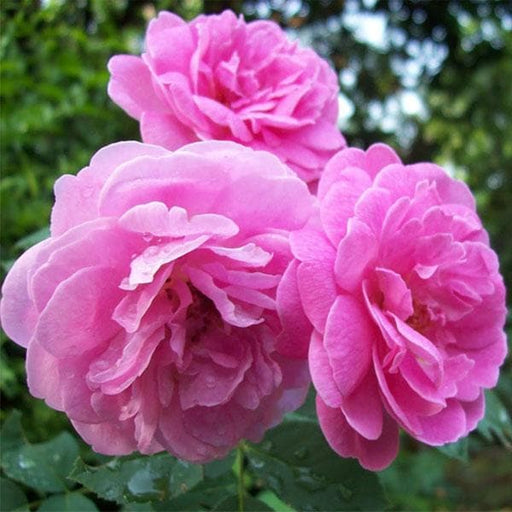
View full detailsDamascus Rose, Scented Rose (Any Color) - Plant The Damascus Rose, also known as Rosa damascena, is a timeless symbol of beauty and romanc...
View full detailsMiniature Rose, Button Rose (Any Color) - Plant The Miniature Rose, also known as the Button Rose, is a charming and compact flowering plant that ...
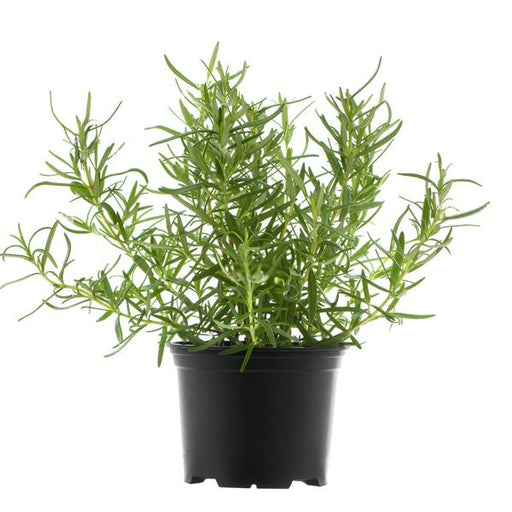
View full detailsRosemary - Plant Rosemary (Rosmarinus officinalis) is a fragrant evergreen herb native to the Mediterranean region. Known for its needle-like leav...
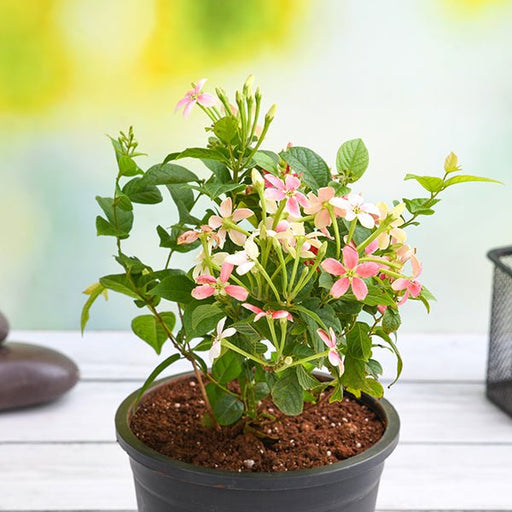
View full detailsMadhumalti Dwarf, Rangoon Creeper - Plant The Madhumalti Dwarf, also known as the Rangoon Creeper (Quisqualis indica), is a stunning perennial vin...
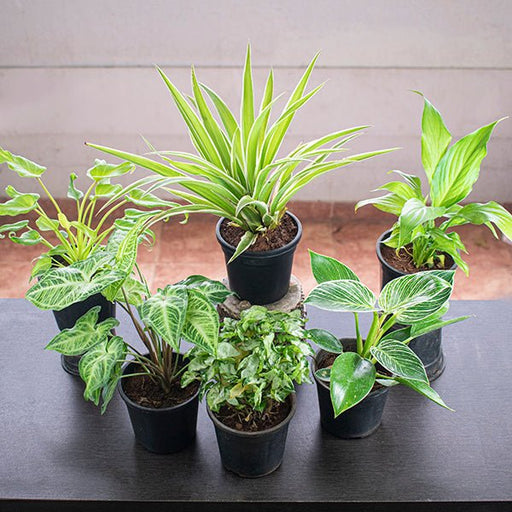
View full detailsBest 6 Plants for Perfect Indoor Garden Transform your living space into a lush oasis with our curated collection of the Best 6 Plants for a...
View full detailsBest 6 Plants for Perfect Indoor Garden Transform your living space into a lush oasis with our curated collection of the Best 6 Plants for a...
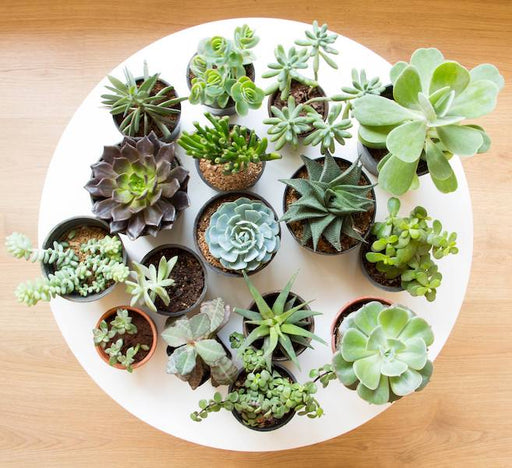
View full detailsMini Succulent Garden Pack Transform your space with our Mini Succulent Garden Pack, featuring a delightful collection of 4 any variety beautiful s...
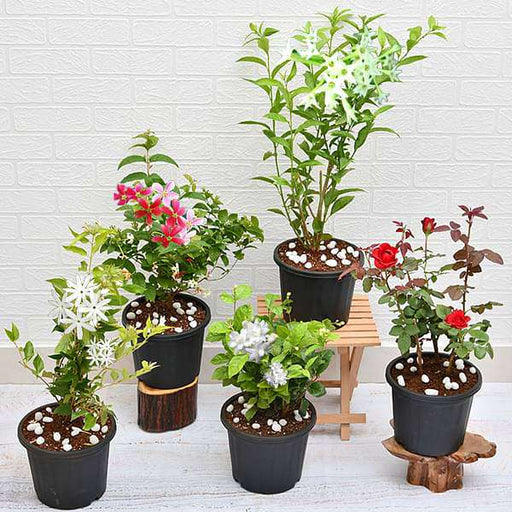
View full details5 Best Fragrant Plants Transform your garden or indoor space into a fragrant paradise with our curated selection of the 5 Best Fragrant Plants. Th...
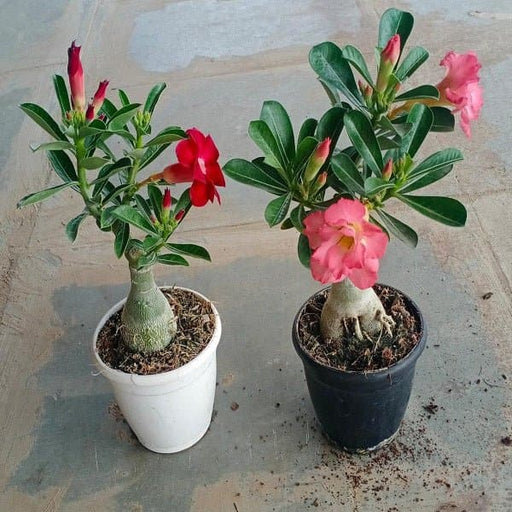
View full detailsSet of 2 Bonsai Looking Grafted Adeniums Transform your indoor or outdoor space with our exquisite Set of 2 Bonsai Looking Grafted Adenium...
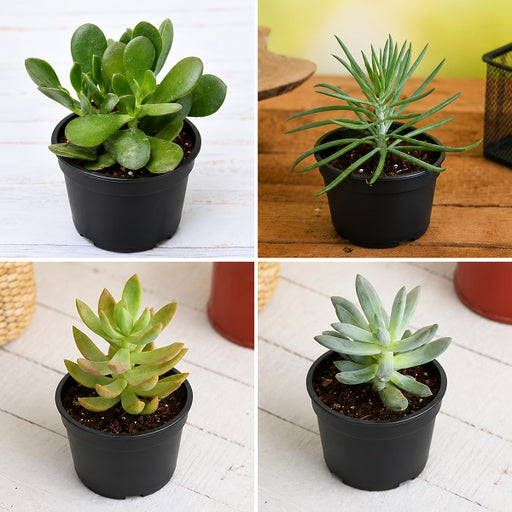
View full detailsTop 4 Die Hard Succulents Pack Note: Plants included in this pack will be delivered in a 3-inch nursery pot (any color). Transform your indoor or ...
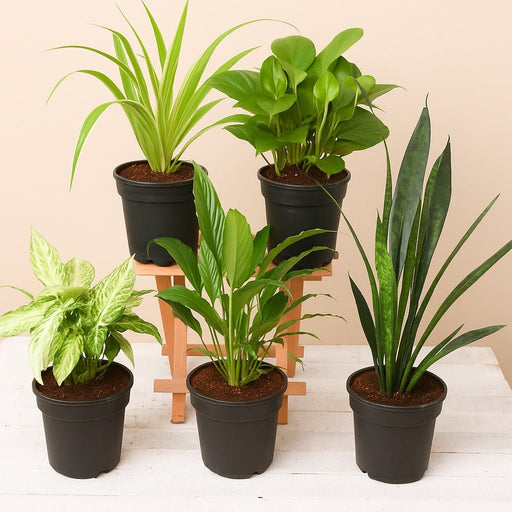
View full details5 Best Indoor Plants Pack Transform your living space into a lush oasis with our '5 Best Indoor Plants Pack.' This carefully curated collection fe...
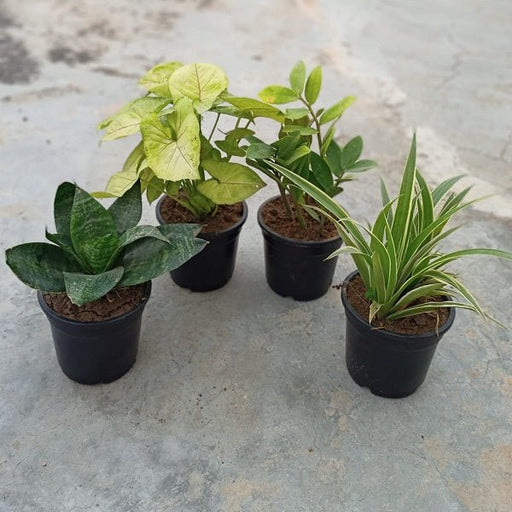
View full detailsSet of 4 Evergreen Air Purifier Plant Pack Transform your indoor space into a lush, green oasis with our Set of 4 Evergreen Air Purifier Pla...
View full detailsTop 5 Pollution Killer Plants Pack Transform your living space into a breath of fresh air with our 'Top 5 Pollution Killer Plants Pack'. This care...
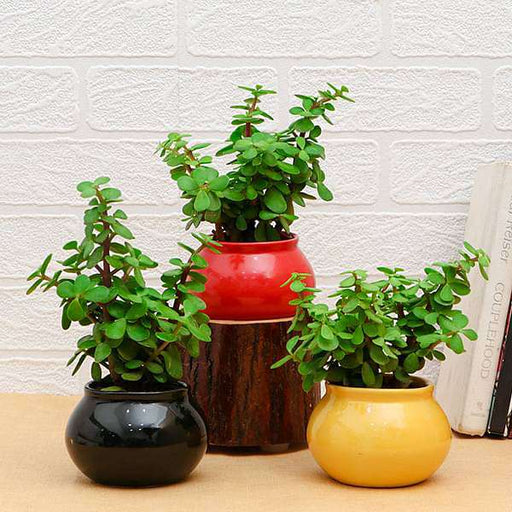
View full detailsPack of 3 Good Luck Jade Plants in Ceramic Pots Bring a touch of nature into your home with our Pack of 3 Good Luck Jade Plants, featuring...
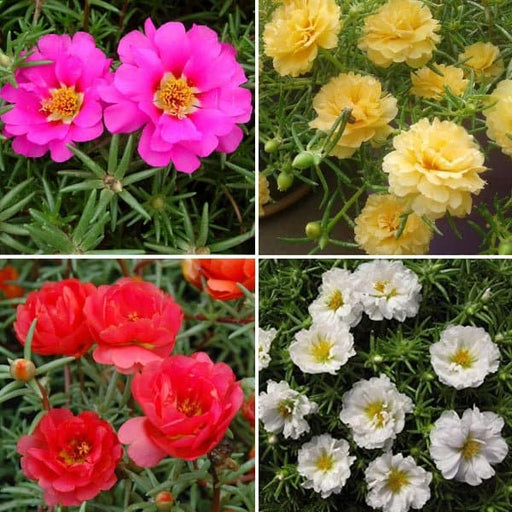
View full detailsPortulaca Garden Pack (4 Plants + 4 Black Pots) Note- You will get any color (Assorted) potted Porulaca plant with this pack. Transform your garde...
View full details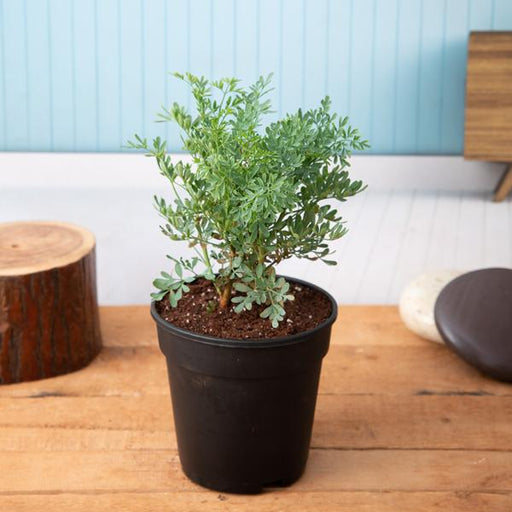






Leave a comment