
Expert Support
Available 24/7 via chat
Available 24/7 via chat
If you're looking for a low-maintenance plant that delivers dramatic, cascading green foliage—whether trailing from a hanging pot or climbing a wall—Hedera Helix (English Ivy) is your answer. This hardy perennial vine is treasured by Indian gardeners for its resilience, adaptability, and ability to transform bare spaces into living tapestries. Whether you're in the cool hills or the heat-prone plains, this easy-to-grow plant adjusts beautifully to Indian growing conditions. Let's explore how to keep your English Ivy thriving year-round.
Hedera Helix, commonly called English Ivy or common ivy, is a versatile climbing foliage vine native to Europe and Western Asia. In ideal conditions, it can reach heights of up to 80 feet, making it an impressive choice for covering walls, trellises, or creating dense ground cover. The plant produces small, greenish-white flowers during summer, though it's primarily grown for its lush, heart-shaped leaves that remain vibrant green year-round. As a low-maintenance perennial, English Ivy is equally at home indoors in a hanging pot or outdoors on a fence, and it's an excellent choice for both beginner and experienced gardeners.
| Care Aspect | Requirement |
|---|---|
| Light | Full sun to partial shade |
| Watering | Moderate; allow soil to dry slightly between waterings |
| Soil | Well-drained soil; avoid waterlogging |
| Temperature | 10 to 27°C (ideal year-round in most Indian regions) |
English Ivy is remarkably flexible when it comes to light. It thrives in full sun to partial shade, making it suitable for various locations in your home or garden. In India's intense summer heat, especially in northern and central regions, afternoon shade is beneficial—it prevents leaf scorch and keeps the plant cooler during peak temperatures. If you're growing Hedera Helix indoors near a window with 3-4 hours of bright, indirect light daily, it will flourish. South-facing or west-facing windows work excellently. Conversely, the plant tolerates low-light conditions better than many vines, so it's forgiving if placed in a corner or semi-shaded spot. The key is consistency—avoid moving the plant frequently between light conditions, as this causes stress and slower growth.
Water your English Ivy moderately, keeping the soil consistently moist but never waterlogged. This is especially critical during India's monsoon months, when rainfall is heavy and humidity is high. Always check the soil moisture before watering; insert your finger 1-2 inches into the soil, and water only if it feels dry at that depth. During peak summer (April to June), when evaporation is rapid, you may need to water 2-3 times a week. In monsoon and winter, reduce frequency significantly—once a week or even less may suffice depending on rainfall and humidity. Hard water, common in many Indian regions, can cause mineral buildup on the leaves and in the soil. If you notice white crusty deposits on the soil surface or leaves, flush the soil occasionally with collected rainwater or distilled water. For hanging pots, ensure drainage holes are clear to prevent water accumulation, which leads to root rot.
Plant your Hedera Helix in well-drained soil to prevent root diseases. A mix of potting soil with added perlite or coarse sand improves drainage significantly. If you're planting directly in the ground, ensure the soil has good organic matter and drains freely; avoid heavy clay-based soil unless amended with compost or aged manure. Feed your English Ivy with any organic fertilizer during the growing season (spring and early summer). Apply a balanced, diluted organic fertilizer once a month, or use well-composted vermicompost worked into the top layer of soil. During monsoon, reduce fertilizer frequency as excess nitrogen promotes soft, disease-prone growth in high-humidity conditions. In winter and late autumn, fertilizing is unnecessary as growth naturally slows. Organic feeding supports the plant's sustainability and is gentler on the delicate root system than synthetic chemical fertilizers.
English Ivy's ideal temperature range of 10 to 27°C aligns well with most Indian climates. In cooler hill stations (Ooty, Darjeeling, Shimla), this vine is perfectly at home. In warmer regions, the 27°C upper limit is reached during peak summer, and the plant appreciates afternoon shade and regular misting during these months. Humidity is rarely a concern in India, especially during monsoon when moisture is abundant. Indoors, in air-conditioned spaces, occasional misting (2-3 times a week) prevents dust accumulation on leaves and mimics natural humidity. Ensure good air circulation around the plant to prevent fungal issues, particularly during monsoon when humidity spikes. If the plant is outdoors, natural air movement is usually sufficient.
English Ivy is remarkably easy to propagate from stem cuttings. Take 4-6 inch cuttings from healthy, green stems, remove the lower 2-3 leaves, and place cuttings in water or moist soil. Cuttings root within 2-3 weeks in water (change water every 4-5 days) or within 3-4 weeks in soil kept consistently moist. Once roots are 1-2 inches long, transfer water-rooted cuttings to soil. You can propagate year-round in India, but spring and early monsoon (June-July) are ideal as natural humidity supports faster rooting. This makes sharing plants with gardening friends effortless and budget-friendly.
Despite its hardiness, English Ivy can face a few issues. Leaf yellowing often indicates overwatering or poor drainage—check the soil and adjust watering frequency. Brown leaf tips suggest low humidity (more common indoors in air-conditioned spaces) or mineral buildup from hard water; mist the foliage or rinse leaves with rainwater. Spider mites thrive in dry, warm conditions and can colonize the underside of leaves; spray with a fine mist of water mixed with a few drops of neem oil if infestation occurs. Powdery mildew appears as white coating on leaves in humid, poorly ventilated spaces; ensure adequate air circulation and avoid overhead watering. Root rot, the most serious issue, results from waterlogging; always allow soil to dry slightly and use well-draining soil mixes. In India's heat, indoor plants may occasionally develop scale insects; remove by hand or spray with diluted neem oil.
Ready to grow your own? Shop Hedera Helix at Nurserylive →
Hedera Helix - English Ivy Plant The Hedera Helix, commonly known as English Ivy, is a versatile and hardy climbing plant native to Europe...
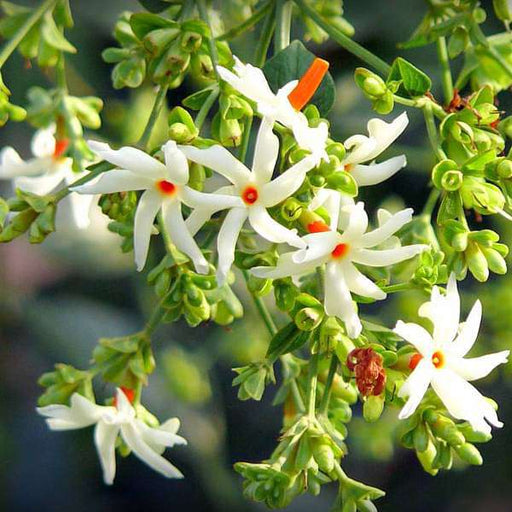
View full detailsCombo Constituents Includes the Parijat Tree (Night-Flowering Jasmine), a culturally significant plant with fragrant flowers. Description The Pari...
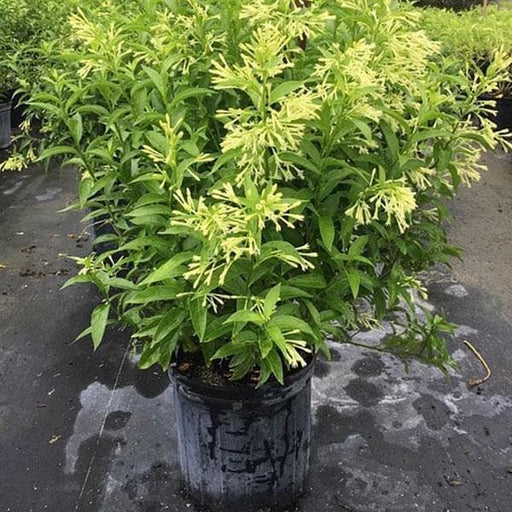
View full detailsDescription Raat Ki Rani (*Cestrum nocturnum*), also known as Night Blooming Jasmine, is a fragrant shrub native to the Caribbean and Central Ameri...
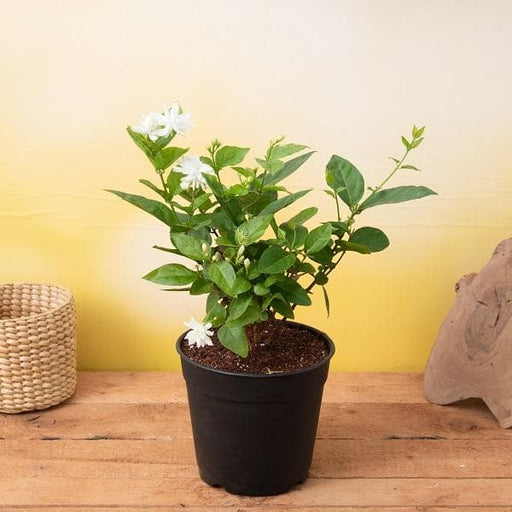
View full detailsJasminum sambac, Mogra, Arabian Jasmine - Plant Jasminum sambac, commonly known as Mogra or Arabian Jasmine, is a fragrant flowering plant...
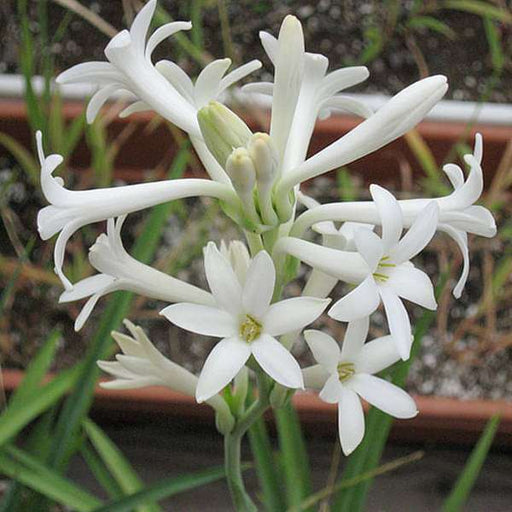
View full detailsRajnigandha, Tuberose - Plant The Rajnigandha, scientifically known as Polianthes tuberosa, is a captivating perennial plant renowned for ...
View full detailsCitronella, Odomas - Plant The Citronella plant, scientifically known as Cymbopogon nardus, is a tropical grass renowned for its aromatic ...
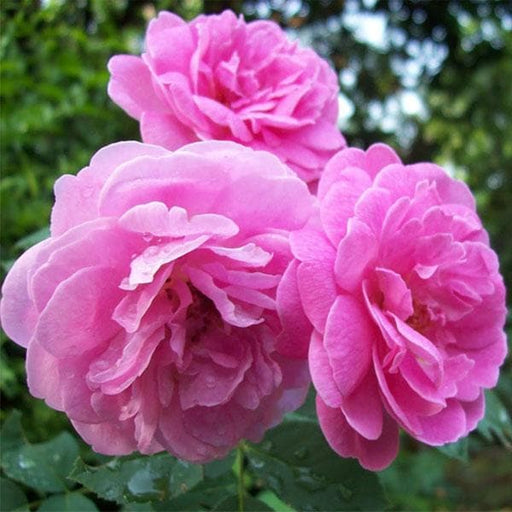
View full detailsDamascus Rose, Scented Rose (Any Color) - Plant The Damascus Rose, also known as Rosa damascena, is a timeless symbol of beauty and romanc...
View full detailsMiniature Rose, Button Rose (Any Color) - Plant The Miniature Rose, also known as the Button Rose, is a charming and compact flowering plant that ...
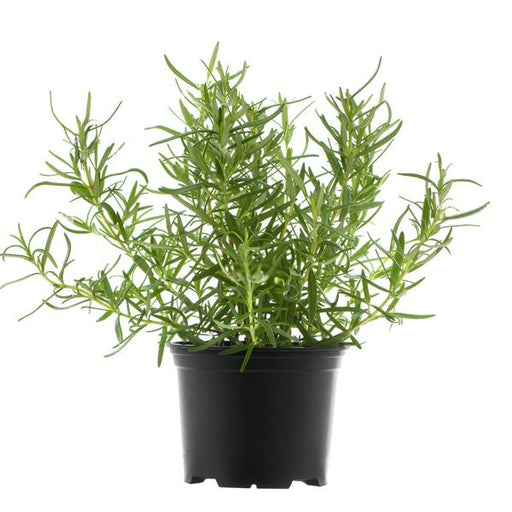
View full detailsRosemary - Plant Rosemary (Rosmarinus officinalis) is a fragrant evergreen herb native to the Mediterranean region. Known for its needle-like leav...
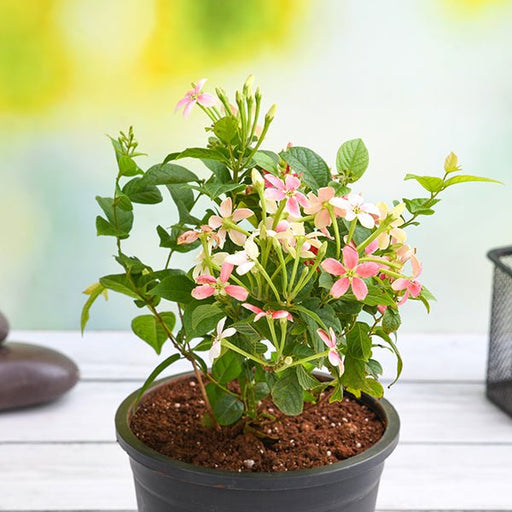
View full detailsMadhumalti Dwarf, Rangoon Creeper - Plant The Madhumalti Dwarf, also known as the Rangoon Creeper (Quisqualis indica), is a stunning perennial vin...
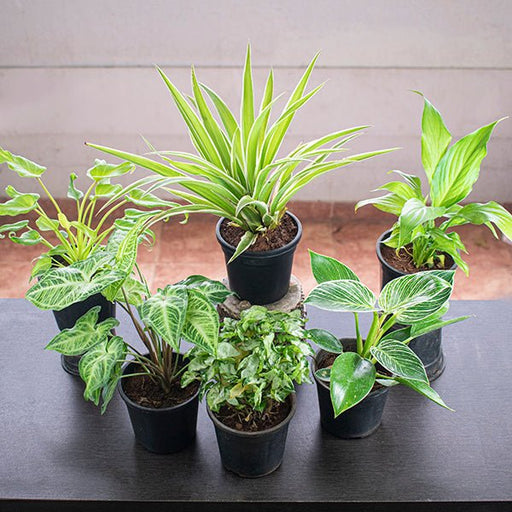
View full detailsBest 6 Plants for Perfect Indoor Garden Transform your living space into a lush oasis with our curated collection of the Best 6 Plants for a...
View full detailsBest 6 Plants for Perfect Indoor Garden Transform your living space into a lush oasis with our curated collection of the Best 6 Plants for a...
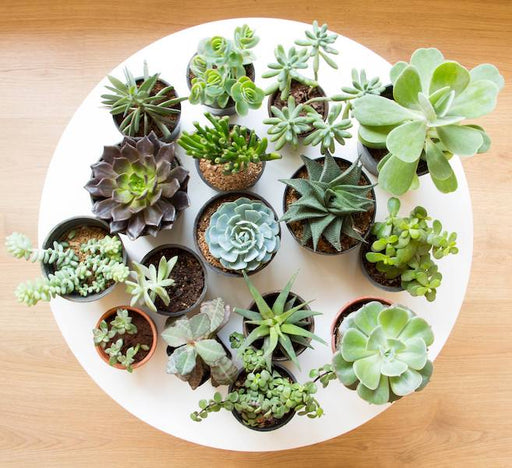
View full detailsMini Succulent Garden Pack Transform your space with our Mini Succulent Garden Pack, featuring a delightful collection of 4 any variety beautiful s...
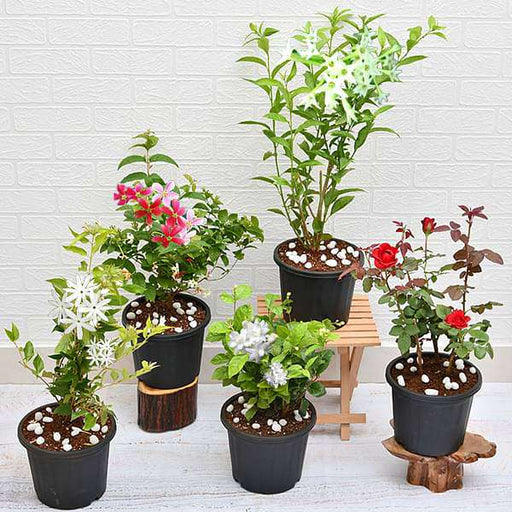
View full details5 Best Fragrant Plants Transform your garden or indoor space into a fragrant paradise with our curated selection of the 5 Best Fragrant Plants. Th...
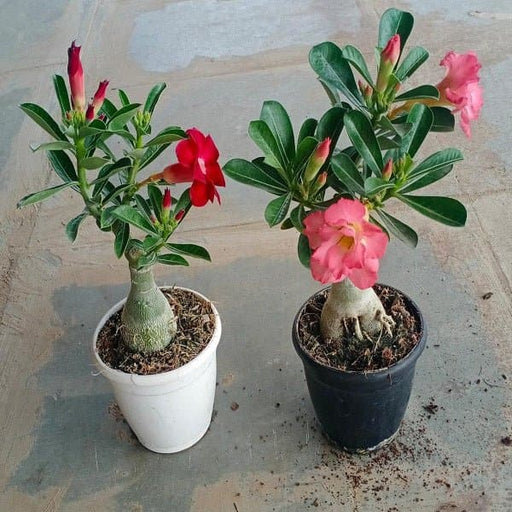
View full detailsSet of 2 Bonsai Looking Grafted Adeniums Transform your indoor or outdoor space with our exquisite Set of 2 Bonsai Looking Grafted Adenium...
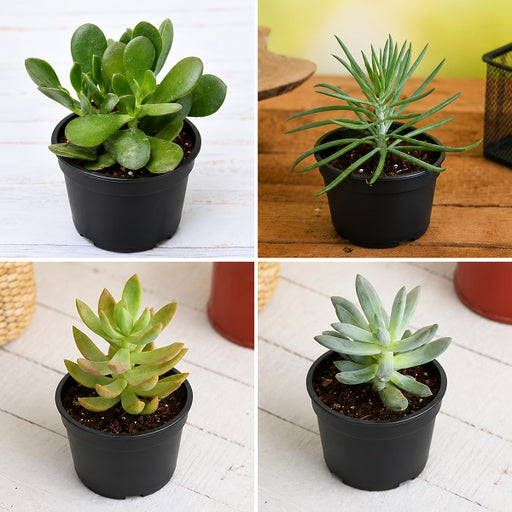
View full detailsTop 4 Die Hard Succulents Pack Note: Plants included in this pack will be delivered in a 3-inch nursery pot (any color). Transform your indoor or ...
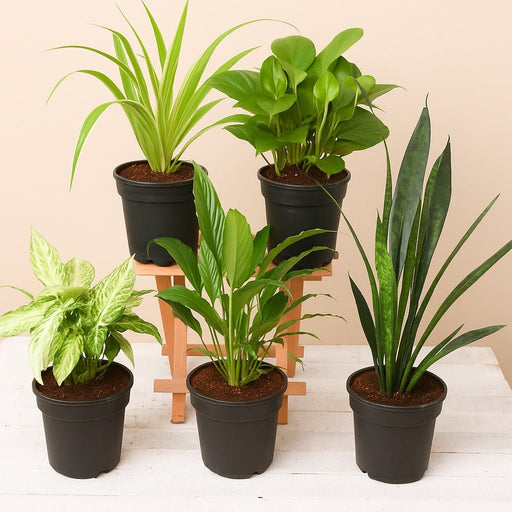
View full details5 Best Indoor Plants Pack Transform your living space into a lush oasis with our '5 Best Indoor Plants Pack.' This carefully curated collection fe...
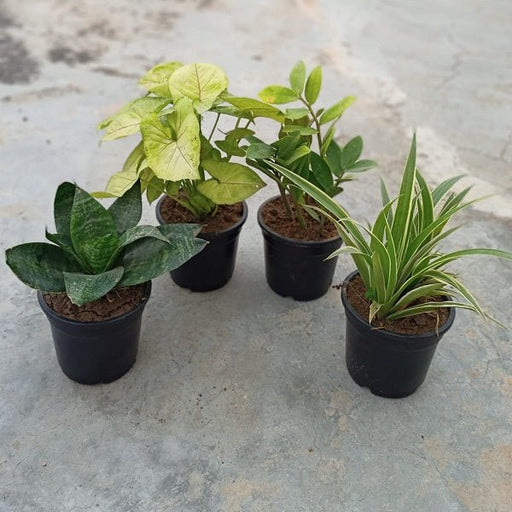
View full detailsSet of 4 Evergreen Air Purifier Plant Pack Transform your indoor space into a lush, green oasis with our Set of 4 Evergreen Air Purifier Pla...
View full detailsTop 5 Pollution Killer Plants Pack Transform your living space into a breath of fresh air with our 'Top 5 Pollution Killer Plants Pack'. This care...
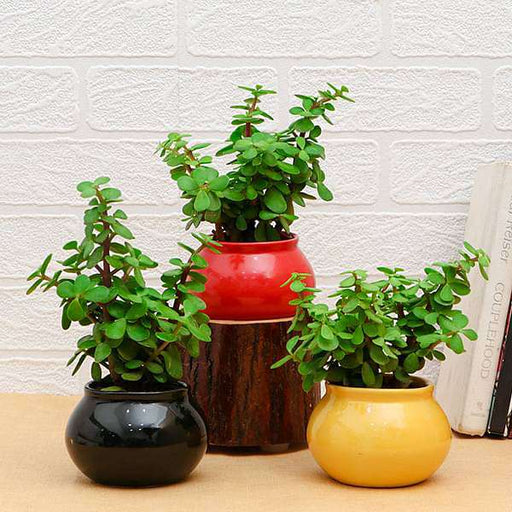
View full detailsPack of 3 Good Luck Jade Plants in Ceramic Pots Bring a touch of nature into your home with our Pack of 3 Good Luck Jade Plants, featuring...
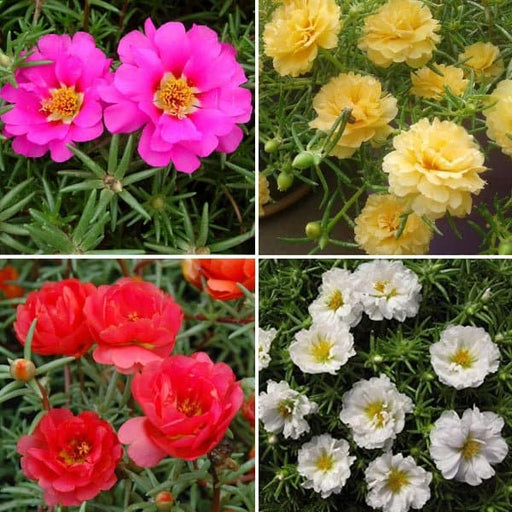
View full detailsPortulaca Garden Pack (4 Plants + 4 Black Pots) Note- You will get any color (Assorted) potted Porulaca plant with this pack. Transform your garde...
View full details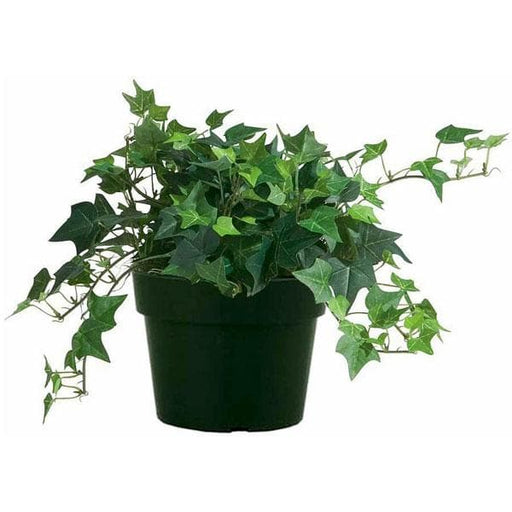






Leave a comment