
Expert Support
Available 24/7 via chat
Available 24/7 via chat
Gerbera daisies are beloved by gardeners across India for their stunning, vibrant blooms and impressive hardiness. Whether you're tending to a sprawling garden in Bangalore or nurturing a compact balcony garden in Mumbai, these cheerful flowers bring color and life year-round. Known locally as African Daisies or Transvaal Daisies, gerberas are remarkably forgiving plants—even beginners can achieve spectacular results with basic care. This guide covers everything you need to know to grow thriving gerberas in India's diverse climate zones.
The gerbera (Gerbera jamesonii), commonly called the African Daisy, Transvaal Daisy, or Barberton Daisy, is a perennial flowering plant that performs exceptionally well in India's warm climate. Mature plants typically reach heights between 15 and 45 cm, with a compact spread of around 6 inches (15 cm), making them ideal for both garden beds and container cultivation. These flowers are available in a stunning range of colors—vibrant reds, soft pinks, cheerful yellows, pure whites, bright oranges, and the regal rani shade. Beyond their aesthetic appeal, gerberas are air-purifying powerhouses that actively absorb CO₂ during the night, contributing to healthier indoor and outdoor air quality. In warm regions like India, gerberas function as perennials, blooming reliably through both summer and winter seasons, rewarding gardeners with weeks of continuous color.
| Aspect | Details |
|---|---|
| Light | 6 hours of direct sunlight daily; semi-shaded areas acceptable |
| Water | Water thoroughly; allow top 1 inch to dry between waterings |
| Soil | Well-draining, amended with compost, peat moss, and sand |
| Temperature | 13–24°C (55–75°F); cool to average range |
Gerberas are sun-worshipping plants that thrive on light. Position your plants in a sunny windowsill or garden bed where they receive a minimum of six hours of direct sunlight each day. This abundant light fuels robust growth and ensures the prolific flowering you see in healthy gerbera plants. In India's intense summer months, especially in central and northern regions, a semi-shaded location during the hottest afternoon hours (2–5 PM) can prevent heat stress and leaf scorching. The goal is to balance abundant light with protection from excessive heat—morning sun and afternoon partial shade is often the sweet spot. Insufficient light leads to leggy growth, sparse blooms, and plant decline, so prioritize a bright placement when deciding where to grow your gerberas.
Watering is where many gardeners stumble, but the rule for gerberas is simple: water thoroughly until water drains from the base, then allow the top inch (2.5 cm) of soil to dry out completely before watering again. This cycle mimics the plant's natural preference for periods of slight dryness between waterings. In India's humid monsoon season, reduce watering frequency to avoid waterlogging, which invites root rot and fungal diseases. Use filtered or collected rainwater if possible—gerberas are sensitive to the high mineral content in hard tap water, which can accumulate in soil and cause nutrient deficiencies over time. Water at the base of the plant rather than overhead to keep foliage dry and reduce disease risk. During the cooler winter months and dormant periods, water less frequently as the plant's growth slows.
Gerberas demand well-draining soil to thrive. If your garden's native soil is heavy or clay-like—common in many Indian regions—you must amend it generously. Mix in compost, peat moss, and sand in equal parts to create a light, airy growing medium that allows water to drain quickly while retaining just enough moisture for plant health. Poor drainage is the leading cause of gerbera failure, so invest time in soil preparation upfront. While your gerberas are actively blooming (typically spring through early autumn in India), feed them every two weeks with a balanced liquid fertilizer diluted to half strength. Over-feeding causes soft, lush foliage susceptible to pests and disease, while half-strength feeding provides steady nutrition without this risk. During winter dormancy or when not actively blooming, reduce or pause fertilizer applications.
Gerberas prefer cool to average temperatures in the range of 13–24°C (55–75°F). India's tropical and subtropical climate means your gerberas will likely experience temperatures well above this ideal range during summer, which is perfectly acceptable—gerberas are heat-tolerant. However, consistency matters: avoid sudden temperature swings, as these can shock the plant and reduce flowering. Most Indian regions suit gerberas beautifully; they bloom consistently through hot seasons and thrive when winter temperatures remain above 10°C. High humidity during the monsoon can increase the risk of fungal issues like powdery mildew and leaf spot, so ensure good air circulation around plants—space them adequately, prune dead foliage, and avoid overhead watering. Well-draining soil and smart watering are your best defense against humidity-related problems.
While mature gerbera plants are long-lived and prolific, propagation offers a rewarding way to expand your collection. Seeds are the most accessible method: sow fresh gerbera seeds in a light seedling mix, keep soil consistently moist (not waterlogged), and provide warm temperatures around 20°C for germination in 7–14 days. Seedlings grow quickly and can reach flowering size within 3–4 months. Alternatively, carefully divide mature clumps in spring, ensuring each division has several healthy shoots and a portion of the root system. Divisions often flower the first year, making this faster than seeds. In India's warm climate, both methods succeed readily, though seeds offer superior genetic diversity and vigor.
Gerberas are robust plants but do face a few challenges in Indian gardens. Powdery mildew—a white fungal coating on leaves—thrives in high humidity and cool, damp conditions. Combat it by improving air circulation, avoiding overhead watering, and removing affected foliage. Spider mites, which cause yellowing and fine webbing, escalate in hot, dry weather; spray with neem oil every 3–5 days as needed. Root rot from waterlogged soil is the most serious threat; always ensure fast drainage and adjust watering during the monsoon. Yellowing leaves often signal nutrient deficiency (common with hard water) or poor drainage—assess both before adjusting care. Mealybugs occasionally appear on stressed plants; isolate affected plants and treat with neem oil or insecticidal soap.
Ready to grow your own? Shop Gerbera at Nurserylive →
Gerbera (Red) - Plant The Gerbera (Red) plant, known for its vibrant and striking red blooms, is a popular choice for both indoor and outd...
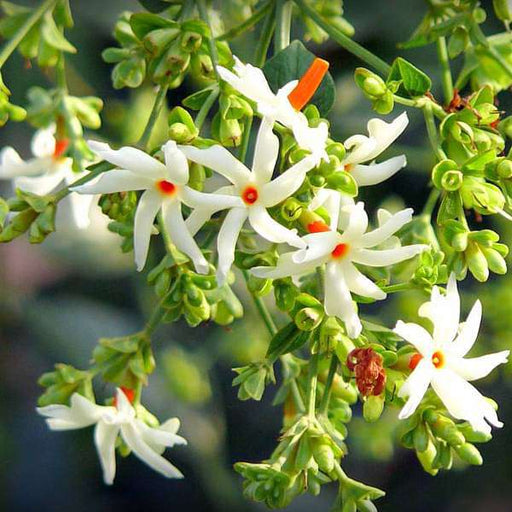
View full detailsCombo Constituents Includes the Parijat Tree (Night-Flowering Jasmine), a culturally significant plant with fragrant flowers. Description The Pari...
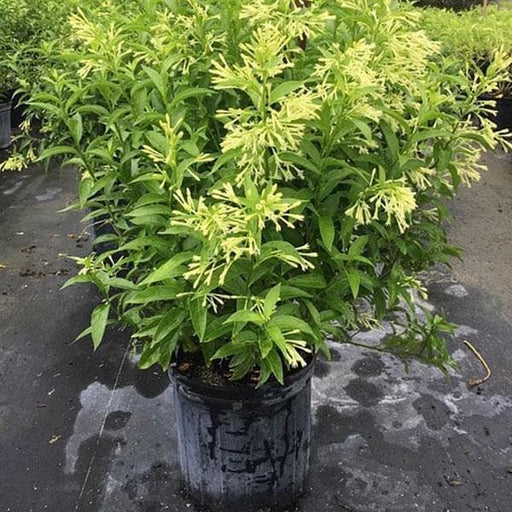
View full detailsDescription Raat Ki Rani (*Cestrum nocturnum*), also known as Night Blooming Jasmine, is a fragrant shrub native to the Caribbean and Central Ameri...
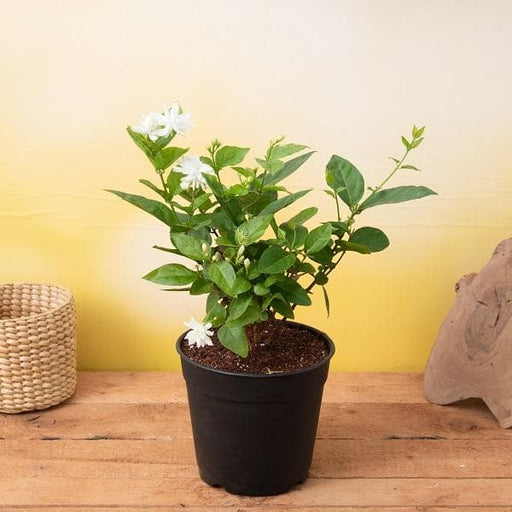
View full detailsJasminum sambac, Mogra, Arabian Jasmine - Plant Jasminum sambac, commonly known as Mogra or Arabian Jasmine, is a fragrant flowering plant...
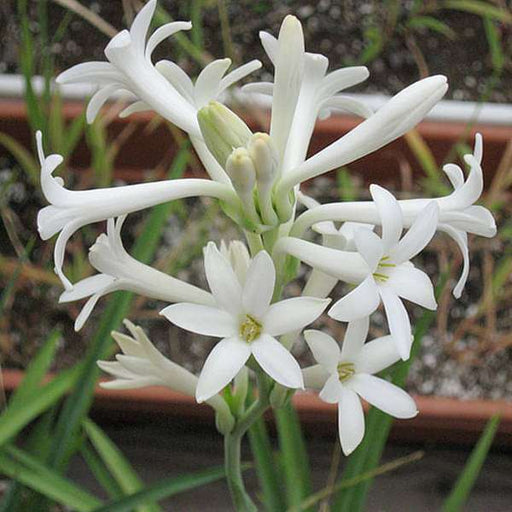
View full detailsRajnigandha, Tuberose - Plant The Rajnigandha, scientifically known as Polianthes tuberosa, is a captivating perennial plant renowned for ...
View full detailsCitronella, Odomas - Plant The Citronella plant, scientifically known as Cymbopogon nardus, is a tropical grass renowned for its aromatic ...
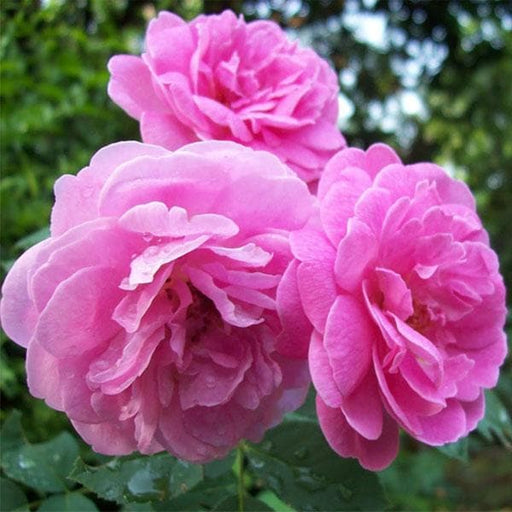
View full detailsDamascus Rose, Scented Rose (Any Color) - Plant The Damascus Rose, also known as Rosa damascena, is a timeless symbol of beauty and romanc...
View full detailsMiniature Rose, Button Rose (Any Color) - Plant The Miniature Rose, also known as the Button Rose, is a charming and compact flowering plant that ...
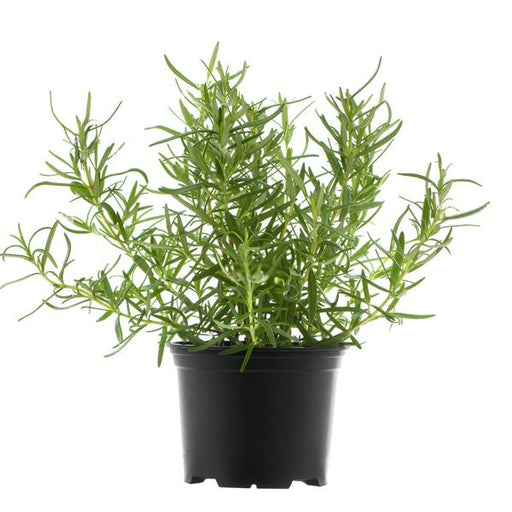
View full detailsRosemary - Plant Rosemary (Rosmarinus officinalis) is a fragrant evergreen herb native to the Mediterranean region. Known for its needle-like leav...
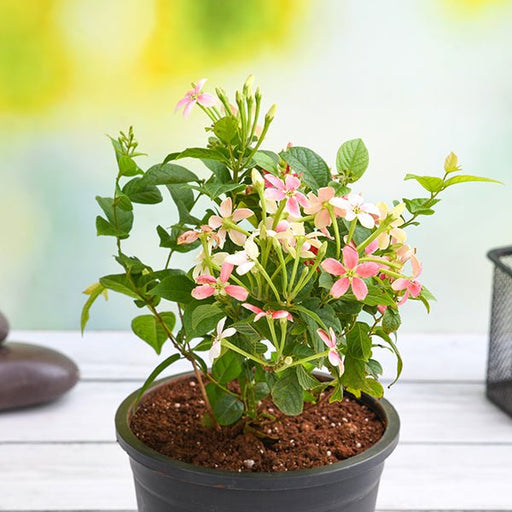
View full detailsMadhumalti Dwarf, Rangoon Creeper - Plant The Madhumalti Dwarf, also known as the Rangoon Creeper (Quisqualis indica), is a stunning perennial vin...
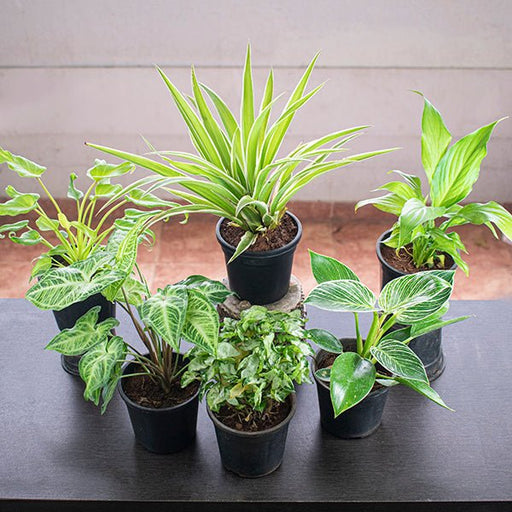
View full detailsBest 6 Plants for Perfect Indoor Garden Transform your living space into a lush oasis with our curated collection of the Best 6 Plants for a...
View full detailsBest 6 Plants for Perfect Indoor Garden Transform your living space into a lush oasis with our curated collection of the Best 6 Plants for a...
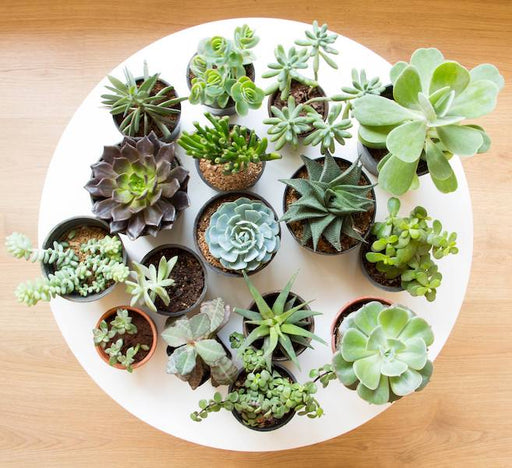
View full detailsMini Succulent Garden Pack Transform your space with our Mini Succulent Garden Pack, featuring a delightful collection of 4 any variety beautiful s...
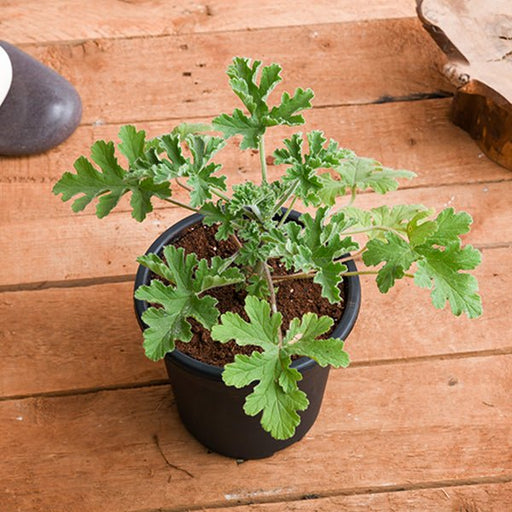
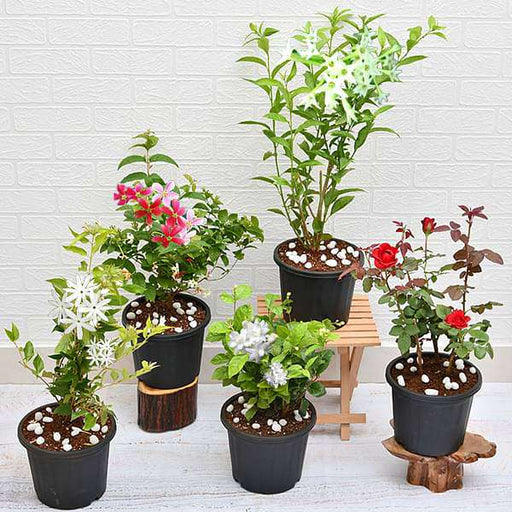
View full details5 Best Fragrant Plants Transform your garden or indoor space into a fragrant paradise with our curated selection of the 5 Best Fragrant Plants. Th...
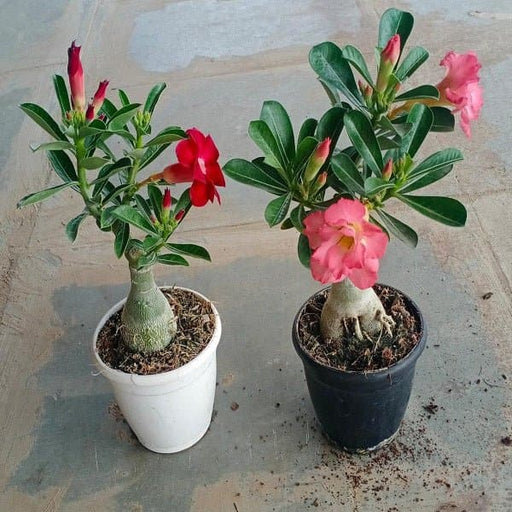
View full detailsSet of 2 Bonsai Looking Grafted Adeniums Transform your indoor or outdoor space with our exquisite Set of 2 Bonsai Looking Grafted Adenium...
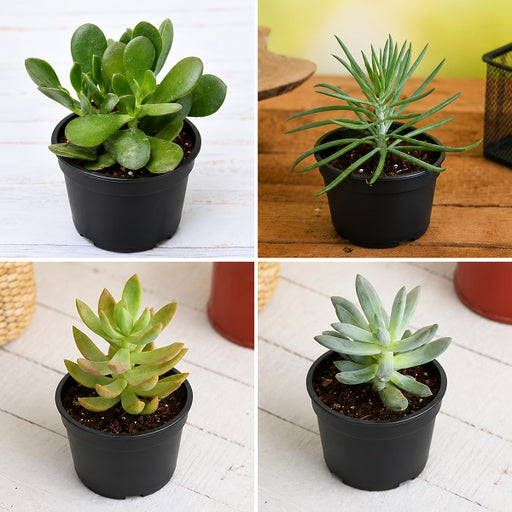
View full detailsTop 4 Die Hard Succulents Pack Note: Plants included in this pack will be delivered in a 3-inch nursery pot (any color). Transform your indoor or ...
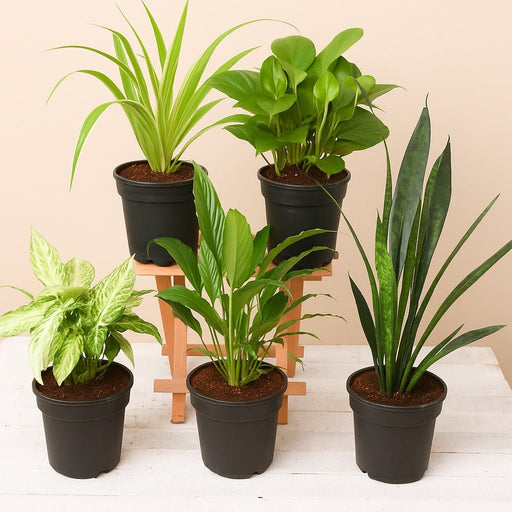
View full details5 Best Indoor Plants Pack Transform your living space into a lush oasis with our '5 Best Indoor Plants Pack.' This carefully curated collection fe...
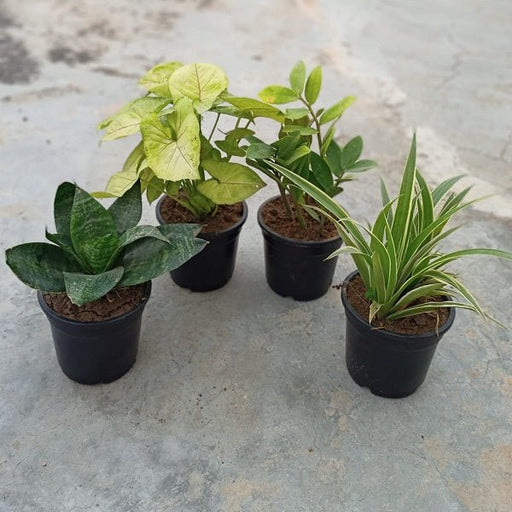
View full detailsSet of 4 Evergreen Air Purifier Plant Pack Transform your indoor space into a lush, green oasis with our Set of 4 Evergreen Air Purifier Pla...
View full detailsTop 5 Pollution Killer Plants Pack Transform your living space into a breath of fresh air with our 'Top 5 Pollution Killer Plants Pack'. This care...
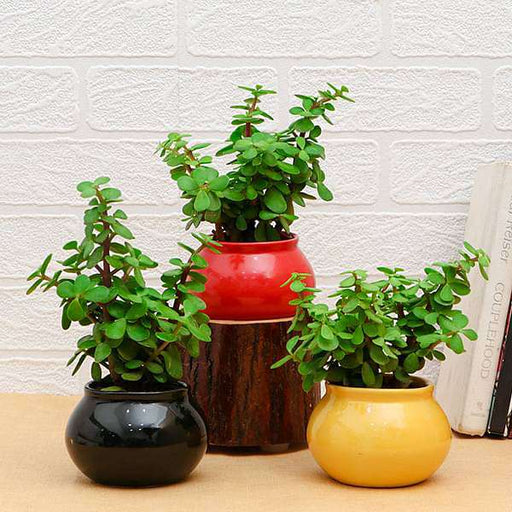
View full detailsPack of 3 Good Luck Jade Plants in Ceramic Pots Bring a touch of nature into your home with our Pack of 3 Good Luck Jade Plants, featuring...
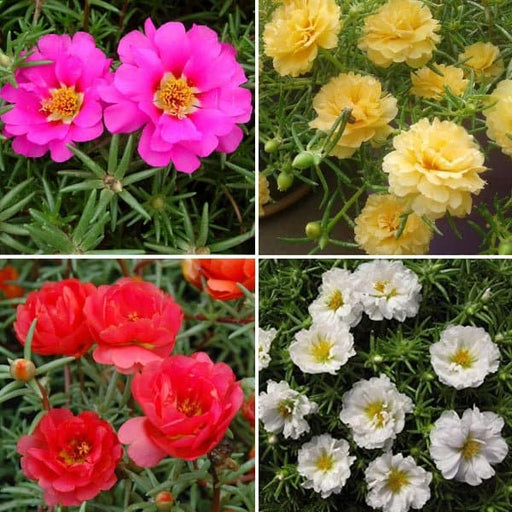
View full detailsPortulaca Garden Pack (4 Plants + 4 Black Pots) Note- You will get any color (Assorted) potted Porulaca plant with this pack. Transform your garde...
View full details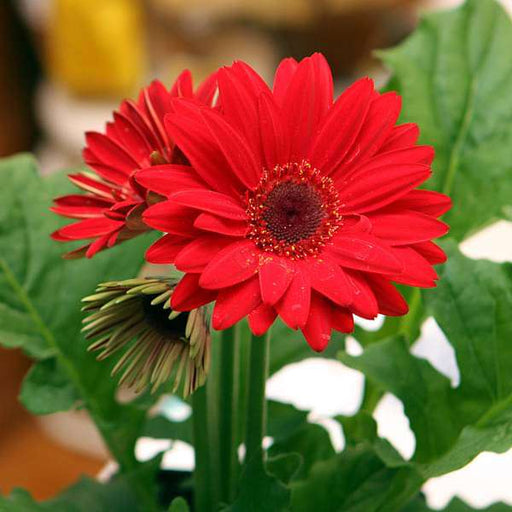





Leave a comment