
Expert Support
Available 24/7 via chat
Available 24/7 via chat
Geranium ivy, also known as malva or malvon in Indian gardens, is a stunning trailing plant with vibrant red cascading blooms that add charm to patios, balconies, and garden beds. As a zonal geranium (Pelargonium hortorum), it's remarkably easy to grow, making it an excellent choice for both seasoned gardeners and beginners. With proper care, this butterfly-and-bird-attracting plant will reward you with continuous blooms from spring through the growing season.
The geranium ivy is a trailing variety that produces clusters of vibrant red flowers perfect for cascading from hanging baskets and containers. Unlike upright geraniums, this creeping type provides excellent ground coverage while maintaining its beautiful blooms. Plant heights vary with variety—dwarf cultivars remain compact at 5-6 inches, while other varieties can grow larger, giving you flexibility in garden design.
What makes geranium ivy particularly valuable in Indian gardens is its season-long blooming potential. Starting from mid-spring, the plant enters a repeat bloom cycle that continues until frost arrives. The flowers attract butterflies and hummingbirds, making your garden a living wildlife sanctuary. This pest-resistant nature and low maintenance requirements make it ideal for Indian gardeners managing summer heat and monsoon rains.
| Factor | Requirement |
|---|---|
| Light | Full sun to partial shade; blooms best in full sun |
| Water | Wet-saturated to moist-dry cycle; avoid overwatering |
| Soil | High-quality potting mix with peat moss, vermiculite, perlite, organic compost |
| Temperature | Ideal 60-70°F (15-21°C); manage in Indian summer heat |
Geranium ivy thrives in full sun to partial shade, with full sun providing the most vibrant blooms and dense foliage. In Indian gardens, aim for at least 4-6 hours of direct sunlight daily for optimal flowering. During intense summer months (April-June), afternoon shade prevents heat stress and leaf scorching, especially in plains regions with temperatures exceeding 35°C.
If growing in partially shaded locations, the plant will still grow but may produce fewer flowers. Balconies receiving morning sun with afternoon protection work beautifully in most Indian regions. East-facing and north-facing positions offer ideal light during peak summer while still providing adequate brightness for healthy growth.
Improper watering is the primary reason geranium ivy plants fail. The key is establishing a wet-saturated to moist-dry watering cycle—water thoroughly until soil is saturated, then allow it to dry to a moist state before watering again. This prevents both drought stress and waterlogging.
During the growing season (spring and summer), water more frequently as the plant demands more water with increased sunlight. In monsoon months, reduce watering significantly since rainfall and soil moisture are naturally high. Check soil moisture before watering; if the top inch feels moist, wait. During winter, water sparingly as growth slows.
For Indian gardeners using hard water, geraniums tolerate it well, but mineral accumulation may occur over time. Flushing soil occasionally with collected rainwater helps maintain optimal soil health. Always water at the plant base early morning or evening to minimize evaporation and prevent fungal issues.
Use high-quality container potting soil enriched with organic compost as your foundation. The ideal mix combines peat moss for water retention, vermiculite for aeration, and perlite for drainage—creating the perfect balance for geranium ivy roots.
Fertilizer needs are directly tied to sunlight exposure. Plants receiving more sunlight have higher nutrient demands and require regular feeding. During active growing season (March-October), feed every 2-3 weeks with balanced fertilizer. Reduce feeding in winter when growth slows. Organic options like well-rotted compost or seaweed-based fertilizers work excellently and improve soil structure over time.
The ideal temperature range for geranium ivy is 60-70°F (15-21°C). While cooler than most Indian regions experience during summer, geraniums adapt well with proper care. During peak summer heat, provide afternoon shade and ensure consistent moisture to keep plants comfortable.
Geranium ivy starts blooming in mid-spring when temperatures warm. The repeat bloom cycle continues until frost—in most Indian plains, this means uninterrupted blooming from March until November. Humidity is less critical for geraniums; they prefer drier conditions. Good air circulation prevents fungal problems during monsoon months.
Geranium ivy propagates easily from stem cuttings, allowing you to create new plants from established specimens. Take 4-6 inch cuttings from healthy stems in spring or early summer, selecting growth tips with 2-3 leaf nodes. Remove lower leaves, leaving 2-3 leaves at the cutting tip. Insert cuttings into well-draining seed-starting mix or a peat and perlite blend.
Keep the mix lightly moist (not wet) and provide bright, indirect light. Roots typically develop within 2-3 weeks. Once rooted cuttings show new growth, transplant into individual pots with regular potting soil. This method ensures genetic consistency with parent plants and is far more economical than purchasing new plants annually.
Root Rot and Overwatering: The most common issue. Always allow soil to dry between waterings. If roots rot, repot into fresh soil immediately.
Yellowing Leaves: Often indicates overwatering or poor drainage. Check soil moisture and drainage holes. Ensure water isn't pooling around the base.
Leaf Spots: Fungal issues during humid monsoon months. Remove affected leaves, improve air circulation, and avoid wetting foliage during watering.
Sparse Blooming: Indicates insufficient light. Move the plant to a sunnier location or increase sunlight exposure to 4-6 hours daily.
Deadheading for Continuous Blooms: After flowers fade, deadhead the entire flower stalk to encourage new blooms. Regular deadheading extends the flowering season and keeps plants tidy.
Container Selection: Use pots with drainage holes, 10-12 inches in diameter for individual plants. Hanging baskets maximize the cascading habit. Ensure pots are large enough for root development.
Seasonal Care in India: Pre-monsoon (May-June), prune lightly for bushier growth. During monsoon, reduce watering and monitor for fungal issues. Post-monsoon (October onwards), resume regular feeding and watering as the plant enters prime blooming phase.
Linking Feeding to Sunlight: Plants in full sun need more water and fertilizer. Reduce both proportionally if growing in partial shade. This prevents nutrient burn and conserves water.
Ready to grow your own? Shop Geranium Ivy at Nurserylive →
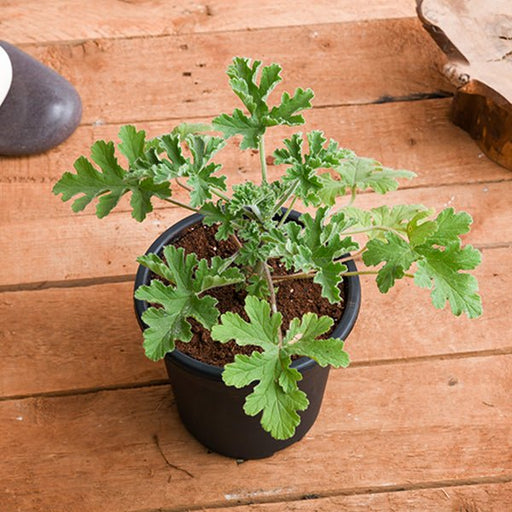
Geranium Ivy, Geranium Creeper (Red) - Plant The Geranium Ivy, also known as Geranium Creeper (Red), is a stunning perennial plant that ad...
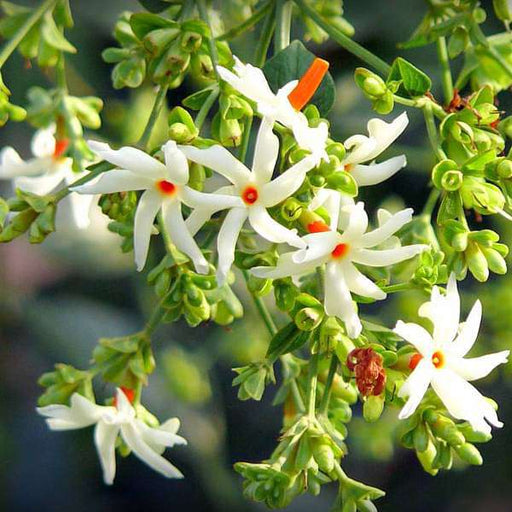
View full detailsCombo Constituents Includes the Parijat Tree (Night-Flowering Jasmine), a culturally significant plant with fragrant flowers. Description The Pari...
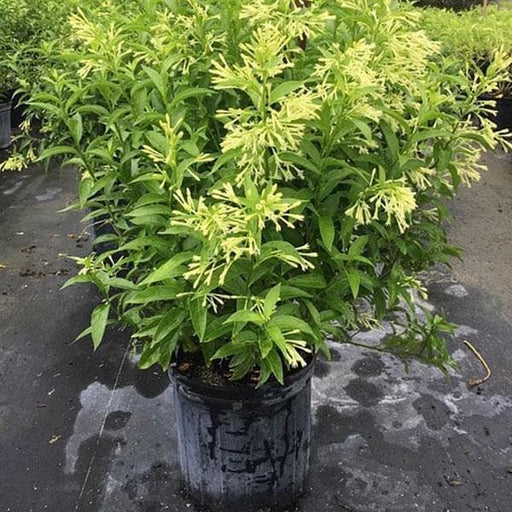
View full detailsDescription Raat Ki Rani (*Cestrum nocturnum*), also known as Night Blooming Jasmine, is a fragrant shrub native to the Caribbean and Central Ameri...
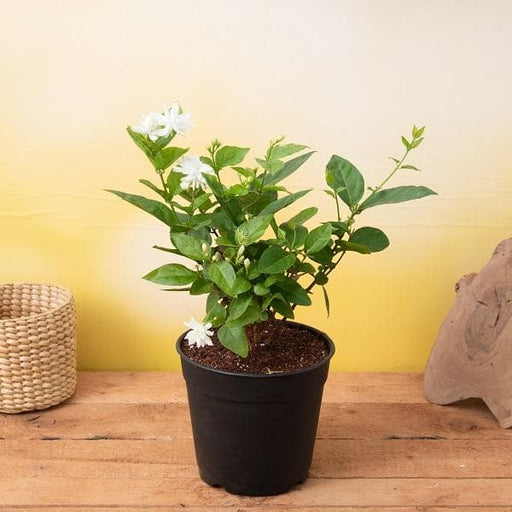
View full detailsJasminum sambac, Mogra, Arabian Jasmine - Plant Jasminum sambac, commonly known as Mogra or Arabian Jasmine, is a fragrant flowering plant...
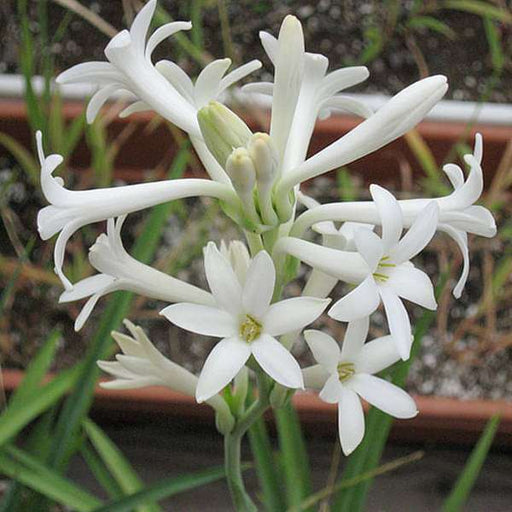
View full detailsRajnigandha, Tuberose - Plant The Rajnigandha, scientifically known as Polianthes tuberosa, is a captivating perennial plant renowned for ...
View full detailsCitronella, Odomas - Plant The Citronella plant, scientifically known as Cymbopogon nardus, is a tropical grass renowned for its aromatic ...
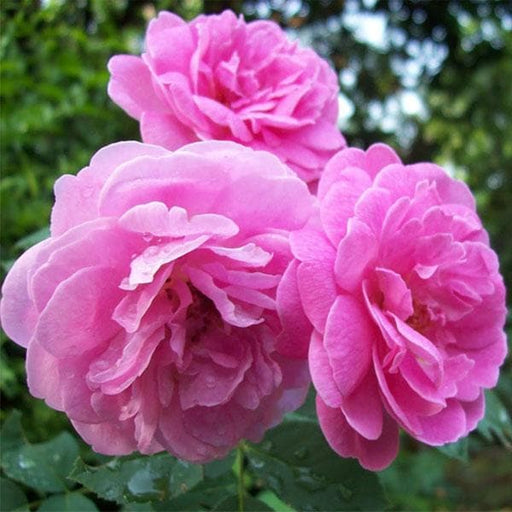
View full detailsDamascus Rose, Scented Rose (Any Color) - Plant The Damascus Rose, also known as Rosa damascena, is a timeless symbol of beauty and romanc...
View full detailsMiniature Rose, Button Rose (Any Color) - Plant The Miniature Rose, also known as the Button Rose, is a charming and compact flowering plant that ...
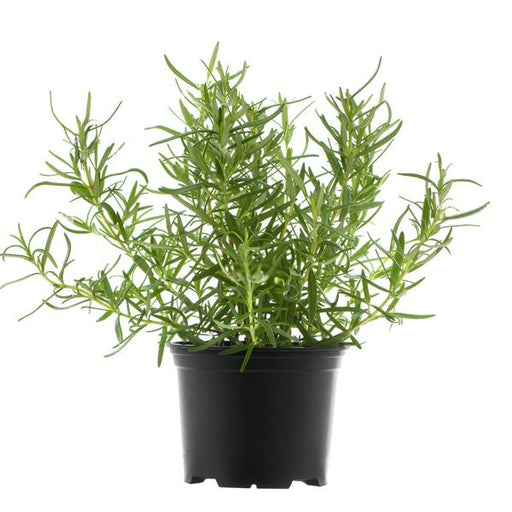
View full detailsRosemary - Plant Rosemary (Rosmarinus officinalis) is a fragrant evergreen herb native to the Mediterranean region. Known for its needle-like leav...
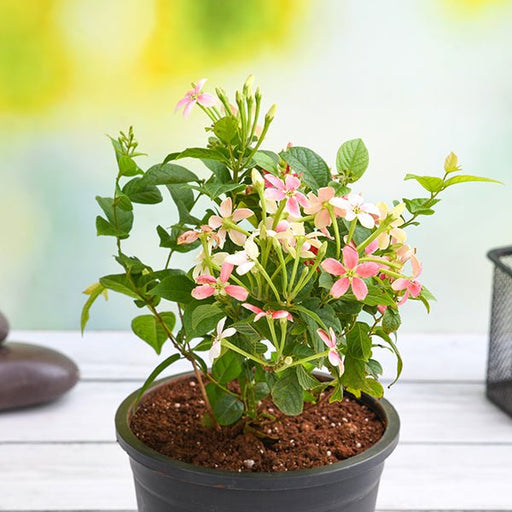
View full detailsMadhumalti Dwarf, Rangoon Creeper - Plant The Madhumalti Dwarf, also known as the Rangoon Creeper (Quisqualis indica), is a stunning perennial vin...
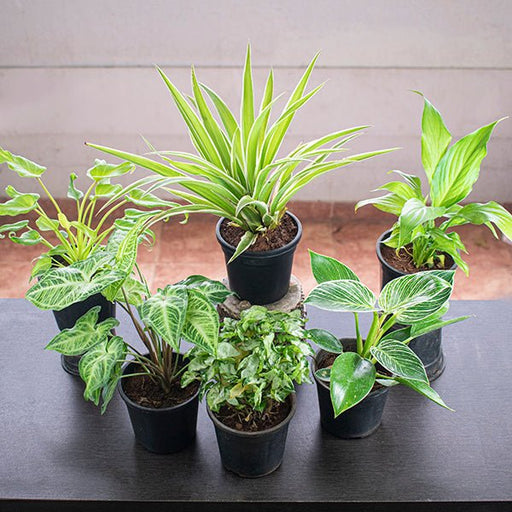
View full detailsBest 6 Plants for Perfect Indoor Garden Transform your living space into a lush oasis with our curated collection of the Best 6 Plants for a...
View full detailsBest 6 Plants for Perfect Indoor Garden Transform your living space into a lush oasis with our curated collection of the Best 6 Plants for a...
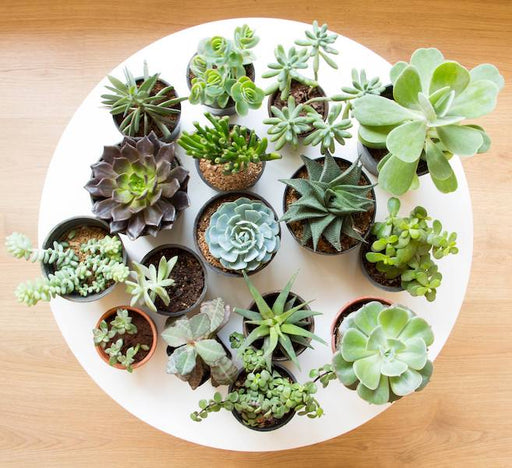
View full detailsMini Succulent Garden Pack Transform your space with our Mini Succulent Garden Pack, featuring a delightful collection of 4 any variety beautiful s...
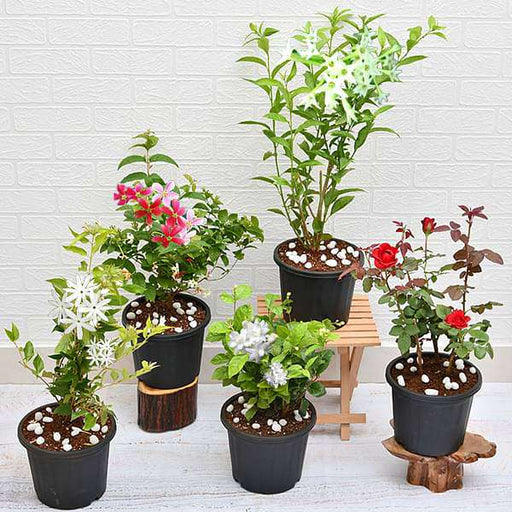
View full details5 Best Fragrant Plants Transform your garden or indoor space into a fragrant paradise with our curated selection of the 5 Best Fragrant Plants. Th...
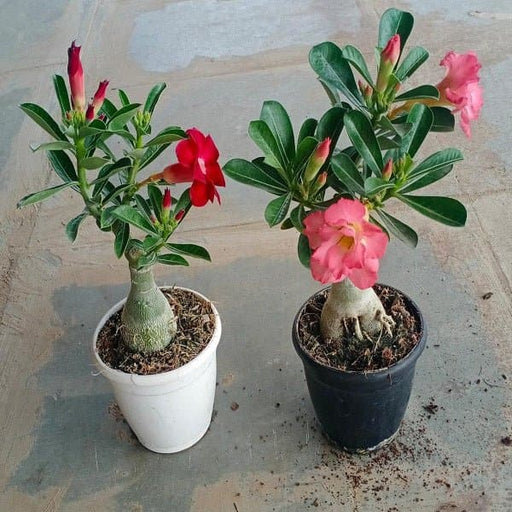
View full detailsSet of 2 Bonsai Looking Grafted Adeniums Transform your indoor or outdoor space with our exquisite Set of 2 Bonsai Looking Grafted Adenium...
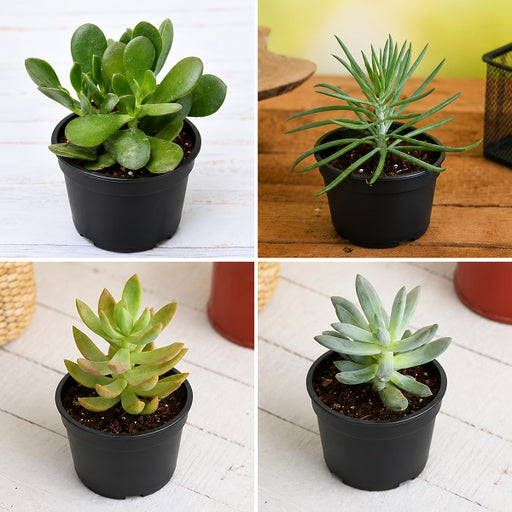
View full detailsTop 4 Die Hard Succulents Pack Note: Plants included in this pack will be delivered in a 3-inch nursery pot (any color). Transform your indoor or ...
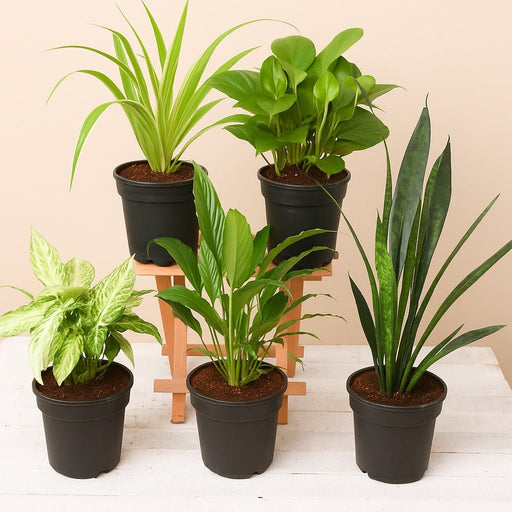
View full details5 Best Indoor Plants Pack Transform your living space into a lush oasis with our '5 Best Indoor Plants Pack.' This carefully curated collection fe...
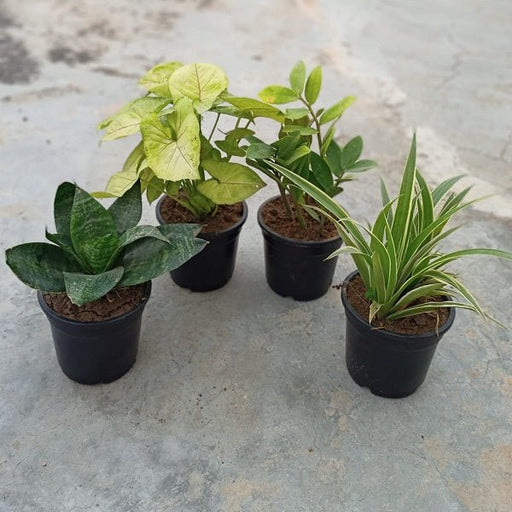
View full detailsSet of 4 Evergreen Air Purifier Plant Pack Transform your indoor space into a lush, green oasis with our Set of 4 Evergreen Air Purifier Pla...
View full detailsTop 5 Pollution Killer Plants Pack Transform your living space into a breath of fresh air with our 'Top 5 Pollution Killer Plants Pack'. This care...
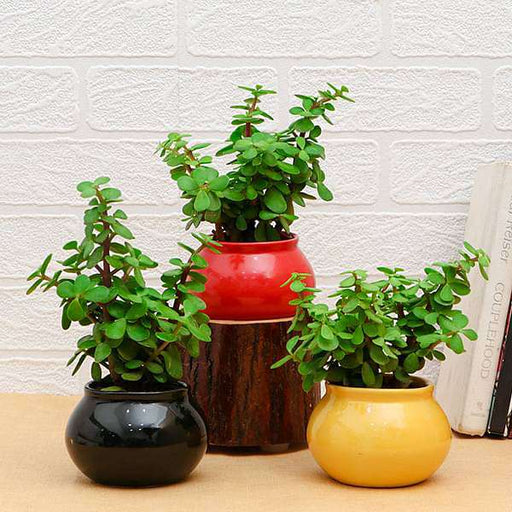
View full detailsPack of 3 Good Luck Jade Plants in Ceramic Pots Bring a touch of nature into your home with our Pack of 3 Good Luck Jade Plants, featuring...
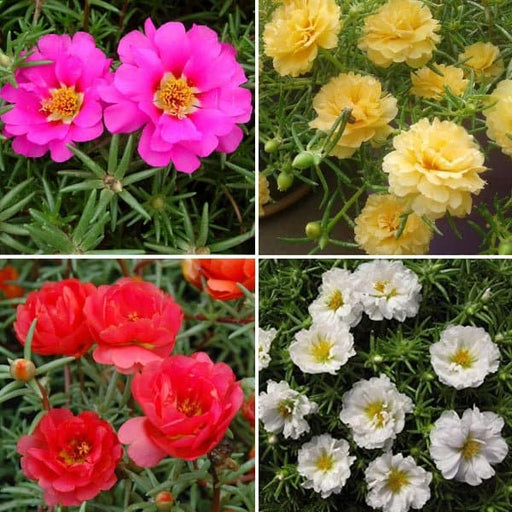
View full detailsPortulaca Garden Pack (4 Plants + 4 Black Pots) Note- You will get any color (Assorted) potted Porulaca plant with this pack. Transform your garde...
View full details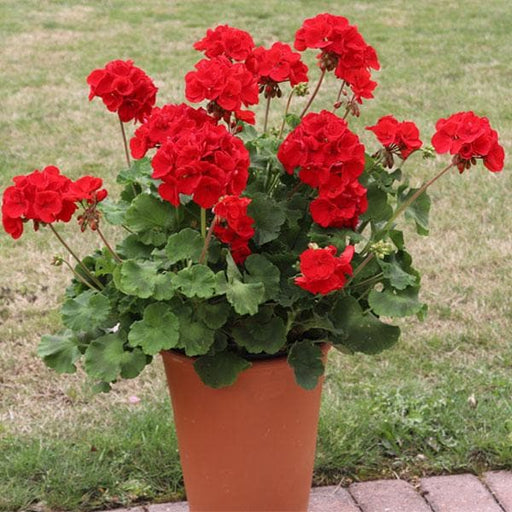





Leave a comment