
Expert Support
Available 24/7 via chat
Available 24/7 via chat
Gazanias are vibrant treasures for Indian gardeners. Their brilliant, daisy-like flowers in almost every hue imaginable brighten gardens throughout late spring and early summer. Native to South Africa, these drought-tolerant plants thrive in India's intense heat and are notoriously forgiving, making them perfect for beginners and seasoned gardeners alike. Whether you're gardening in a sunny courtyard, on a balcony, or transforming a bare corner, Gazanias deliver reliable color with minimal fuss.
Gazania, commonly known as the Treasure Flower or Coastal Gazania, is an easy-to-grow plant that brings sunshine-bright blooms to any garden space. At mature size, Gazanias typically reach 25–30 cm in height with a compact spread of around 15 cm, making them ideal for container displays, garden beds, and even hanging baskets. The real magic lies in their flowers: large, showy blooms available in virtually every color imaginable—vibrant oranges, yellows, pinks, reds, and more. Gazanias bloom prolifically from late spring through early summer, and with proper care, they'll reward you with continuous flowers throughout their growing season.
| Care Aspect | Requirements |
|---|---|
| Light | Natural bright sunlight; 6+ hours daily |
| Water | When top 1–2 inches of soil feels dry; avoid overwatering |
| Soil | Well-draining, fertile, organic-rich mix |
| Temperature | 18–30°C ideal; tolerates India's heat |
Gazanias are sun worshippers and thrive in natural bright sunlight. For best blooming and compact growth, provide at least 6 hours of direct sunlight daily. In India's hot climate, morning and early afternoon sun is ideal—intense afternoon heat (typically 2–5 pm) in summer can sometimes stress the blooms, especially in regions like Delhi or Rajasthan where temperatures regularly exceed 40°C. If you're in a very hot zone, consider placing Gazanias where they receive full morning sun with some afternoon dappled shade during peak summer. Insufficient light leads to fewer flowers and weak, leggy growth. A south or west-facing balcony or garden bed works beautifully for most Indian locations.
Gazanias are naturally drought-tolerant—this is their superpower. Water deeply when the top 1–2 inches of soil feel dry to the touch. Stick your finger into the pot to check; you're looking for that dry feeling before watering again. Overwatering is the most common mistake and can lead to root rot, particularly in monsoon regions.
During the monsoon season (June–September, depending on your region), reduce watering significantly. The rains provide moisture, and waterlogged soil invites fungal problems. Check soil moisture before each watering, even during the wet season. In winter (November–February), Gazanias need even less water—soil should dry between waterings. During the hot, dry months (April–June), you may need to water every 2–3 days, but always check the soil first. The key: let the soil dry between waterings. Gazanias thrive on this rhythm far more than constant moisture.
Use well-draining, fertile soil rich in organic content. A mix of garden soil, coarse sand (30%), and compost (20%) works wonderfully for potted Gazanias. Good drainage is non-negotiable; if your soil retains water, the roots will rot. If you're dealing with hard water (common in many Indian regions), occasional flushing with distilled water can help, though Gazanias are generally tolerant.
Feed your Gazanias with any organic fertilizer—neem cake, vermicompost, or a balanced organic formula—every 4–6 weeks during the growing season (February–June and again in September–November after monsoon). In winter and monsoon, skip fertilizing. Extra feeding isn't necessary; these plants are modest feeders. If you mix a slow-release organic fertilizer into the potting soil at planting, you may not need to feed at all for several months.
Gazanias thrive in a temperature range of 18–30°C. India's summer heat—even when it climbs to 40°C or higher—is tolerable for short periods, especially if the plants receive afternoon shade and consistent watering. Humidity isn't a significant concern; Gazanias are naturally adapted to drier climates and rarely suffer from high humidity alone. However, combine high humidity with poor air circulation and overwatering during the monsoon, and fungal issues can arise. Ensure good airflow around your plants, especially in humid regions.
Gazanias are easy to propagate from seeds. Sow seeds in well-draining seed compost in early spring (February–March) or late summer (August–September). Keep the soil moist but not waterlogged, and provide bright, indirect light. Seedlings typically germinate in 2–3 weeks and are ready to pot on after developing their first true leaves. You can also propagate from cuttings taken in spring; choose healthy, young shoots, root them in moist sand or seed compost under bright, indirect light, and transplant once rooted (usually 3–4 weeks).
Overwatering is the primary culprit behind most Gazania problems. Signs include yellowing leaves, soft stems, and a musty smell from the soil. If this happens, stop watering immediately, improve drainage, and repot into fresh soil if the damage is severe.
Powdery mildew can appear in humid, poorly ventilated spaces, particularly during or after the monsoon. Spray affected plants with a neem oil solution or sulfur dust, and improve air circulation immediately.
Pests are rare but spider mites and aphids may visit in hot, dry conditions. A strong spray of water or a neem-based insecticide usually resolves the problem.
Flower bud drop before blooming typically signals inconsistent watering or sudden temperature swings. Maintain steady, careful watering and protect plants from cold drafts in winter.
Ready to grow your own? Shop Gazania at Nurserylive →
Gazania (Any Color) - Plant The Gazania, a vibrant flowering plant native to South Africa, is renowned for its stunning daisy-like blooms ...
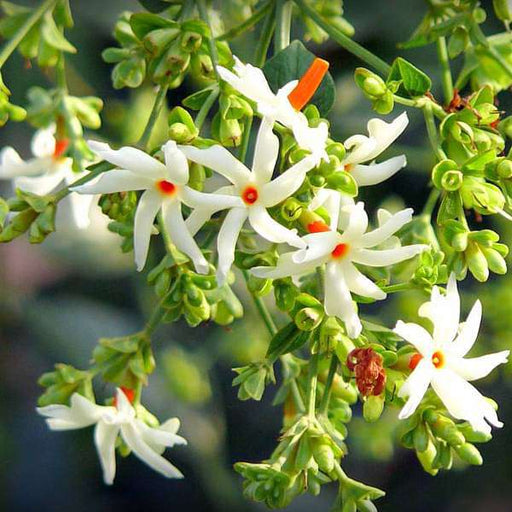
View full detailsCombo Constituents Includes the Parijat Tree (Night-Flowering Jasmine), a culturally significant plant with fragrant flowers. Description The Pari...
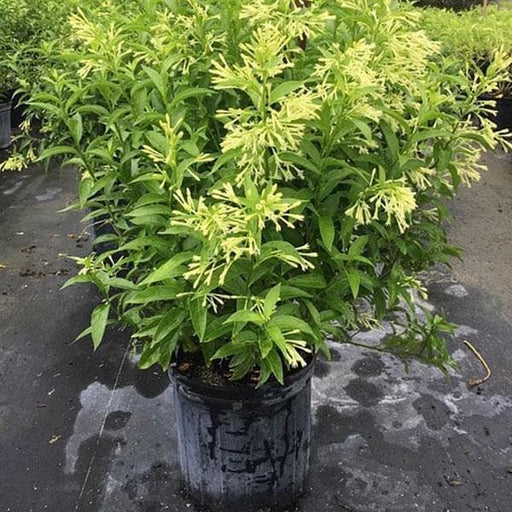
View full detailsDescription Raat Ki Rani (*Cestrum nocturnum*), also known as Night Blooming Jasmine, is a fragrant shrub native to the Caribbean and Central Ameri...
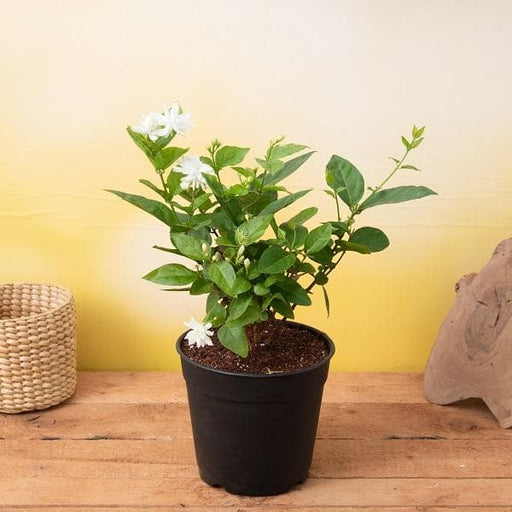
View full detailsJasminum sambac, Mogra, Arabian Jasmine - Plant Jasminum sambac, commonly known as Mogra or Arabian Jasmine, is a fragrant flowering plant...
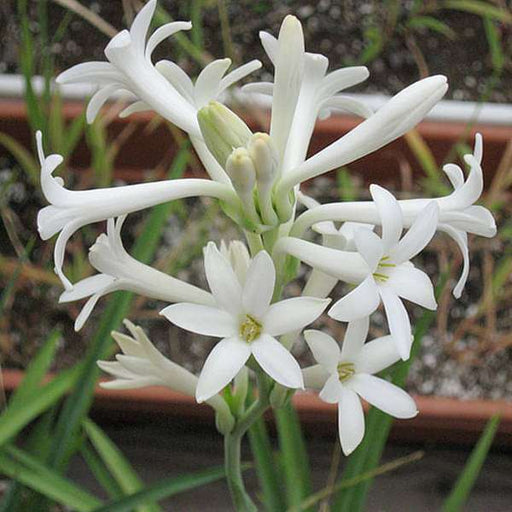
View full detailsRajnigandha, Tuberose - Plant The Rajnigandha, scientifically known as Polianthes tuberosa, is a captivating perennial plant renowned for ...
View full detailsCitronella, Odomas - Plant The Citronella plant, scientifically known as Cymbopogon nardus, is a tropical grass renowned for its aromatic ...
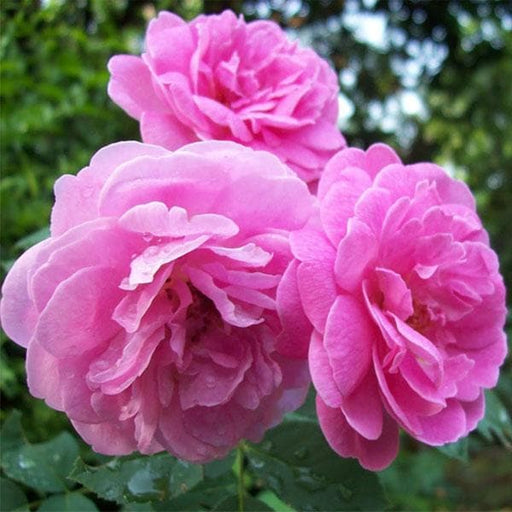
View full detailsDamascus Rose, Scented Rose (Any Color) - Plant The Damascus Rose, also known as Rosa damascena, is a timeless symbol of beauty and romanc...
View full detailsMiniature Rose, Button Rose (Any Color) - Plant The Miniature Rose, also known as the Button Rose, is a charming and compact flowering plant that ...
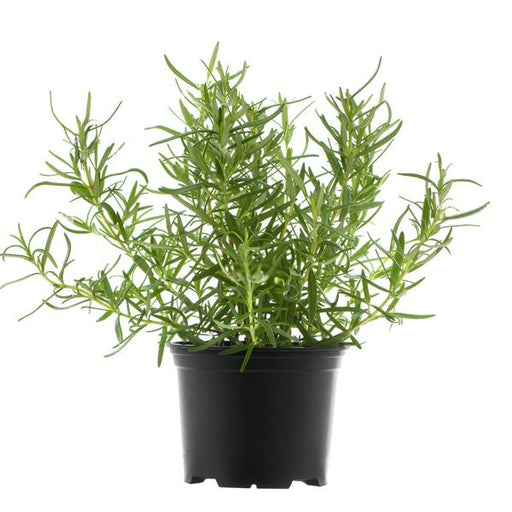
View full detailsRosemary - Plant Rosemary (Rosmarinus officinalis) is a fragrant evergreen herb native to the Mediterranean region. Known for its needle-like leav...
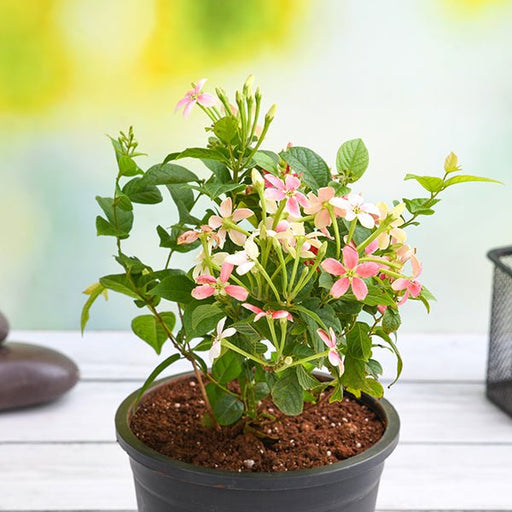
View full detailsMadhumalti Dwarf, Rangoon Creeper - Plant The Madhumalti Dwarf, also known as the Rangoon Creeper (Quisqualis indica), is a stunning perennial vin...
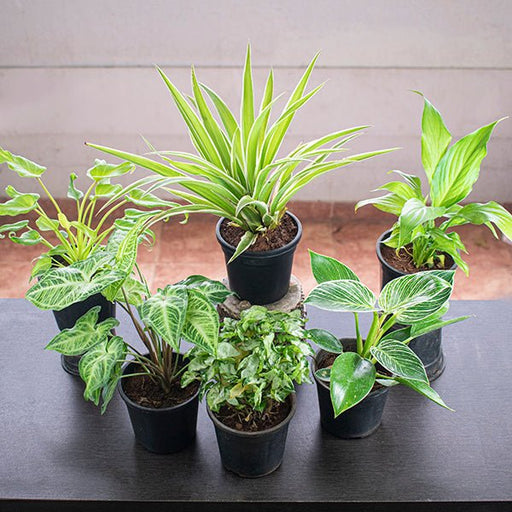
View full detailsBest 6 Plants for Perfect Indoor Garden Transform your living space into a lush oasis with our curated collection of the Best 6 Plants for a...
View full detailsBest 6 Plants for Perfect Indoor Garden Transform your living space into a lush oasis with our curated collection of the Best 6 Plants for a...
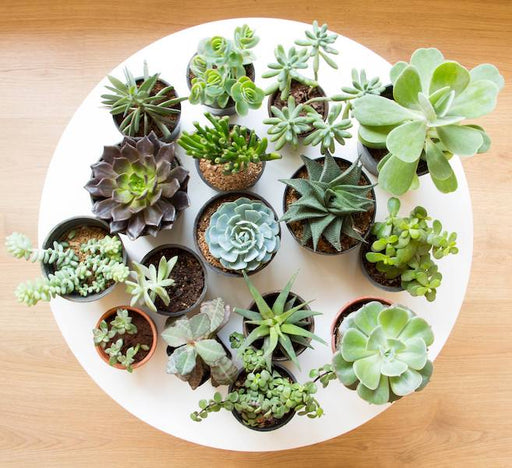
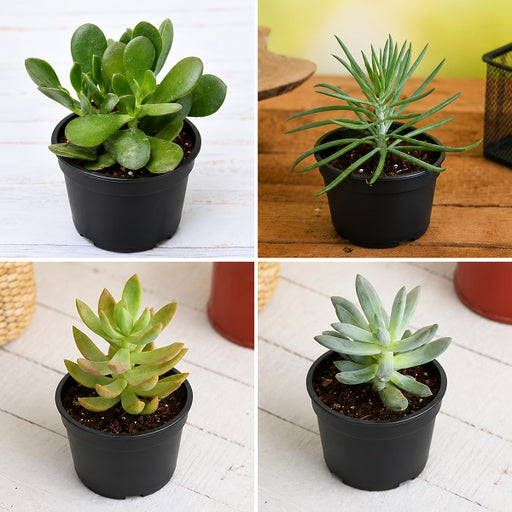
View full detailsMini Succulent Garden Pack Transform your space with our Mini Succulent Garden Pack, featuring a delightful collection of 4 any variety beautiful s...
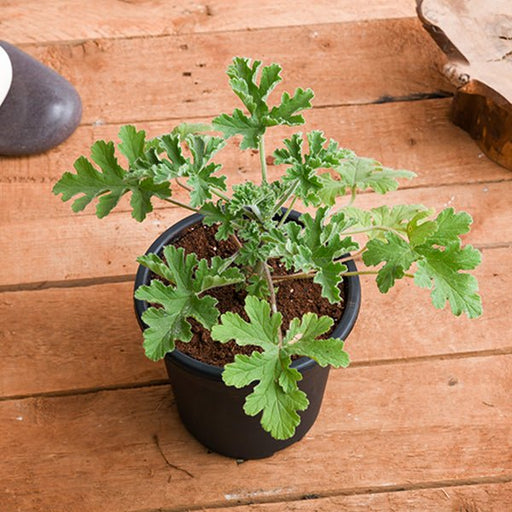
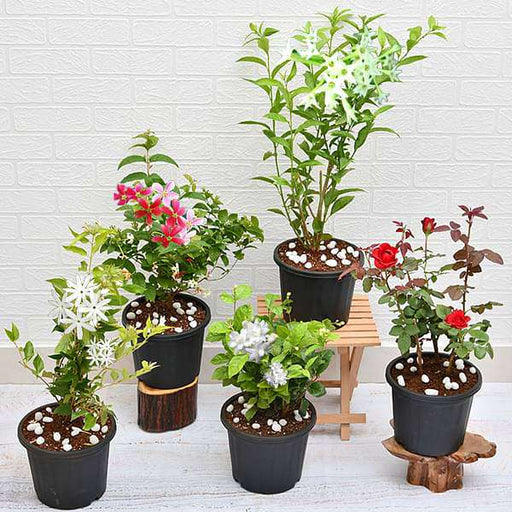
View full details5 Best Fragrant Plants Transform your garden or indoor space into a fragrant paradise with our curated selection of the 5 Best Fragrant Plants. Th...
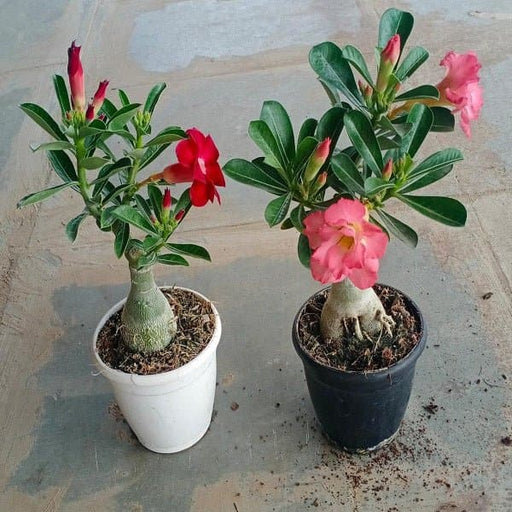
View full detailsSet of 2 Bonsai Looking Grafted Adeniums Transform your indoor or outdoor space with our exquisite Set of 2 Bonsai Looking Grafted Adenium...
View full detailsTop 4 Die Hard Succulents Pack Note: Plants included in this pack will be delivered in a 3-inch nursery pot (any color). Transform your indoor or ...
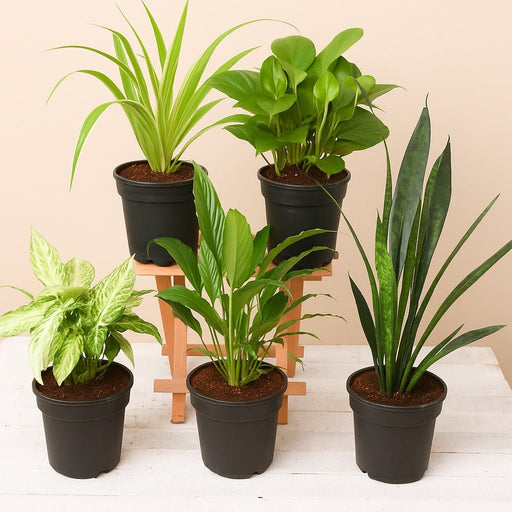
View full details5 Best Indoor Plants Pack Transform your living space into a lush oasis with our '5 Best Indoor Plants Pack.' This carefully curated collection fe...
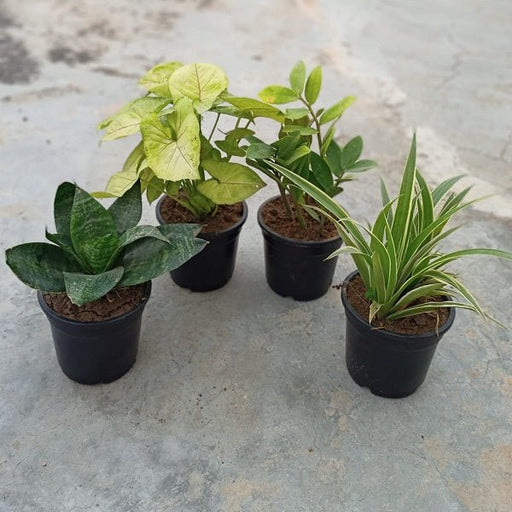
View full detailsSet of 4 Evergreen Air Purifier Plant Pack Transform your indoor space into a lush, green oasis with our Set of 4 Evergreen Air Purifier Pla...
View full detailsTop 5 Pollution Killer Plants Pack Transform your living space into a breath of fresh air with our 'Top 5 Pollution Killer Plants Pack'. This care...
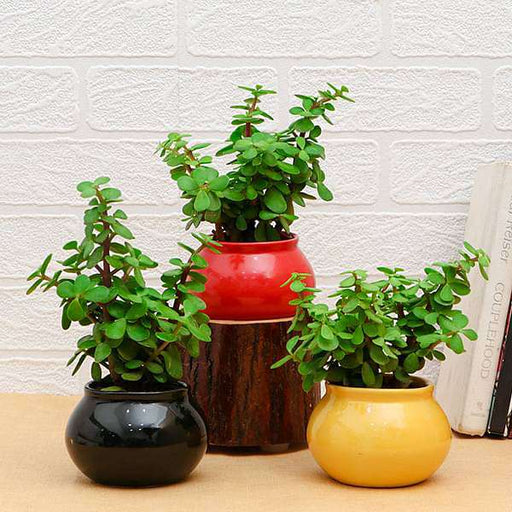
View full detailsPack of 3 Good Luck Jade Plants in Ceramic Pots Bring a touch of nature into your home with our Pack of 3 Good Luck Jade Plants, featuring...
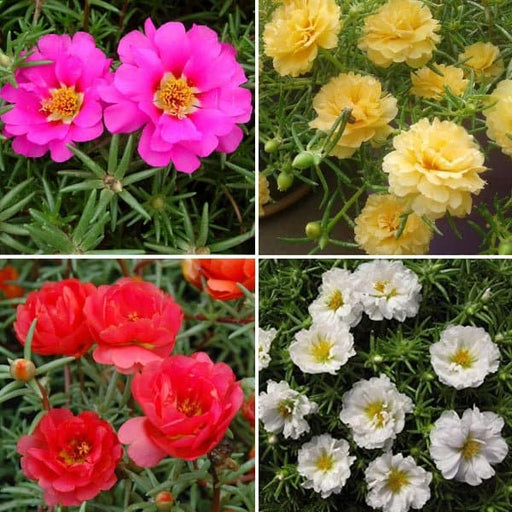
View full detailsPortulaca Garden Pack (4 Plants + 4 Black Pots) Note- You will get any color (Assorted) potted Porulaca plant with this pack. Transform your garde...
View full details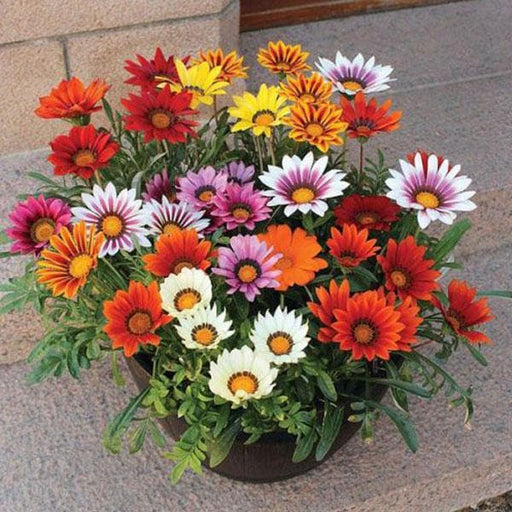





Leave a comment