
Expert Support
Available 24/7 via chat
Available 24/7 via chat
Gardenia, affectionately known as Gandhraj in India, is a stunning flowering shrub treasured for its intensely fragrant white blooms and surprisingly easy care requirements. Whether you're a seasoned gardener or just starting out, this flowering beauty thrives beautifully in pots across Indian homes and gardens, rewarding your efforts with year-round fragrance and blooms especially abundant during summer and monsoon seasons.
Gandhraj, the Gardenia or Cape Jasmine, is a compact, elegant flowering shrub that arrives as a well-established 12-inch (30 cm) plant with a spread of 7 inches. With proper care, your Gardenia can grow into a substantial shrub reaching 60–150 cm in height over time. This evergreen shrub produces pristine white flowers with an intoxicating fragrance that fills your space even on warm Indian evenings. Gardenias are classified as Easy to grow, making them ideal for gardeners of all skill levels across India's diverse climate zones.
| Care Aspect | Details |
|---|---|
| Light | 3–6 hours natural direct morning sunlight + indirect bright light for the rest of the day |
| Water | Approximately 150 ml (3 cups) when top 1–2 inches of soil feel dry to touch |
| Soil | Well-draining, fertile, rich in organic content |
| Temperature | Optimal range: 25–30°C |
Gardenias thrive with a balance of direct and indirect light. Provide 3 to 6 hours of natural direct morning sunlight, which fuels blooming and maintains plant vigor. During the rest of the day, ensure your Gardenia receives natural indirect bright light—this is crucial in India's intense afternoon sun, which can scorch leaves if exposure is prolonged. If growing indoors, position near a south or east-facing window. Insufficient light reduces flowering dramatically, so avoid dark corners. Similarly, intense midday sun in May and June can stress the plant, so afternoon shade during peak summer months is beneficial.
Consistent, mindful watering is key to Gardenia success. Apply approximately 150 ml (3 cups) of water when the top 1–2 inches of soil feel dry to the touch. Check soil moisture with your fingertip before watering—Gardenias dislike waterlogged roots, which invite root rot and fungal problems. In India's hot months (April–June), you may need to water every 2–3 days. During monsoon season, reduce watering frequency if soil remains moist; ensure pots have drainage holes so excess water never accumulates. Hard water, common in many Indian regions, can eventually affect plant health—consider collecting rainwater for Gardenias when possible.
Your Gardenia needs well-draining, fertile soil rich in organic content. A soil mix containing coco peat, perlite, and compost works beautifully. The organic matter improves water retention while perlite ensures roots never sit waterlogged. Feed your Gardenia with any organic fertilizer once a month during October through January, the cooler months when growth and nutrient uptake are steady. Avoid over-fertilizing, which can lead to excessive foliage at the expense of flowers. Organic fertilizers release nutrients slowly, feeding your plant gently over time without the shock of chemical alternatives.
Gardenias perform optimally between 25–30°C, a range that aligns well with much of India's climate outside peak summer extremes. They tolerate India's humid monsoon season beautifully and actually bloom more prolifically in summer and during rains. High humidity supports lush foliage and abundant flower production. However, in extremely hot months (May–June), provide afternoon shade and increase watering to protect the plant from heat stress. Gardenias adapt exceptionally well to both indoor air-conditioned spaces and outdoor balcony container growing.
Gardenias can be propagated from semi-hardwood cuttings during the growing season, typically post-monsoon (August–September). Take 4–6 inch cuttings from healthy, disease-free growth, remove lower leaves, and place in moist, well-draining soil mix. Maintain humidity by covering with a transparent plastic bag or placing in a humid environment. Provide bright, indirect light. Roots typically develop within 4–6 weeks. This allows you to grow additional plants from an existing specimen, multiplying your fragrant blooms across your garden.
Gardenias are relatively hardy, but watch for yellow leaves (often iron deficiency in hard water—add chelated iron or use filtered water), brown bud drop (insufficient watering or low humidity), and pests like spider mites and scale insects in dry indoor conditions. Improve humidity by misting foliage regularly or grouping plants together. Regularly inspect undersides of leaves for early pest detection. If pests appear, isolate the plant and treat with organic neem oil spray.
Ready to grow your own? Shop Gardenia at Nurserylive →
Gardenia, Ananta - Plant The Gardenia, Ananta, is a stunning evergreen shrub known for its fragrant white blooms and glossy dark green lea...
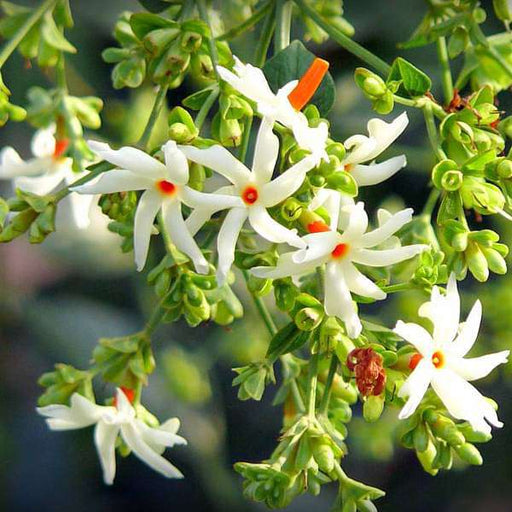
View full detailsCombo Constituents Includes the Parijat Tree (Night-Flowering Jasmine), a culturally significant plant with fragrant flowers. Description The Pari...
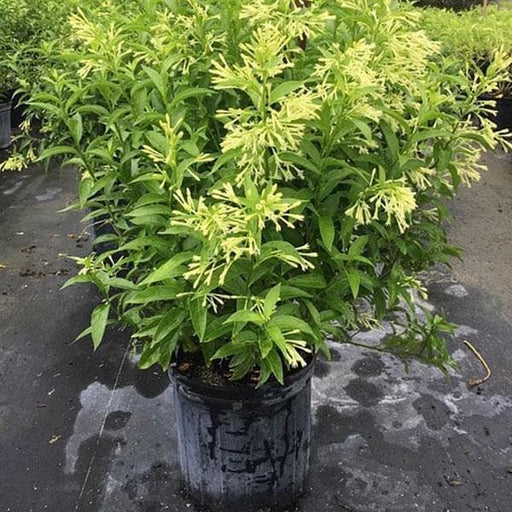
View full detailsDescription Raat Ki Rani (*Cestrum nocturnum*), also known as Night Blooming Jasmine, is a fragrant shrub native to the Caribbean and Central Ameri...
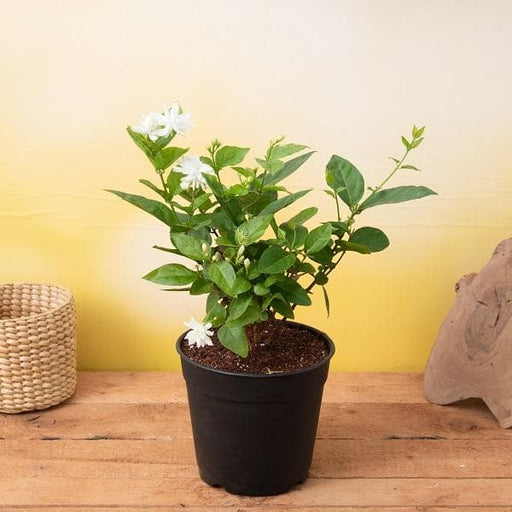
View full detailsJasminum sambac, Mogra, Arabian Jasmine - Plant Jasminum sambac, commonly known as Mogra or Arabian Jasmine, is a fragrant flowering plant...
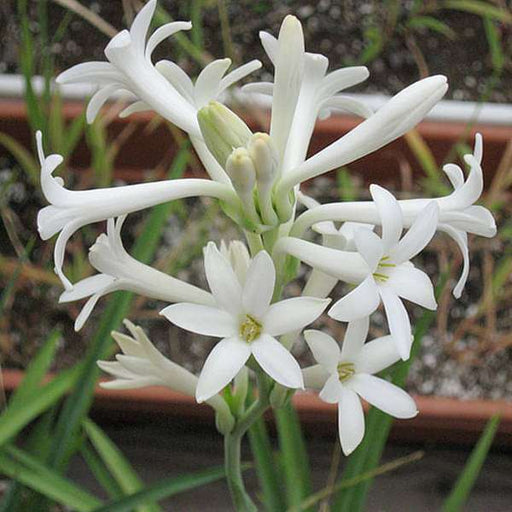
View full detailsRajnigandha, Tuberose - Plant The Rajnigandha, scientifically known as Polianthes tuberosa, is a captivating perennial plant renowned for ...
View full detailsCitronella, Odomas - Plant The Citronella plant, scientifically known as Cymbopogon nardus, is a tropical grass renowned for its aromatic ...
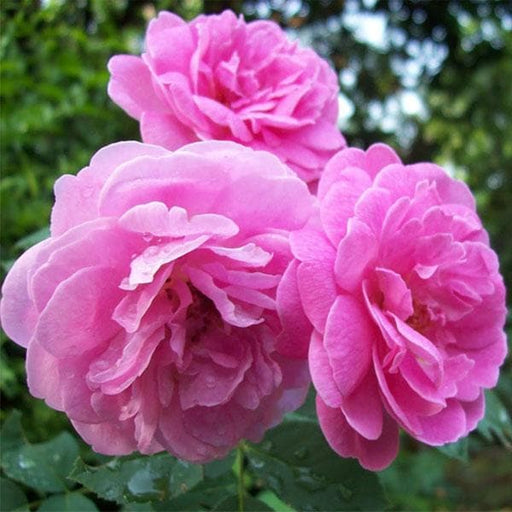
View full detailsDamascus Rose, Scented Rose (Any Color) - Plant The Damascus Rose, also known as Rosa damascena, is a timeless symbol of beauty and romanc...
View full detailsMiniature Rose, Button Rose (Any Color) - Plant The Miniature Rose, also known as the Button Rose, is a charming and compact flowering plant that ...
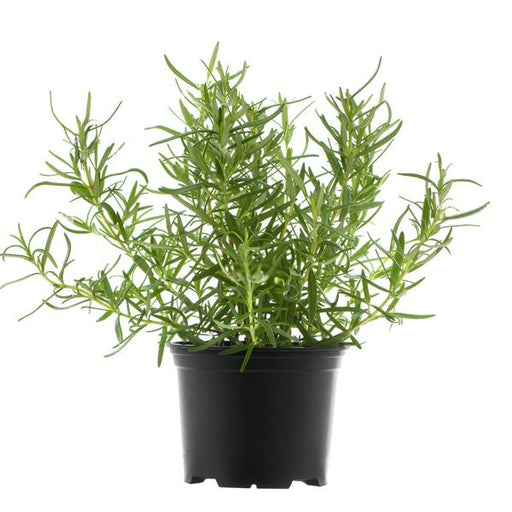
View full detailsRosemary - Plant Rosemary (Rosmarinus officinalis) is a fragrant evergreen herb native to the Mediterranean region. Known for its needle-like leav...
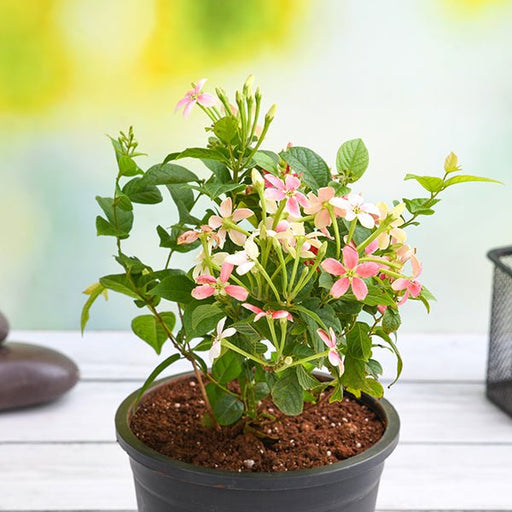
View full detailsMadhumalti Dwarf, Rangoon Creeper - Plant The Madhumalti Dwarf, also known as the Rangoon Creeper (Quisqualis indica), is a stunning perennial vin...
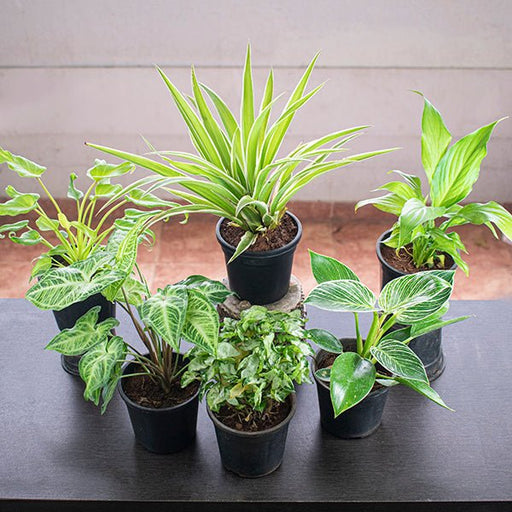
View full detailsBest 6 Plants for Perfect Indoor Garden Transform your living space into a lush oasis with our curated collection of the Best 6 Plants for a...
View full detailsBest 6 Plants for Perfect Indoor Garden Transform your living space into a lush oasis with our curated collection of the Best 6 Plants for a...
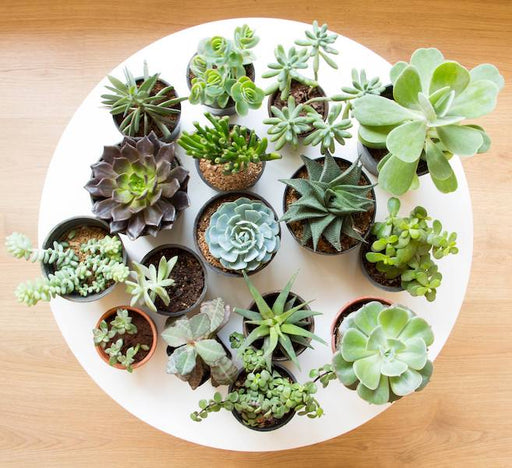
View full detailsMini Succulent Garden Pack Transform your space with our Mini Succulent Garden Pack, featuring a delightful collection of 4 any variety beautiful s...
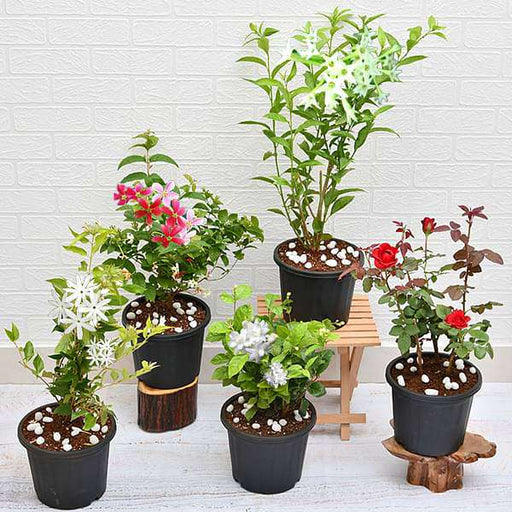
View full details5 Best Fragrant Plants Transform your garden or indoor space into a fragrant paradise with our curated selection of the 5 Best Fragrant Plants. Th...
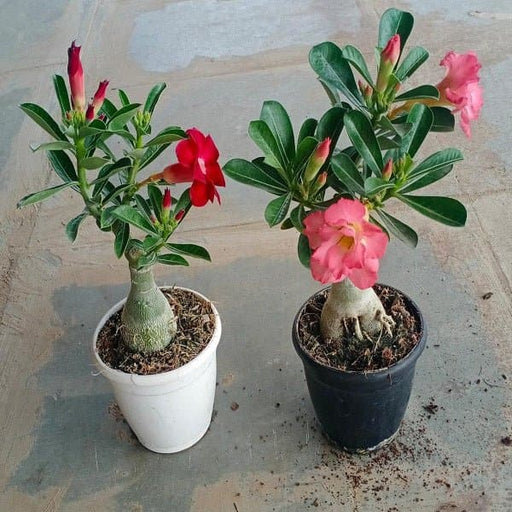
View full detailsSet of 2 Bonsai Looking Grafted Adeniums Transform your indoor or outdoor space with our exquisite Set of 2 Bonsai Looking Grafted Adenium...
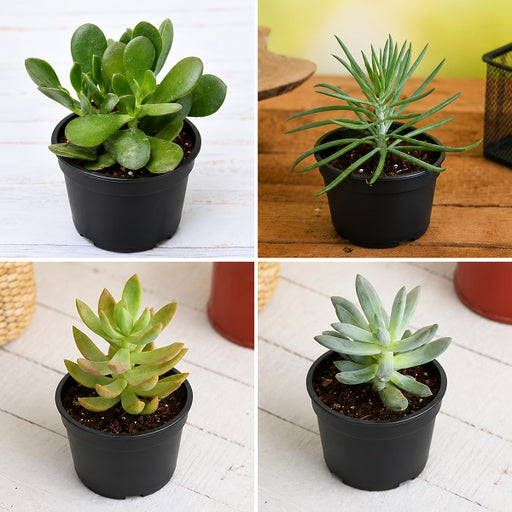
View full detailsTop 4 Die Hard Succulents Pack Note: Plants included in this pack will be delivered in a 3-inch nursery pot (any color). Transform your indoor or ...
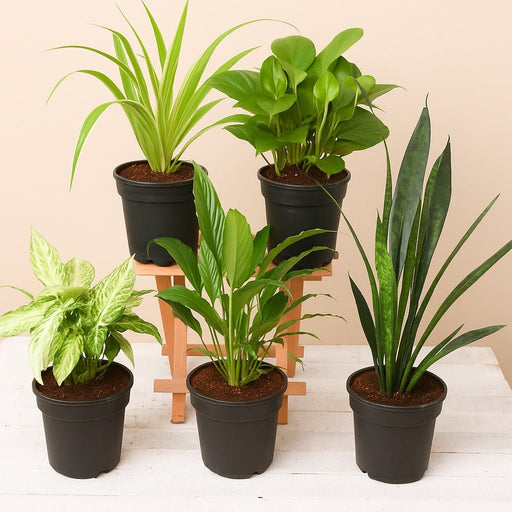
View full details5 Best Indoor Plants Pack Transform your living space into a lush oasis with our '5 Best Indoor Plants Pack.' This carefully curated collection fe...
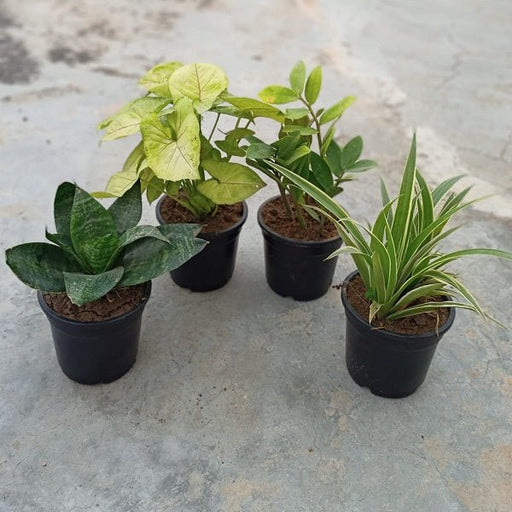
View full detailsSet of 4 Evergreen Air Purifier Plant Pack Transform your indoor space into a lush, green oasis with our Set of 4 Evergreen Air Purifier Pla...
View full detailsTop 5 Pollution Killer Plants Pack Transform your living space into a breath of fresh air with our 'Top 5 Pollution Killer Plants Pack'. This care...
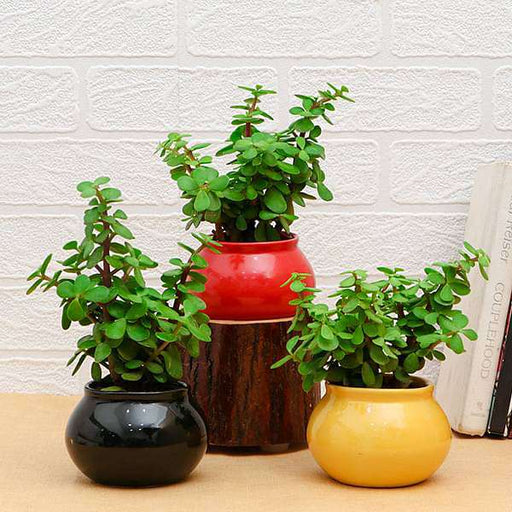
View full detailsPack of 3 Good Luck Jade Plants in Ceramic Pots Bring a touch of nature into your home with our Pack of 3 Good Luck Jade Plants, featuring...
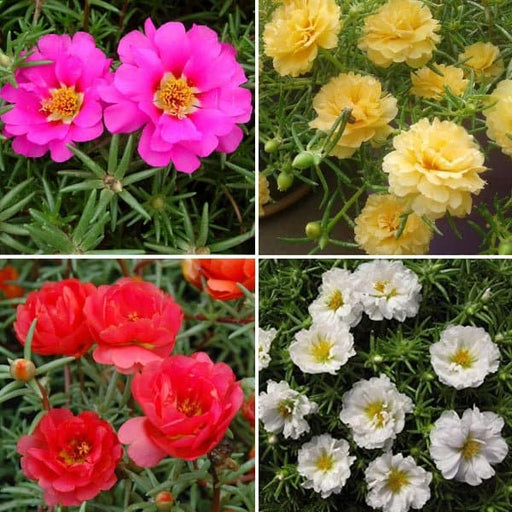
View full detailsPortulaca Garden Pack (4 Plants + 4 Black Pots) Note- You will get any color (Assorted) potted Porulaca plant with this pack. Transform your garde...
View full details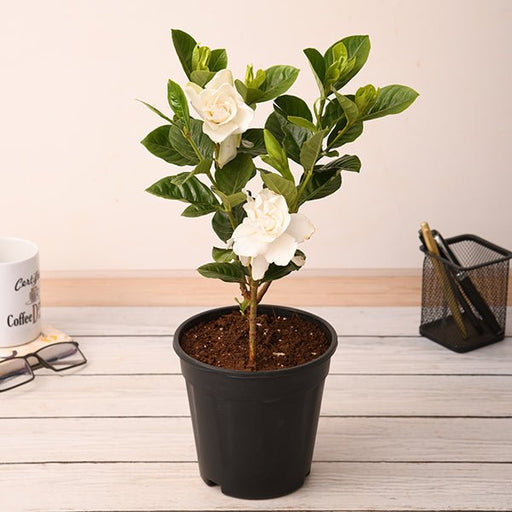






Leave a comment