
Expert Support
Available 24/7 via chat
Available 24/7 via chat
There's something deeply satisfying about growing your own figs at home. The fig tree, or Anjeer as it's known across India, is one of the most rewarding fruiting plants you can cultivate—and surprisingly easy, even if you lack gardening experience. Unlike many fruit trees that demand fussy conditions, the Anjeer is forgiving, productive, and pot-friendly. When you see those sweet, jewel-like figs ripen in your garden come June, you'll understand why this tree has been revered for thousands of years. Whether you have a sprawling garden or a compact balcony in Delhi, Mumbai, or Bangalore, a fig tree can flourish and deliver harvests that taste infinitely better than anything from a store shelf.
The common fig, or Ficus carica, is a deciduous tree native to warm, dry regions—which makes it perfectly suited to India's climate. In its youth, you'll receive a modest sapling at around 13 inches tall with a 7-inch spread, but don't underestimate it: given time and care, this tree can grow up to 9 meters, becoming a magnificent, long-lived fixture in your garden. The fig produces delicate yellowish-green to coppery flowers between February and May, which then develop into the fleshy fruits you harvest by June. The beauty of the Anjeer is that it's classified as an easy-difficulty plant, making it ideal for learners, busy gardeners, and anyone skeptical of their own green thumb. It's also perennial, meaning one tree can produce for decades with minimal intervention.
| Care Aspect | Requirements |
|---|---|
| Light | Natural bright light with morning sunlight (minimum 6 hours daily) |
| Water | 4 cups (approximately 200ml) when top 1-2 inches of soil feels dry |
| Soil | Well-drained, fertile, rich in organic matter |
| Temperature | 30-45°C (ideal for Indian summers and plains) |
Figs are sun-worshippers, and in India, this works magnificently in your favor. Position your tree where it receives natural bright light for at least 6 hours daily, with a strong emphasis on morning sunlight. Morning sun is gentler than the harsh afternoon rays of peak summer (April-May), so if you have a spot that catches the first few hours of daylight—say, an east-facing balcony or garden corner—that's ideal. If you live in a region with intense afternoon heat (like Rajasthan or central India), some afternoon shade is welcome, but don't deprive your tree of morning hours. Insufficient light will result in weak growth, fewer flowers, and ultimately, a disappointing harvest. Window sills in well-lit rooms also work for younger plants, though they'll eventually need to move outdoors for full productivity.
This is where fig trees earn their low-maintenance reputation. Unlike many tropical plants that sulk without constant moisture, Anjeer prefers a drought-tolerant approach. Water deeply but infrequently: apply approximately 4 cups (200ml) of water when the top 1-2 inches of soil in your pot feel dry to the touch. During India's monsoon season (June-September), rainfall often provides sufficient moisture, so you may need to water less frequently or even pause watering altogether if the pot is in an open area. In winter and early spring (December-February, the growing season), establish a regular schedule as the tree pushes new growth. Hard water is common in many Indian cities, but figs tolerate it well—no special treatment needed. The key is avoiding waterlogging: ensure your pot has drainage holes, and never let it sit in stagnant water, as root rot will quickly kill your tree.
Your fig tree thrives in well-drained, fertile soil rich in organic content. If you're planting in pots (recommended for most Indian homes), use a high-quality potting mix amended with compost or well-rotted manure—aim for a blend of 60% potting soil, 30% aged compost, and 10% perlite or sand for extra drainage. Garden soil alone often compacts and holds too much moisture, leading to root issues. Feed your tree with organic fertilizer once a month during the main growing season, which runs from December through February in India. A balanced organic fertilizer (or homemade compost tea) supports vigorous leaf and flower development. Once the fruiting season begins (typically by March-April), you can reduce fertilization; over-feeding at that point encourages leafy growth at the expense of fruit production. Neem cake or bone meal scattered around the base works beautifully for organic gardeners.
The fig tree's ideal temperature range—30-45°C—aligns perfectly with India's climate, particularly the heat of spring and early summer. This is the plant's sweet spot; it actually thrives when most gardeners are wilting. The tree is surprisingly cold-hardy in winter (deciduous figs can tolerate frost in temperate regions), but in India, even cool-season temperatures of 15-20°C pose no problem. Humidity is less critical for figs than for many tropical plants. The Anjeer is accustomed to dry, warm conditions and doesn't require misting or a humid environment. In fact, high humidity combined with cool temperatures can invite fungal issues. During the monsoon, when humidity spikes and rainfall is abundant, ensure your tree isn't sitting in waterlogged soil—good drainage becomes even more critical. If you're in a coastal region with salty air, figs still adapt reasonably well, though rinsing leaves occasionally helps.
If one fig tree isn't enough, propagation is straightforward. The simplest method is hardwood cuttings: in late winter or early spring, select 6-8 inch cuttings from mature wood (pencil-thick or thicker). Remove the bottom leaves, dip the cut end in rooting hormone if available, and insert into moist potting soil in a small pot. Cover loosely with a plastic bag to maintain humidity, and keep the soil consistently (not wetly) moist. Roots typically develop within 3-4 weeks. Alternatively, you can propagate from semi-ripe cuttings during the growing season (December-February), which root slightly faster. Air-layering (marcotting) also works for fig trees: wrap a section of a growing branch with moist sphagnum moss and plastic wrap, maintain moisture, and once roots form (4-6 weeks), cut and pot up the new plant. All methods are reliable in India's warm climate.
The good news: figs are remarkably pest and disease-resistant. However, a few issues can arise. Overwatering is the most common culprit—it leads to root rot, yellowing leaves, and eventual plant death. If you notice yellow leaves and soft, dark stems, reduce watering immediately and ensure excellent drainage. Spider mites can occasionally appear during hot, dry spells (especially in North India), causing stippled, yellowing leaves; spray with neem oil or a strong water spray to dislodge them. Scale insects may infest branch crevices; manual removal or horticultural oil handles this. Fruit drop before ripening sometimes occurs if the tree experiences stress (erratic watering, temperature swings, or flowering during unusual weather), but this usually self-corrects in subsequent seasons. Leaf spot diseases are rare in India's dry climate but more common during humid monsoons; they're rarely fatal and usually resolve on their own. If problems persist, prune the affected branches and maintain good air circulation around the canopy.
The payoff comes in June when your tree delivers clusters of sweet, purple or green figs, depending on the variety. Harvest when the fruit is soft and yields slightly to gentle pressure—this is the sign that sugars have concentrated inside. Eat them fresh (incomparably delicious), dry them for later, or use them in jams and chutneys. A mature tree can produce 20-40 figs in a season, and in ideal conditions, even more. Store fresh figs in the refrigerator for up to a week, or dry them in the sun for preservation. With consistent care, your Anjeer will reward you with this abundance year after year, transforming your home garden into a productive, beautiful space that yields fruit as flavorful as it is hard-won.
Ready to grow your own? Shop Fig Tree at Nurserylive →
Fig Tree, Anjeer Fruit, Common Fig Fruit - Plant The Fig Tree, scientifically known as *Ficus carica*, is a deciduous tree that produces t...
View full detailsCombo Constituents Includes the Parijat Tree (Night-Flowering Jasmine), a culturally significant plant with fragrant flowers. Description The Pari...
View full detailsDescription Raat Ki Rani (*Cestrum nocturnum*), also known as Night Blooming Jasmine, is a fragrant shrub native to the Caribbean and Central Ameri...
View full detailsJasminum sambac, Mogra, Arabian Jasmine - Plant Jasminum sambac, commonly known as Mogra or Arabian Jasmine, is a fragrant flowering plant...
View full detailsRajnigandha, Tuberose - Plant The Rajnigandha, scientifically known as Polianthes tuberosa, is a captivating perennial plant renowned for ...
View full detailsCitronella, Odomas - Plant The Citronella plant, scientifically known as Cymbopogon nardus, is a tropical grass renowned for its aromatic ...
View full detailsDamascus Rose, Scented Rose (Any Color) - Plant The Damascus Rose, also known as Rosa damascena, is a timeless symbol of beauty and romanc...
View full detailsMiniature Rose, Button Rose (Any Color) - Plant The Miniature Rose, also known as the Button Rose, is a charming and compact flowering plant that ...
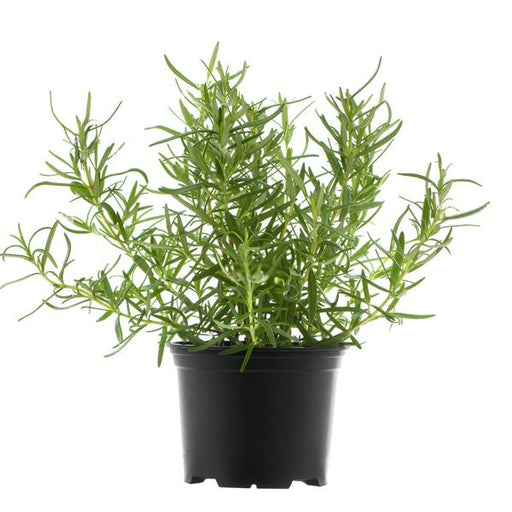
View full detailsRosemary - Plant Rosemary (Rosmarinus officinalis) is a fragrant evergreen herb native to the Mediterranean region. Known for its needle-like leav...
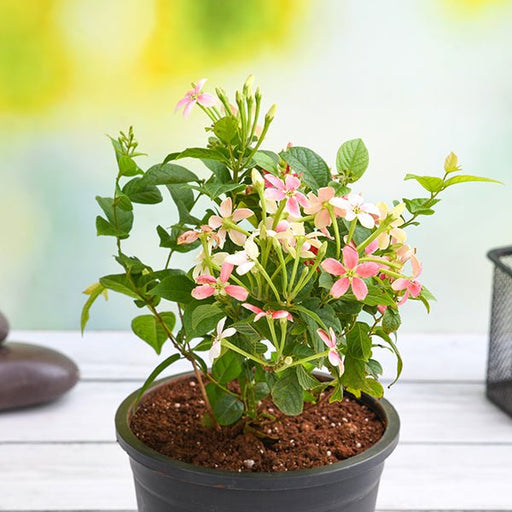
View full detailsMadhumalti Dwarf, Rangoon Creeper - Plant The Madhumalti Dwarf, also known as the Rangoon Creeper (Quisqualis indica), is a stunning perennial vin...
View full detailsBest 6 Plants for Perfect Indoor Garden Transform your living space into a lush oasis with our curated collection of the Best 6 Plants for a...
View full detailsBest 6 Plants for Perfect Indoor Garden Transform your living space into a lush oasis with our curated collection of the Best 6 Plants for a...
View full detailsMini Succulent Garden Pack Transform your space with our Mini Succulent Garden Pack, featuring a delightful collection of 4 any variety beautiful s...
View full details5 Best Fragrant Plants Transform your garden or indoor space into a fragrant paradise with our curated selection of the 5 Best Fragrant Plants. Th...
View full detailsSet of 2 Bonsai Looking Grafted Adeniums Transform your indoor or outdoor space with our exquisite Set of 2 Bonsai Looking Grafted Adenium...
View full detailsTop 4 Die Hard Succulents Pack Note: Plants included in this pack will be delivered in a 3-inch nursery pot (any color). Transform your indoor or ...
View full details5 Best Indoor Plants Pack Transform your living space into a lush oasis with our '5 Best Indoor Plants Pack.' This carefully curated collection fe...
View full detailsSet of 4 Evergreen Air Purifier Plant Pack Transform your indoor space into a lush, green oasis with our Set of 4 Evergreen Air Purifier Pla...
View full detailsTop 5 Pollution Killer Plants Pack Transform your living space into a breath of fresh air with our 'Top 5 Pollution Killer Plants Pack'. This care...
View full detailsPack of 3 Good Luck Jade Plants in Ceramic Pots Bring a touch of nature into your home with our Pack of 3 Good Luck Jade Plants, featuring...
View full detailsPortulaca Garden Pack (4 Plants + 4 Black Pots) Note- You will get any color (Assorted) potted Porulaca plant with this pack. Transform your garde...
View full details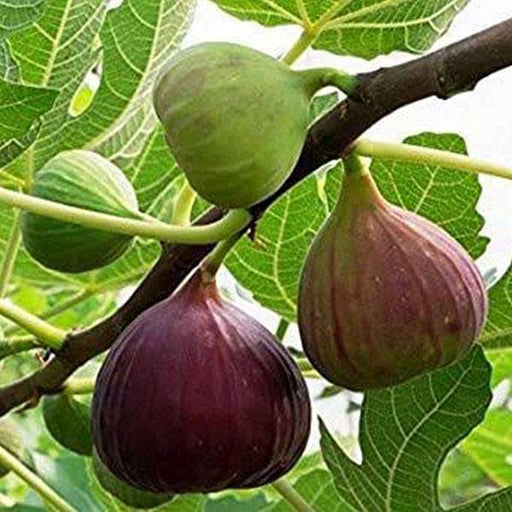





















Leave a comment