
Expert Support
Available 24/7 via chat
Available 24/7 via chat
The Ficus Lyrata Bambino—known locally as Indian laurel, laurel fig, or Cuban laurel—is the compact cousin of the popular Fiddle Leaf Fig. What makes it exceptional for Indian homes is its ability to thrive indoors or outdoors, its drought-resistant nature, and its very easy care requirements. At just 12 inches (30 cm) tall when you bring it home, this dwarf variety grows slowly to a mature height of 3 to 5 feet, making it ideal for shelves, tabletops, and small apartment balconies. Whether you're a seasoned gardener or a complete beginner, the Ficus Lyrata Bambino rewards minimal effort with glossy, sculptural foliage that elevates any space.
The Ficus Lyrata Bambino is a miniaturized selection of the classic fiddle leaf fig, celebrated for its dramatic, violin-shaped leaves and architectural form. Known by multiple regional names including laurel rubber and Malayan banyan, this tropical fig originates from warm climates and adapts beautifully to India's diverse regions—from coastal humidity to dry interiors. The "Bambino" name refers to its compact growth habit; unlike its larger cousin, this dwarf variety remains contained, typically reaching 3 to 5 feet even when mature, making it container-perfect. Its foliage is leathery, deep green, and naturally glossy, needing little beyond consistent moisture and moderate light to thrive.
| Care Aspect | Requirement |
|---|---|
| Light | Partial sun; requires shade during peak afternoon heat |
| Water | Medium; allow top inch of soil to dry between waterings |
| Soil | Well-drained potting mix (add perlite or cocopeat) |
| Temperature | 20–30°C (ideal year-round for most of India) |
The Ficus Lyrata Bambino thrives in partial sun and actively requires shade, especially during India's intense summer months. In regions with strong afternoon sun—such as Delhi, Mumbai, or Bangalore—place your plant near an east or north-facing window where it receives bright, indirect light without direct scorching rays. In monsoon-prone areas, this plant genuinely appreciates filtered light filtering through rainy clouds; position it indoors on a bright shelf or near a window rather than directly exposed to weather. Indoors under moderate artificial light, it also performs well, making it perfect for office desks or living room corners. If foliage begins to look pale or growth slows, it's likely receiving insufficient light; consider relocating it closer to a window or thinning surrounding vegetation.
The Ficus Lyrata Bambino requires medium watering, which in India's climate means adapting to the season. During the growing season (March through October), water when the top inch of soil feels dry to touch—typically every 5–7 days depending on humidity and rainfall. In monsoon, reduce frequency significantly; overwatering is the primary killer of this plant in India, particularly in coastal or high-humidity regions. Allow soil to dry substantially between waterings during the rainy season. If using hard tap water (common in many Indian cities), consider collecting rainwater or letting tap water sit overnight to allow minerals to settle, as Ficus prefers slightly softer water. During winter (November to February), water sparingly—only when the top 1–2 inches of soil are completely dry. Drought resistance means this plant forgives occasional neglect far better than overwatering.
Well-drained soil is non-negotiable for the Ficus Lyrata Bambino. Use a high-quality potting mix or create your own by combining garden soil, cocopeat, and perlite in equal parts; this ensures water moves through quickly without pooling around roots. In India's humid monsoon climate, waterlogging is a genuine risk, so never use heavy clay-based soils. Re-pot only when roots begin emerging from drainage holes—typically every 18–24 months for this slow grower. Feed with any organic fertilizer during the growing season (April through September) at half strength every 4–6 weeks. Neem cake, vermicompost, or liquid seaweed work excellently and avoid the salt buildup that sometimes occurs with synthetic fertilizers in hard-water regions. In winter, skip fertilizing entirely as growth naturally slows.
The ideal temperature range of 20–30°C aligns perfectly with India's tropical and subtropical climate, meaning most regions are naturally suited to this plant. Southern coastal areas, the Western Ghats, and monsoon-affected regions typically remain within this range year-round. In cooler elevations (hill stations above 2,000 meters), bring containerized plants indoors or provide frost protection if winter temperatures drop below 15°C. High humidity—whether natural monsoon moisture or air-conditioned indoor dryness—poses no problem; the Ficus Lyrata Bambino adapts to both. In extremely dry indoor environments (high-AC spaces), mist foliage every 2–3 days to keep leaves glossy and prevent spider mites. During monsoon, ensure air circulation with a gentle fan to prevent fungal issues that thrive in stagnant, humid conditions.
Propagation is straightforward with stem cuttings or air layering. For stem cuttings, select a healthy branch 4–6 inches long, make a clean cut below a node, and insert into moist, well-draining propagation mix (cocopeat with perlite). Keep the cutting in bright, indirect light and maintain consistent moisture without waterlogging; roots typically emerge in 3–4 weeks. Air layering is equally effective: select a mature branch, make a shallow cut, wrap it with damp sphagnum moss, and enclose in plastic wrap. Once roots are visible (4–6 weeks), cut below the root ball and pot independently. Both methods succeed during spring and early monsoon when growth hormones are naturally elevated.
Overwatering and root rot: The most common issue, especially in monsoon-prone regions. Signs include yellowing leaves and soft stems. Solution: repot into fresh, dry soil immediately, reduce watering frequency, and ensure drainage holes are clear.
Low light and leaf drop: Insufficient light causes slower growth and occasional leaf shedding. Move the plant to a brighter location with partial sun exposure.
Spider mites: Dry indoor air or neglected foliage invites these pests. Spray leaves with neem oil solution weekly until controlled, and increase humidity through regular misting.
Scale insects: Small brown bumps on stems. Wipe affected areas with a cloth dipped in alcohol or apply neem oil fortnightly.
Ready to grow your own? Shop Ficus Lyrata Bambino at Nurserylive →
Ficus Lyrata Bambino, Dwarf Fiddle Leaf Fig - Plant The Ficus Lyrata Bambino, commonly known as the Dwarf Fiddle Leaf Fig, is a stunning h...
View full detailsCombo Constituents Includes the Parijat Tree (Night-Flowering Jasmine), a culturally significant plant with fragrant flowers. Description The Pari...
View full detailsDescription Raat Ki Rani (*Cestrum nocturnum*), also known as Night Blooming Jasmine, is a fragrant shrub native to the Caribbean and Central Ameri...
View full detailsJasminum sambac, Mogra, Arabian Jasmine - Plant Jasminum sambac, commonly known as Mogra or Arabian Jasmine, is a fragrant flowering plant...
View full detailsRajnigandha, Tuberose - Plant The Rajnigandha, scientifically known as Polianthes tuberosa, is a captivating perennial plant renowned for ...
View full detailsCitronella, Odomas - Plant The Citronella plant, scientifically known as Cymbopogon nardus, is a tropical grass renowned for its aromatic ...
View full detailsDamascus Rose, Scented Rose (Any Color) - Plant The Damascus Rose, also known as Rosa damascena, is a timeless symbol of beauty and romanc...
View full detailsMiniature Rose, Button Rose (Any Color) - Plant The Miniature Rose, also known as the Button Rose, is a charming and compact flowering plant that ...
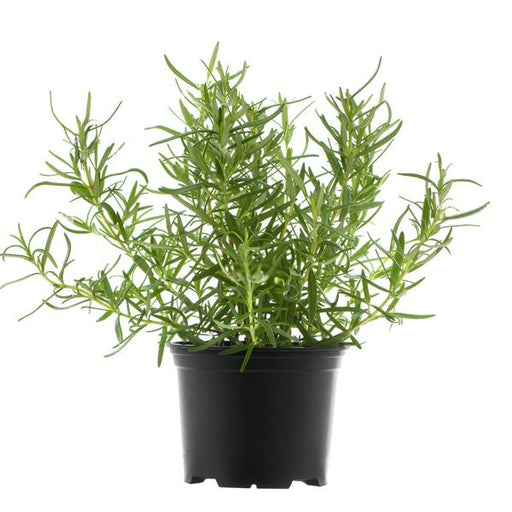
View full detailsRosemary - Plant Rosemary (Rosmarinus officinalis) is a fragrant evergreen herb native to the Mediterranean region. Known for its needle-like leav...
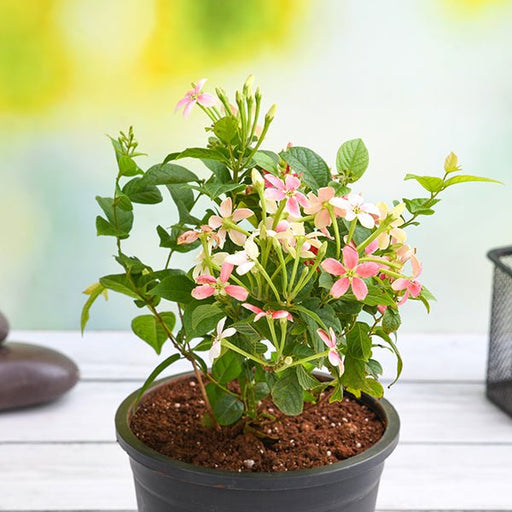
View full detailsMadhumalti Dwarf, Rangoon Creeper - Plant The Madhumalti Dwarf, also known as the Rangoon Creeper (Quisqualis indica), is a stunning perennial vin...
View full detailsBest 6 Plants for Perfect Indoor Garden Transform your living space into a lush oasis with our curated collection of the Best 6 Plants for a...
View full detailsBest 6 Plants for Perfect Indoor Garden Transform your living space into a lush oasis with our curated collection of the Best 6 Plants for a...
View full detailsMini Succulent Garden Pack Transform your space with our Mini Succulent Garden Pack, featuring a delightful collection of 4 any variety beautiful s...
View full details5 Best Fragrant Plants Transform your garden or indoor space into a fragrant paradise with our curated selection of the 5 Best Fragrant Plants. Th...
View full detailsSet of 2 Bonsai Looking Grafted Adeniums Transform your indoor or outdoor space with our exquisite Set of 2 Bonsai Looking Grafted Adenium...
View full detailsTop 4 Die Hard Succulents Pack Note: Plants included in this pack will be delivered in a 3-inch nursery pot (any color). Transform your indoor or ...
View full details5 Best Indoor Plants Pack Transform your living space into a lush oasis with our '5 Best Indoor Plants Pack.' This carefully curated collection fe...
View full detailsSet of 4 Evergreen Air Purifier Plant Pack Transform your indoor space into a lush, green oasis with our Set of 4 Evergreen Air Purifier Pla...
View full detailsTop 5 Pollution Killer Plants Pack Transform your living space into a breath of fresh air with our 'Top 5 Pollution Killer Plants Pack'. This care...
View full detailsPack of 3 Good Luck Jade Plants in Ceramic Pots Bring a touch of nature into your home with our Pack of 3 Good Luck Jade Plants, featuring...
View full detailsPortulaca Garden Pack (4 Plants + 4 Black Pots) Note- You will get any color (Assorted) potted Porulaca plant with this pack. Transform your garde...
View full details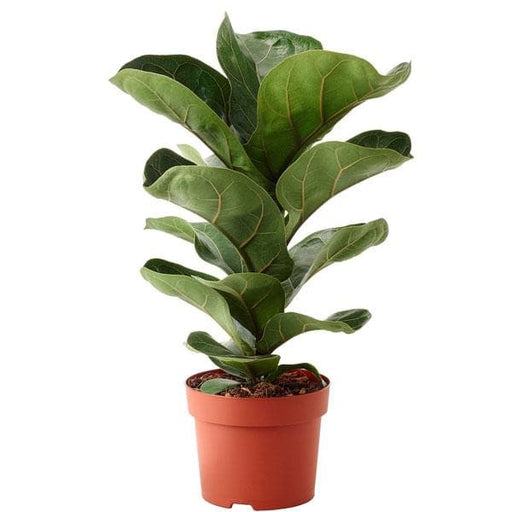





















Leave a comment