
Expert Support
Available 24/7 via chat
Available 24/7 via chat
The drumstick tree—locally known as Shevga, Moringa, or Malunggay—is one of India's most beloved and practical plants. It powers into growth with almost no coaxing, rewards your care with nutritious leaves and iconic green pods, and asks very little in return. Whether you're growing it in a container on a balcony or planting it in your garden, this is a plant that works as hard for you as you work for it. Let's explore everything you need to know to grow thriving drumstick trees in India's heat and humidity.
Moringa Oleifera earns its common name "drumstick tree" from its long, slender seed pods that hang like drumsticks from branches. In India, it's treasured as a medicinal powerhouse—the leaves are packed with vitamins, minerals, and antioxidants, and they've been used in traditional medicine for centuries. The plant is drought-tolerant, perennial, and incredibly low-maintenance, making it ideal for Indian gardeners who want nutrition and sustainability without endless upkeep.
When you receive a young plant from us (typically 20 inches tall), it may seem modest, but don't be fooled. Given proper care, your drumstick tree will eventually reach 10 to 12 meters in height with a trunk diameter of up to 45 centimeters. This makes it as much a shade tree as a food source—perfect for creating a cooler corner in your garden during India's scorching summers.
| Care Factor | Requirement |
|---|---|
| Light | More than 6 hours of direct bright sunlight daily |
| Watering | Water when top 1–2 inches of soil feel dry; reduce in winter |
| Soil | Well-drained, fertile, organic-rich; pH 6.5–8 |
| Temperature | 25–35°C; thrives in warm, tropical climates |
Drumstick trees are sun worshippers. They need more than 6 hours of direct, bright sunlight every single day to produce vigorous growth and flowering. In India, this is rarely a problem—even on overcast monsoon days, there's usually enough diffused light. Position your plant where it catches morning and afternoon sun. If you're growing it in a container on a balcony or terrace, place it in the sunniest spot available. Insufficient light will slow growth and reduce flowering and pod production.
This is where the drumstick tree's low-maintenance reputation truly shines. Before you water, use the simple finger test: poke your finger or a small stick into the soil to a depth of 1 to 2 inches. If it feels dry to the touch, water deeply until water drains from the bottom. If the soil still feels moist, wait another day or two.
During India's monsoon season (June to September), reduce watering frequency—rainfall will do much of the work. In fact, overwatering during monsoon is one of the top reasons drumstick trees decline. Ensure your soil drains well so water doesn't pool around the roots. During the hot, dry season (March to May), you may need to water more often, especially if you're growing in a container. The beauty of this plant is its drought tolerance—it can survive dry spells, though it will produce more vigorously with consistent moisture during the growing season.
Drumstick trees aren't fussy about soil, but they do best in well-drained, fertile soil rich in organic matter. If your garden soil is heavy clay or compacted, amend it with compost, aged manure, or coir before planting. The ideal pH range is 6.5 to 8—most Indian soils fall within this range, though it's worth testing if you suspect hard water or alkalinity issues.
Fertilize during the main growing season, June to July, using organic fertilizers. A balanced organic compost, neem cake, or bone meal works beautifully. This feeding supports leaf production and flowering. For container-grown plants, consider lighter, more frequent feeding (monthly during the growing season) since nutrients leach from pots faster than garden soil.
The drumstick tree is made for India's tropical and subtropical climate. It thrives in temperatures between 25 and 35 degrees Celsius—the exact range of India's warm season. This perennial actually prefers warmth and will slow down when temperatures drop below 20°C. If you live in a cooler region or experience cold winters, grow your drumstick in a container so you can move it to a warmer spot or indoors if needed.
The tree tolerates India's variable humidity well. It adapts to both dry, hot spells and humid monsoon conditions, provided the soil doesn't stay soggy. Good air circulation helps prevent fungal issues during the monsoon.
Growing new drumstick trees is wonderfully easy. You can propagate from seeds or cuttings. For seeds, soak them in warm water for 24 hours, then sow in well-draining seed compost. Keep the soil warm (25–30°C) and moist—germination typically happens within 10 to 14 days. For cuttings, take semi-hardwood cuttings about 20–25 centimeters long from healthy branches, treat with rooting hormone, and insert into moist seed compost under humidity (a plastic bag works fine). Cuttings root within 3 to 4 weeks. Both methods are reliable and give you free plants to share or expand your grove.
The good news: drumstick trees rarely face serious issues. That said, watch for overwatering, which can cause root rot—this is the #1 killer, especially during monsoon. If leaves turn yellow or the plant seems to struggle, check the soil first. Scale insects can occasionally appear on stems and leaves; spray with neem oil if needed. Powdery mildew may show up in humid conditions; ensure good air flow and reduce overhead watering. Most problems vanish with better drainage and sunlight.
Ready to grow your own? Shop Drumsticks at Nurserylive →
Drumsticks, Moringa Oleifera - Plant Moringa Oleifera, commonly known as drumsticks, is a nutrient-dense plant revered for its health bene...
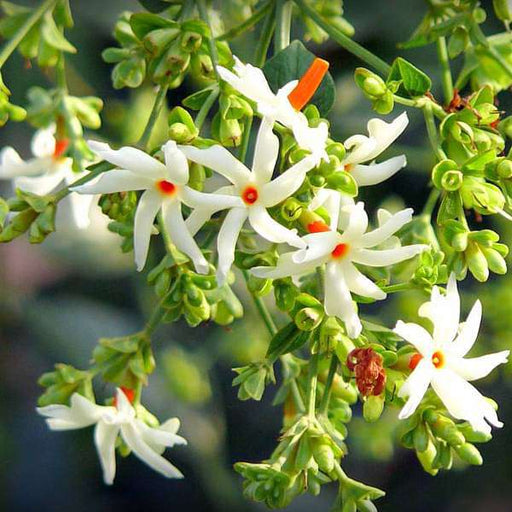
View full detailsCombo Constituents Includes the Parijat Tree (Night-Flowering Jasmine), a culturally significant plant with fragrant flowers. Description The Pari...
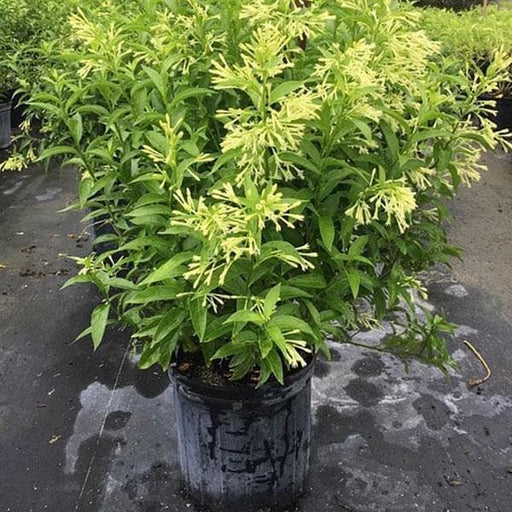
View full detailsDescription Raat Ki Rani (*Cestrum nocturnum*), also known as Night Blooming Jasmine, is a fragrant shrub native to the Caribbean and Central Ameri...
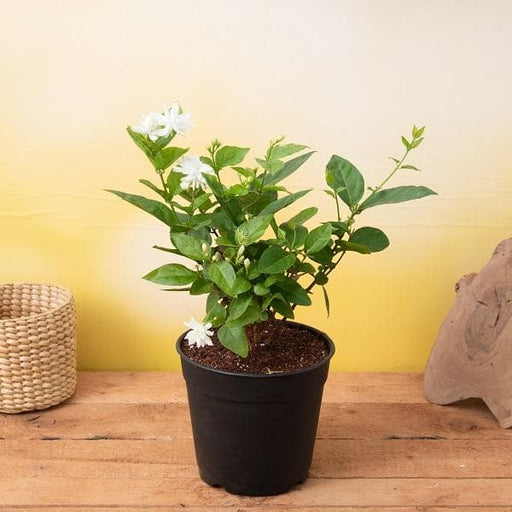
View full detailsJasminum sambac, Mogra, Arabian Jasmine - Plant Jasminum sambac, commonly known as Mogra or Arabian Jasmine, is a fragrant flowering plant...
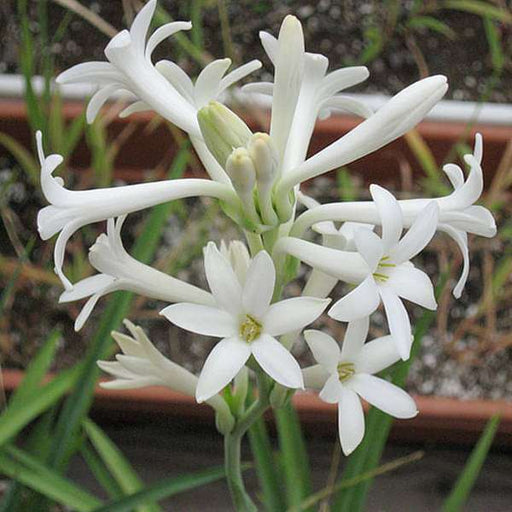
View full detailsRajnigandha, Tuberose - Plant The Rajnigandha, scientifically known as Polianthes tuberosa, is a captivating perennial plant renowned for ...
View full detailsCitronella, Odomas - Plant The Citronella plant, scientifically known as Cymbopogon nardus, is a tropical grass renowned for its aromatic ...
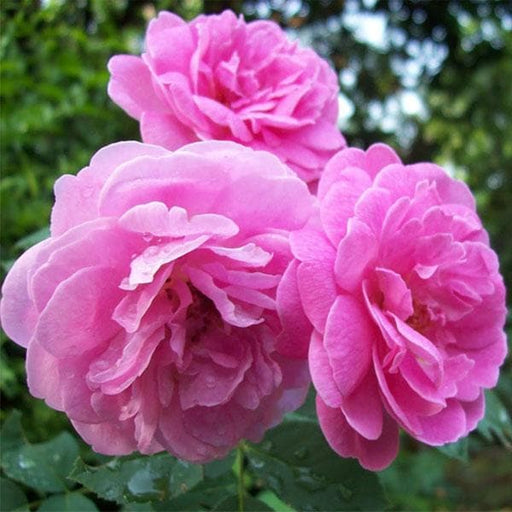
View full detailsDamascus Rose, Scented Rose (Any Color) - Plant The Damascus Rose, also known as Rosa damascena, is a timeless symbol of beauty and romanc...
View full detailsMiniature Rose, Button Rose (Any Color) - Plant The Miniature Rose, also known as the Button Rose, is a charming and compact flowering plant that ...
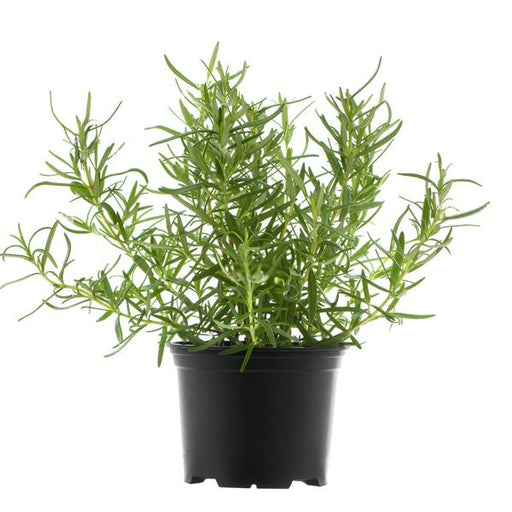
View full detailsRosemary - Plant Rosemary (Rosmarinus officinalis) is a fragrant evergreen herb native to the Mediterranean region. Known for its needle-like leav...
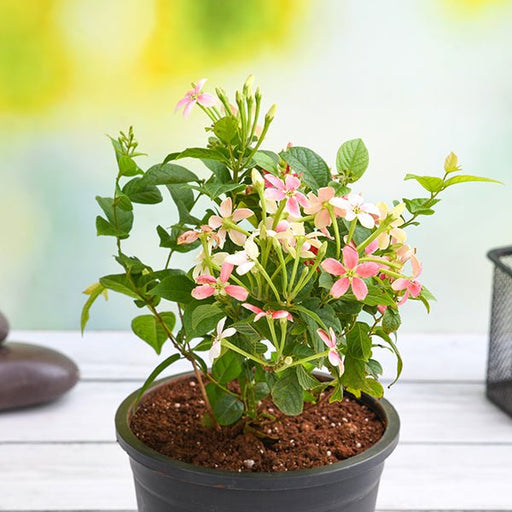
View full detailsMadhumalti Dwarf, Rangoon Creeper - Plant The Madhumalti Dwarf, also known as the Rangoon Creeper (Quisqualis indica), is a stunning perennial vin...
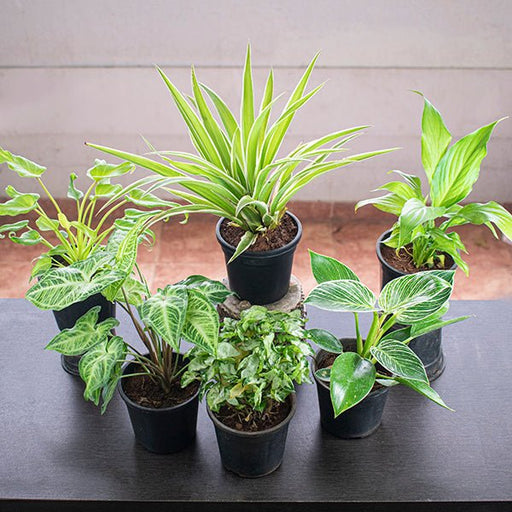
View full detailsBest 6 Plants for Perfect Indoor Garden Transform your living space into a lush oasis with our curated collection of the Best 6 Plants for a...
View full detailsBest 6 Plants for Perfect Indoor Garden Transform your living space into a lush oasis with our curated collection of the Best 6 Plants for a...
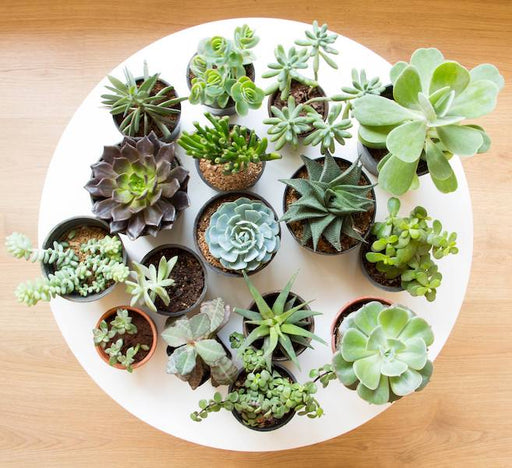
View full detailsMini Succulent Garden Pack Transform your space with our Mini Succulent Garden Pack, featuring a delightful collection of 4 any variety beautiful s...
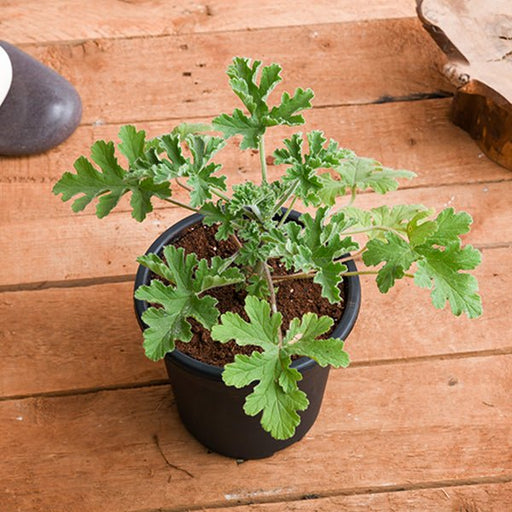
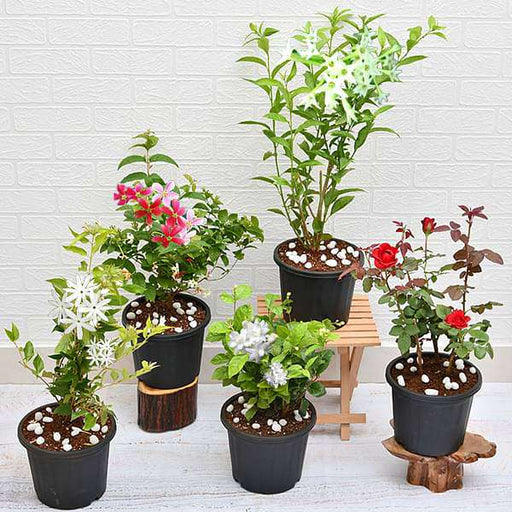
View full details5 Best Fragrant Plants Transform your garden or indoor space into a fragrant paradise with our curated selection of the 5 Best Fragrant Plants. Th...
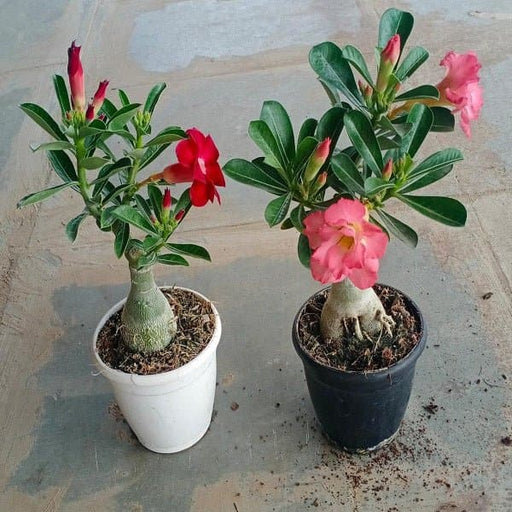
View full detailsSet of 2 Bonsai Looking Grafted Adeniums Transform your indoor or outdoor space with our exquisite Set of 2 Bonsai Looking Grafted Adenium...
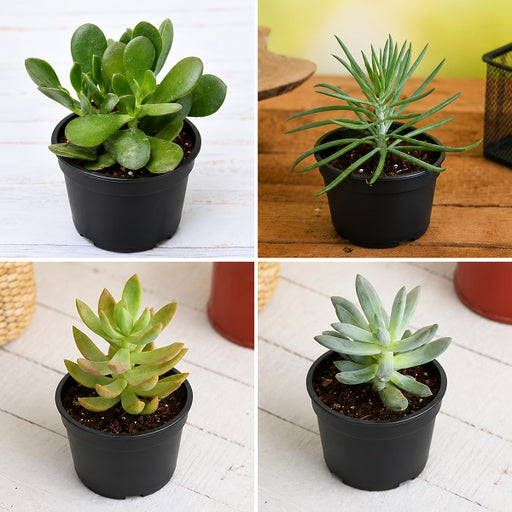
View full detailsTop 4 Die Hard Succulents Pack Note: Plants included in this pack will be delivered in a 3-inch nursery pot (any color). Transform your indoor or ...
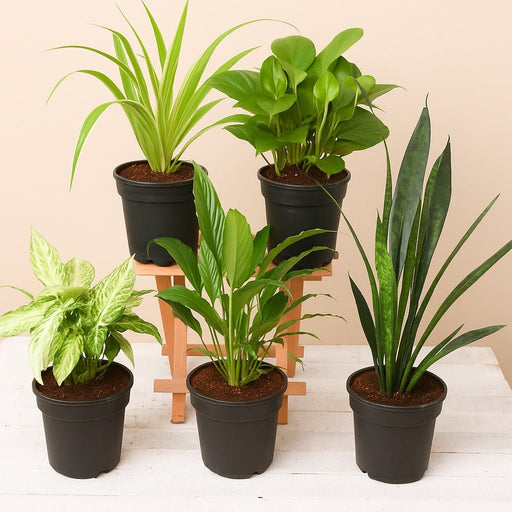
View full details5 Best Indoor Plants Pack Transform your living space into a lush oasis with our '5 Best Indoor Plants Pack.' This carefully curated collection fe...
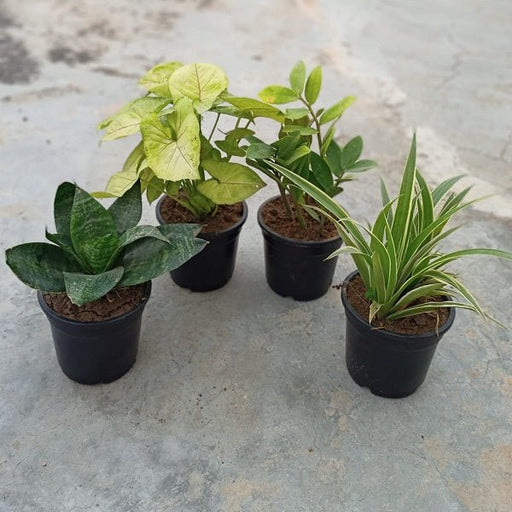
View full detailsSet of 4 Evergreen Air Purifier Plant Pack Transform your indoor space into a lush, green oasis with our Set of 4 Evergreen Air Purifier Pla...
View full detailsTop 5 Pollution Killer Plants Pack Transform your living space into a breath of fresh air with our 'Top 5 Pollution Killer Plants Pack'. This care...
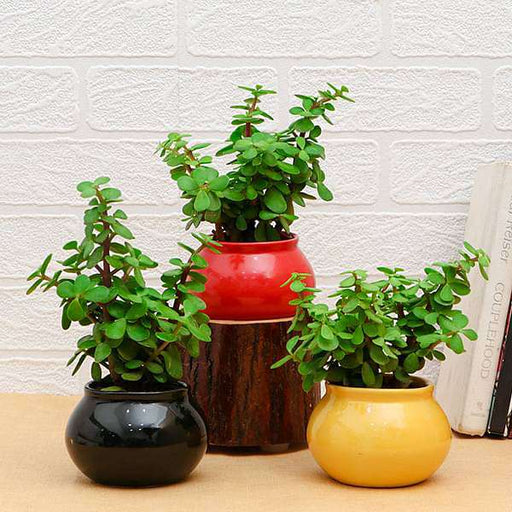
View full detailsPack of 3 Good Luck Jade Plants in Ceramic Pots Bring a touch of nature into your home with our Pack of 3 Good Luck Jade Plants, featuring...
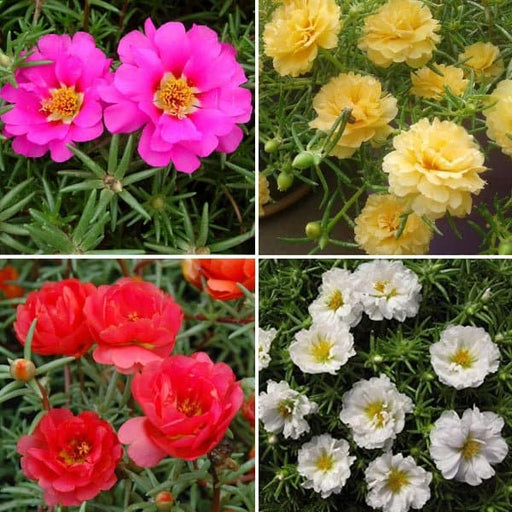
View full detailsPortulaca Garden Pack (4 Plants + 4 Black Pots) Note- You will get any color (Assorted) potted Porulaca plant with this pack. Transform your garde...
View full details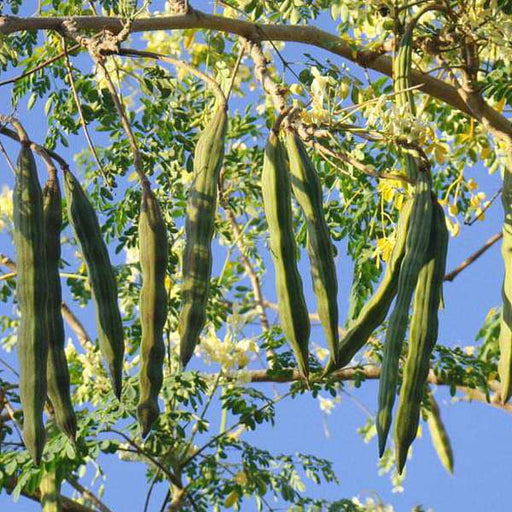






Leave a comment