
Expert Support
Available 24/7 via chat
Available 24/7 via chat
Dragon fruit is among the most rewarding exotic plants to grow in Indian gardens and containers. Known locally as pitaya or pitahaya, and poetically called the Night-blooming Cereus, king of the night, or Cinderella Plant, this tropical succulent has captured the hearts of gardeners across India. Its allure lies not just in the exotic bright pink fruit it produces, but in the stunning white flowers that bloom during May to June—a spectacle worth witnessing. The good news: it's remarkably easy to grow, thriving in Indian heat, and perfectly suited to container cultivation.
Dragon fruit is a sprawling cactus succulent native to tropical regions, now successfully cultivated across India. The plant you bring home at 12 inches (30 cm) tall with a 4-inch spread is just the beginning. With proper support and care, this climbing cactus will develop into a productive plant, rewarding you with ornamental white blooms and, eventually, those distinctive bright pink fruits. The plant's columnar, segmented stems are attractive in their own right, making it as much a foliage plant as a fruit producer. In India, where container gardening is increasingly popular, dragon fruit has emerged as a practical yet exotic choice for balconies, terraces, and garden spaces.
| Care Aspect | Requirement |
|---|---|
| Light | More than 6 hours of direct bright sunlight daily |
| Water | Water when top 1–2 inches of soil feel dry to touch |
| Soil | Well-drained, fertile, organic-rich; pH 5.5 to 7 |
| Temperature | Optimal range: 10 to 30°C |
Dragon fruit is a sun lover. For the best growth, ornamental blooms, and fruit production, ensure your plant receives more than 6 hours of direct bright sunlight every day. In India, this is generally straightforward—south-facing or west-facing balconies and terraces are ideal. If you're growing in a container, you can move it seasonally to maximize sun exposure during monsoon months when daylight is limited. Insufficient light will result in weak, spindly growth and reduced flowering, so resist the urge to keep your dragon fruit in a partially shaded spot, no matter how aesthetically pleasing that corner of your garden may be.
Watering dragon fruit correctly is the single most important factor in preventing root rot. Before watering, always check the soil moisture by poking your finger or a small stick into the soil. Water only when the top 1 to 2 inches of soil feel completely dry to the touch. In Indian summers, this might mean watering every 2–3 days; during monsoon, once a week or less; and in winter, every 7–10 days. This succulent is far more tolerant of underwatering than overwatering, so when in doubt, wait another day. If you're using tap water in hard-water regions common across India, let the water sit overnight before using it, as this allows some of the minerals to settle.
Dragon fruit absolutely demands well-draining soil. A standard cactus or succulent mix works beautifully, or you can create your own by combining regular potting soil with perlite or coarse sand in a 2:1 ratio. The soil must be fertile and rich in organic content—don't skimp on this. When potting, ensure your container has drainage holes; this is non-negotiable. The ideal soil pH is between 5.5 and 7, which most Indian potting soils naturally fall into, but if you're uncertain, you can do a simple soil test at your local agricultural extension office.
Feeding is equally important. During the main growing season—July through September in India—feed your dragon fruit with organic fertilizer every 2–3 weeks. Options include compost-based fertilizers, neem cake, or diluted liquid organic fertilizers. Avoid feeding during the cold winter months (November–February) when growth naturally slows. A well-fed dragon fruit plant will flower more prolifically and produce larger fruits.
Dragon fruit thrives in the temperature range of 10 to 30 degrees Celsius. Across most of India, this is well within the plant's comfort zone for most of the year. However, if you're in a region with very cold winters where temperatures dip below 10°C, bring your container indoors or provide frost protection. The plant tolerates Indian heat remarkably well—even harsh summer temperatures above 35°C won't kill it, though some afternoon shade during the very hottest months can prevent sun scald on young fruits. Humidity is not a concern; in fact, this is a drought-tolerant succulent that prefers drier conditions. High monsoon humidity can increase fungal issues, so ensure good air circulation around your plant.
Growing dragon fruit from cuttings is the fastest way to maturity and fruiting. In the monsoon season, take 6–8 inch segments from healthy stems, let them dry for 2–3 days in shade, then plant them in well-draining succulent mix. Keep slightly moist (not wet) until roots develop—typically 2–3 weeks. Alternatively, you can grow dragon fruit from seed extracted from ripe fruit, though this takes longer to reach fruiting maturity (2–3 years versus 6–12 months from cuttings). Seeds should be dried, then sown in seed-starting mix and kept warm and lightly moist until germination.
Root rot is the primary enemy, caused by overwatering. If you notice yellowing, mushy stems, or a foul smell, reduce watering immediately and ensure drainage is adequate. Mealybugs and scale insects occasionally appear on dragon fruit in India—spray with neem oil solution if noticed. Flower drop before fruiting can happen if the plant is stressed by water fluctuations or low light. Once you establish a consistent care routine, these issues become rare. The plant's natural resilience makes it forgiving for beginner gardeners.
Install a sturdy support structure—bamboo stakes, a trellis, or a specialized cactus tower—as your plant grows. Dragon fruit naturally sprawls and climbs, and having proper support ensures better air circulation, easier harvesting, and more attractive growth. Once flowers appear (expect this after 6–12 months with good care), watch for white blooms. These flowers typically open in the evening and close by morning. Pollination may be done by hand using a small brush, or you can allow nocturnal pollinators to do the work. Harvest fruits when the color has changed from green to yellow or red—this indicates ripeness. Cut the fruit cleanly from the plant with pruning shears. A mature, well-cared-for dragon fruit plant can produce multiple flushes of flowers and fruit annually, especially in Indian conditions where the growing season is long.
Ready to grow your own? Shop Dragon Fruit at Nurserylive →
Dragon Fruit - Plant Discover the exotic allure of the Dragon Fruit plant (Hylocereus undatus), a stunning tropical cactus known for its v...
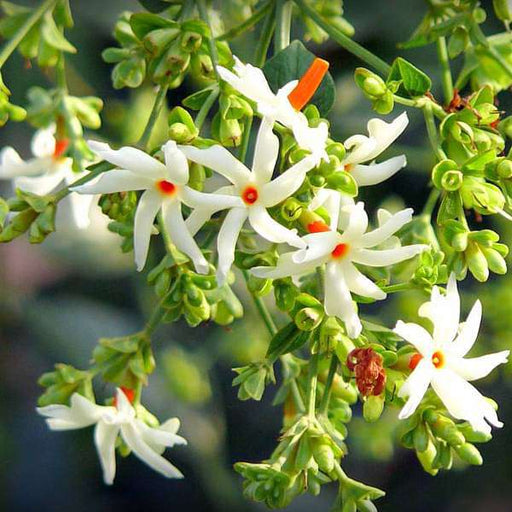
View full detailsCombo Constituents Includes the Parijat Tree (Night-Flowering Jasmine), a culturally significant plant with fragrant flowers. Description The Pari...
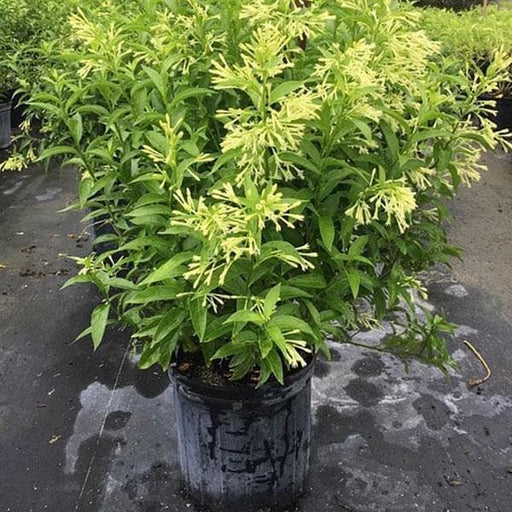
View full detailsDescription Raat Ki Rani (*Cestrum nocturnum*), also known as Night Blooming Jasmine, is a fragrant shrub native to the Caribbean and Central Ameri...
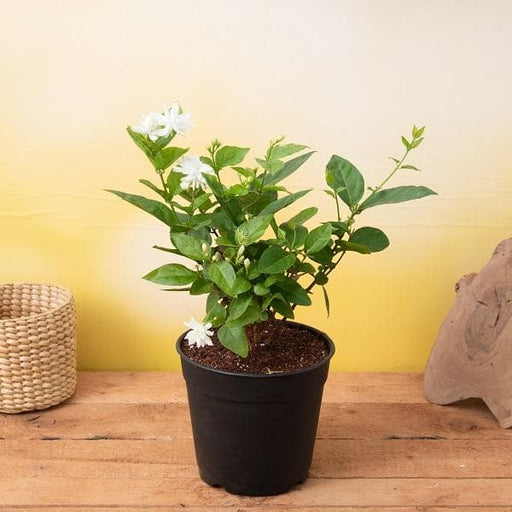
View full detailsJasminum sambac, Mogra, Arabian Jasmine - Plant Jasminum sambac, commonly known as Mogra or Arabian Jasmine, is a fragrant flowering plant...
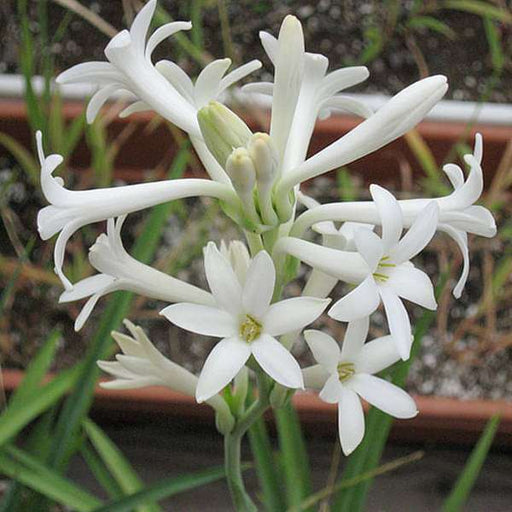
View full detailsRajnigandha, Tuberose - Plant The Rajnigandha, scientifically known as Polianthes tuberosa, is a captivating perennial plant renowned for ...
View full detailsCitronella, Odomas - Plant The Citronella plant, scientifically known as Cymbopogon nardus, is a tropical grass renowned for its aromatic ...
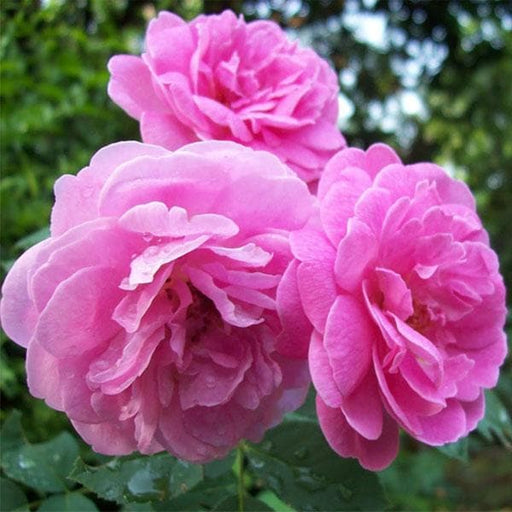
View full detailsDamascus Rose, Scented Rose (Any Color) - Plant The Damascus Rose, also known as Rosa damascena, is a timeless symbol of beauty and romanc...
View full detailsMiniature Rose, Button Rose (Any Color) - Plant The Miniature Rose, also known as the Button Rose, is a charming and compact flowering plant that ...
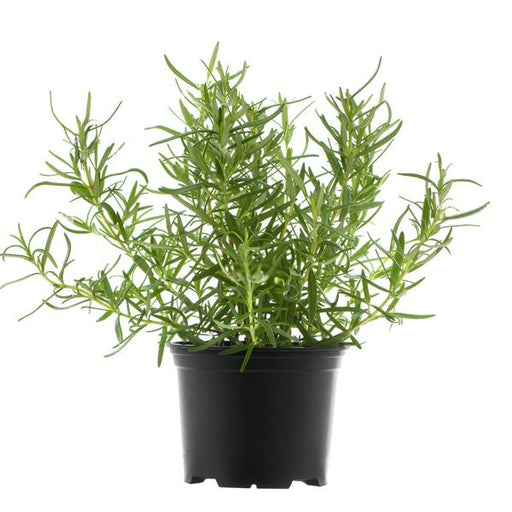
View full detailsRosemary - Plant Rosemary (Rosmarinus officinalis) is a fragrant evergreen herb native to the Mediterranean region. Known for its needle-like leav...
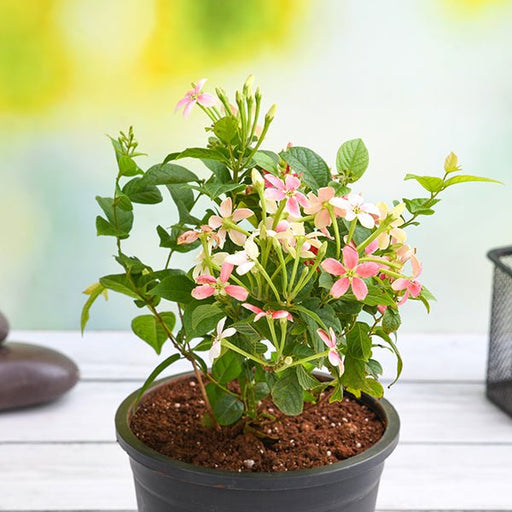
View full detailsMadhumalti Dwarf, Rangoon Creeper - Plant The Madhumalti Dwarf, also known as the Rangoon Creeper (Quisqualis indica), is a stunning perennial vin...
View full detailsBest 6 Plants for Perfect Indoor Garden Transform your living space into a lush oasis with our curated collection of the Best 6 Plants for a...
View full detailsBest 6 Plants for Perfect Indoor Garden Transform your living space into a lush oasis with our curated collection of the Best 6 Plants for a...
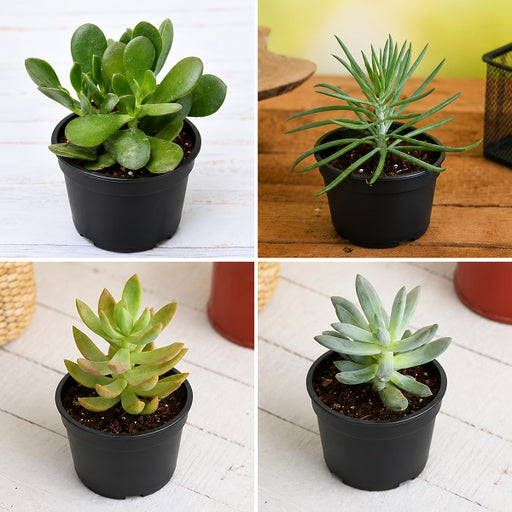
View full detailsMini Succulent Garden Pack Transform your space with our Mini Succulent Garden Pack, featuring a delightful collection of 4 any variety beautiful s...
View full details5 Best Fragrant Plants Transform your garden or indoor space into a fragrant paradise with our curated selection of the 5 Best Fragrant Plants. Th...
View full detailsSet of 2 Bonsai Looking Grafted Adeniums Transform your indoor or outdoor space with our exquisite Set of 2 Bonsai Looking Grafted Adenium...
View full detailsTop 4 Die Hard Succulents Pack Note: Plants included in this pack will be delivered in a 3-inch nursery pot (any color). Transform your indoor or ...
View full details5 Best Indoor Plants Pack Transform your living space into a lush oasis with our '5 Best Indoor Plants Pack.' This carefully curated collection fe...
View full detailsSet of 4 Evergreen Air Purifier Plant Pack Transform your indoor space into a lush, green oasis with our Set of 4 Evergreen Air Purifier Pla...
View full detailsTop 5 Pollution Killer Plants Pack Transform your living space into a breath of fresh air with our 'Top 5 Pollution Killer Plants Pack'. This care...
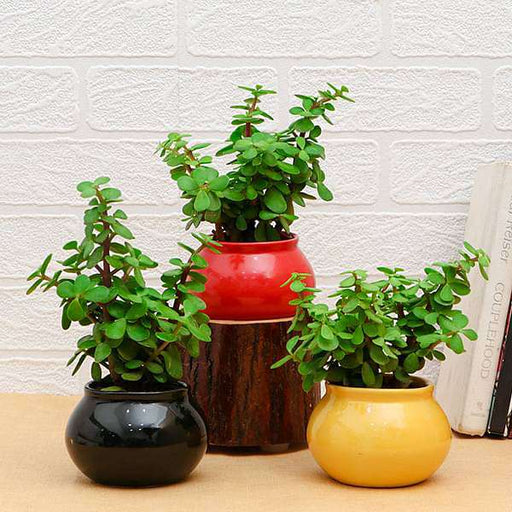
View full detailsPack of 3 Good Luck Jade Plants in Ceramic Pots Bring a touch of nature into your home with our Pack of 3 Good Luck Jade Plants, featuring...
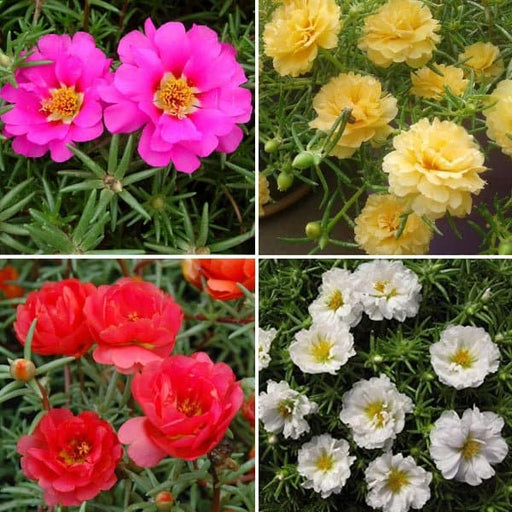
View full detailsPortulaca Garden Pack (4 Plants + 4 Black Pots) Note- You will get any color (Assorted) potted Porulaca plant with this pack. Transform your garde...
View full details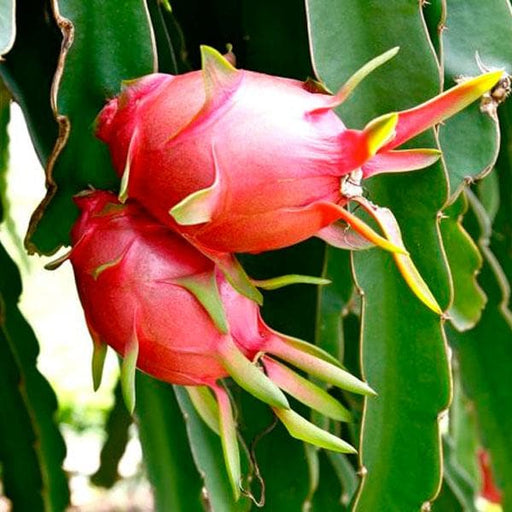











Leave a comment