
Expert Support
Available 24/7 via chat
Available 24/7 via chat

Most of us never consider plants as sensory beings. Whatever nature throws at them, they remain rooted to their spot. To grow and give us a healthy life, they sense their nearby surroundings and react.
Like human beings, they influence each other and transmit through a process of “nanomechanical oscillations.” Their unique ability to react to wind, sunlight, rain, gravity, and insects makes them evolutionary successful, but made scientists go through the research whether they have feelings or not?
They being referred to as sentient life forms with their nastic and tropic conveying to stimuli have made us write this blog and help readers with their confusion “Do Plants have Feelings or Not”?
Can plants see things like us?

Discover Wide Range Of Plants Here !
The photoperiodism process involves the physiological reaction of a plant to change the length of light and darkness on a daily, seasonal, or yearly basis. It also shows that plants decide when to grow or to flower. The florigen, which is a flowering signal, responds to the amount of light a plant gets.
To better understand, let’s talk about Daffodils.
We plant them in autumn, and they start blooming in late winter or early spring. As the season changes, they sense lighter and show feelings of positivity with their growth. Here’s how different colors affect plant growth.

The plants release ultrasonic sounds following particular stimuli to improve plant production and protection. As per biorxiv.org, an observation on Evening Primroses, it has been noticed that plants hear the sound waves of passing bee wings.
By an increase of 20% sugar concentration in the plant’s nectar, they responded.

It is interesting to come across the fact that “Plants do smell.” As per botanist Daniel Chamovitz, plants can smell other plants. They’re aware when their fruit is ripe, or their neighboring plant is cut off or is eaten by a starving bug. They don’t have olfactory nerves, but their brain does interpret signals.
With the discovery of volatile chemicals in the air, the conversion of signals occurs, resulting in a physiological reaction.
Can plants communicate with each other?

With the production of chemical signals in reply to the environment, they share signals. The soil and the air are two routes through which the signals pass.
In one experiment of sagebrush and lima beans, it was noticed that they modified their internal chemistry with the help of airborne messages. As the insects badly damaged the sagebrush leaves. In the summertime, other sagebrush branches were less affected by the insects, showing they transmitted the anti-insect defenses.
It completely shows airborne cues improve the seedling survival helping other long-lived plants have new flowers and branches.
Plants have a sensory system. They know how to respond to the dangers taking place in their environment. With their single layer of the epidermis, they allow sunlight to get into their inner-layer, which is responsible for photosynthesis.
Daffodil (Orange) - Bulbs (Set of 5) Brighten your garden with our stunning Orange Daffodil bulbs! Known for their vibrant color and delig...
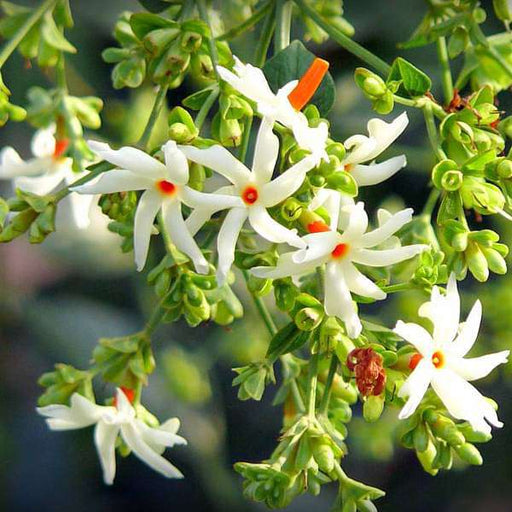
View full detailsCombo Constituents Includes the Parijat Tree (Night-Flowering Jasmine), a culturally significant plant with fragrant flowers. Description The Pari...
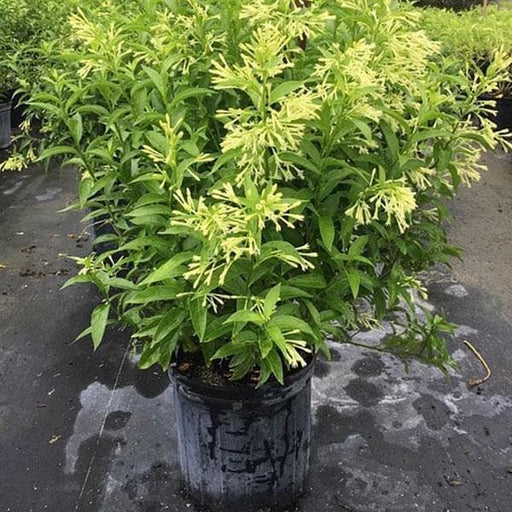
View full detailsDescription Raat Ki Rani (*Cestrum nocturnum*), also known as Night Blooming Jasmine, is a fragrant shrub native to the Caribbean and Central Ameri...
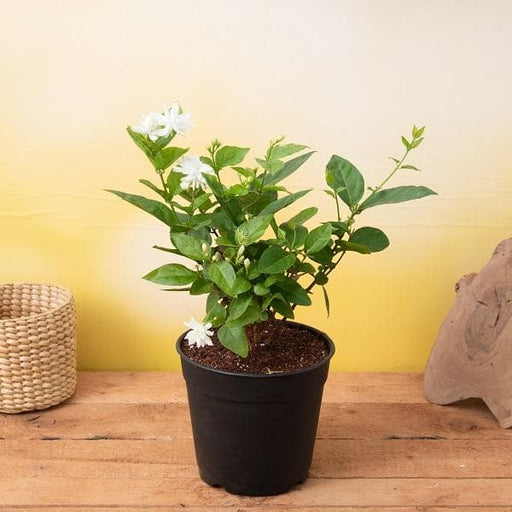
View full detailsJasminum sambac, Mogra, Arabian Jasmine - Plant Jasminum sambac, commonly known as Mogra or Arabian Jasmine, is a fragrant flowering plant...
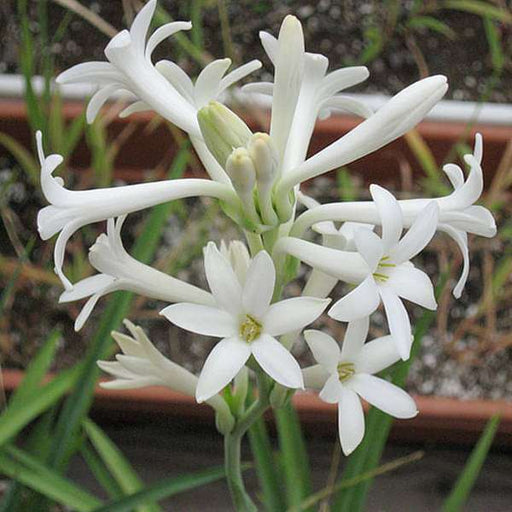
View full detailsRajnigandha, Tuberose - Plant The Rajnigandha, scientifically known as Polianthes tuberosa, is a captivating perennial plant renowned for ...
View full detailsCitronella, Odomas - Plant The Citronella plant, scientifically known as Cymbopogon nardus, is a tropical grass renowned for its aromatic ...
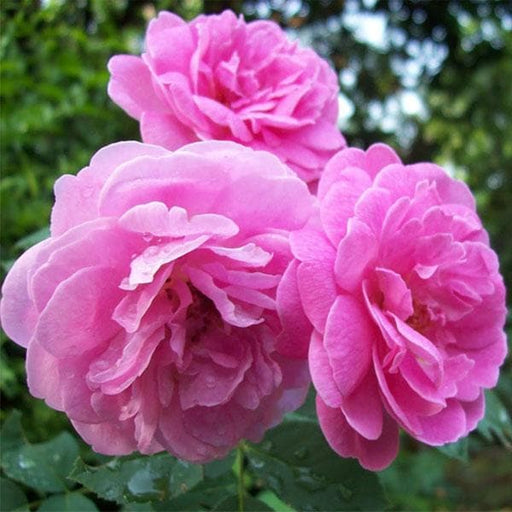
View full detailsDamascus Rose, Scented Rose (Any Color) - Plant The Damascus Rose, also known as Rosa damascena, is a timeless symbol of beauty and romanc...
View full detailsMiniature Rose, Button Rose (Any Color) - Plant The Miniature Rose, also known as the Button Rose, is a charming and compact flowering plant that ...
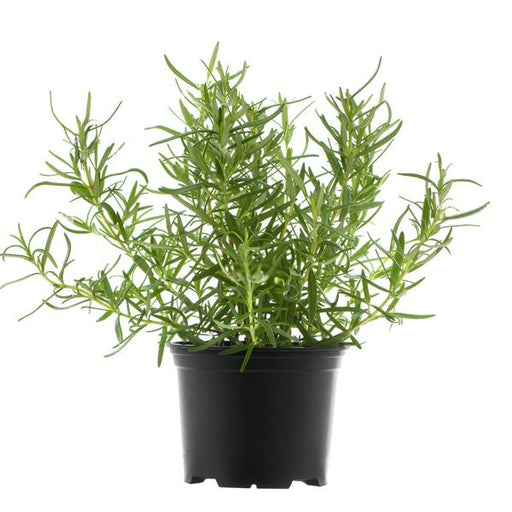
View full detailsRosemary - Plant Rosemary (Rosmarinus officinalis) is a fragrant evergreen herb native to the Mediterranean region. Known for its needle-like leav...
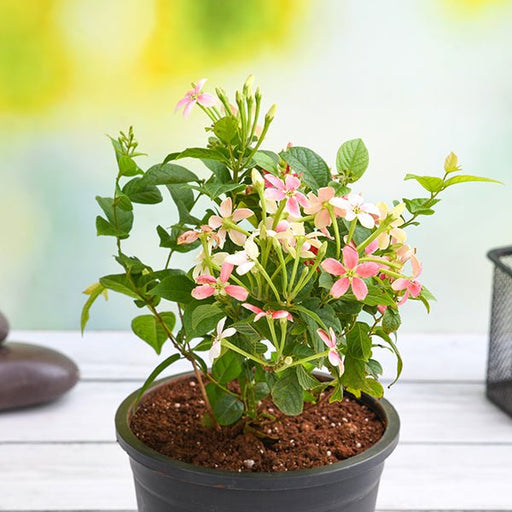
View full detailsMadhumalti Dwarf, Rangoon Creeper - Plant The Madhumalti Dwarf, also known as the Rangoon Creeper (Quisqualis indica), is a stunning perennial vin...
View full detailsBest 6 Plants for Perfect Indoor Garden Transform your living space into a lush oasis with our curated collection of the Best 6 Plants for a...
View full detailsBest 6 Plants for Perfect Indoor Garden Transform your living space into a lush oasis with our curated collection of the Best 6 Plants for a...
View full detailsMini Succulent Garden Pack Transform your space with our Mini Succulent Garden Pack, featuring a delightful collection of 4 any variety beautiful s...
View full details5 Best Fragrant Plants Transform your garden or indoor space into a fragrant paradise with our curated selection of the 5 Best Fragrant Plants. Th...
View full detailsSet of 2 Bonsai Looking Grafted Adeniums Transform your indoor or outdoor space with our exquisite Set of 2 Bonsai Looking Grafted Adenium...
View full detailsTop 4 Die Hard Succulents Pack Note: Plants included in this pack will be delivered in a 3-inch nursery pot (any color). Transform your indoor or ...
View full details5 Best Indoor Plants Pack Transform your living space into a lush oasis with our '5 Best Indoor Plants Pack.' This carefully curated collection fe...
View full detailsSet of 4 Evergreen Air Purifier Plant Pack Transform your indoor space into a lush, green oasis with our Set of 4 Evergreen Air Purifier Pla...
View full detailsTop 5 Pollution Killer Plants Pack Transform your living space into a breath of fresh air with our 'Top 5 Pollution Killer Plants Pack'. This care...
View full detailsPack of 3 Good Luck Jade Plants in Ceramic Pots Bring a touch of nature into your home with our Pack of 3 Good Luck Jade Plants, featuring...
View full detailsPortulaca Garden Pack (4 Plants + 4 Black Pots) Note- You will get any color (Assorted) potted Porulaca plant with this pack. Transform your garde...
View full details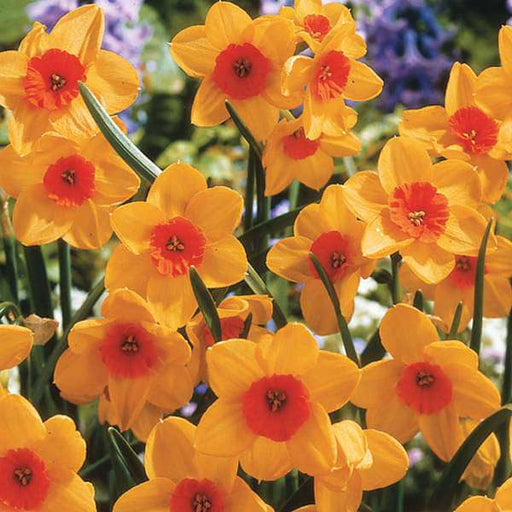















Comments
Leave a comment