
Expert Support
Available 24/7 via chat
Available 24/7 via chat
If you love roses but think they're too finicky to grow, the Damascus rose is here to change your mind. This enchanting, heavily scented rose is one of the easiest flowering plants to cultivate in Indian gardens—whether you're growing it in a pot on your balcony or in a garden bed. Known for its intoxicating fragrance and soft pink petals, the Damask rose has been treasured in Indian gardens for centuries, attracting butterflies and birds while perfuming your entire surroundings. Even if you're a beginner gardener, this perennial beauty will reward your efforts with abundant blooms throughout the year.
The Damascus rose, scientifically admired as the Damask rose or rose of Castile, is an ancient variety celebrated across India and the world for its incomparable fragrance. Starting as a compact 13-inch (33 cm) young plant with a 4-inch (10 cm) spread, this rose can grow to an impressive 8 feet tall with maturity and the right conditions. Its deep pink flowers bloom most vibrantly during spring and summer, though with year-round care, you can enjoy blooms across all seasons. What makes this rose special isn't just its beauty—it's the rich, complex scent that fills your garden and makes every visit worthwhile. The Damascus rose is equally happy in pots or garden soil, making it perfect for apartments, terraces, or traditional gardens.
| Aspect | Requirement |
|---|---|
| Light | Full to partial sunlight |
| Watering | Moderate watering |
| Soil | Clay or loamy soil |
| Temperature | 15 to 38 degrees C |
Damascus roses thrive in full to partial sunlight. In India's climate, this means at least 4-6 hours of direct morning sunlight is ideal. Morning sun is particularly beneficial as it dries morning dew, preventing fungal issues during humid seasons. If you're in a region with intense afternoon heat (especially in May to June), afternoon shade from 2 PM onwards helps prevent flower fade and heat stress. In northern India's cooler winters, maximize winter sunlight exposure. If growing indoors on a balcony, ensure the spot receives bright, indirect light for at least 4-5 hours daily. Insufficient light leads to fewer flowers and weak, leggy growth.
Water your Damascus rose moderately—this means the soil should dry slightly between waterings rather than staying constantly wet. During India's hot months (April to June), water every 2-3 days, increasing frequency during peak heat. During the monsoon, reduce watering significantly as rainfall and humidity are high; water only when soil feels dry 1 inch below the surface. Overwatering in monsoon leads to root rot, a common killer in Indian gardens. In winter (November to February), water once or twice weekly depending on your region's temperature. Hard water, common in many Indian cities, is fine for roses—they're resilient to mineral content. Use room-temperature water if possible, and water at the soil level rather than overhead to keep foliage dry.
Damascus roses prefer clay or loamy soil with good drainage. If your garden soil is heavy clay, mix it with sand or organic compost to improve drainage. In pots, use a well-draining potting mix amended with compost or aged manure. Feed your rose with organic fertilizer every 3-4 weeks during the growing season (September to May in most of India). Cow manure, vermicompost, bone meal, or neem cake are excellent organic options readily available across India. Stop heavy feeding during the peak summer heat (May to June) and monsoon months. A light feeding every 6-8 weeks during summer and monsoon is sufficient. Organic fertilizers improve soil structure while synthetic options risk salt buildup in Indian climates—go organic whenever possible.
Your Damascus rose is remarkably tolerant, thriving in temperatures between 15 to 38 degrees Celsius. This wide range covers India's diverse climates perfectly—from the cool 12-15°C of northern winters to the scorching 38°C+ of summer plains. During peak summer (May to June), mulch the soil with 2-3 inches of straw or dry leaves to keep roots cool and retain moisture. In regions with heavy monsoon rains, ensure pots have drainage holes and consider elevating them on stands to prevent waterlogging. High humidity during monsoon months can encourage powdery mildew; improve air circulation by pruning lower branches and avoiding overhead watering. In arid regions (Rajasthan, parts of Gujarat), occasional misting helps prevent spider mites during hot, dry spells.
Propagate Damascus roses from hardwood cuttings during late winter (January-February) or semi-hardwood cuttings in early autumn (September-October). Take 6-8 inch cuttings from healthy stems, remove lower leaves, and dip the cut end in rooting hormone powder. Plant in a pot filled with moist sand and compost mix, cover with a clear plastic bag to maintain humidity, and place in bright, indirect light. Roots typically develop in 4-6 weeks. Keep the rooting medium consistently moist but not waterlogged. Once new growth appears, gradually acclimatize the young plant to sunlight over 1-2 weeks before transplanting into larger pots or garden soil. Propagation is easy and rewarding, allowing you to multiply your collection or share with gardening friends.
Powdery mildew is the most common issue, especially during humidity spikes. Prevent it with good air circulation and avoid wet foliage. If it appears, spray neem oil solution weekly until resolved. Aphids may attack new growth during spring; spray a mild soap-water solution or neem oil as needed. Spider mites thrive in dry heat; increase misting and improve air flow. Yellowing leaves usually signal overwatering or poor drainage—check your watering schedule and soil moisture. Rose slugs (sawfly larvae) chew holes in leaves; handpick them or use neem spray early morning. Most problems are preventable with the simple practices outlined above.
Ready to grow your own? Shop Damascus Rose at Nurserylive →
Damascus Rose, Scented Rose (Any Color) - Plant The Damascus Rose, also known as Rosa damascena, is a timeless symbol of beauty and romanc...
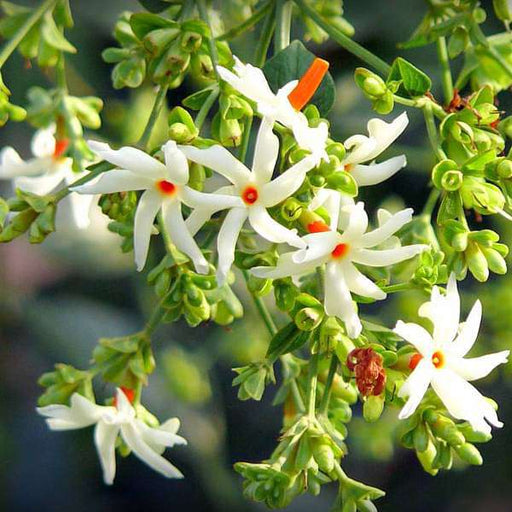
View full detailsCombo Constituents Includes the Parijat Tree (Night-Flowering Jasmine), a culturally significant plant with fragrant flowers. Description The Pari...
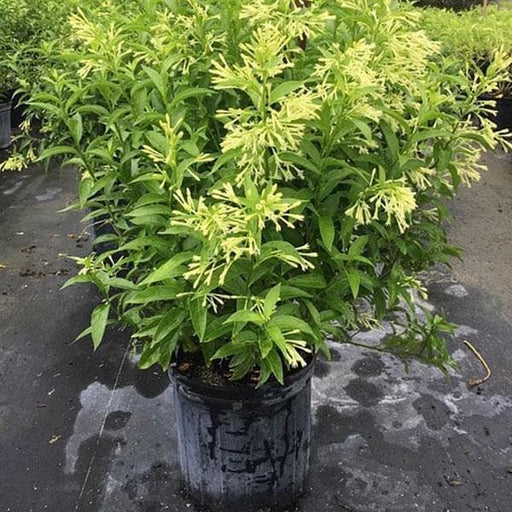
View full detailsDescription Raat Ki Rani (*Cestrum nocturnum*), also known as Night Blooming Jasmine, is a fragrant shrub native to the Caribbean and Central Ameri...
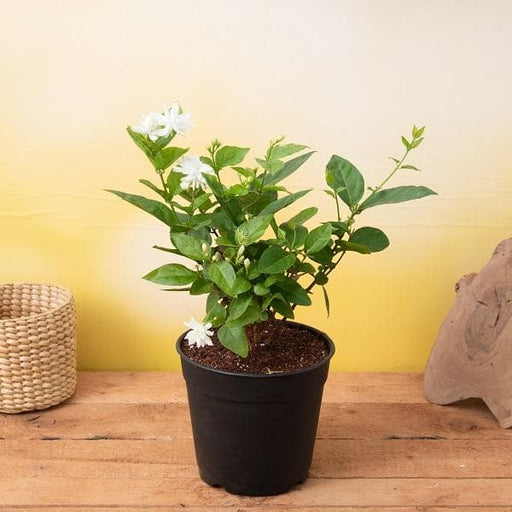
View full detailsJasminum sambac, Mogra, Arabian Jasmine - Plant Jasminum sambac, commonly known as Mogra or Arabian Jasmine, is a fragrant flowering plant...
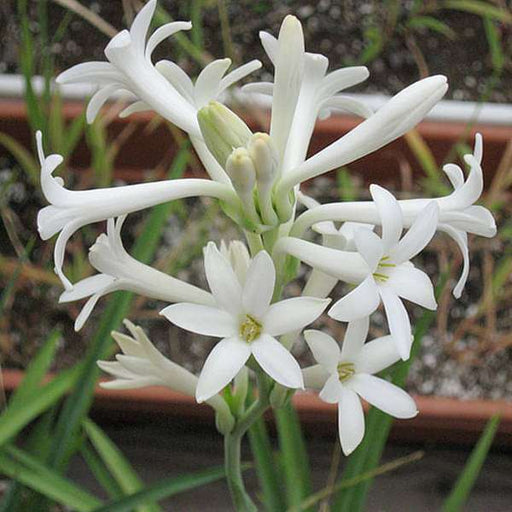
View full detailsRajnigandha, Tuberose - Plant The Rajnigandha, scientifically known as Polianthes tuberosa, is a captivating perennial plant renowned for ...
View full detailsCitronella, Odomas - Plant The Citronella plant, scientifically known as Cymbopogon nardus, is a tropical grass renowned for its aromatic ...
View full detailsDamascus Rose, Scented Rose (Any Color) - Plant The Damascus Rose, also known as Rosa damascena, is a timeless symbol of beauty and romanc...
View full detailsMiniature Rose, Button Rose (Any Color) - Plant The Miniature Rose, also known as the Button Rose, is a charming and compact flowering plant that ...
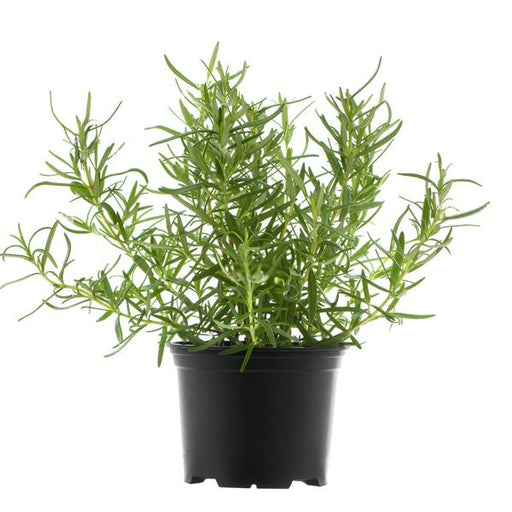
View full detailsRosemary - Plant Rosemary (Rosmarinus officinalis) is a fragrant evergreen herb native to the Mediterranean region. Known for its needle-like leav...
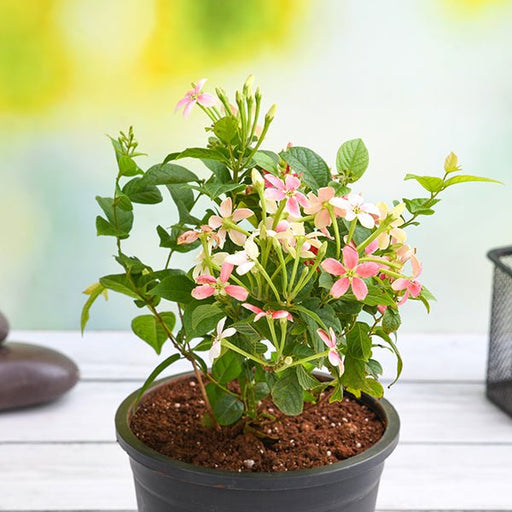
View full detailsMadhumalti Dwarf, Rangoon Creeper - Plant The Madhumalti Dwarf, also known as the Rangoon Creeper (Quisqualis indica), is a stunning perennial vin...
View full detailsBest 6 Plants for Perfect Indoor Garden Transform your living space into a lush oasis with our curated collection of the Best 6 Plants for a...
View full detailsBest 6 Plants for Perfect Indoor Garden Transform your living space into a lush oasis with our curated collection of the Best 6 Plants for a...
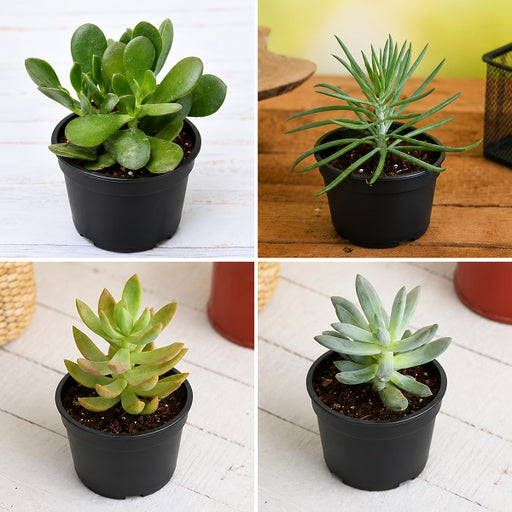
View full detailsMini Succulent Garden Pack Transform your space with our Mini Succulent Garden Pack, featuring a delightful collection of 4 any variety beautiful s...
View full details5 Best Fragrant Plants Transform your garden or indoor space into a fragrant paradise with our curated selection of the 5 Best Fragrant Plants. Th...
View full detailsSet of 2 Bonsai Looking Grafted Adeniums Transform your indoor or outdoor space with our exquisite Set of 2 Bonsai Looking Grafted Adenium...
View full detailsTop 4 Die Hard Succulents Pack Note: Plants included in this pack will be delivered in a 3-inch nursery pot (any color). Transform your indoor or ...
View full details5 Best Indoor Plants Pack Transform your living space into a lush oasis with our '5 Best Indoor Plants Pack.' This carefully curated collection fe...
View full detailsSet of 4 Evergreen Air Purifier Plant Pack Transform your indoor space into a lush, green oasis with our Set of 4 Evergreen Air Purifier Pla...
View full detailsTop 5 Pollution Killer Plants Pack Transform your living space into a breath of fresh air with our 'Top 5 Pollution Killer Plants Pack'. This care...
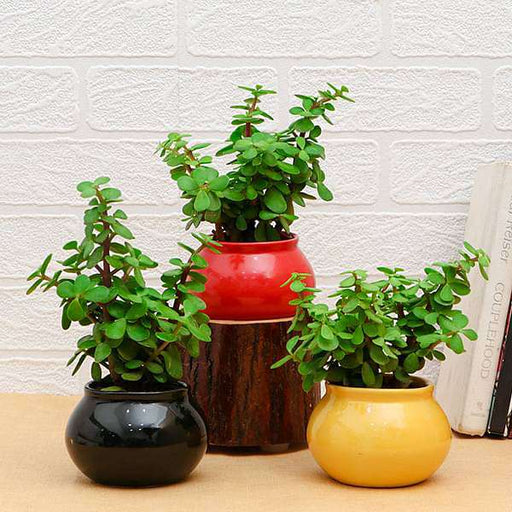
View full detailsPack of 3 Good Luck Jade Plants in Ceramic Pots Bring a touch of nature into your home with our Pack of 3 Good Luck Jade Plants, featuring...
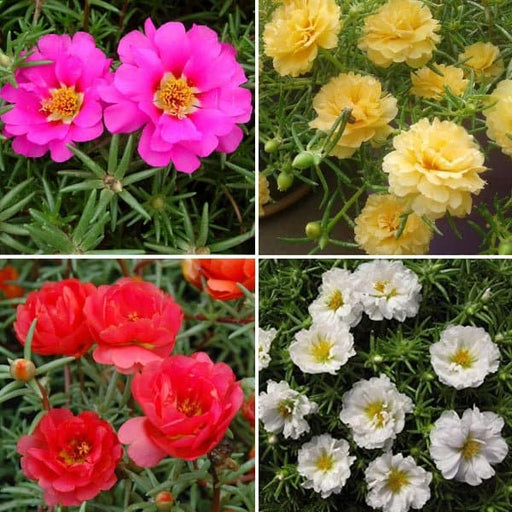
View full detailsPortulaca Garden Pack (4 Plants + 4 Black Pots) Note- You will get any color (Assorted) potted Porulaca plant with this pack. Transform your garde...
View full details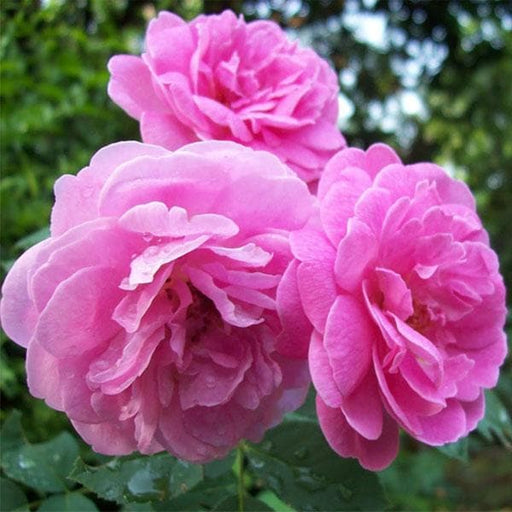












Leave a comment