
Expert Support
Available 24/7 via chat
Available 24/7 via chat
If you're looking for a creeper that thrives in Indian heat with minimal fuss, Curtain creeper—locally known as Parda bel or Vernonia creeper—is your answer. This best-selling perennial climber has earned its place in thousands of Indian gardens for good reason: it grows vigorously, produces stunning flowers in shades of yellow, orange, red, pink, and white, and asks very little in return. Whether you're covering a bare wall, dressing up a trellis, or creating a living curtain of foliage, this easy-to-grow plant delivers results, even for beginners. Let's explore how to nurture this garden superstar in your home.
Curtain creeper is a perennial ground cover and climbing vine that reaches a maximum height of 1 to 1.5 meters, making it perfect for vertical gardening in compact Indian homes. It arrives as a young plant (18 inches tall, 4 inches spread) and establishes quickly when given the right conditions. The plant's most delightful feature is its bloom time from February to March, when it bursts into color just as India's cool season fades. Its low-maintenance nature and ability to thrive in outdoor conditions make it a favorite among both experienced gardeners and newcomers. The thick, lush foliage acts as a natural curtain, offering both privacy and beauty to your garden space.
| Care Factor | Requirement |
|---|---|
| Light | 3–6 hours direct morning sunlight + indirect bright light |
| Water | 1 cup (50 ml) when top 1–2 inches of soil feels dry |
| Soil | Well-draining, fertile, rich in organic matter |
| Temperature | 25–30°C (ideal growth range) |
Curtain creeper thrives with 3 to 6 hours of direct morning sunlight daily, followed by indirect bright light for the rest of the day. Morning sun is ideal for Indian gardens—it's gentle enough to avoid leaf scorch during peak summer, yet strong enough to fuel vigorous growth and abundant flowering. Position your creeper on an east-facing wall or trellis if possible; this captures morning rays while providing afternoon shade during India's intense summer months. If your garden receives only partial shade, the plant will still grow, though flowering may be less abundant. Avoid deep shade for extended periods, as this weakens the vine and reduces blooms. During monsoon season, even partial sun is usually sufficient given the naturally bright, diffused light.
Curtain creeper is surprisingly drought-tolerant once established, but consistent moisture during the growing season ensures faster, bushier growth. Water only when the top 1 to 2 inches of soil feel dry to the touch—apply approximately 1 cup (50 ml) of water at this point. In India's hot season (April–June), you may need to water every 2–3 days; during monsoon, reduce frequency and let rainfall do most of the work, watering only if soil remains dry for several days. In winter (November–February), water sparingly, just enough to keep soil from drying out completely. Hard water is common in Indian cities; if possible, collect rainwater or use filtered water to avoid salt accumulation in the soil. Ensure your pot or ground area has good drainage—waterlogged roots are the primary cause of plant decline and fungal issues in humid Indian climates.
Use well-draining, fertile soil rich in organic matter. Mix regular garden soil with 30–40% compost or well-rotted cow manure to improve fertility and drainage. If growing in pots, add a handful of perlite or coarse sand to enhance drainage further. Organic matter is crucial for Indian soils, which often lack sufficient humus, especially in urban areas. Feed your Curtain creeper once monthly during its active growth phase—January and February are ideal months for fertilization, as suggested. Use any balanced organic fertilizer (cow manure, neem cake, or liquid seaweed extract work well). Avoid heavy feeding; over-fertilized plants produce excess foliage at the cost of flowers. Skip feeding during monsoon and summer heat to avoid stress.
Curtain creeper prefers temperatures between 25 and 30°C, a range comfortable for most of India's growing season. It tolerates India's summer heat well once established and mature enough to handle stress. However, protect young plants from scorching afternoon sun during April–June by providing light shade cloth if temperatures exceed 35°C. During winter, when temperatures drop below 15°C in parts of North India, growth slows considerably, but the plant survives and rebounds in spring. High humidity during monsoon season is not a problem; in fact, the consistent moisture supports lush foliage. Ensure air circulation around the plant to prevent fungal diseases that thrive in stagnant, humid conditions. Thin out dense growth every few months for better airflow.
Curtain creeper propagates easily from stem cuttings, making it economical to create more plants or share with fellow gardeners. Take 4–6 inch cuttings from young, healthy stems during spring or early monsoon (March–June) when the plant is actively growing. Remove lower leaves and dip the cut end in rooting powder (optional but helpful). Insert cuttings into moist, well-draining potting mix and keep in bright, indirect light. Mist lightly every 2–3 days to maintain humidity. Roots typically develop within 2–3 weeks; once established, transition cuttings to larger pots and treat as mature plants. This method is far more economical than purchasing new plants repeatedly.
Yellowing leaves: Usually caused by overwatering or poor drainage. Allow soil to dry between waterings and ensure pots have drainage holes.
Sparse flowering: Insufficient light is the common culprit. Ensure 3–6 hours of morning direct sunlight. Excess nitrogen from over-fertilizing also promotes foliage over flowers; stick to monthly feeding in Jan–Feb only.
Pest issues: Mealybugs and spider mites may appear in dry, hot conditions. Spray infested plants with neem oil solution (5 ml neem oil + 1 liter water) every 10 days until clear.
Fungal problems: Powdery mildew occasionally occurs in high-humidity areas. Improve air circulation, reduce overhead watering, and spray with sulfur dust if needed.
Ready to grow your own? Shop Curtain creeper at Nurserylive →
Curtain Creeper (Vernonia creeper) - Parda Bel Plant The Curtain Creeper, scientifically known as Vernonia creeper, is a stunning perennia...
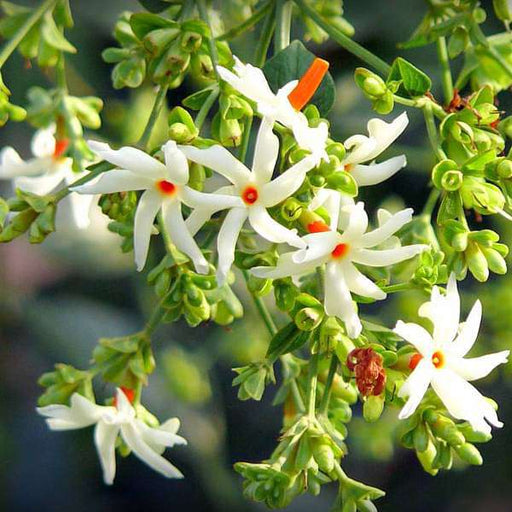
View full detailsCombo Constituents Includes the Parijat Tree (Night-Flowering Jasmine), a culturally significant plant with fragrant flowers. Description The Pari...
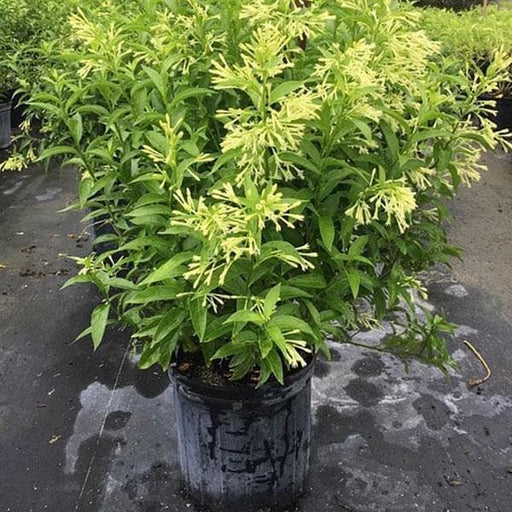
View full detailsDescription Raat Ki Rani (*Cestrum nocturnum*), also known as Night Blooming Jasmine, is a fragrant shrub native to the Caribbean and Central Ameri...
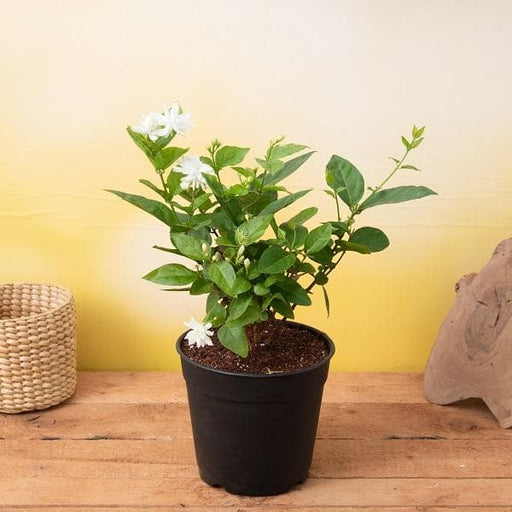
View full detailsJasminum sambac, Mogra, Arabian Jasmine - Plant Jasminum sambac, commonly known as Mogra or Arabian Jasmine, is a fragrant flowering plant...
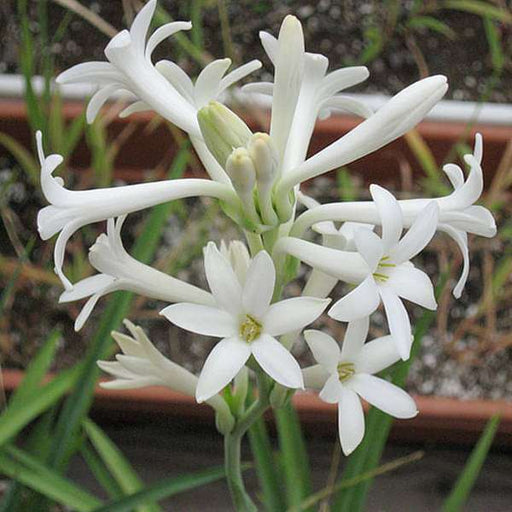
View full detailsRajnigandha, Tuberose - Plant The Rajnigandha, scientifically known as Polianthes tuberosa, is a captivating perennial plant renowned for ...
View full detailsCitronella, Odomas - Plant The Citronella plant, scientifically known as Cymbopogon nardus, is a tropical grass renowned for its aromatic ...
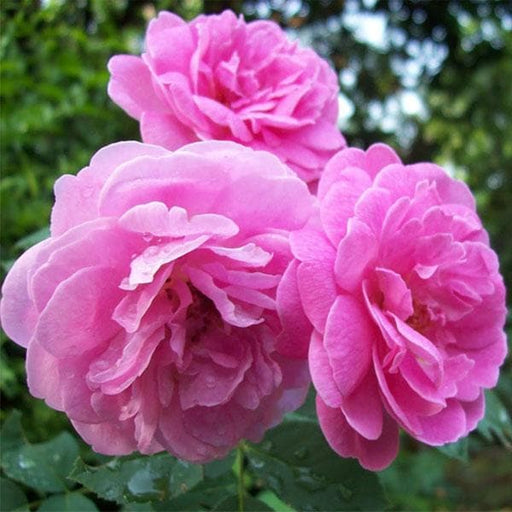
View full detailsDamascus Rose, Scented Rose (Any Color) - Plant The Damascus Rose, also known as Rosa damascena, is a timeless symbol of beauty and romanc...
View full detailsMiniature Rose, Button Rose (Any Color) - Plant The Miniature Rose, also known as the Button Rose, is a charming and compact flowering plant that ...
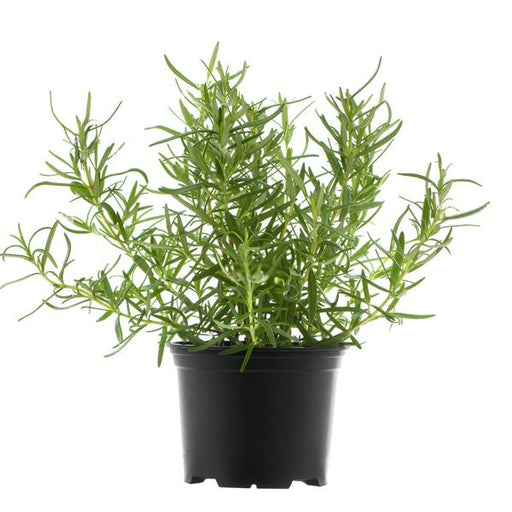
View full detailsRosemary - Plant Rosemary (Rosmarinus officinalis) is a fragrant evergreen herb native to the Mediterranean region. Known for its needle-like leav...
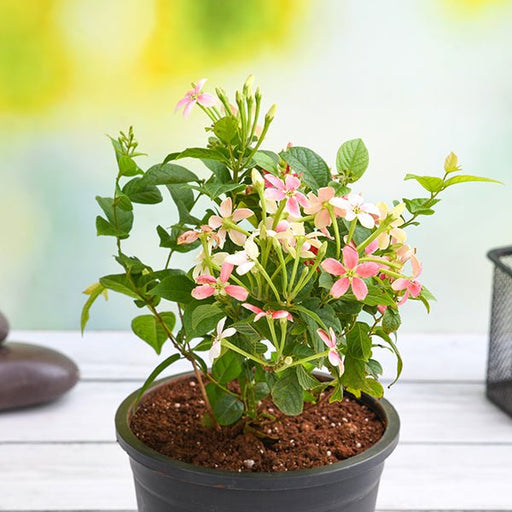
View full detailsMadhumalti Dwarf, Rangoon Creeper - Plant The Madhumalti Dwarf, also known as the Rangoon Creeper (Quisqualis indica), is a stunning perennial vin...
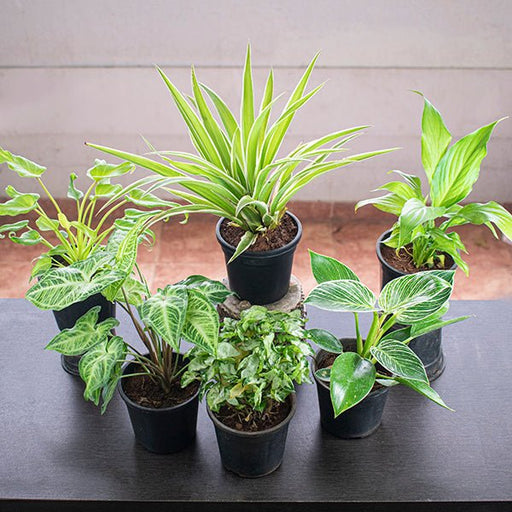
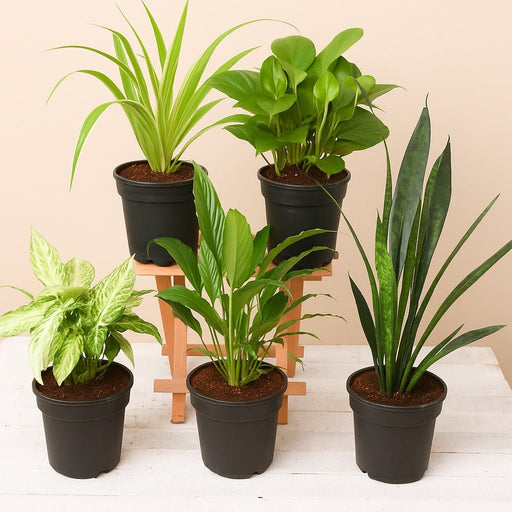
View full detailsBest 6 Plants for Perfect Indoor Garden Transform your living space into a lush oasis with our curated collection of the Best 6 Plants for a...
View full detailsBest 6 Plants for Perfect Indoor Garden Transform your living space into a lush oasis with our curated collection of the Best 6 Plants for a...
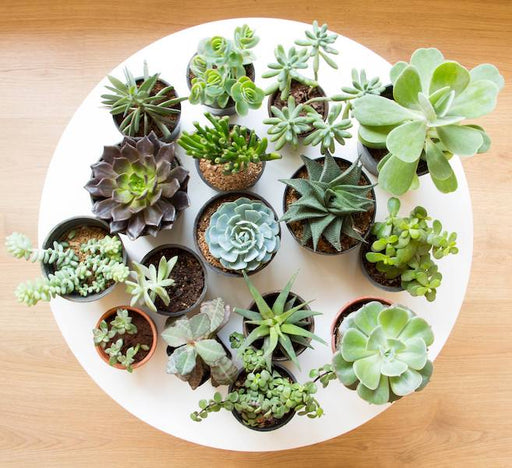
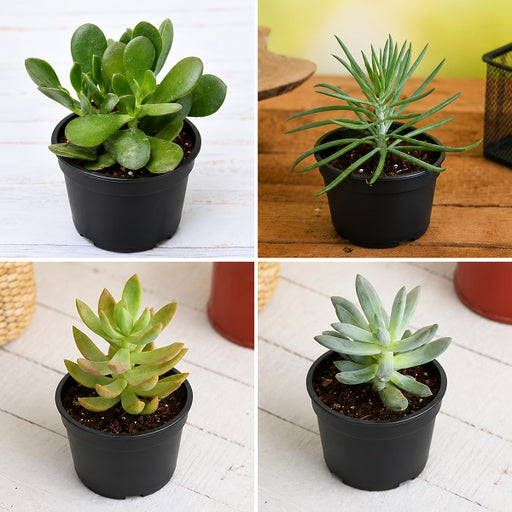
View full detailsMini Succulent Garden Pack Transform your space with our Mini Succulent Garden Pack, featuring a delightful collection of 4 any variety beautiful s...
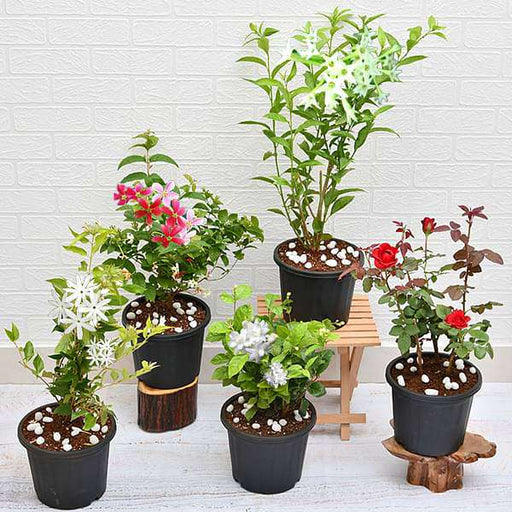
View full details5 Best Fragrant Plants Transform your garden or indoor space into a fragrant paradise with our curated selection of the 5 Best Fragrant Plants. Th...
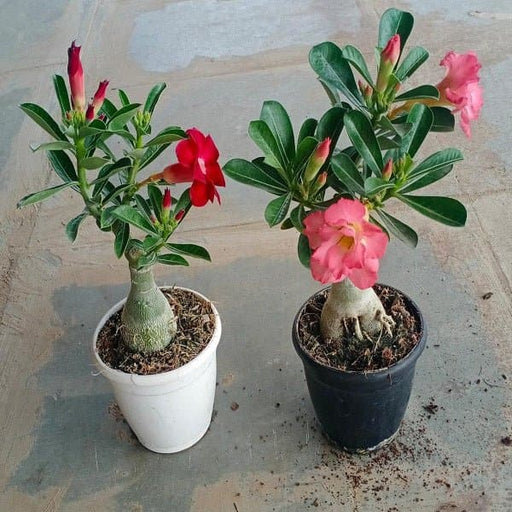
View full detailsSet of 2 Bonsai Looking Grafted Adeniums Transform your indoor or outdoor space with our exquisite Set of 2 Bonsai Looking Grafted Adenium...
View full detailsTop 4 Die Hard Succulents Pack Note: Plants included in this pack will be delivered in a 3-inch nursery pot (any color). Transform your indoor or ...
View full details5 Best Indoor Plants Pack Transform your living space into a lush oasis with our '5 Best Indoor Plants Pack.' This carefully curated collection fe...
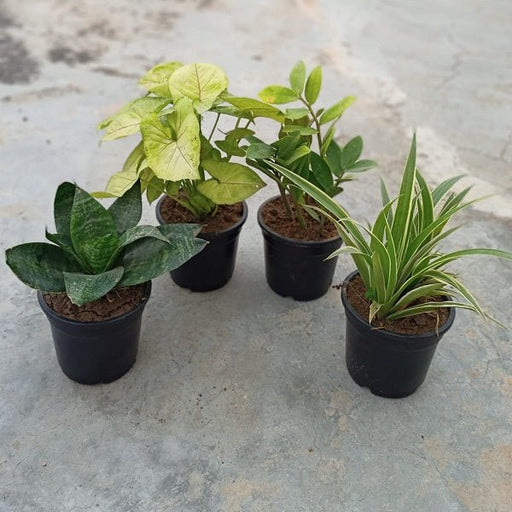
View full detailsSet of 4 Evergreen Air Purifier Plant Pack Transform your indoor space into a lush, green oasis with our Set of 4 Evergreen Air Purifier Pla...
View full detailsTop 5 Pollution Killer Plants Pack Transform your living space into a breath of fresh air with our 'Top 5 Pollution Killer Plants Pack'. This care...
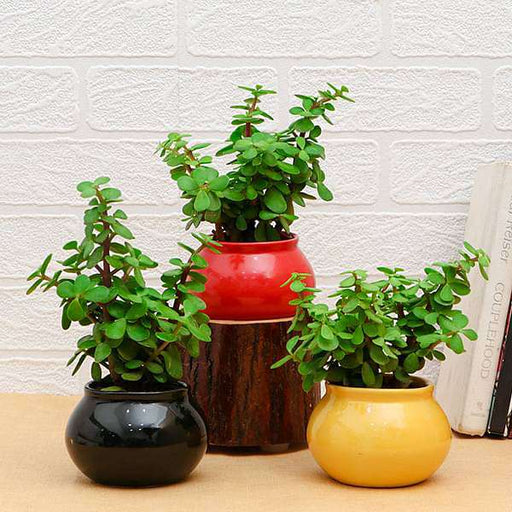
View full detailsPack of 3 Good Luck Jade Plants in Ceramic Pots Bring a touch of nature into your home with our Pack of 3 Good Luck Jade Plants, featuring...
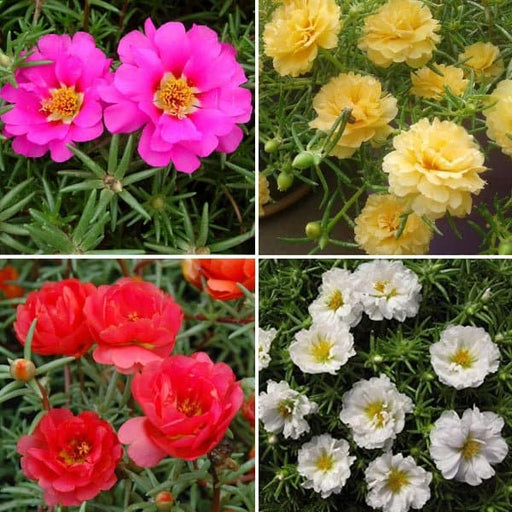
View full detailsPortulaca Garden Pack (4 Plants + 4 Black Pots) Note- You will get any color (Assorted) potted Porulaca plant with this pack. Transform your garde...
View full details






Leave a comment