
Expert Support
Available 24/7 via chat
Available 24/7 via chat
Curry leaves, known as kadi patta in Hindi and meetha neem in many Indian regions, are one of the most rewarding herbs to grow at home. If you cook Indian food regularly, having fresh curry leaves at your fingertips transforms your kitchen experience—the fragrant aroma when you crush a leaf, the burst of flavor in your dishes, and the satisfaction of harvesting from your own plant. The good news? Curry leaves are remarkably easy to grow in India's climate, thriving in the warmth and humidity our gardens naturally provide. Whether you're a seasoned gardener or picking up a pair of secateurs for the first time, this guide will help you cultivate a healthy, productive curry leaves plant year-round.
Curry leaves (Murraya koenigii) are a perennial shrub native to the Indian subcontinent, making them perfectly adapted to Indian growing conditions. The plant is beloved not just for its culinary value but also for its cultural significance—in many Indian households, it's considered a lucky plant. Beyond the kitchen, curry leaves plants are an asset to your garden: they attract butterflies and birds, adding life and movement to your green space. Young plants arrive at around 6 inches (15 cm) tall with a spread of 5 inches (13 cm), but with proper care, they can eventually reach heights of 2 to 6 metres, forming a substantial shrub. The plant produces delicate white flowers during February to April, a bonus for those who appreciate the full lifecycle of their growing things.
| Care Aspect | Requirements |
|---|---|
| Light | Full sun to bright, indirect light; 6–8 hours daily |
| Water | Moderate watering; keep soil consistently moist but not waterlogged |
| Soil | Well-draining, nutrient-rich, fertile soil with organic matter |
| Temperature | 20–35°C (ideal for Indian climates) |
Curry leaves thrive in full sun, which promotes robust growth, abundant leaf production, and that signature fragrance we love. Ideally, your plant should receive at least 6–8 hours of sunlight daily. In India's intense summer heat, particularly in regions like Delhi, Mumbai, or Bangalore, you might notice that afternoon shade during peak summer (April–June) helps prevent leaf scorch and keeps the plant from becoming stressed during extreme heat spikes. In coastal or monsoon-prone areas, ensure good air circulation around the plant to prevent fungal issues. If you're growing curry leaves indoors or in a shaded corner, the plant will survive but may become leggy and produce fewer leaves suitable for harvesting. Position it near a south or west-facing window for best results, or place it outdoors where it catches maximum morning and midday sun.
Water your curry leaves plant moderately—think of it as consistent but not soggy. During the growing season (spring and summer), check the soil every 2–3 days; when the top inch feels dry, water thoroughly until it drains from the pot's base. In India's monsoon season, reduce watering significantly, as natural rainfall often provides ample moisture. Overwatering is a common mistake that leads to root rot, especially if your pot lacks drainage holes. If your region has hard water (high mineral content), consider collecting rainwater or letting tap water sit overnight before use, as this helps prevent mineral buildup in the soil that can affect nutrient uptake. During winter, when growth slows, water less frequently—perhaps once a week or even less, depending on your local conditions. The goal is to keep the soil moist but never waterlogged.
Curry leaves demand well-draining, nutrient-rich, fertile soil. If you're using a commercial potting mix, ensure it contains ingredients like peat or coco-coir, perlite, and compost to maintain both moisture retention and drainage. For best results, add a handful of well-aged compost or aged manure to your potting mix. Many gardeners in India prefer a blend of 40% garden soil, 40% compost, and 20% perlite or coarse sand, which provides both fertility and drainage. Once your plant is established, apply any organic fertilizer every 4–6 weeks during the growing season (March to September). Neem cake, vermicompost, or a balanced organic fertilizer works wonderfully. During winter, reduce feeding or stop entirely, as the plant's growth naturally slows. Avoid chemical fertilizers if possible; organic options keep your edible leaves safe and your soil biology thriving.
The temperature range of 20–35°C is ideal for curry leaves, which is perfect for most of India. The plant actually thrives in India's natural warmth and humidity, especially during monsoon months. However, curry leaves are sensitive to sudden temperature drops below 10°C, so if you live in hill stations or experience harsh winters, protect young plants with a frost cloth or move them to a warmer spot. Humidity is your friend; curry leaves appreciate the moisture in the air, particularly if you live in a dry climate. In arid regions, you can mist the leaves occasionally or place the pot on a tray of pebbles and water to increase ambient humidity. This is especially helpful during dry winters in North India. The plant's natural habitat in India means it's adapted to seasonal changes, so allow it to slow down slightly in winter—this is normal and actually beneficial for long-term plant health.
Propagating curry leaves is straightforward and rewarding. You can grow new plants from seeds or cuttings. If using seeds, soak them in water for 24 hours before sowing in moist seed-starting mix. Keep the soil consistently moist and warm; seeds typically germinate within 2–3 weeks. Cuttings, taken from young, tender growth during spring or early monsoon, root readily in moist soil or water. Select 4–6 inch cuttings from the tip of healthy branches, remove lower leaves, and insert them into moist potting mix or a glass of water. Roots usually develop within 3–4 weeks. Once rooted, harden off your young plants gradually before moving them to their final location. Many gardeners propagate curry leaves every few years to maintain vigorous plants, as older specimens sometimes become woody and less productive.
Curry leaves are hardy, but a few issues can arise. Yellowing leaves often signal overwatering or poor drainage—ensure your pot has drainage holes and adjust your watering schedule. Spider mites and whiteflies can trouble plants in dry conditions; spray with neem oil solution to manage infestations. Fungal leaf spots may appear in overly humid conditions without air circulation; prune affected leaves and improve airflow. Scale insects occasionally infest curry leaves plants; remove them by hand or use an organic insecticidal soap. If your plant becomes leggy or stops producing new leaves, it may need pruning to encourage bushier growth, or it could be pot-bound—repotting into a larger container with fresh soil revitalizes it. Most problems resolve quickly with the right cultural adjustments.
Ready to grow your own? Shop Curry Leaves at Nurserylive →
Curry Leaves, Kadi Patta, Murraya koenigii, Meetha Neem - Plant Curry Leaves, scientifically known as Murraya koenigii, are aromatic leave...
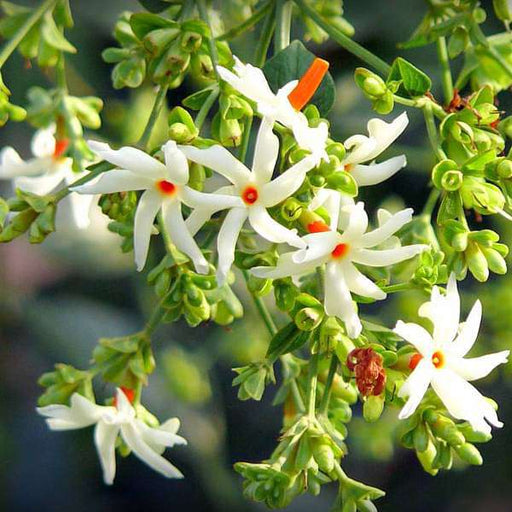
View full detailsCombo Constituents Includes the Parijat Tree (Night-Flowering Jasmine), a culturally significant plant with fragrant flowers. Description The Pari...
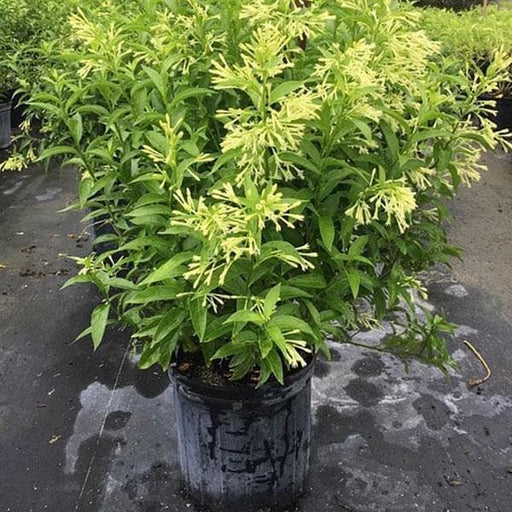
View full detailsDescription Raat Ki Rani (*Cestrum nocturnum*), also known as Night Blooming Jasmine, is a fragrant shrub native to the Caribbean and Central Ameri...
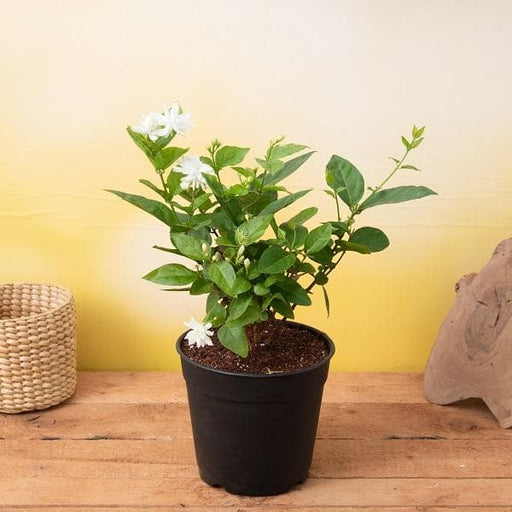
View full detailsJasminum sambac, Mogra, Arabian Jasmine - Plant Jasminum sambac, commonly known as Mogra or Arabian Jasmine, is a fragrant flowering plant...
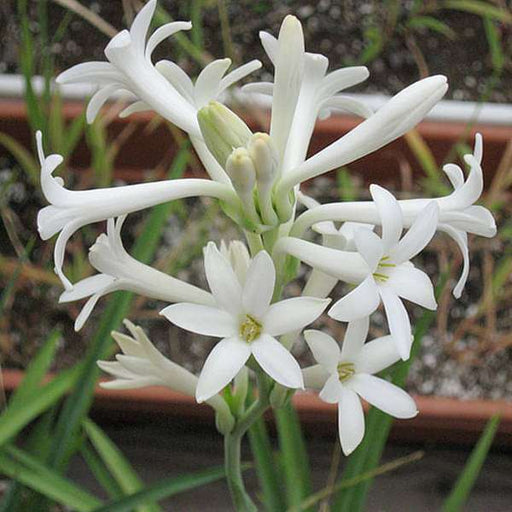
View full detailsRajnigandha, Tuberose - Plant The Rajnigandha, scientifically known as Polianthes tuberosa, is a captivating perennial plant renowned for ...
View full detailsCitronella, Odomas - Plant The Citronella plant, scientifically known as Cymbopogon nardus, is a tropical grass renowned for its aromatic ...
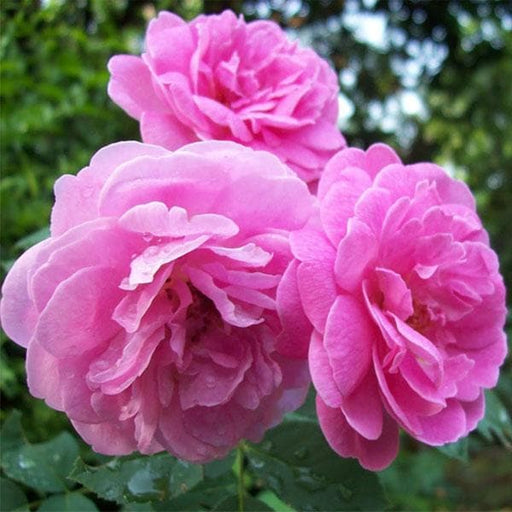
View full detailsDamascus Rose, Scented Rose (Any Color) - Plant The Damascus Rose, also known as Rosa damascena, is a timeless symbol of beauty and romanc...
View full detailsMiniature Rose, Button Rose (Any Color) - Plant The Miniature Rose, also known as the Button Rose, is a charming and compact flowering plant that ...
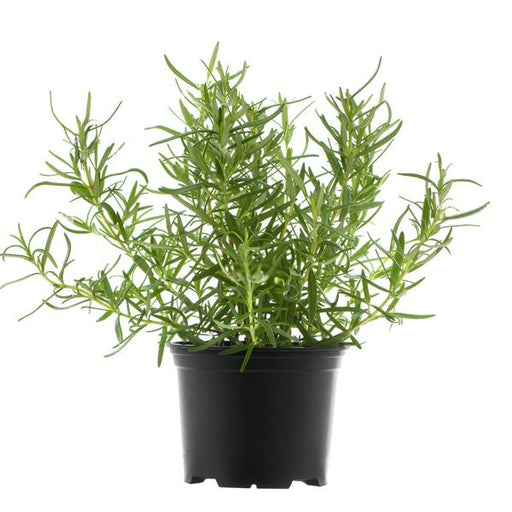
View full detailsRosemary - Plant Rosemary (Rosmarinus officinalis) is a fragrant evergreen herb native to the Mediterranean region. Known for its needle-like leav...
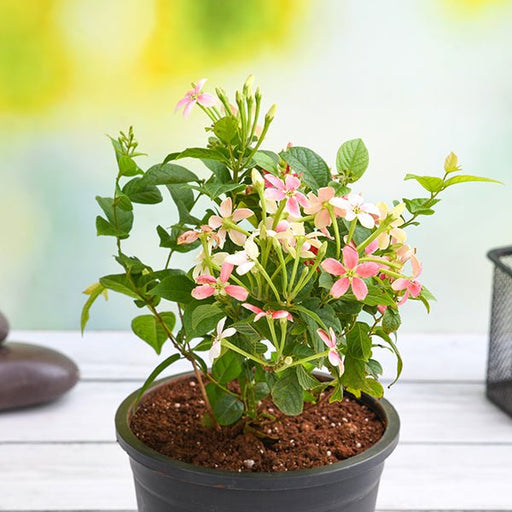
View full detailsMadhumalti Dwarf, Rangoon Creeper - Plant The Madhumalti Dwarf, also known as the Rangoon Creeper (Quisqualis indica), is a stunning perennial vin...
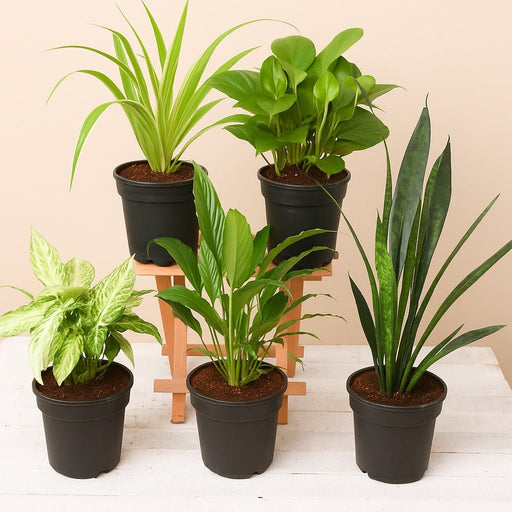
View full detailsBest 6 Plants for Perfect Indoor Garden Transform your living space into a lush oasis with our curated collection of the Best 6 Plants for a...
View full detailsBest 6 Plants for Perfect Indoor Garden Transform your living space into a lush oasis with our curated collection of the Best 6 Plants for a...
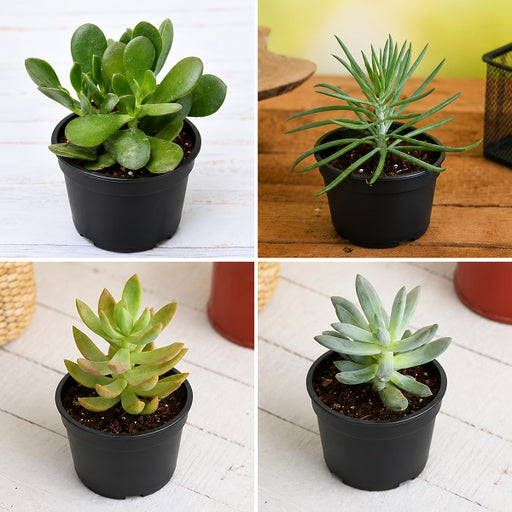
View full detailsMini Succulent Garden Pack Transform your space with our Mini Succulent Garden Pack, featuring a delightful collection of 4 any variety beautiful s...
View full details5 Best Fragrant Plants Transform your garden or indoor space into a fragrant paradise with our curated selection of the 5 Best Fragrant Plants. Th...
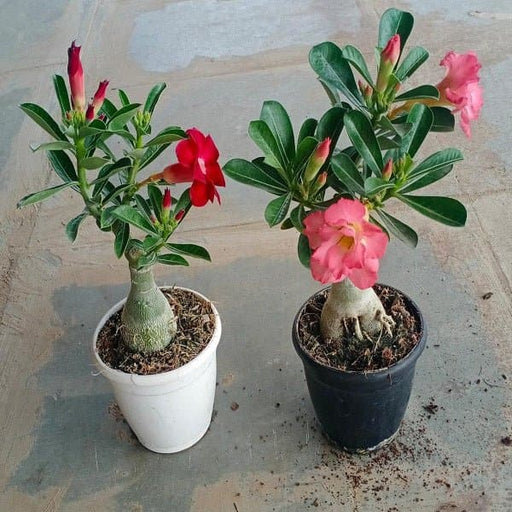
View full detailsSet of 2 Bonsai Looking Grafted Adeniums Transform your indoor or outdoor space with our exquisite Set of 2 Bonsai Looking Grafted Adenium...
View full detailsTop 4 Die Hard Succulents Pack Note: Plants included in this pack will be delivered in a 3-inch nursery pot (any color). Transform your indoor or ...
View full details5 Best Indoor Plants Pack Transform your living space into a lush oasis with our '5 Best Indoor Plants Pack.' This carefully curated collection fe...
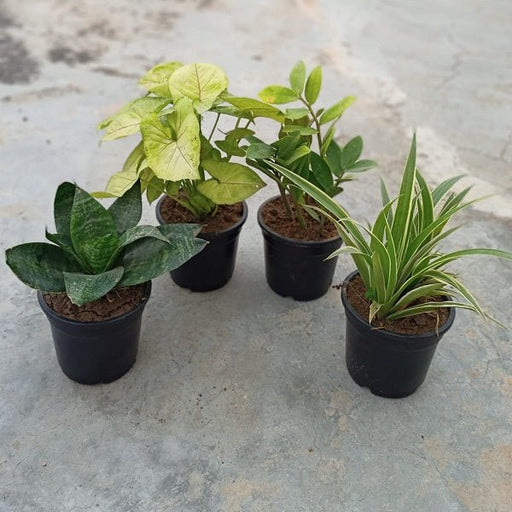
View full detailsSet of 4 Evergreen Air Purifier Plant Pack Transform your indoor space into a lush, green oasis with our Set of 4 Evergreen Air Purifier Pla...
View full detailsTop 5 Pollution Killer Plants Pack Transform your living space into a breath of fresh air with our 'Top 5 Pollution Killer Plants Pack'. This care...
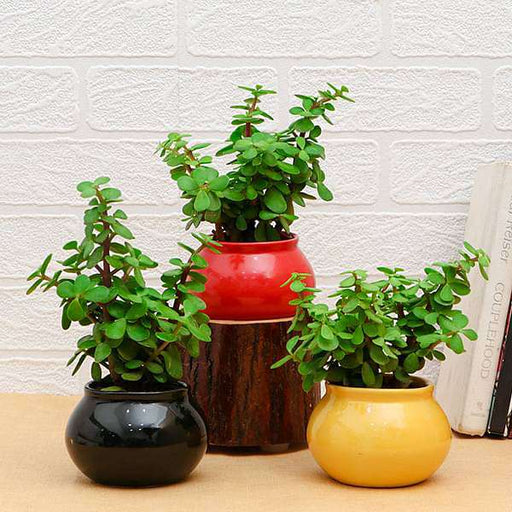
View full detailsPack of 3 Good Luck Jade Plants in Ceramic Pots Bring a touch of nature into your home with our Pack of 3 Good Luck Jade Plants, featuring...
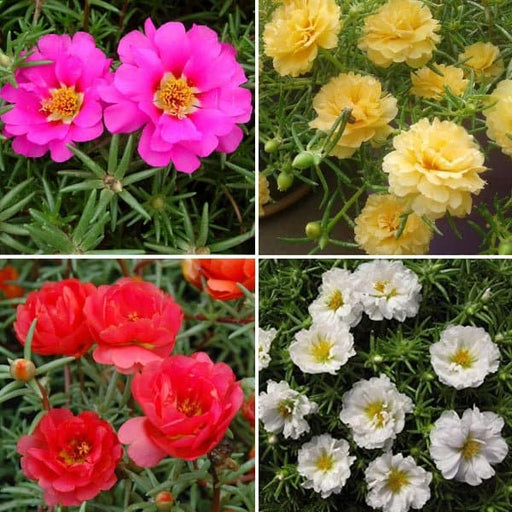
View full detailsPortulaca Garden Pack (4 Plants + 4 Black Pots) Note- You will get any color (Assorted) potted Porulaca plant with this pack. Transform your garde...
View full details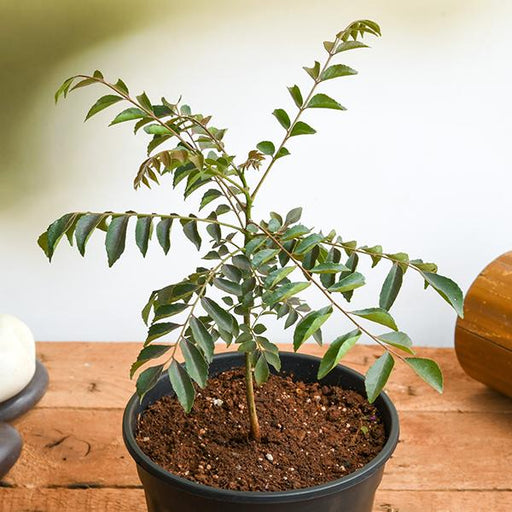





Leave a comment