
Expert Support
Available 24/7 via chat
Available 24/7 via chat
If you're looking for a carefree addition to your garden that delivers non-stop blooms and requires minimal fuss, Cuphea Hyssopifolia—affectionately called False Heather, Elfin Herb, or Hawaiian Heather—is your answer. This charming compact shrub is particularly well-suited to Indian gardeners, thriving in our warm climate while remaining forgiving enough for beginners. Whether you're designing a vibrant hedge, brightening a terrace planter, or creating a potted display, this lavender-flowered beauty delivers year-round colour and attracts butterflies and pollinators to your garden.
Cuphea Hyssopifolia is a soft-stemmed perennial shrub that truly thrives in India's warm, tropical conditions. At purchase, most plants stand at 12 inches (30 cm) tall with a 6-inch (15 cm) spread, but with proper care they can reach 30–60 cm, making them ideal for both containers and garden beds. The standout feature is its almost non-stop bloom cycle—lavender-coloured flowers appear throughout the year, even during winter months when many other garden plants go dormant. This continuous flowering, combined with dense, compact growth, makes it exceptional for creating ornamental hedges or focal points on balconies and terraces. The delicate flowers also attract butterflies and beneficial insects, supporting a thriving garden ecosystem.
| Care Factor | Requirement |
|---|---|
| Sunlight | Natural bright light with morning sunlight (3–6 hours) |
| Watering | 3 cups (~150 ml) when top 1–2 inches of soil feel dry |
| Soil | Well-drained, fertile, rich in organic content |
| Temperature | 22–32°C (ideal year-round growing range) |
Cuphea Hyssopifolia prefers natural bright light with 3–6 hours of morning sunlight daily. In India, this means placing your plant in an east-facing window or bright spot that receives gentle morning rays—particularly valuable during winter months. While the plant adapts to bright, indirect light, insufficient light will result in sparse flowering and weak, leggy growth. In extreme Indian summers, particularly in zones with intense afternoon sun, provide dappled afternoon shade to prevent leaf damage. A semi-shaded terrace or sheltered balcony is often ideal—bright enough to trigger continuous blooms, but protected from the harshest midday heat. Plants positioned in deep shade will struggle to flower, so prioritize light when selecting placement.
Proper watering is crucial to keep your Cuphea healthy and flowering. Apply approximately 3 cups (150 ml) of water when the top 1–2 inches of soil feel dry to the touch. This measured approach prevents both underwatering and the overwatering that leads to root rot. In India's hot season, this typically means watering every 2–3 days, while during cooler months (November to February), the interval may extend to 4–7 days. During monsoon, reduce watering frequency significantly and ensure exceptional drainage to prevent waterlogging—this is the primary threat to plant survival during the rains. Always use room-temperature water; if your area has hard water, consider collecting rainwater for irrigation, as Cuphea prefers slightly softer water. The key is consistency: keep soil moist but never soggy.
Your Cuphea demands well-drained, fertile soil rich in organic content. A high-quality potting mix combined with compost works beautifully; aim for a ratio of 60% potting mix to 40% compost for optimal drainage and nutrition. Poor drainage is the leading cause of plant stress, so never use heavy garden soil or clay-based mixes. Feed your plant with organic fertilizer once monthly throughout the year—this consistent nutrition supports the continuous bloom cycle that makes Cuphea so rewarding. Organic options like neem cake, vermicompost, or balanced compost work well and align with the plant's easy-care nature. Maintain the once-monthly feeding even during winter months to support the non-stop flowering habit that defines this plant.
Cuphea Hyssopifolia thrives in temperatures between 22–32°C, which aligns perfectly with India's year-round climate profile. The plant is genuinely heat-tolerant and actually performs better in warm conditions than cooler environments. In cooler hill stations or during winter months in northern India, where temperatures dip below 20°C, growth may slow, but the plant rarely suffers permanent damage. Humidity is generally not a limiting factor across most Indian regions; the plant adapts well to both humid coastal areas and drier inland zones. In very dry indoor environments like air-conditioned rooms, occasional misting of foliage can help, though this is rarely necessary for outdoor plants.
Propagating Cuphea Hyssopifolia is straightforward and rewarding. The easiest method is stem cuttings: select healthy, non-flowering stems 3–4 inches long and remove the lower leaves. Dip the cut end in rooting hormone to speed establishment, then insert into moist, well-drained potting mix. Keep the soil consistently moist (never waterlogged) and place the cutting in bright, indirect light. Roots typically develop within 2–4 weeks; once new growth emerges, gradually acclimate the young plant to brighter conditions. Propagation is best undertaken during the growing season (March to August) when the plant produces vigorous new tissue. This method allows you to expand your collection, create garden displays, or share plants with fellow gardeners.
Despite its easy-care reputation, Cuphea Hyssopifolia can face a few challenges:
Ready to grow your own? Shop Cuphea Hyssopifolia at Nurserylive →
Cuphea Hyssopifolia (Lavender) - Plant Cuphea Hyssopifolia, commonly known as Lavender, is a stunning perennial plant that enchants with i...
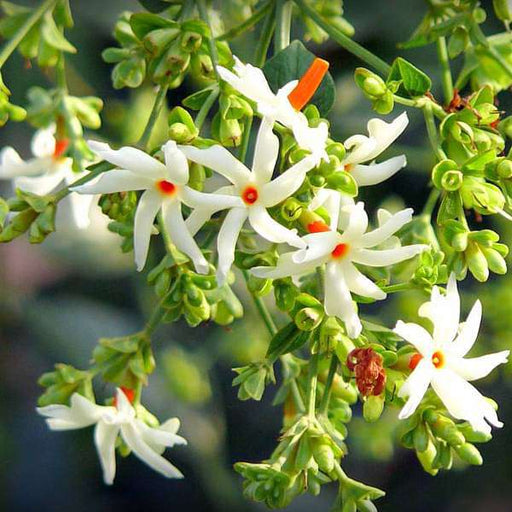
View full detailsCombo Constituents Includes the Parijat Tree (Night-Flowering Jasmine), a culturally significant plant with fragrant flowers. Description The Pari...
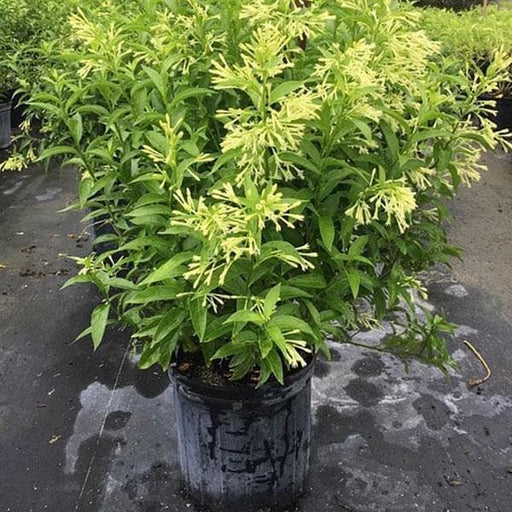
View full detailsDescription Raat Ki Rani (*Cestrum nocturnum*), also known as Night Blooming Jasmine, is a fragrant shrub native to the Caribbean and Central Ameri...
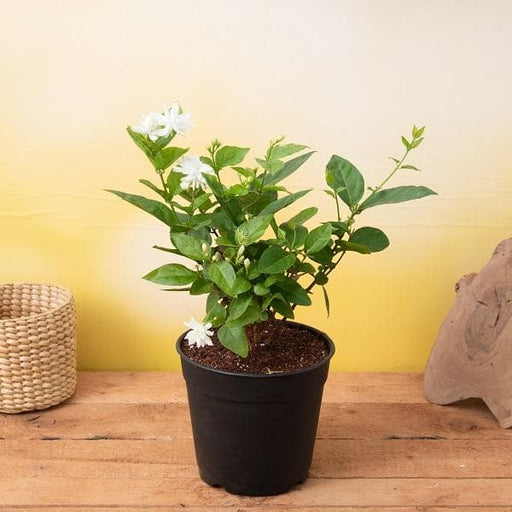
View full detailsJasminum sambac, Mogra, Arabian Jasmine - Plant Jasminum sambac, commonly known as Mogra or Arabian Jasmine, is a fragrant flowering plant...
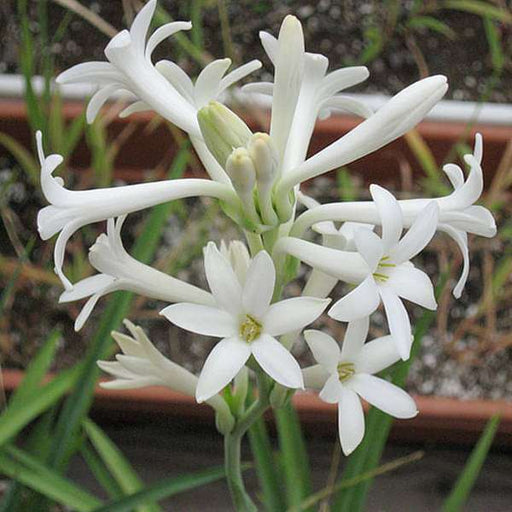
View full detailsRajnigandha, Tuberose - Plant The Rajnigandha, scientifically known as Polianthes tuberosa, is a captivating perennial plant renowned for ...
View full detailsCitronella, Odomas - Plant The Citronella plant, scientifically known as Cymbopogon nardus, is a tropical grass renowned for its aromatic ...
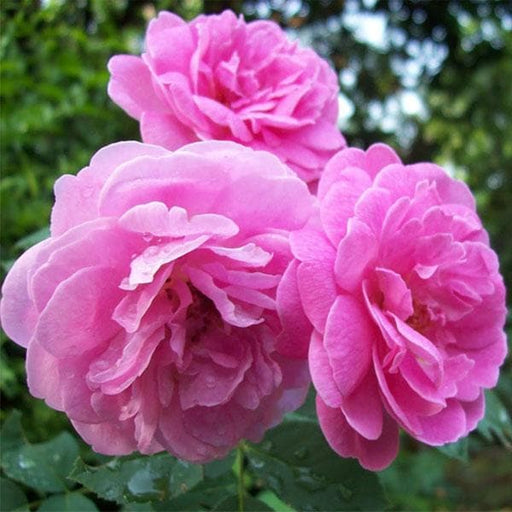
View full detailsDamascus Rose, Scented Rose (Any Color) - Plant The Damascus Rose, also known as Rosa damascena, is a timeless symbol of beauty and romanc...
View full detailsMiniature Rose, Button Rose (Any Color) - Plant The Miniature Rose, also known as the Button Rose, is a charming and compact flowering plant that ...
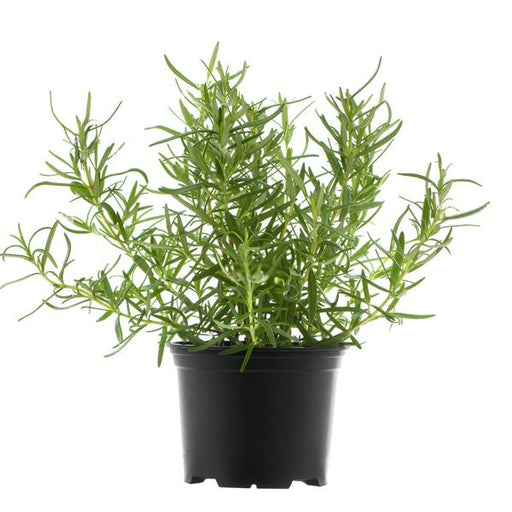
View full detailsRosemary - Plant Rosemary (Rosmarinus officinalis) is a fragrant evergreen herb native to the Mediterranean region. Known for its needle-like leav...
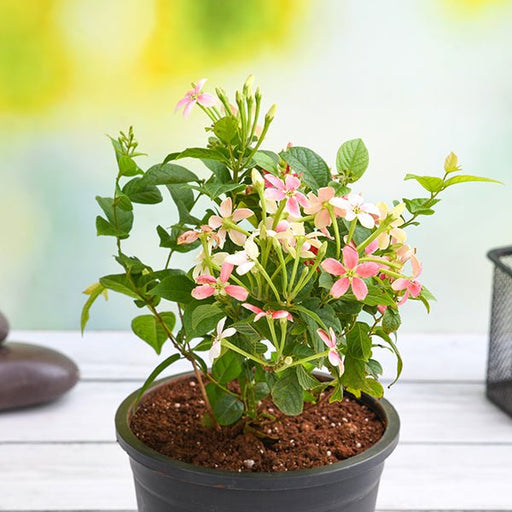
View full detailsMadhumalti Dwarf, Rangoon Creeper - Plant The Madhumalti Dwarf, also known as the Rangoon Creeper (Quisqualis indica), is a stunning perennial vin...
View full detailsBest 6 Plants for Perfect Indoor Garden Transform your living space into a lush oasis with our curated collection of the Best 6 Plants for a...
View full detailsBest 6 Plants for Perfect Indoor Garden Transform your living space into a lush oasis with our curated collection of the Best 6 Plants for a...
View full detailsMini Succulent Garden Pack Transform your space with our Mini Succulent Garden Pack, featuring a delightful collection of 4 any variety beautiful s...
View full details5 Best Fragrant Plants Transform your garden or indoor space into a fragrant paradise with our curated selection of the 5 Best Fragrant Plants. Th...
View full detailsSet of 2 Bonsai Looking Grafted Adeniums Transform your indoor or outdoor space with our exquisite Set of 2 Bonsai Looking Grafted Adenium...
View full detailsTop 4 Die Hard Succulents Pack Note: Plants included in this pack will be delivered in a 3-inch nursery pot (any color). Transform your indoor or ...
View full details5 Best Indoor Plants Pack Transform your living space into a lush oasis with our '5 Best Indoor Plants Pack.' This carefully curated collection fe...
View full detailsSet of 4 Evergreen Air Purifier Plant Pack Transform your indoor space into a lush, green oasis with our Set of 4 Evergreen Air Purifier Pla...
View full detailsTop 5 Pollution Killer Plants Pack Transform your living space into a breath of fresh air with our 'Top 5 Pollution Killer Plants Pack'. This care...
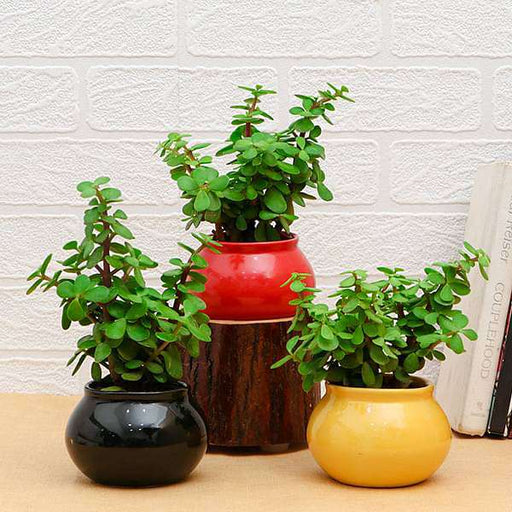
View full detailsPack of 3 Good Luck Jade Plants in Ceramic Pots Bring a touch of nature into your home with our Pack of 3 Good Luck Jade Plants, featuring...
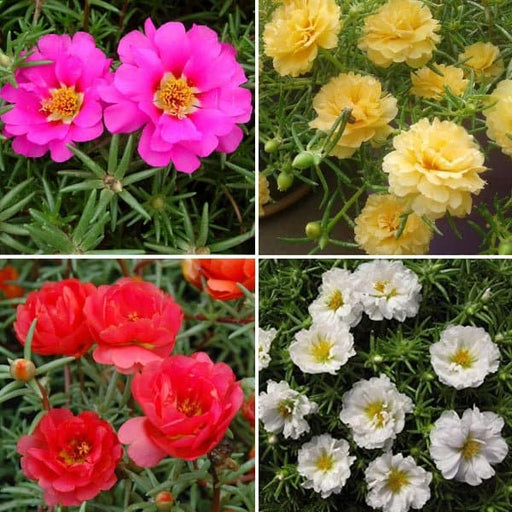
View full detailsPortulaca Garden Pack (4 Plants + 4 Black Pots) Note- You will get any color (Assorted) potted Porulaca plant with this pack. Transform your garde...
View full details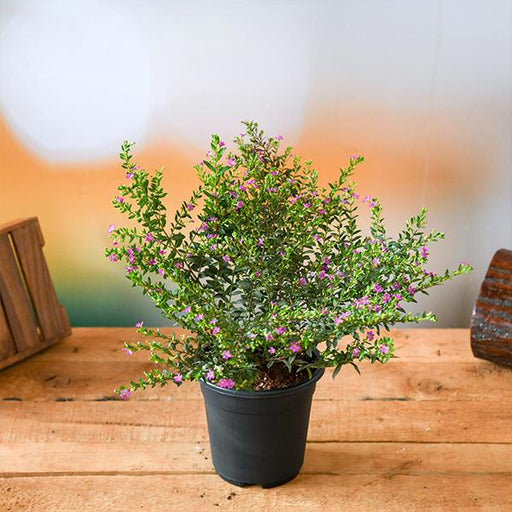













Leave a comment