
Expert Support
Available 24/7 via chat
Available 24/7 via chat
With its stunning deep maroon foliage and striking leaf patterns, the Croton plant (Codiaeum variegatum) is one of India's most dramatic indoor and outdoor ornamentals. Whether you call it Croton, Zanzibar Croton, or know it by regional names, this medium-difficulty plant brings unmatched elegance to kitchens, living rooms, and balconies across Indian homes. The good news? Despite its exotic appearance, Crotons are remarkably drought-tolerant and container-ready, making them perfect for both experienced and beginner gardeners navigating India's diverse climate zones.
The Croton is a tropical shrub native to Indonesia and Malaysia, belonging to the Euphorbiaceae family. The Maroon variety we're discussing here is prized for its deep, rich burgundy-red coloring that intensifies with age and proper sunlight. Our representative plant arrives at 18.5 inches (47 cm) in height with a 6-inch spread, but don't let the compact size fool you—Crotons can reach up to 10 feet tall under ideal conditions, making them perfect for phased growth in your home. In summer, small cream-colored flowers may appear, though they're secondary to the extraordinary foliage that makes this plant a showstopper. The plant's ability to thrive in containers, its moderate care requirements, and its drought tolerance make it an ideal choice for Indian gardeners managing water and space constraints.
| Factor | Requirement |
|---|---|
| Light | Full Sun to Partial Shade |
| Water | Moderate watering |
| Soil | Well-drained soil |
| Temperature | 15–26°C (ideal) |
Crotons are sun-worshippers and thrive under full sun to partial shade conditions. In India's intense climate, especially in regions like Delhi, Mumbai, and Bangalore, morning sunlight followed by filtered afternoon shade is ideal during peak summer (April–June). This prevents leaf scorch while maintaining the rich maroon pigmentation that makes the plant so striking. If you're placing your Croton in a kitchen or living room with bright indirect light near a south or west-facing window, it will be perfectly content. Insufficient light may cause the leaves to lose their vibrant coloration and become duller. Rotate your plant every 2–3 weeks to ensure even growth and uniform color development on all sides.
Water your Croton moderately—this means keeping the soil consistently moist during the growing season (spring and summer) but never waterlogged. In India's hot months, you may need to water 2–3 times per week, depending on your local temperature and humidity. During monsoon, reduce watering frequency significantly, as rainfall and ambient moisture may meet your plant's needs. In cooler months (November–February), water only when the top inch of soil feels dry to the touch. Crotons are drought-tolerant plants, so they can handle brief periods of neglect better than many tropical houseplants. Use room-temperature water; if you're in an area with hard water, allow tap water to sit overnight before watering to reduce the impact of excess minerals on the foliage. Always ensure pots have drainage holes to prevent root rot, which is the most common killer of Crotons in humid Indian climates.
A well-drained, fertile potting mix is essential for Croton success. Create or purchase a mix containing equal parts coconut coir (or peat moss), coarse sand or perlite, and compost. This combination mimics the plant's natural tropical habitat while providing excellent drainage in India's humid conditions. Repot your Croton every 12–18 months or when you notice roots emerging from drainage holes. Fertilize with any organic fertilizer during the active growing season (March–September). Apply a balanced organic fertilizer monthly, or use a diluted liquid seaweed extract every 2–3 weeks. Organic fertilizers release nutrients slowly and help condition your soil, which is particularly valuable if you're working with heavy clay soils common in many Indian regions. Reduce or stop fertilizing during winter dormancy (October–February).
Crotons prefer temperatures between 15–26°C, which aligns perfectly with India's pre-monsoon (February–March) and post-monsoon (September–October) seasons. They tolerate the heat of summer but may slow growth slightly if temperatures exceed 30°C regularly. Cold snaps below 12°C can damage foliage, so if you live in higher-altitude regions like Shimla or Ooty, protect your plant during winter or keep it indoors. Humidity levels of 50–70% are ideal; Crotons naturally thrive in India's monsoon humidity but may develop crispy leaf edges during dry, hot spells. Mist the foliage every few days during summer, or place the pot on a humidity tray (a saucer filled with pebbles and water). In air-conditioned spaces, which can be drier, regular misting becomes even more important. Good air circulation prevents fungal issues, so don't crowd your Croton against walls or other plants.
Propagating Crotons is straightforward and lets you grow new plants from your existing specimen. Take 4–6 inch semi-hardwood cuttings from the tips of healthy stems during spring or early summer. Remove the lower leaves and dip the cut end in rooting hormone (optional but helpful). Plant the cutting in a small pot filled with a 50:50 mix of coconut coir and perlite, and keep it warm and moist in bright, indirect light. Roots typically develop within 3–4 weeks. Once you see new leaf growth, gradually expose the young plant to brighter light. The cutting method is far more reliable than seeds, as Croton seeds may not germinate well and plants grown from seed can take years to develop the rich coloration of mature specimens.
Despite their resilience, Crotons can face challenges in Indian homes. Mealybugs and spider mites are the most common pests; if you notice white fuzzy clusters or fine webbing on the undersides of leaves, spray with neem oil solution every 7 days until the infestation clears. Scale insects may also appear on stems; remove them manually with a soft brush dipped in alcohol. Leaf drop often signals either cold exposure, inconsistent watering, or drastic changes in light. Prevent this by maintaining stable conditions and avoiding sudden relocations. If you're in a hard-water region, mineral buildup on the leaves dulls their appearance; wipe foliage monthly with distilled water or a soft cloth to keep them glossy. Root rot, caused by overly wet soil, is serious; if you notice mushy stems or a foul smell, repot into fresh, dry soil and trim affected roots.
Ready to grow your own? Shop Croton at Nurserylive →
Croton Plant, Codiaeum variegatum (Maroon) - Plant The Croton Plant, scientifically known as Codiaeum variegatum, is a stunning tropical p...
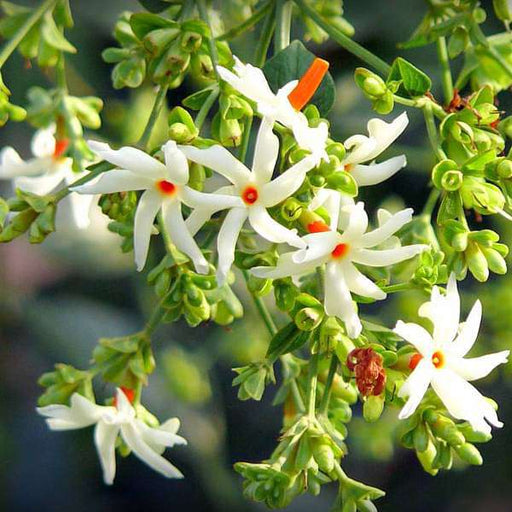
View full detailsCombo Constituents Includes the Parijat Tree (Night-Flowering Jasmine), a culturally significant plant with fragrant flowers. Description The Pari...
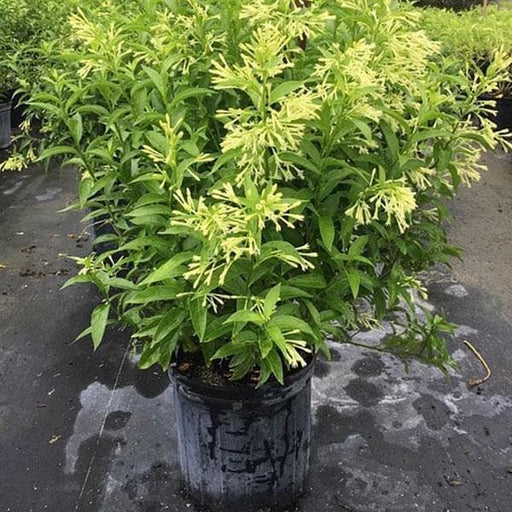
View full detailsDescription Raat Ki Rani (*Cestrum nocturnum*), also known as Night Blooming Jasmine, is a fragrant shrub native to the Caribbean and Central Ameri...
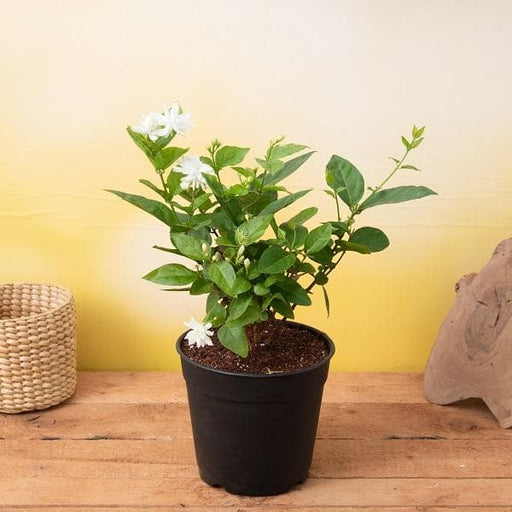
View full detailsJasminum sambac, Mogra, Arabian Jasmine - Plant Jasminum sambac, commonly known as Mogra or Arabian Jasmine, is a fragrant flowering plant...
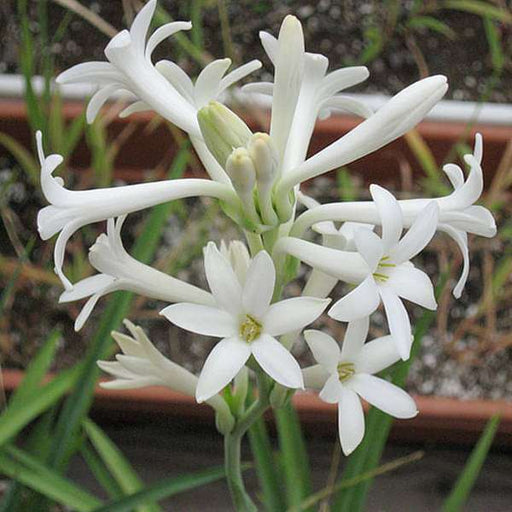
View full detailsRajnigandha, Tuberose - Plant The Rajnigandha, scientifically known as Polianthes tuberosa, is a captivating perennial plant renowned for ...
View full detailsCitronella, Odomas - Plant The Citronella plant, scientifically known as Cymbopogon nardus, is a tropical grass renowned for its aromatic ...
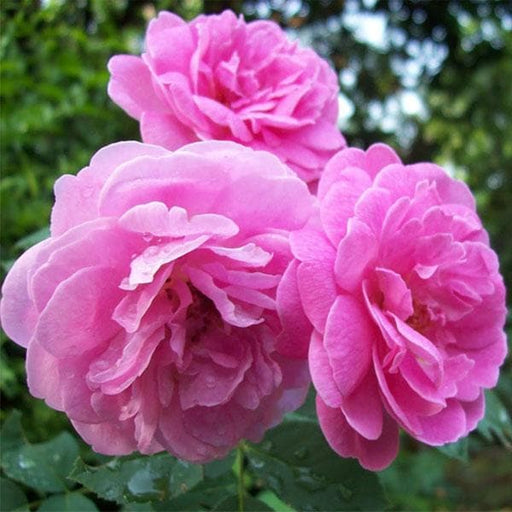
View full detailsDamascus Rose, Scented Rose (Any Color) - Plant The Damascus Rose, also known as Rosa damascena, is a timeless symbol of beauty and romanc...
View full detailsMiniature Rose, Button Rose (Any Color) - Plant The Miniature Rose, also known as the Button Rose, is a charming and compact flowering plant that ...
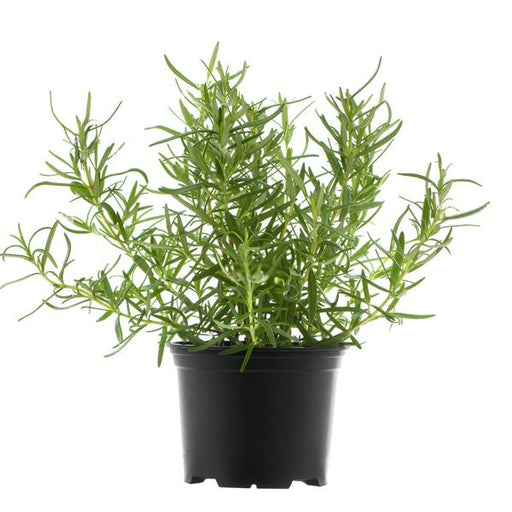
View full detailsRosemary - Plant Rosemary (Rosmarinus officinalis) is a fragrant evergreen herb native to the Mediterranean region. Known for its needle-like leav...
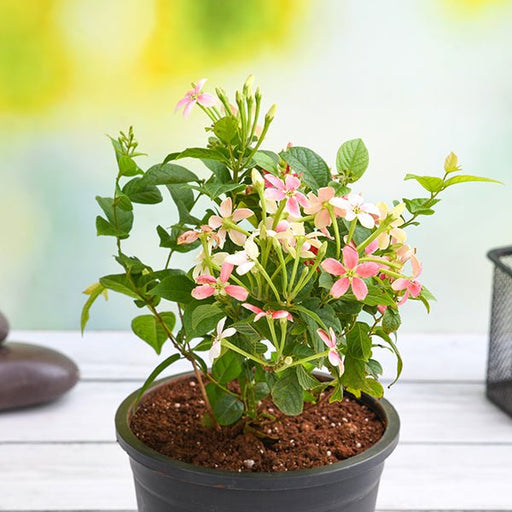
View full detailsMadhumalti Dwarf, Rangoon Creeper - Plant The Madhumalti Dwarf, also known as the Rangoon Creeper (Quisqualis indica), is a stunning perennial vin...
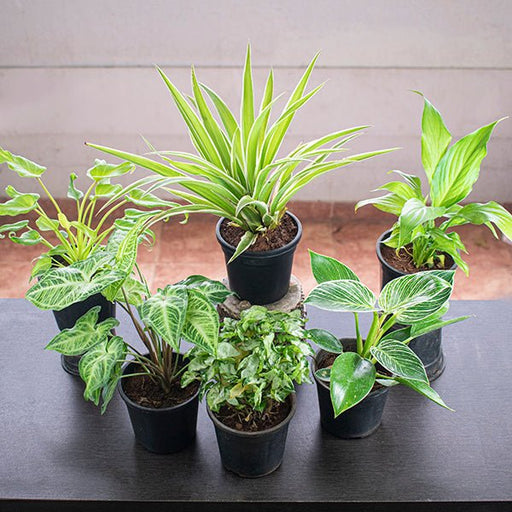
View full detailsBest 6 Plants for Perfect Indoor Garden Transform your living space into a lush oasis with our curated collection of the Best 6 Plants for a...
View full detailsBest 6 Plants for Perfect Indoor Garden Transform your living space into a lush oasis with our curated collection of the Best 6 Plants for a...
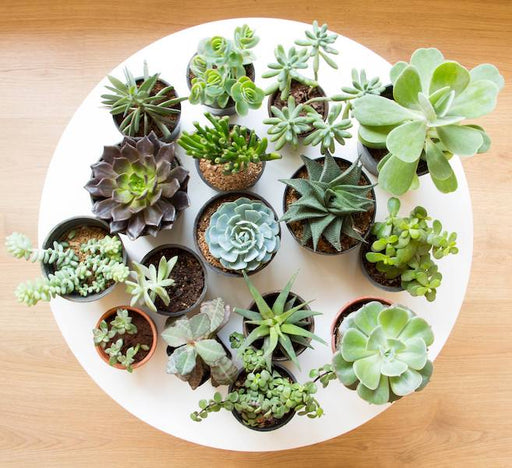
View full detailsMini Succulent Garden Pack Transform your space with our Mini Succulent Garden Pack, featuring a delightful collection of 4 any variety beautiful s...
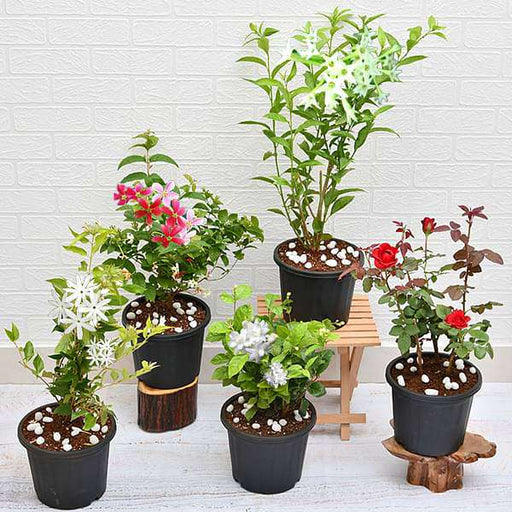
View full details5 Best Fragrant Plants Transform your garden or indoor space into a fragrant paradise with our curated selection of the 5 Best Fragrant Plants. Th...
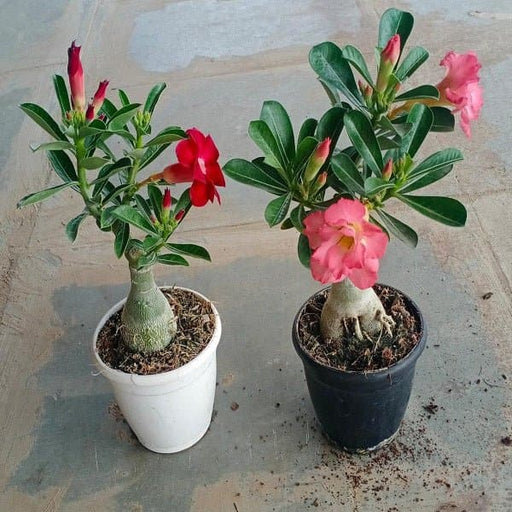
View full detailsSet of 2 Bonsai Looking Grafted Adeniums Transform your indoor or outdoor space with our exquisite Set of 2 Bonsai Looking Grafted Adenium...
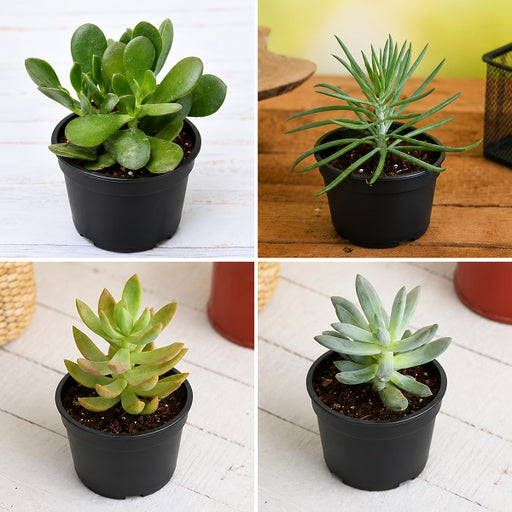
View full detailsTop 4 Die Hard Succulents Pack Note: Plants included in this pack will be delivered in a 3-inch nursery pot (any color). Transform your indoor or ...
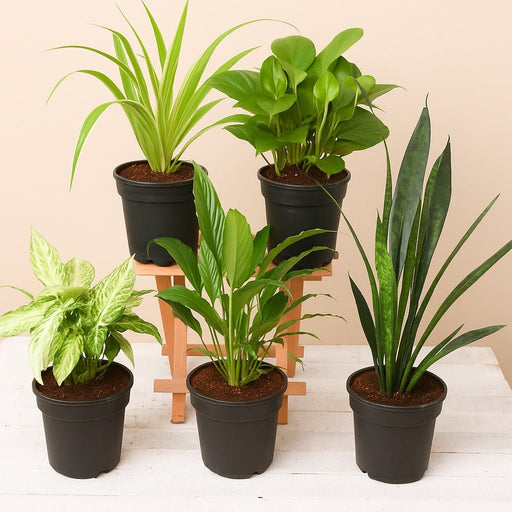
View full details5 Best Indoor Plants Pack Transform your living space into a lush oasis with our '5 Best Indoor Plants Pack.' This carefully curated collection fe...
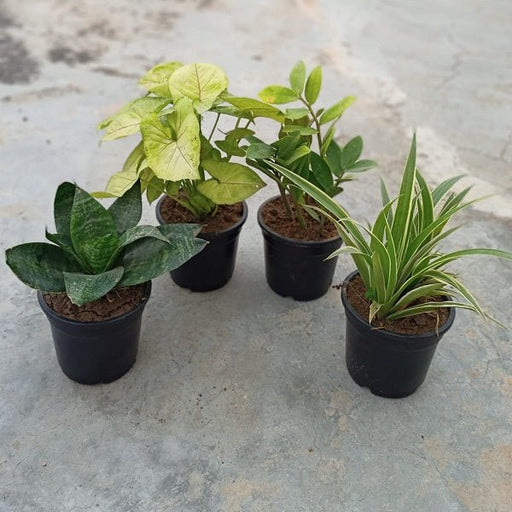
View full detailsSet of 4 Evergreen Air Purifier Plant Pack Transform your indoor space into a lush, green oasis with our Set of 4 Evergreen Air Purifier Pla...
View full detailsTop 5 Pollution Killer Plants Pack Transform your living space into a breath of fresh air with our 'Top 5 Pollution Killer Plants Pack'. This care...
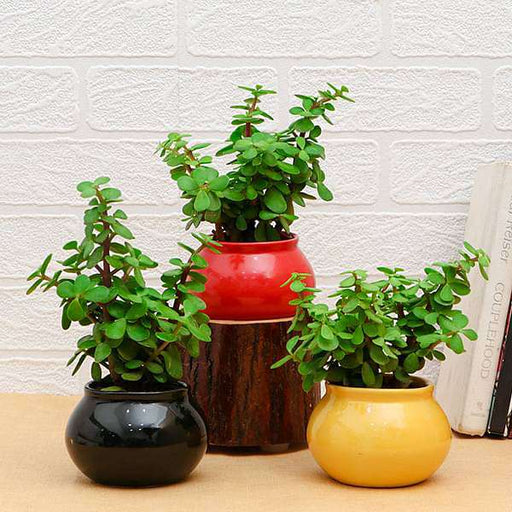
View full detailsPack of 3 Good Luck Jade Plants in Ceramic Pots Bring a touch of nature into your home with our Pack of 3 Good Luck Jade Plants, featuring...
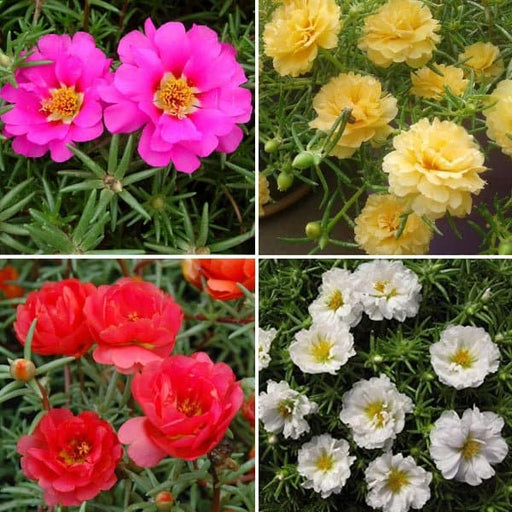
View full detailsPortulaca Garden Pack (4 Plants + 4 Black Pots) Note- You will get any color (Assorted) potted Porulaca plant with this pack. Transform your garde...
View full details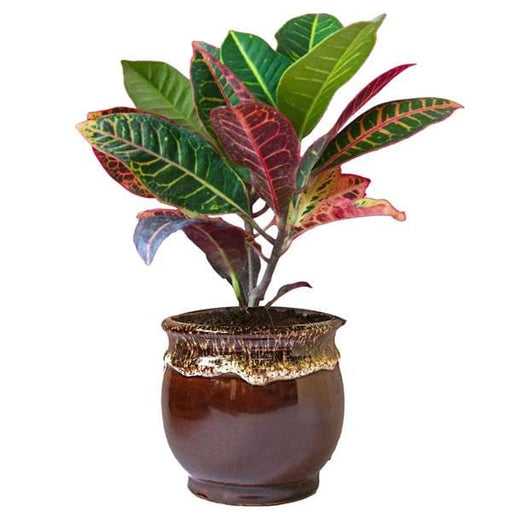





Leave a comment