
Expert Support
Available 24/7 via chat
Available 24/7 via chat
Transform your home into a lush, living garden with creeping fig—one of India's most beloved trailing houseplants. Whether you're covering a bare wall, cascading from a hanging pot, or creating a green partition, creeping fig (Ficus pumila) thrives in our diverse climate and asks for surprisingly little in return. This guide will help you grow it successfully and enjoy years of verdant foliage that brings natural beauty and a touch of serenity to any space.
Creeping fig, botanically known as Ficus pumila and also called climbing fig, is a delicate yet hardy foliage creeper that has earned its reputation as a best-selling trailing plant across Indian gardens. Native to tropical regions, it adapts beautifully to our climate, growing slowly but steadily to create stunning green drapes on walls, trellises, and hanging baskets.
When you bring home a young creeping fig from Nurserylive, it arrives as a compact plant—typically 9 inches (23 cm) in height with a 4-inch (10 cm) spread. This modest beginning belies its potential: given time and proper care, creeping fig can climb or trail up to 3.9 metres, making it an excellent choice for covering large wall spaces or creating living green walls. What's more, it rarely blooms indoors, so you're getting pure, uninterrupted foliage beauty without the complications of flowering.
| Care Factor | Requirements |
|---|---|
| Light | Bright but indirect sunlight |
| Watering | Keep soil moist but not wet |
| Soil | Well-drained soil |
| Temperature | 13-24°C (Prefers cooler; protect from extreme summer heat) |
Creeping fig thrives in bright but indirect sunlight. In India, this means placing it where it receives filtered light—ideally near an east or north-facing window where morning sun enters but afternoon heat is diffused. During our intense summer months, avoid placing it in direct sun, which can scorch the delicate leaves and cause them to turn pale or brown.
If you're growing creeping fig as a living wall indoors or in a shaded corridor, it will tolerate lower light conditions better than many houseplants, though growth will slow. In dim corners, you may notice leaf drop; simply ensure it gets at least a few hours of dappled or ambient bright light daily. The key is brightness without intensity.
One of creeping fig's greatest strengths is that it thrives in low water—a blessing in India's water-conscious gardening climate. Keep the soil consistently moist but not wet. This means:
The beauty of creeping fig's low-water need means it forgives occasional missed waterings—ideal for busy households or those managing water shortages during dry seasons.
Well-drained soil is essential for creeping fig's success. Use a light, airy potting mix by combining regular potting soil with sand or perlite in a 2:1 ratio. This ensures water moves through quickly, preventing the moisture buildup that causes fungal problems in India's humid monsoon season.
Feeding is simple: apply any organic fertilizer during the growing season (spring and summer). A balanced organic fertilizer, well-composted kitchen waste, or neem cake works beautifully. Fertilize once a month during active growth, and skip feeding in winter when growth naturally slows. Organic fertilizers are gentler on the plant and soil ecosystem, supporting long-term plant health and sustainability.
Creeping fig prefers temperatures between 13-24°C, ideally in the cooler range. In much of India, this means it will thrive during winter and monsoon but needs protection from peak summer heat (40°C+). During scorching months:
Higher humidity is actually beneficial—monsoons, with their ambient moisture, are creeping fig's favorite season. If your home is very dry (common near heating units in cooler months), mist leaves regularly to maintain humidity around 50-70%, which also keeps pests like spider mites at bay.
Creeping fig propagates easily from stem cuttings, making it perfect for expanding your collection or gifting to fellow plant parents:
Spring and early monsoon are the best times to propagate, when warmth and humidity favor root development.
Creeping fig is generally easy to grow, but watch for these issues common in Indian conditions:
Ready to grow your own? Shop Creeping fig at Nurserylive →
Creeping Fig Plant, Ficus pumila The Creeping Fig, scientifically known as Ficus pumila, is a versatile and resilient climbing plant nativ...
View full detailsCombo Constituents Includes the Parijat Tree (Night-Flowering Jasmine), a culturally significant plant with fragrant flowers. Description The Pari...
View full detailsDescription Raat Ki Rani (*Cestrum nocturnum*), also known as Night Blooming Jasmine, is a fragrant shrub native to the Caribbean and Central Ameri...
View full detailsJasminum sambac, Mogra, Arabian Jasmine - Plant Jasminum sambac, commonly known as Mogra or Arabian Jasmine, is a fragrant flowering plant...
View full detailsRajnigandha, Tuberose - Plant The Rajnigandha, scientifically known as Polianthes tuberosa, is a captivating perennial plant renowned for ...
View full detailsCitronella, Odomas - Plant The Citronella plant, scientifically known as Cymbopogon nardus, is a tropical grass renowned for its aromatic ...
View full detailsDamascus Rose, Scented Rose (Any Color) - Plant The Damascus Rose, also known as Rosa damascena, is a timeless symbol of beauty and romanc...
View full detailsMiniature Rose, Button Rose (Any Color) - Plant The Miniature Rose, also known as the Button Rose, is a charming and compact flowering plant that ...
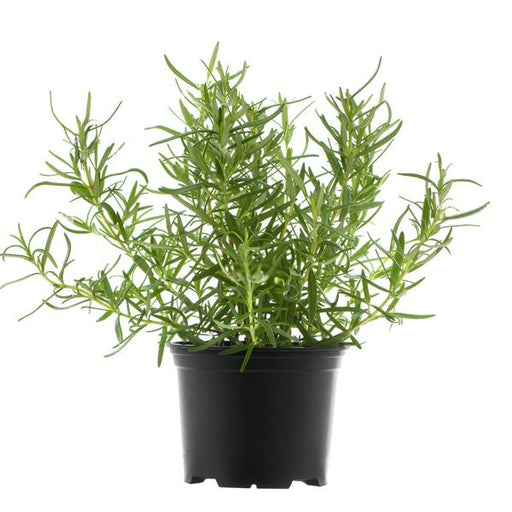
View full detailsRosemary - Plant Rosemary (Rosmarinus officinalis) is a fragrant evergreen herb native to the Mediterranean region. Known for its needle-like leav...
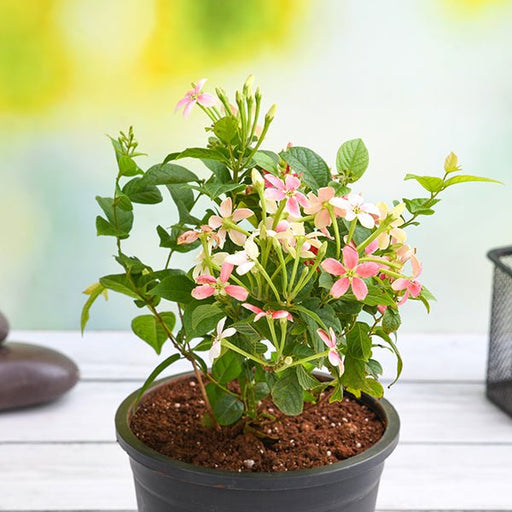
View full detailsMadhumalti Dwarf, Rangoon Creeper - Plant The Madhumalti Dwarf, also known as the Rangoon Creeper (Quisqualis indica), is a stunning perennial vin...
View full detailsBest 6 Plants for Perfect Indoor Garden Transform your living space into a lush oasis with our curated collection of the Best 6 Plants for a...
View full detailsBest 6 Plants for Perfect Indoor Garden Transform your living space into a lush oasis with our curated collection of the Best 6 Plants for a...
View full detailsMini Succulent Garden Pack Transform your space with our Mini Succulent Garden Pack, featuring a delightful collection of 4 any variety beautiful s...
View full details5 Best Fragrant Plants Transform your garden or indoor space into a fragrant paradise with our curated selection of the 5 Best Fragrant Plants. Th...
View full detailsSet of 2 Bonsai Looking Grafted Adeniums Transform your indoor or outdoor space with our exquisite Set of 2 Bonsai Looking Grafted Adenium...
View full detailsTop 4 Die Hard Succulents Pack Note: Plants included in this pack will be delivered in a 3-inch nursery pot (any color). Transform your indoor or ...
View full details5 Best Indoor Plants Pack Transform your living space into a lush oasis with our '5 Best Indoor Plants Pack.' This carefully curated collection fe...
View full detailsSet of 4 Evergreen Air Purifier Plant Pack Transform your indoor space into a lush, green oasis with our Set of 4 Evergreen Air Purifier Pla...
View full detailsTop 5 Pollution Killer Plants Pack Transform your living space into a breath of fresh air with our 'Top 5 Pollution Killer Plants Pack'. This care...
View full detailsPack of 3 Good Luck Jade Plants in Ceramic Pots Bring a touch of nature into your home with our Pack of 3 Good Luck Jade Plants, featuring...
View full detailsPortulaca Garden Pack (4 Plants + 4 Black Pots) Note- You will get any color (Assorted) potted Porulaca plant with this pack. Transform your garde...
View full details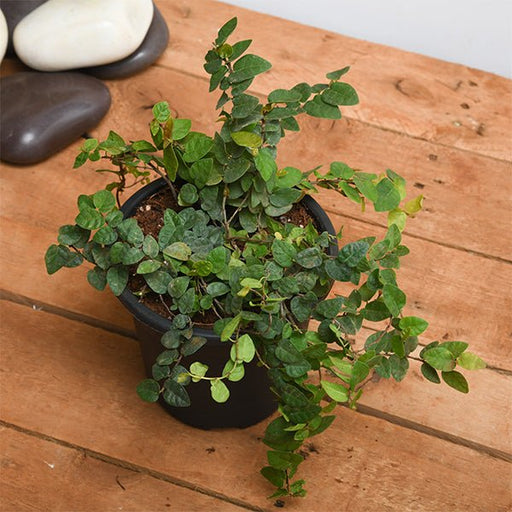





















Leave a comment