
Expert Support
Available 24/7 via chat
Available 24/7 via chat
Mint is one of the easiest kitchen herbs to grow in India, thriving in containers on your balcony or a small patch of garden soil. Whether you call it pudina, phudina, or mint, this fragrant edible herb is a staple in Indian kitchens—perfect for chutneys, chai, beverages, and fresh garnishes. If you can provide basic sunlight, water it moderately, and use simple loamy soil, you'll have continuous fresh mint at your fingertips. The beauty of mint is that it doesn't demand fussy care, making it ideal for both beginner gardeners and those short on space.
Common mint is a hardy, perennial herb known for its fragrant foliage and forgiving nature. When you bring home a young plant, it arrives at around 12 inches (30 cm) tall with a spread of about 5 inches (13 cm). With proper care, your mint plant can grow up to 2 feet in height, giving you abundant foliage to harvest. The plant produces delicate flowers ranging from white to purple, though most gardeners pinch off buds to encourage bushier leaf growth and maximize leaf production. Mint is classified as easy to grow, making it an ideal first herb even for absolute beginners.
| Care Aspect | Requirements |
|---|---|
| Light | Full to partial sunlight (3-8 hours daily) |
| Watering | Moderate—keep soil evenly moist, not waterlogged |
| Soil | Loamy soil with good drainage |
| Temperature | 20 to 35°C (thrives across Indian seasons) |
Mint is flexible with light requirements and performs well in both full sunlight and partial shade. In India's intense summer, especially in regions like Delhi, Mumbai, and Bangalore, afternoon shade is actually beneficial—it reduces water stress and prevents leaf burn. Ideally, give your mint 6-8 hours of sunlight daily for robust, aromatic foliage. In winter or during monsoon when sunlight is limited, ensure it gets at least 3-4 hours of direct light. Container-grown mint is highly adaptable; you can easily move pots to sunnier or shadier spots depending on the season and your local climate.
Water your mint moderately—the key is keeping the soil consistently moist without waterlogging. During India's hot months (April to June), mint in containers may need daily watering as soil dries faster in heat and sun. During monsoon, reduce watering frequency and always ensure pots have drainage holes to prevent root rot from excess moisture. In winter, when growth slows, water less frequently but never let the soil dry out completely. Hard water, common in many Indian cities, is tolerated well by mint; collecting rainwater during monsoon is an economical and plant-friendly alternative. Always water at the base to keep foliage dry, minimizing fungal issues in humid conditions.
Mint prefers loamy soil that's well-draining and rich in organic matter. If planting in containers, mix garden loam with coir or aged compost in equal proportions to improve drainage and nutrition. Apply any organic fertilizer—well-rotted cow manure, kitchen compost, or neem-based formulations—once every 4-6 weeks during the growing season (March to October). Avoid chemical fertilizers since mint is an edible herb and you'll harvest leaves regularly. A light top-dressing of compost every couple of months keeps soil nutrient-rich without excess feeding, which can produce rank growth with weak flavor.
Common mint thrives in temperatures between 20 to 35°C, aligning perfectly with India's climate across most regions and seasons. It handles summer heat well, though consistent moisture and midday shade help it stress less during peak heat (April-June). Mint performs well during monsoon, provided waterlogging is avoided through proper drainage. Growth slows noticeably below 20°C and halts below 15°C—normal winter behavior in cooler regions. If you live in a hill station or experience frost, bring container mint indoors or provide frost protection. India's humidity levels, especially in coastal and monsoon-affected areas, suit mint perfectly, though good air circulation prevents fungal diseases.
Mint propagates with remarkable ease, making it economical to expand your supply. The simplest method is stem cuttings: snip 3-4 inch pieces from a healthy plant and place them in water or moist soil. Within 7-10 days, roots develop; within a few weeks, new plants are ready for potting into soil. You can also divide established mint by carefully separating root clumps and repotting them individually; division works best in spring (March-April) or after monsoon. Regular harvesting naturally encourages branching, so the cuttings you collect during kitchen use can be easily rooted, turning routine harvesting into effortless propagation.
Despite being hardy, mint faces occasional challenges in Indian conditions. Powdery mildew appears in humid monsoon months if air circulation is poor; improve spacing and reduce foliage wetness to manage it. Mint rust, a fungal disease showing orange-brown spots, thrives in wet conditions—remove affected leaves and allow the plant to dry between waterings. Spider mites and aphids occasionally attack stressed plants, especially indoors; spray with water or use organic neem oil if infestation is heavy. Overwatering is the most common killer, causing root rot; always ensure good drainage in pots. If stems turn brown and wilt at the base despite wet soil, root rot has advanced; propagate fresh plants from cuttings rather than trying to save the original.
Ready to grow your own? Shop Common Mint at Nurserylive →
Common Mint Plant, Pudina - Plant The Common Mint Plant, also known as Pudina, is a fragrant herb belonging to the Lamiaceae family. Renow...
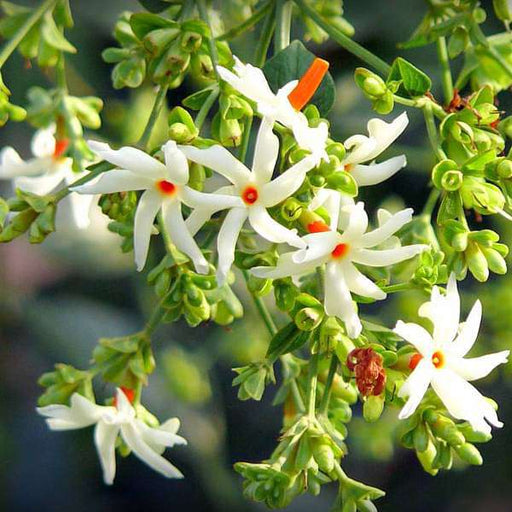
View full detailsCombo Constituents Includes the Parijat Tree (Night-Flowering Jasmine), a culturally significant plant with fragrant flowers. Description The Pari...
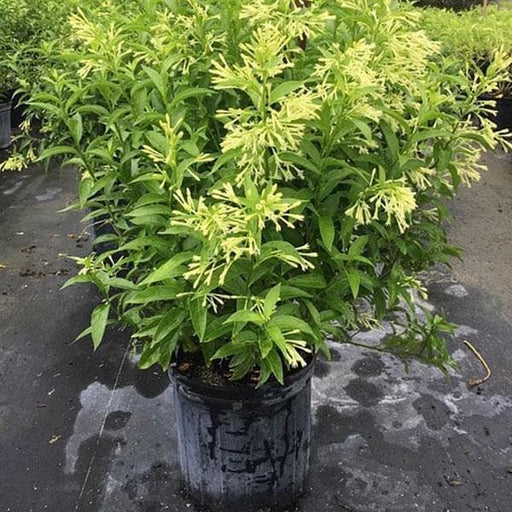
View full detailsDescription Raat Ki Rani (*Cestrum nocturnum*), also known as Night Blooming Jasmine, is a fragrant shrub native to the Caribbean and Central Ameri...
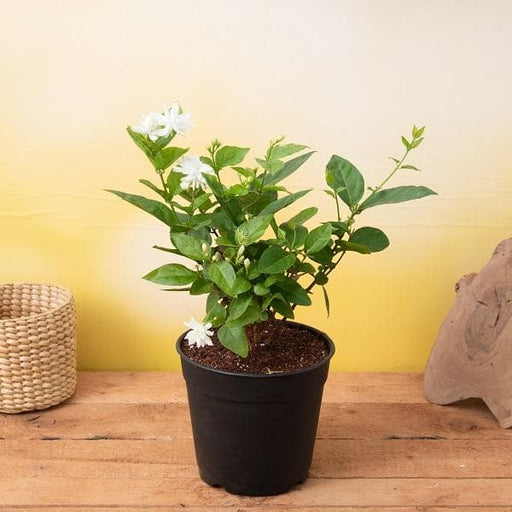
View full detailsJasminum sambac, Mogra, Arabian Jasmine - Plant Jasminum sambac, commonly known as Mogra or Arabian Jasmine, is a fragrant flowering plant...
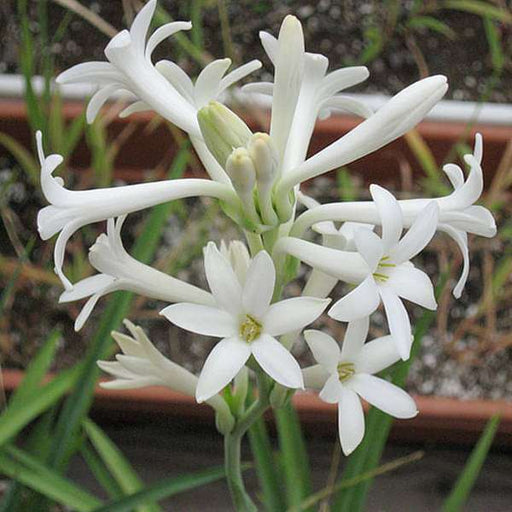
View full detailsRajnigandha, Tuberose - Plant The Rajnigandha, scientifically known as Polianthes tuberosa, is a captivating perennial plant renowned for ...
View full detailsCitronella, Odomas - Plant The Citronella plant, scientifically known as Cymbopogon nardus, is a tropical grass renowned for its aromatic ...
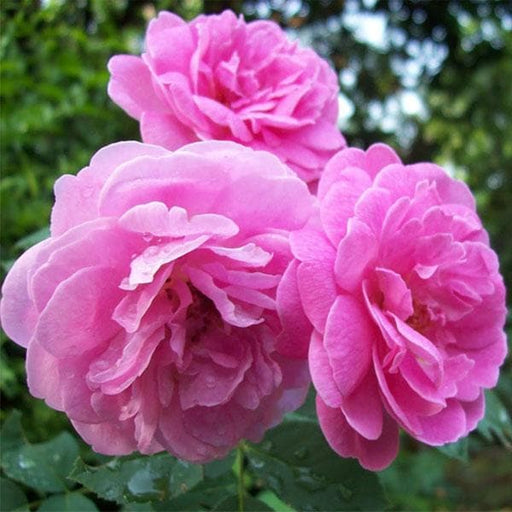
View full detailsDamascus Rose, Scented Rose (Any Color) - Plant The Damascus Rose, also known as Rosa damascena, is a timeless symbol of beauty and romanc...
View full detailsMiniature Rose, Button Rose (Any Color) - Plant The Miniature Rose, also known as the Button Rose, is a charming and compact flowering plant that ...
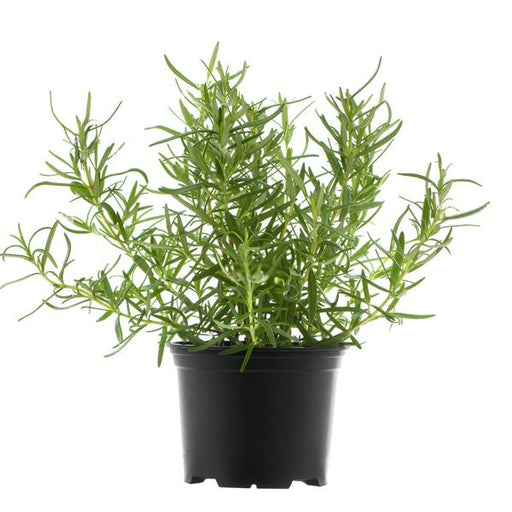
View full detailsRosemary - Plant Rosemary (Rosmarinus officinalis) is a fragrant evergreen herb native to the Mediterranean region. Known for its needle-like leav...
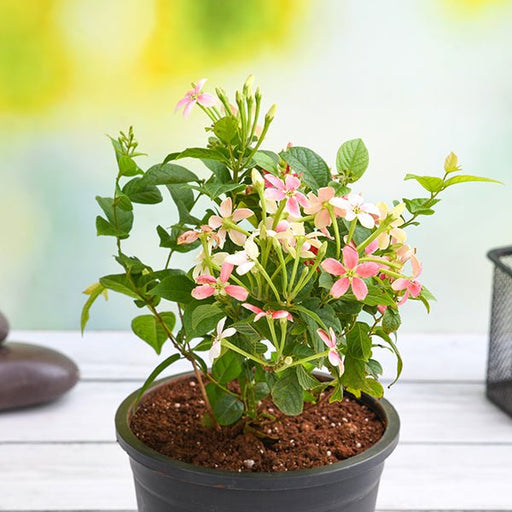
View full detailsMadhumalti Dwarf, Rangoon Creeper - Plant The Madhumalti Dwarf, also known as the Rangoon Creeper (Quisqualis indica), is a stunning perennial vin...
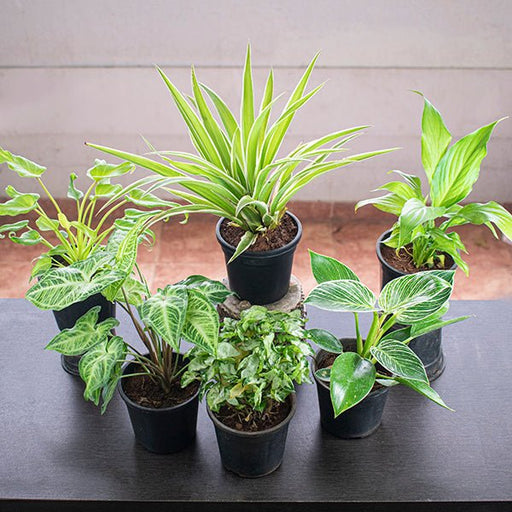
View full detailsBest 6 Plants for Perfect Indoor Garden Transform your living space into a lush oasis with our curated collection of the Best 6 Plants for a...
View full detailsBest 6 Plants for Perfect Indoor Garden Transform your living space into a lush oasis with our curated collection of the Best 6 Plants for a...
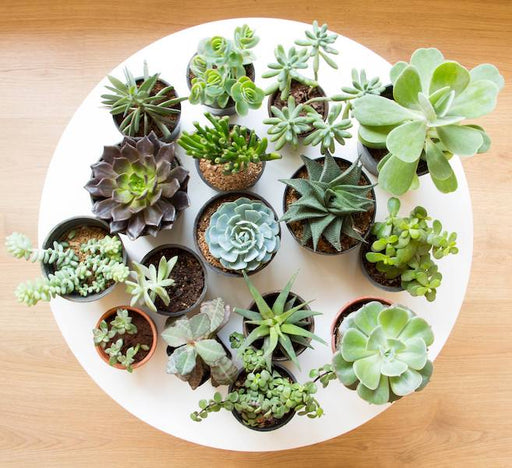
View full detailsMini Succulent Garden Pack Transform your space with our Mini Succulent Garden Pack, featuring a delightful collection of 4 any variety beautiful s...
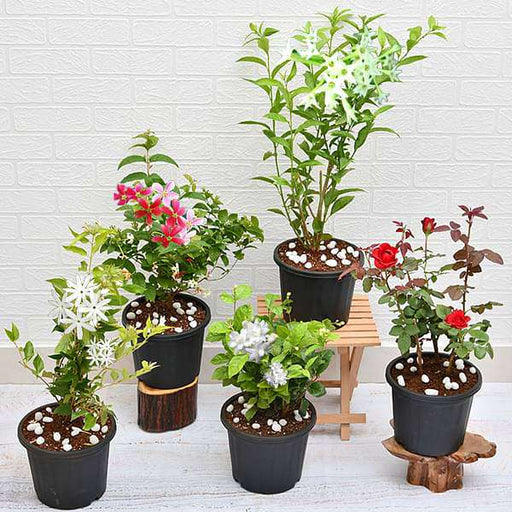
View full details5 Best Fragrant Plants Transform your garden or indoor space into a fragrant paradise with our curated selection of the 5 Best Fragrant Plants. Th...
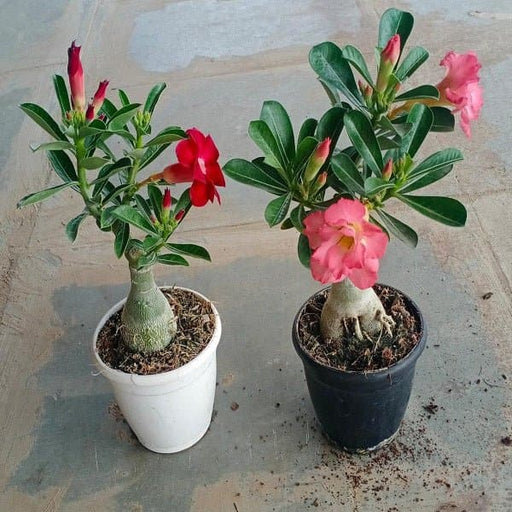
View full detailsSet of 2 Bonsai Looking Grafted Adeniums Transform your indoor or outdoor space with our exquisite Set of 2 Bonsai Looking Grafted Adenium...
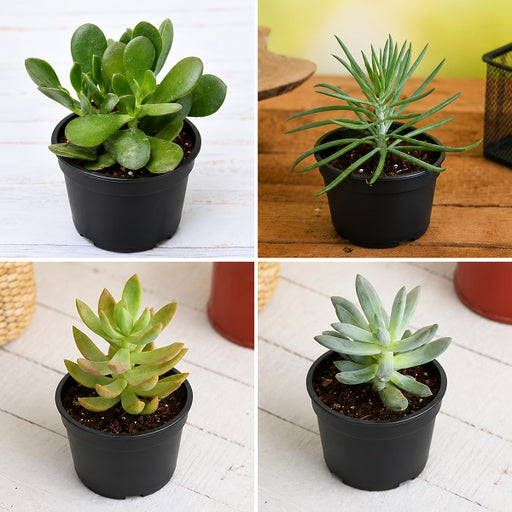
View full detailsTop 4 Die Hard Succulents Pack Note: Plants included in this pack will be delivered in a 3-inch nursery pot (any color). Transform your indoor or ...
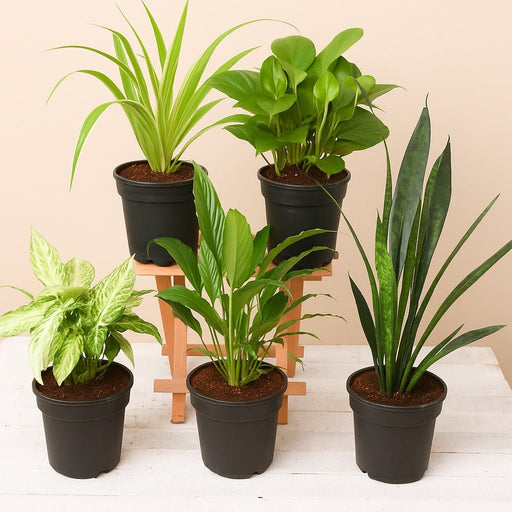
View full details5 Best Indoor Plants Pack Transform your living space into a lush oasis with our '5 Best Indoor Plants Pack.' This carefully curated collection fe...
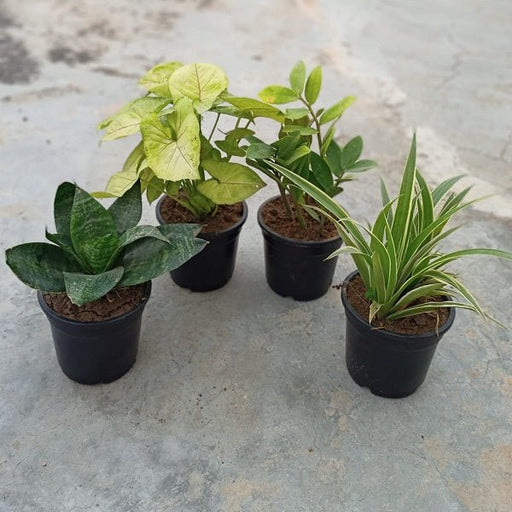
View full detailsSet of 4 Evergreen Air Purifier Plant Pack Transform your indoor space into a lush, green oasis with our Set of 4 Evergreen Air Purifier Pla...
View full detailsTop 5 Pollution Killer Plants Pack Transform your living space into a breath of fresh air with our 'Top 5 Pollution Killer Plants Pack'. This care...
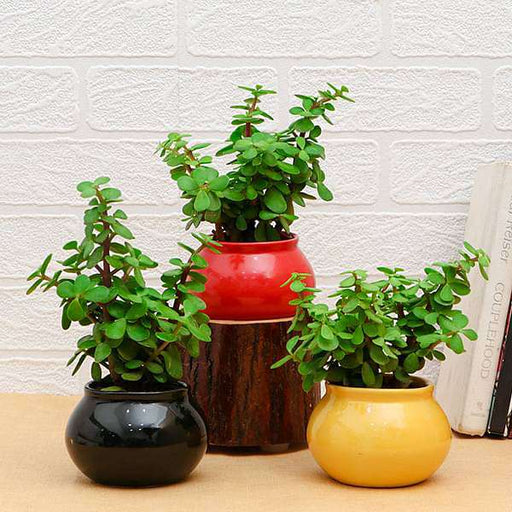
View full detailsPack of 3 Good Luck Jade Plants in Ceramic Pots Bring a touch of nature into your home with our Pack of 3 Good Luck Jade Plants, featuring...
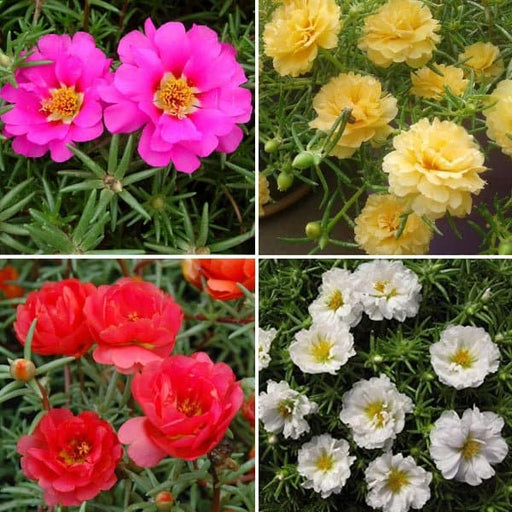
View full detailsPortulaca Garden Pack (4 Plants + 4 Black Pots) Note- You will get any color (Assorted) potted Porulaca plant with this pack. Transform your garde...
View full details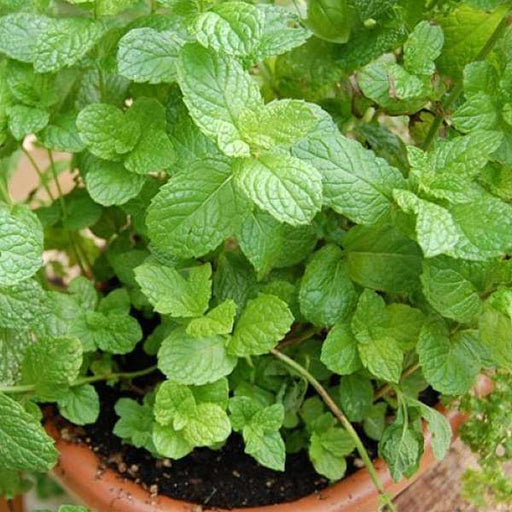






Leave a comment