
Expert Support
Available 24/7 via chat
Available 24/7 via chat
Clitoria Ternatea, known across India as Aparajita or Gokarna, is one of our best-selling blue climbers and for good reason. With its vibrant blue flowers and easy-to-grow nature, this perennial brings garden-fresh elegance to balconies, patios, and garden spaces across the country. Whether you're a seasoned gardener or just starting out, this care guide will help you grow a healthy, flourishing butterfly pea vine that rewards you with stunning blooms.
Clitoria Ternatea is a versatile and beloved perennial climber that has become a gardening favorite in India. Called by many names—Aparajita (the "unconquerable one" in Sanskrit), Gokarna, butterfly pea, blue pea, Asian pigeonwings, cordofan pea, or Darwin pea—this climbing beauty produces distinctive blue flowers that attract butterflies and pollinators. When you receive your plant from us, it arrives as a compact 12-inch (30 cm) specimen with a 5-inch (13 cm) spread, but don't let its modest initial size fool you. Given proper care and support, Clitoria Ternatea grows into a vigorous climber reaching 15 to 25 feet in height, making it an excellent choice for creating living walls, trellises, or screening. The plant is particularly suited to Indian conditions—it thrives during the monsoon season and handles our heat remarkably well.
| Care Aspect | Details |
|---|---|
| Light | Bright natural light |
| Water | When top 1–2 inches of soil feel dry; water thoroughly in summer |
| Soil | Well-draining and nutrient-rich |
| Temperature | 19–28°C (66–82°F) |
Clitoria Ternatea performs best with bright, natural light. Position your plant where it receives ample sunlight throughout the day. If you're growing it in a pot on a balcony or near a window, ensure the location gets at least 4–6 hours of direct or bright indirect light daily. In regions with intense summer heat, some afternoon shade can prevent stress, but avoiding shade entirely will lead to fewer flowers and leggy growth. For indoor gardening, place your butterfly pea vine near a bright window or in a well-lit corner of your home.
Proper watering is key to success. Water your Clitoria Ternatea when the top 1 to 2 inches of soil in the pot feel dry to the touch. Avoid overwatering, which can lead to root rot—a common problem in India's humid monsoon months. During summer, increase watering frequency and water thoroughly to support the plant's vigorous growth, but always allow the soil to dry slightly between waterings. In the monsoon season, you may need to water less often as natural rainfall supplements your irrigation. Monitor the soil moisture carefully and adjust your watering schedule based on weather conditions and how quickly your potting mix dries out.
Clitoria Ternatea thrives in well-draining, nutrient-rich soil. Use a high-quality potting mix that combines peat, perlite, or coarse sand to ensure water doesn't stagnate around the roots. If planting in the ground, amend heavy clay soils with compost and sand to improve drainage. Feed your plant with any organic fertilizer during the growing season—typically March through October in India. A balanced feed supports steady growth and flowering. Apply fertilizer every 4–6 weeks, following package instructions. Organic options like vermicompost or neem cake are particularly effective and gentle on the plant.
Your butterfly pea vine prefers temperatures between 19 and 28°C (66–82°F), a range that aligns well with most of India's climate zones. The plant thrives in the warm, humid conditions of the monsoon season, making it perfectly suited to the Indian subcontinent. Hot, dry spells can stress the plant, so ensure adequate watering during peak summer. High humidity is generally beneficial; if you're in a drier region or during winter months when humidity drops, occasional misting can help. Avoid exposing the plant to frost—it prefers warm conditions year-round.
Clitoria Ternatea is easy to propagate, making it simple to expand your collection. Seeds are the most reliable method for home gardeners. Collect mature seed pods from established plants, extract the seeds, and soak them in lukewarm water for a few hours before sowing in moist, well-draining seed-raising mix. Keep the soil consistently moist until germination occurs. Cuttings can also be propagated during the growing season, though seeds tend to germinate more readily. Since this is an easy-to-grow perennial, even beginners see good success with propagation.
Clitoria Ternatea is generally hardy, but watch for these issues:
Ready to grow your own? Shop Clitoria Ternatea at Nurserylive →
Clitoria Ternatea, Gokarna (Blue) - Plant Discover the enchanting Clitoria Ternatea, commonly known as Gokarna or Butterfly Pea, a stunnin...
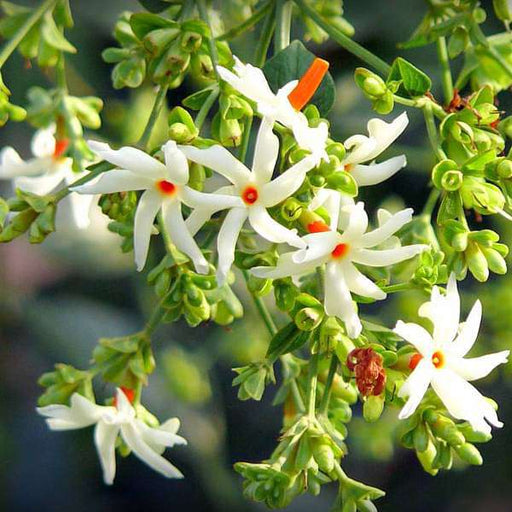
View full detailsCombo Constituents Includes the Parijat Tree (Night-Flowering Jasmine), a culturally significant plant with fragrant flowers. Description The Pari...
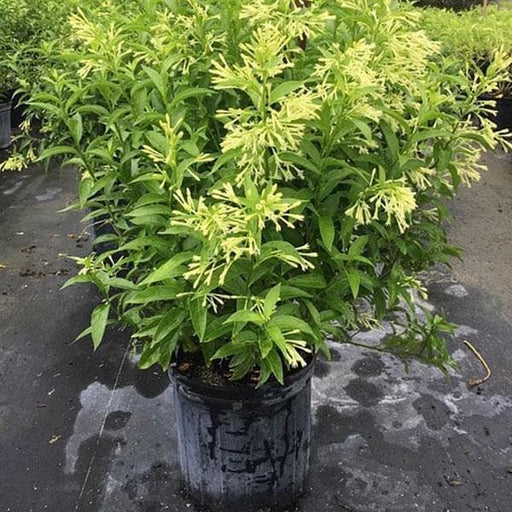
View full detailsDescription Raat Ki Rani (*Cestrum nocturnum*), also known as Night Blooming Jasmine, is a fragrant shrub native to the Caribbean and Central Ameri...
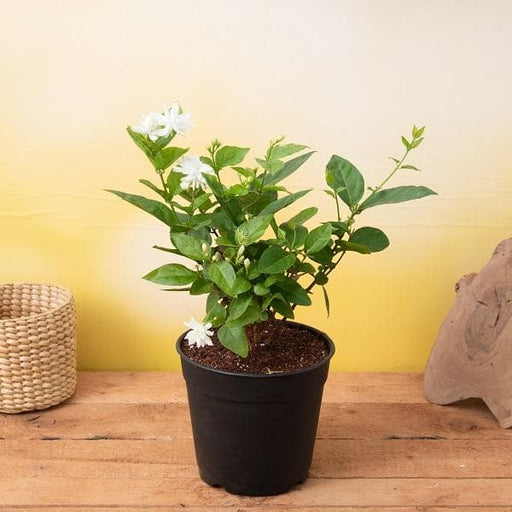
View full detailsJasminum sambac, Mogra, Arabian Jasmine - Plant Jasminum sambac, commonly known as Mogra or Arabian Jasmine, is a fragrant flowering plant...
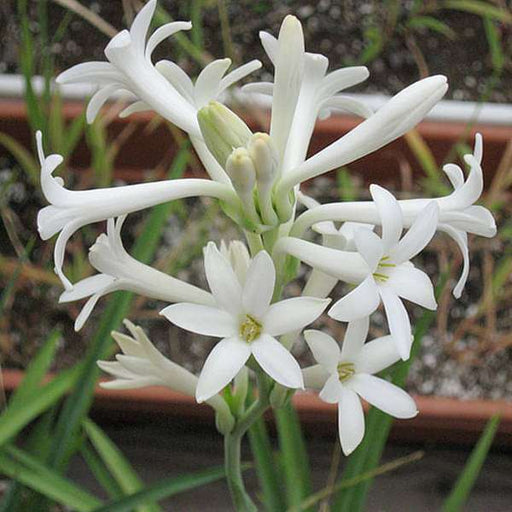
View full detailsRajnigandha, Tuberose - Plant The Rajnigandha, scientifically known as Polianthes tuberosa, is a captivating perennial plant renowned for ...
View full detailsCitronella, Odomas - Plant The Citronella plant, scientifically known as Cymbopogon nardus, is a tropical grass renowned for its aromatic ...
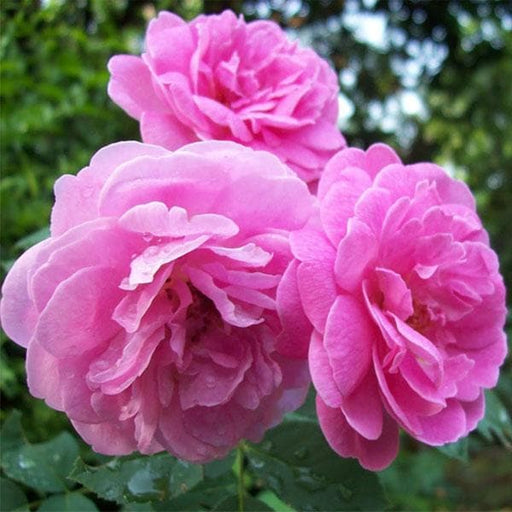
View full detailsDamascus Rose, Scented Rose (Any Color) - Plant The Damascus Rose, also known as Rosa damascena, is a timeless symbol of beauty and romanc...
View full detailsMiniature Rose, Button Rose (Any Color) - Plant The Miniature Rose, also known as the Button Rose, is a charming and compact flowering plant that ...
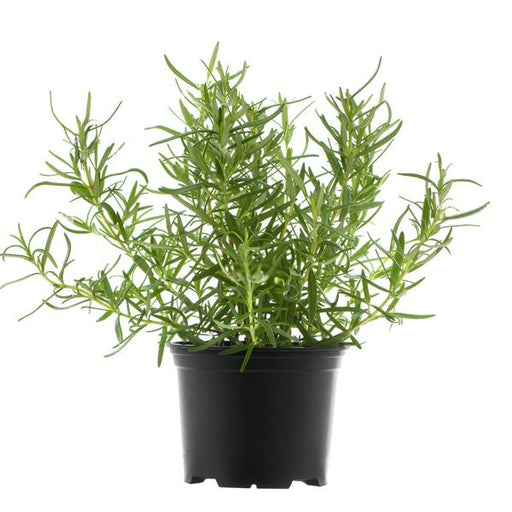
View full detailsRosemary - Plant Rosemary (Rosmarinus officinalis) is a fragrant evergreen herb native to the Mediterranean region. Known for its needle-like leav...
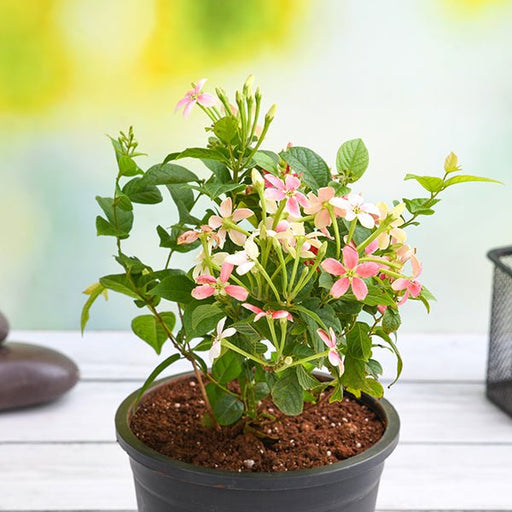
View full detailsMadhumalti Dwarf, Rangoon Creeper - Plant The Madhumalti Dwarf, also known as the Rangoon Creeper (Quisqualis indica), is a stunning perennial vin...
View full detailsBest 6 Plants for Perfect Indoor Garden Transform your living space into a lush oasis with our curated collection of the Best 6 Plants for a...
View full detailsBest 6 Plants for Perfect Indoor Garden Transform your living space into a lush oasis with our curated collection of the Best 6 Plants for a...
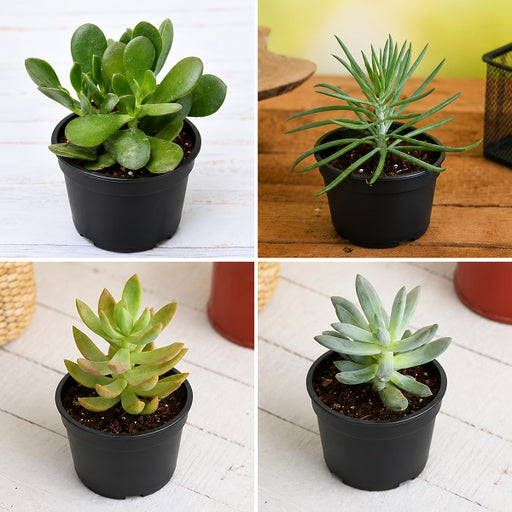
View full detailsMini Succulent Garden Pack Transform your space with our Mini Succulent Garden Pack, featuring a delightful collection of 4 any variety beautiful s...
View full details5 Best Fragrant Plants Transform your garden or indoor space into a fragrant paradise with our curated selection of the 5 Best Fragrant Plants. Th...
View full detailsSet of 2 Bonsai Looking Grafted Adeniums Transform your indoor or outdoor space with our exquisite Set of 2 Bonsai Looking Grafted Adenium...
View full detailsTop 4 Die Hard Succulents Pack Note: Plants included in this pack will be delivered in a 3-inch nursery pot (any color). Transform your indoor or ...
View full details5 Best Indoor Plants Pack Transform your living space into a lush oasis with our '5 Best Indoor Plants Pack.' This carefully curated collection fe...
View full detailsSet of 4 Evergreen Air Purifier Plant Pack Transform your indoor space into a lush, green oasis with our Set of 4 Evergreen Air Purifier Pla...
View full detailsTop 5 Pollution Killer Plants Pack Transform your living space into a breath of fresh air with our 'Top 5 Pollution Killer Plants Pack'. This care...
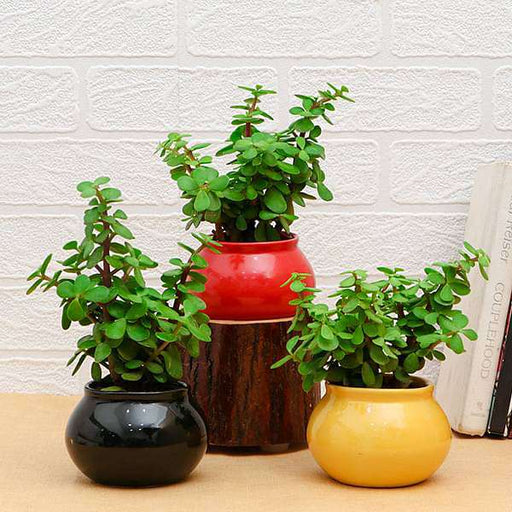
View full detailsPack of 3 Good Luck Jade Plants in Ceramic Pots Bring a touch of nature into your home with our Pack of 3 Good Luck Jade Plants, featuring...
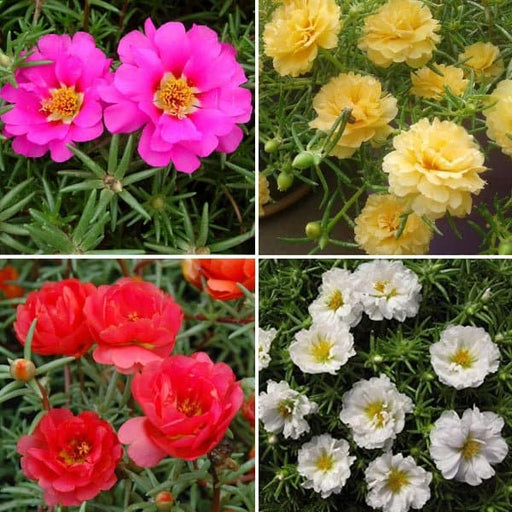
View full detailsPortulaca Garden Pack (4 Plants + 4 Black Pots) Note- You will get any color (Assorted) potted Porulaca plant with this pack. Transform your garde...
View full details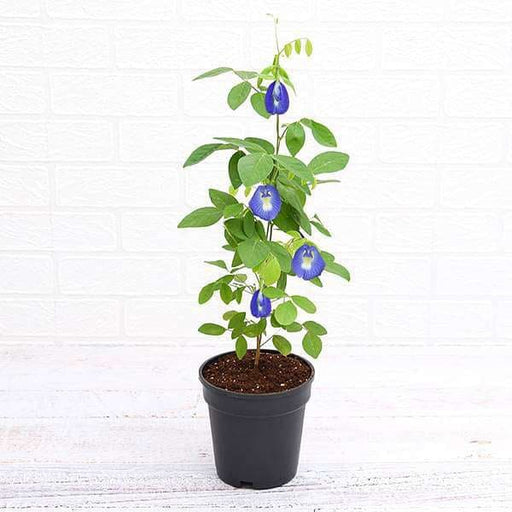












Leave a comment