
Expert Support
Available 24/7 via chat
Available 24/7 via chat
There's something truly magical about the Chuimui plant. Touch its delicate leaves, and watch them fold inward as if the plant is shy or embarrassed—a natural wonder that never fails to delight both children and gardeners. Known by many names in India—Mimosa pudica, touch-me-not, shy plant, or shame plant—this perennial flowering beauty is remarkably easy to grow, making it perfect for beginners and experienced gardeners alike. Beyond its famous touch-sensitive leaves, Chuimui blooms reliably throughout the year in India's warm climate, producing dainty pink flowers that add colour and life to your garden or indoor space. Whether you're growing it in a sunny corner, a balcony pot, or in your garden bed, Chuimui thrives in India's diverse climates with minimal fuss.
Mimosa pudica, commonly called Chuimui, is a perennial flowering plant that has become beloved across India for its unique interactive leaves. The plant typically grows to about 30 cm (12 inches) tall with a 15 cm (6 inches) spread, though under ideal conditions it can reach up to 24 inches in height. Its most distinctive feature is its nyctinastic movement: the compound leaves fold up instantly when touched, brushed by wind, or exposed to sudden darkness—a mechanism the plant uses in nature to protect itself from predators and weather stress.
As a drought-tolerant easy grower, Chuimui is classified as simple to care for, making it ideal if you're new to gardening or want a low-maintenance addition to your collection. The plant produces delicate pink flowers primarily during the summer months, though in India's warm regions it often blooms across multiple seasons. The combination of its interactive leaves and cheerful pink blooms makes it as much a conversation starter as it is a functional houseplant.
| Care Factor | Requirement |
|---|---|
| Light | Full to partial sunlight |
| Watering | Moderate; drought tolerant |
| Soil | Well-drained soil |
| Temperature | 20 to 40 degrees Celsius |
Chuimui performs best in full to partial sunlight, which in the Indian context means at least 4 to 6 hours of direct or bright indirect light daily. If you're keeping it indoors, place it near a south-facing or west-facing window where it receives good light throughout the day. In regions with intense afternoon sun—common across North and Central India during summer—partial shade during the hottest hours (2 to 5 PM) can prevent leaf scorch while still keeping the plant vibrant and responsive.
If your Chuimui is grown outdoors, gradually acclimate new plants to direct sunlight to avoid leaf burn. Conversely, insufficient light will cause the plant to become leggy (tall and sparse), with fewer leaves and reduced flowering. A plant that isn't getting enough light will also be slower to exhibit its famous touch-sensitive response, so bright conditions are essential for both aesthetic and physiological reasons.
Chuimui is moderately watered and notably drought tolerant, which makes it ideal for Indian gardens during dry spells or if you occasionally forget to water. Water the plant when the soil surface feels dry to the touch, typically once every 2 to 3 days during the growing season, depending on your local climate, humidity, and whether it's indoors or outdoors. During India's monsoon season, significantly reduce watering frequency, as excessive moisture combined with high humidity can lead to root rot and fungal issues.
Hard water, common in many parts of India, is generally not a problem for Chuimui. Always water at the base of the plant rather than on the leaves to reduce the risk of fungal disease. The soil should never be waterlogged—well-drained soil is absolutely essential to keep this plant healthy and thriving.
Chuimui thrives in well-drained soil. A good potting mix should consist of regular garden soil, coconut coir, and perlite or coarse sand in equal parts, or you can use a balanced commercial potting mix amended with sand if drainage is poor. If you're planting directly in the garden, ensure the area doesn't collect water after rain or watering, as stagnant moisture is the primary cause of problems in this plant.
Fertilize your Chuimui with organic fertilizer during the growing season (spring through early autumn). Well-decomposed compost, vermicompost, or a balanced organic fertilizer applied once a month is sufficient to support healthy growth and blooming. Avoid over-fertilizing, as this can promote excessive leaf growth at the expense of flowers. In winter, reduce or stop feeding, as the plant's growth naturally slows in cooler months.
Chuimui grows best in temperatures between 20 and 40 degrees Celsius (68 to 104 degrees Fahrenheit), a range that perfectly aligns with India's tropical and subtropical climates. This wide temperature tolerance means it thrives across most of India throughout the year without requiring artificial heating or cooling. In regions where winter temperatures drop below 15 degrees Celsius, protect the plant from frost by bringing potted plants indoors or covering garden plants during cold spells.
The plant is reasonably humidity-tolerant but prefers moderate humidity levels. During India's dry seasons, occasional misting can help, though it's not essential for survival. Ensure good air circulation around the plant to prevent fungal issues, especially during or after the monsoon when humidity is naturally high.
Chuimui is easy to propagate, reflecting its status as a beginner-friendly plant and easy grower. The most straightforward method is by seed, which germinates readily under warm conditions. Seeds can be sown directly into moist potting soil in spring; germination typically occurs within 1 to 2 weeks in India's warm climate, requiring minimal intervention.
You can also propagate from cuttings taken from healthy, mature stems. Use a rooting hormone to improve success rates, and keep the cutting in a warm, humid environment until roots develop. Both methods are reliable, and the ease of propagation means you can quickly expand your collection or share plants with fellow gardening enthusiasts in your community.
Yellowing Leaves: Often caused by overwatering or poor drainage. Check the soil moisture and ensure the pot has adequate drainage holes. Improve soil aeration and reduce watering frequency until the plant recovers.
Leggy Growth: Indicates insufficient light exposure. Move the plant to a brighter location to encourage compact, bushy growth with more leaves and flowers.
Reduced Leaf Movement: If the plant stops responding to touch, it may be stressed due to poor light, overwatering, or underfeeding. Assess and adjust growing conditions accordingly, focusing first on light and drainage.
Pest Issues: Spider mites and mealybugs can occasionally attack Chuimui, particularly in dry indoor conditions. Spray affected plants with neem oil or an insecticidal soap, and repeat as necessary every 7 to 10 days.
Ready to grow your own? Shop Chuimui at Nurserylive →
Chuimui, Touch Me Not Plant, Mimosa pudica The Chuimui, or Touch Me Not Plant (Mimosa pudica), is a fascinating perennial herb known for i...
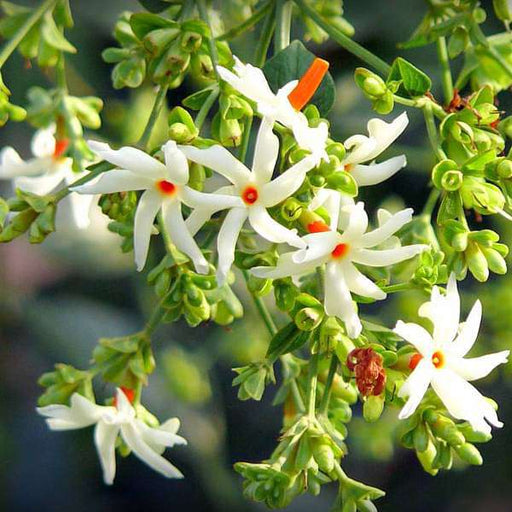
View full detailsCombo Constituents Includes the Parijat Tree (Night-Flowering Jasmine), a culturally significant plant with fragrant flowers. Description The Pari...
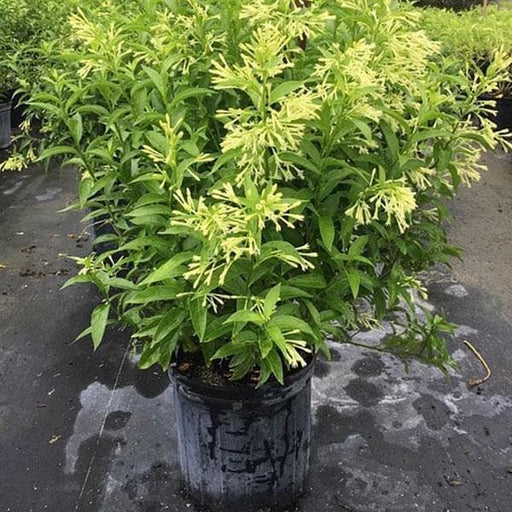
View full detailsDescription Raat Ki Rani (*Cestrum nocturnum*), also known as Night Blooming Jasmine, is a fragrant shrub native to the Caribbean and Central Ameri...
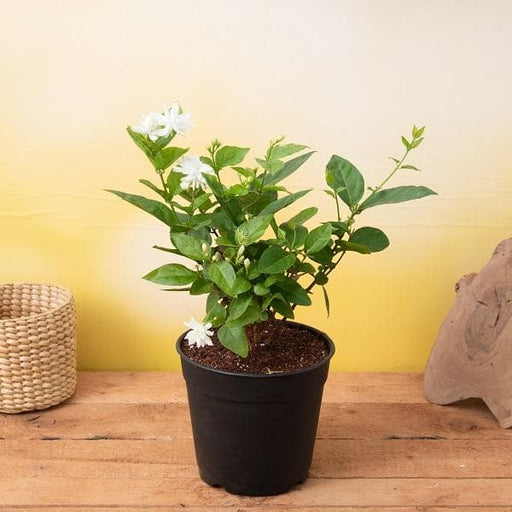
View full detailsJasminum sambac, Mogra, Arabian Jasmine - Plant Jasminum sambac, commonly known as Mogra or Arabian Jasmine, is a fragrant flowering plant...
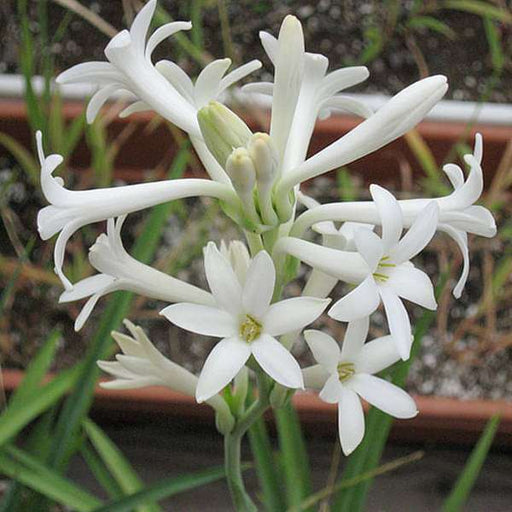
View full detailsRajnigandha, Tuberose - Plant The Rajnigandha, scientifically known as Polianthes tuberosa, is a captivating perennial plant renowned for ...
View full detailsCitronella, Odomas - Plant The Citronella plant, scientifically known as Cymbopogon nardus, is a tropical grass renowned for its aromatic ...
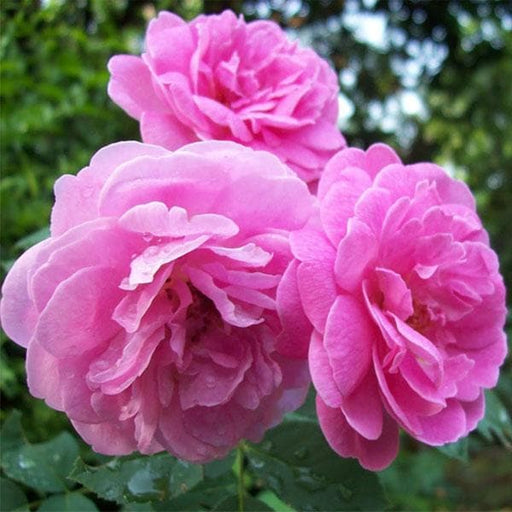
View full detailsDamascus Rose, Scented Rose (Any Color) - Plant The Damascus Rose, also known as Rosa damascena, is a timeless symbol of beauty and romanc...
View full detailsMiniature Rose, Button Rose (Any Color) - Plant The Miniature Rose, also known as the Button Rose, is a charming and compact flowering plant that ...
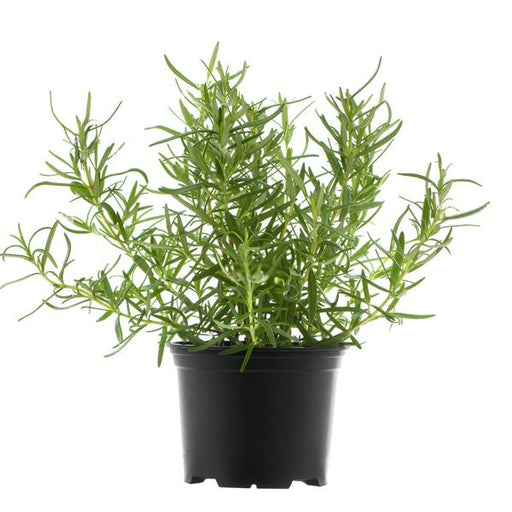
View full detailsRosemary - Plant Rosemary (Rosmarinus officinalis) is a fragrant evergreen herb native to the Mediterranean region. Known for its needle-like leav...
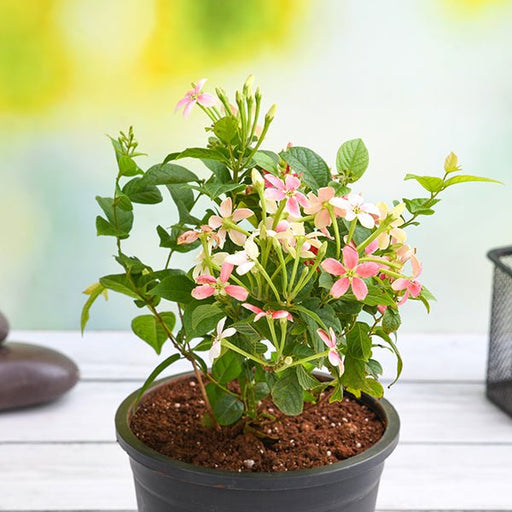
View full detailsMadhumalti Dwarf, Rangoon Creeper - Plant The Madhumalti Dwarf, also known as the Rangoon Creeper (Quisqualis indica), is a stunning perennial vin...
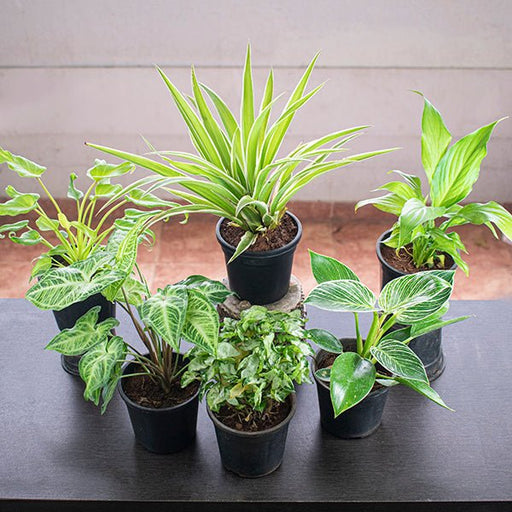
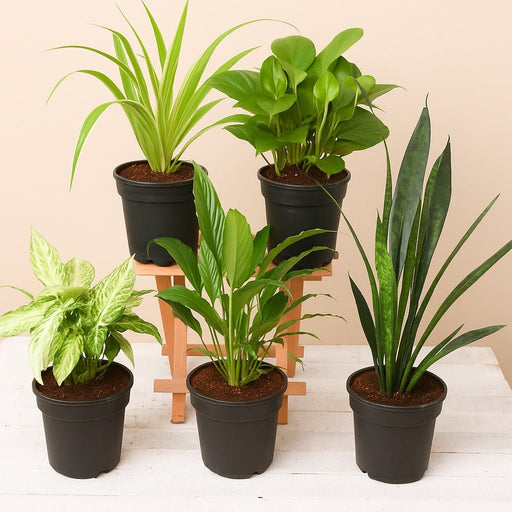
View full detailsBest 6 Plants for Perfect Indoor Garden Transform your living space into a lush oasis with our curated collection of the Best 6 Plants for a...
View full detailsBest 6 Plants for Perfect Indoor Garden Transform your living space into a lush oasis with our curated collection of the Best 6 Plants for a...
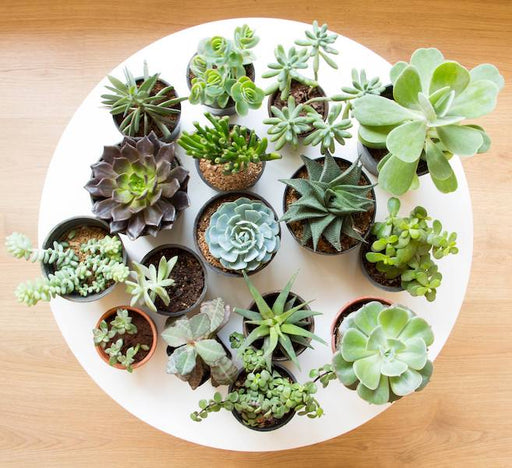
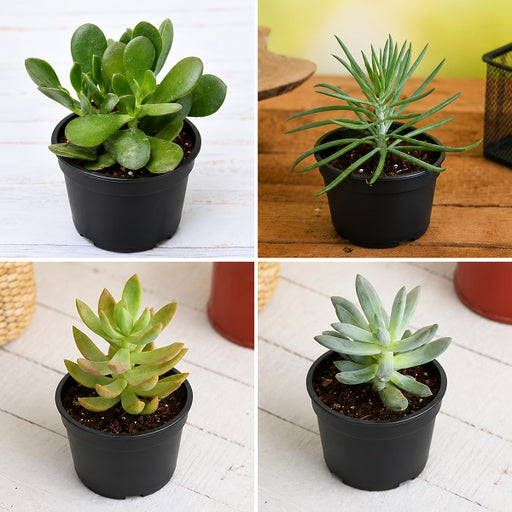
View full detailsMini Succulent Garden Pack Transform your space with our Mini Succulent Garden Pack, featuring a delightful collection of 4 any variety beautiful s...
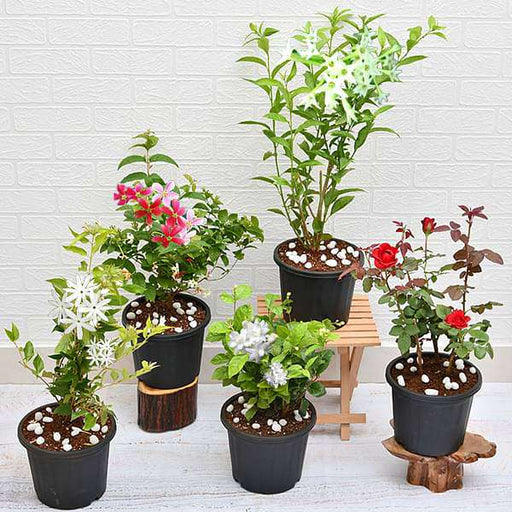
View full details5 Best Fragrant Plants Transform your garden or indoor space into a fragrant paradise with our curated selection of the 5 Best Fragrant Plants. Th...
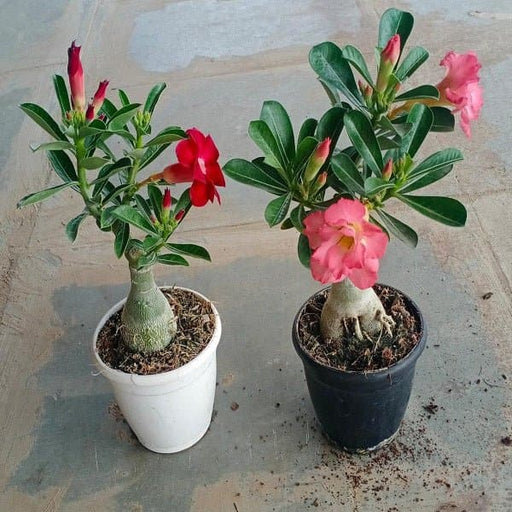
View full detailsSet of 2 Bonsai Looking Grafted Adeniums Transform your indoor or outdoor space with our exquisite Set of 2 Bonsai Looking Grafted Adenium...
View full detailsTop 4 Die Hard Succulents Pack Note: Plants included in this pack will be delivered in a 3-inch nursery pot (any color). Transform your indoor or ...
View full details5 Best Indoor Plants Pack Transform your living space into a lush oasis with our '5 Best Indoor Plants Pack.' This carefully curated collection fe...
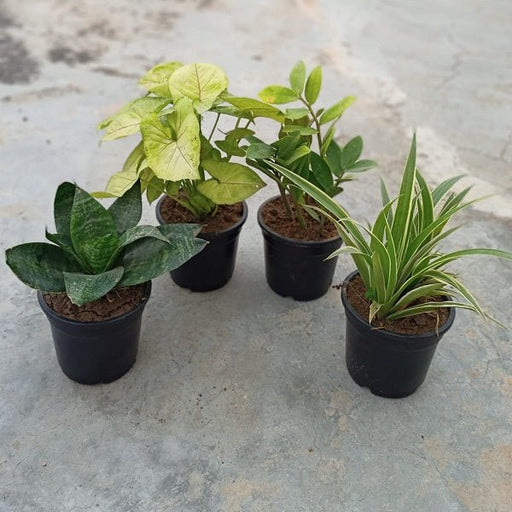
View full detailsSet of 4 Evergreen Air Purifier Plant Pack Transform your indoor space into a lush, green oasis with our Set of 4 Evergreen Air Purifier Pla...
View full detailsTop 5 Pollution Killer Plants Pack Transform your living space into a breath of fresh air with our 'Top 5 Pollution Killer Plants Pack'. This care...
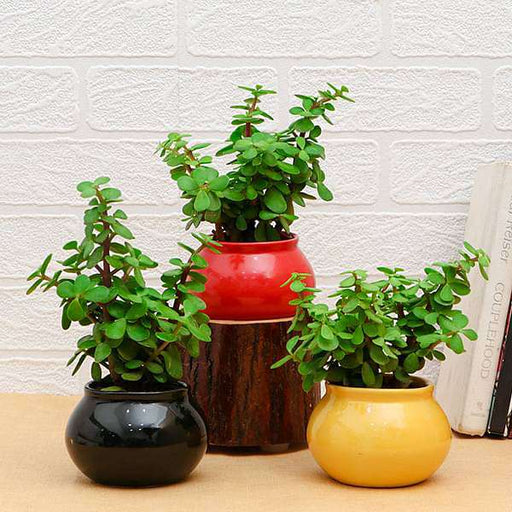
View full detailsPack of 3 Good Luck Jade Plants in Ceramic Pots Bring a touch of nature into your home with our Pack of 3 Good Luck Jade Plants, featuring...
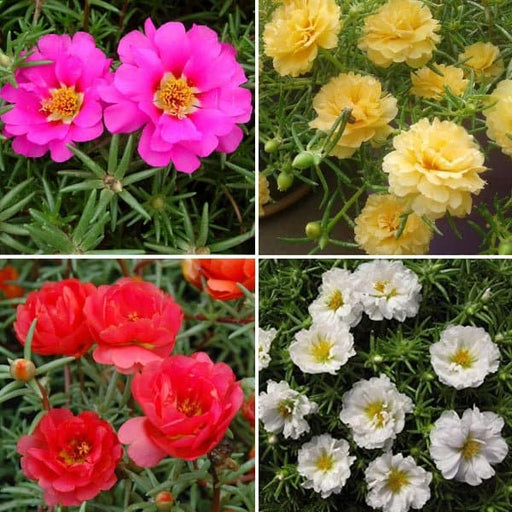
View full detailsPortulaca Garden Pack (4 Plants + 4 Black Pots) Note- You will get any color (Assorted) potted Porulaca plant with this pack. Transform your garde...
View full details






Leave a comment