
Expert Support
Available 24/7 via chat
Available 24/7 via chat
There are few sights in the Indian spring as magical as a mature Cassia fistula in full bloom—its delicate branches literally dripping with golden flowers that create a cascading waterfall effect. Known locally as Amaltas or Bahava, this Golden Shower Tree has graced avenue gardens, temple courtyards, and rural homesteads for generations. The good news? Growing this showstopper is easier than you might think. Whether you're planting a young 24-inch specimen in a container or planning a majestic 20–40-foot avenue tree, Cassia fistula rewards patient gardeners with reliable, stunning blooms every spring and early summer.
Cassia fistula is a deciduous to semi-evergreen tree native to the Indian subcontinent, belonging to the Fabaceae (legume) family. Its botanical name honours its remarkable seed pods—long, dark cylindrical capsules that persist on branches well after flowering. Locally, it's cherished as Amaltas (in Hindi and regional languages) and Bahava (in some parts). The tree is renowned for its ornamental value, nitrogen-fixing properties (helping soil health over time), and cultural significance in festivals and Ayurvedic medicine. While mature trees can reach 20–40 feet in height and spread, young plants like the 24-inch nursery specimen will grow steadily with proper care, eventually becoming a spectacular centrepiece for any Indian garden.
| Care Factor | Requirements |
|---|---|
| Light | Full sun (6–8+ hours daily) |
| Water | Freely during spring–fall growth; reduce in dormancy |
| Soil | Acidic, well-drained, fertile loam |
| Temperature | Thrives in warm climates; hardy down to 35–40°F (2–4°C) |
Cassia fistula is a sun-lover and demands full sun to produce its signature golden flowers abundantly. In Indian conditions, this means a minimum of 6–8 hours of direct sunlight daily, and more is better. The more sun it receives, the heavier the bloom display will be come spring and early summer. If you're growing a young plant in a container, position it on a south-facing balcony, terrace, or garden bed where it catches the most daylight. Even in humid, hazy monsoon months, place it where the air circulates freely and morning sun dries dew quickly—this helps prevent fungal issues. Partial shade in the harshest afternoon heat of May and June (above 40°C) is tolerable but may reduce flowering; ideally, move container plants to bright, filtered shade only during peak summer heat waves if growth slows.
Water management is where many gardeners stumble, but Cassia fistula is forgiving if you remember one rule: water freely during the growing season (spring through fall) and sparingly during dormancy. During March through November—when the tree is actively producing new leaves and stems—water the tree generously. In container growing, this means the top inch of soil should feel moist but not waterlogged; the pot must have drainage holes to prevent root rot. During the growing months in India's hot season, you may need to water every 2–3 days, especially on parched days above 35°C. Once monsoon rains arrive, reduce watering frequency since rainfall will supplement soil moisture; watch for waterlogging in poorly drained areas. In winter (December–February), when the tree may shed leaves or slow growth significantly, water sparingly—just enough to keep soil from drying out completely. If you live in a hard-water area (common in parts of North India), occasional applications of sulfur or soil acidifiers help counteract alkalinity, as Cassia prefers acidic to neutral soil.
Cassia fistula thrives in acidic, well-drained soil rich in organic matter. For container-grown plants, prepare a mix of equal parts garden loam, coconut coir or peat, and coarse sand or perlite, with a handful of aged compost mixed in. This ensures good drainage while retaining enough moisture and nutrients. In garden beds, work 2–3 inches of well-rotted compost or aged farmyard manure into the planting hole and surrounding soil to improve fertility and structure. Mulch around the base with 2–3 inches of dried leaves, straw, or wood chips to conserve moisture and gradually add organic matter as it breaks down. As for feeding, apply a general, well-balanced fertilizer (like 10-10-10 NPK or equivalent) once annually, preferably in early spring (February–March) as the tree is waking up and preparing to flower. If the tree looks pale or shows slow growth, a second light application in mid-summer can help; avoid heavy nitrogen feeds, which may promote leaf growth at the expense of flowers. Organic options like neem cake or bone meal work wonderfully and improve soil biology over time.
Cassia fistula is well-suited to India's tropical and subtropical climates. It thrives in warm temperatures and flowers most reliably when exposed to cool, dry winters (which trigger dormancy and flowering) followed by warm springs. The tree is hardy down to 35–40°F (roughly 2–4°C), which means it tolerates most Indian winter nights without damage, even in cooler hill stations. However, extensive frost or subfreezing temperatures will cause complete leaf defoliation; while the tree often resprouts from the trunk and branches, sustained freezing is stressful. If you live in a frost-prone zone, protect young plants with burlap wraps or move container specimens to a sheltered location during harsh winters. Humidity is less critical—the tree adapts well to dry springs and humid monsoons alike—but ensure good air circulation to prevent fungal problems, especially during wet monsoon months. In very dry regions, occasional overhead misting or leaf washes help keep foliage clean and reduce dust, improving photosynthesis.
While Cassia fistula is often grown from nursery-raised seedlings (like the 24-inch plants offered), you can propagate your own trees. Seed propagation is the most straightforward method: collect ripe seed pods in late summer or autumn (they turn dark brown and rattle when dry), split them open, and extract the hard black seeds. Scarify seeds lightly with sandpaper, then soak them in lukewarm water for 12–24 hours to improve germination. Sow in seed trays filled with a mix of sand and peat or coconut coir, kept consistently moist (not soggy) in a warm, bright location. Germination typically occurs within 2–4 weeks. Once seedlings develop 2–3 true leaves, pot them into individual containers and grow them under bright light. Softwood cuttings can also work but are slower and less reliable than seed. Air layering is possible but requires patience and is best attempted on mature branches in spring.
Cassia fistula is generally robust, but watch for these issues:
Here's how to get the most from your Cassia fistula:
Ready to grow your own? Shop Cassia fistula at Nurserylive →
Cassia Fistula - Golden Shower Tree (Bahava) The Cassia Fistula, commonly known as the Golden Shower Tree or Bahava, is a stunning tropica...
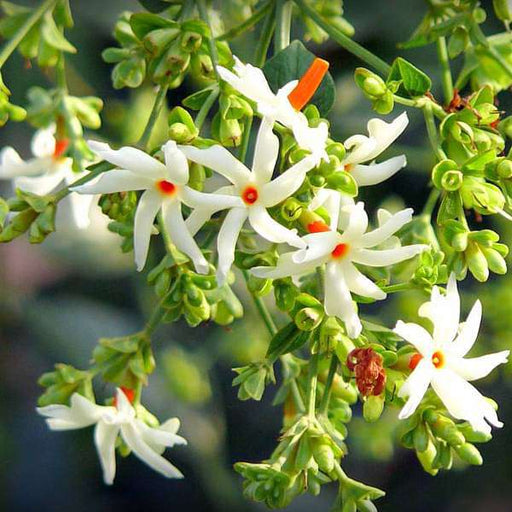
View full detailsCombo Constituents Includes the Parijat Tree (Night-Flowering Jasmine), a culturally significant plant with fragrant flowers. Description The Pari...
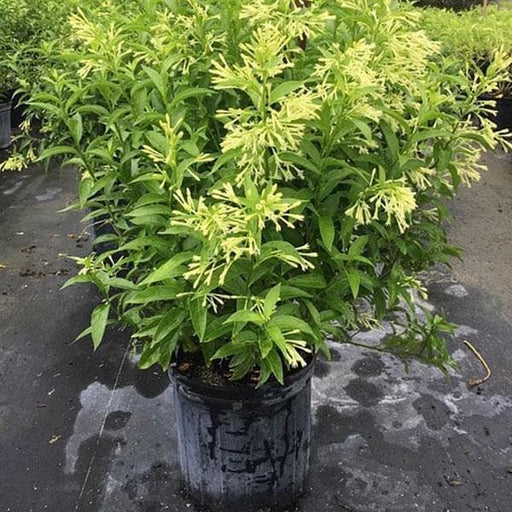
View full detailsDescription Raat Ki Rani (*Cestrum nocturnum*), also known as Night Blooming Jasmine, is a fragrant shrub native to the Caribbean and Central Ameri...
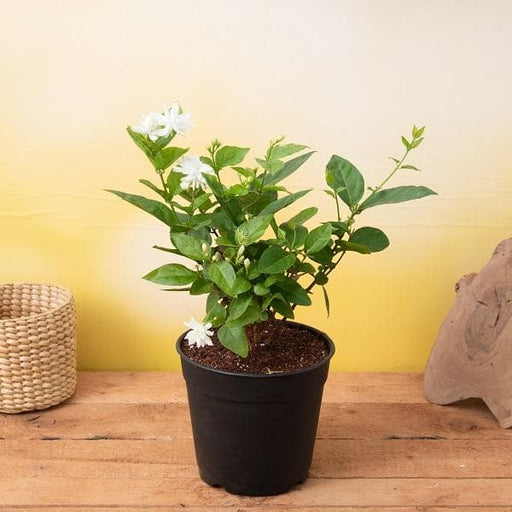
View full detailsJasminum sambac, Mogra, Arabian Jasmine - Plant Jasminum sambac, commonly known as Mogra or Arabian Jasmine, is a fragrant flowering plant...
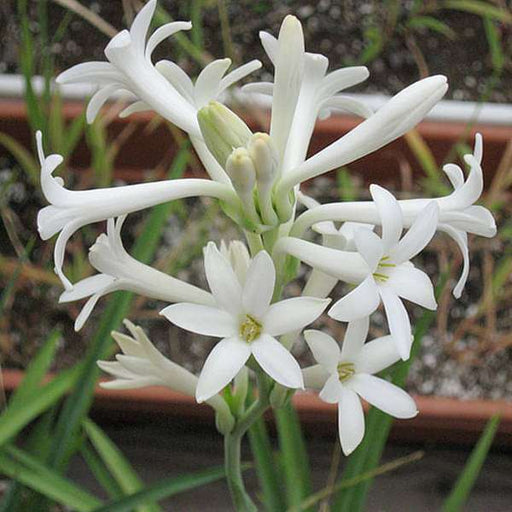
View full detailsRajnigandha, Tuberose - Plant The Rajnigandha, scientifically known as Polianthes tuberosa, is a captivating perennial plant renowned for ...
View full detailsCitronella, Odomas - Plant The Citronella plant, scientifically known as Cymbopogon nardus, is a tropical grass renowned for its aromatic ...
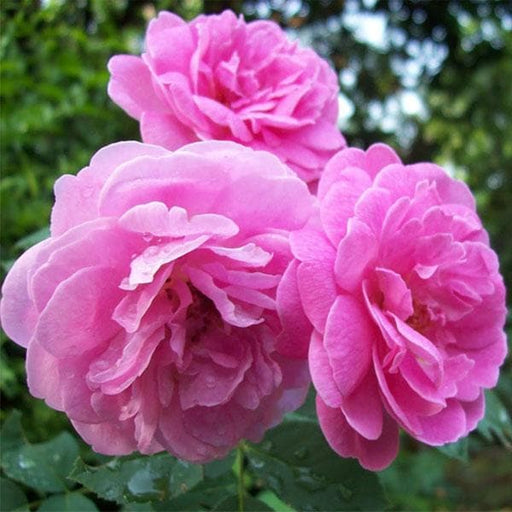
View full detailsDamascus Rose, Scented Rose (Any Color) - Plant The Damascus Rose, also known as Rosa damascena, is a timeless symbol of beauty and romanc...
View full detailsMiniature Rose, Button Rose (Any Color) - Plant The Miniature Rose, also known as the Button Rose, is a charming and compact flowering plant that ...
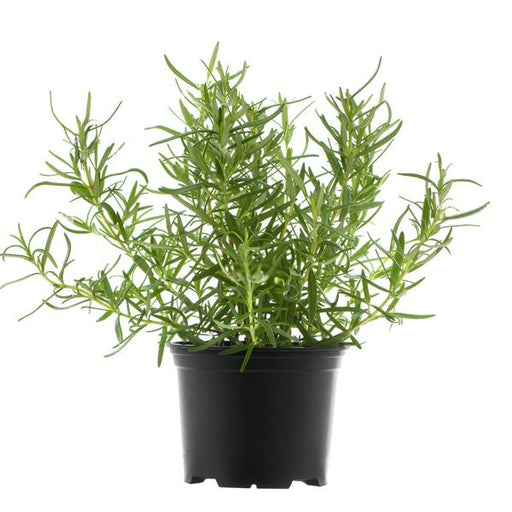
View full detailsRosemary - Plant Rosemary (Rosmarinus officinalis) is a fragrant evergreen herb native to the Mediterranean region. Known for its needle-like leav...
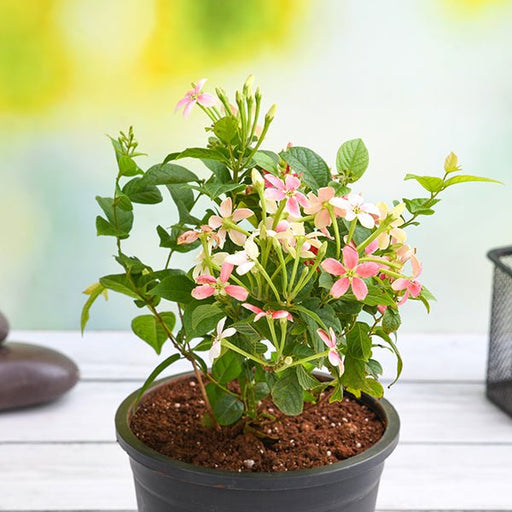
View full detailsMadhumalti Dwarf, Rangoon Creeper - Plant The Madhumalti Dwarf, also known as the Rangoon Creeper (Quisqualis indica), is a stunning perennial vin...
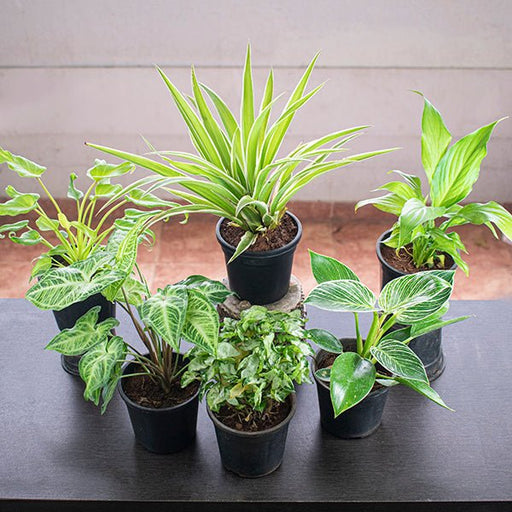
View full detailsBest 6 Plants for Perfect Indoor Garden Transform your living space into a lush oasis with our curated collection of the Best 6 Plants for a...
View full detailsBest 6 Plants for Perfect Indoor Garden Transform your living space into a lush oasis with our curated collection of the Best 6 Plants for a...
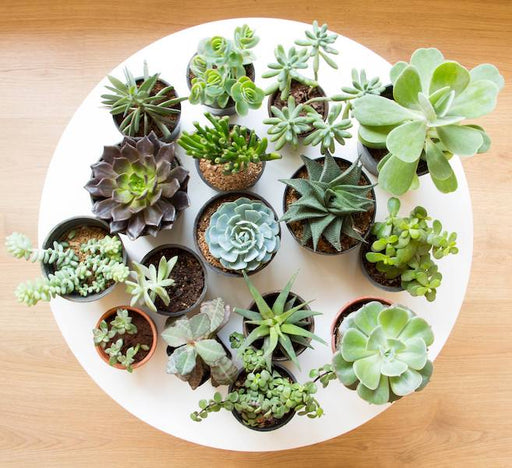
View full detailsMini Succulent Garden Pack Transform your space with our Mini Succulent Garden Pack, featuring a delightful collection of 4 any variety beautiful s...
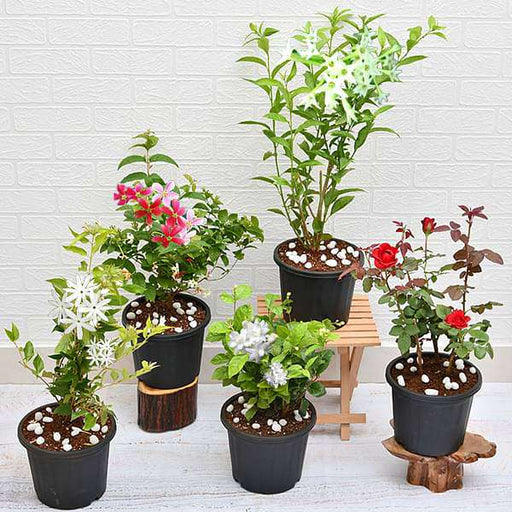
View full details5 Best Fragrant Plants Transform your garden or indoor space into a fragrant paradise with our curated selection of the 5 Best Fragrant Plants. Th...
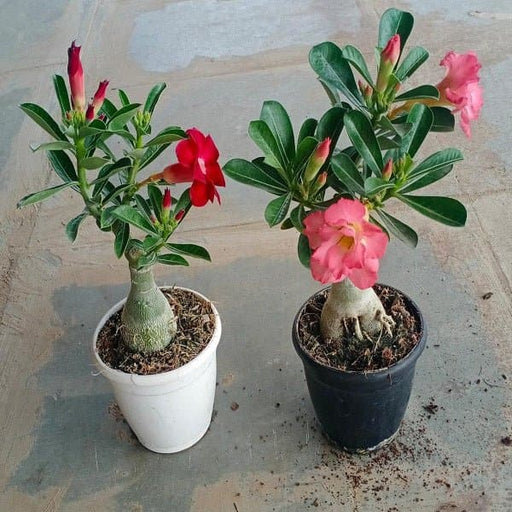
View full detailsSet of 2 Bonsai Looking Grafted Adeniums Transform your indoor or outdoor space with our exquisite Set of 2 Bonsai Looking Grafted Adenium...
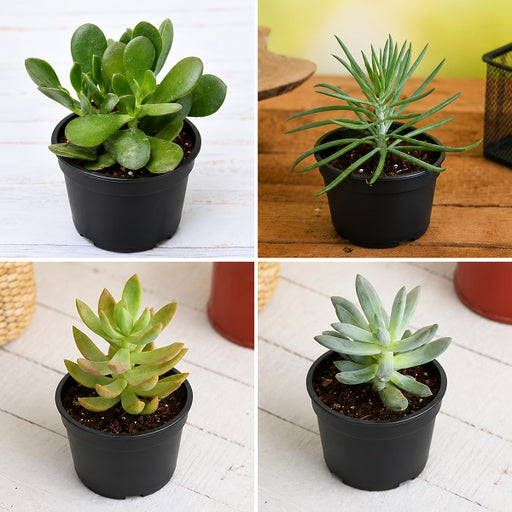
View full detailsTop 4 Die Hard Succulents Pack Note: Plants included in this pack will be delivered in a 3-inch nursery pot (any color). Transform your indoor or ...
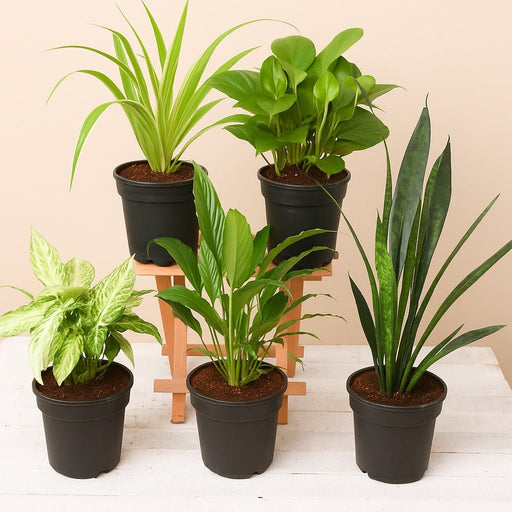
View full details5 Best Indoor Plants Pack Transform your living space into a lush oasis with our '5 Best Indoor Plants Pack.' This carefully curated collection fe...
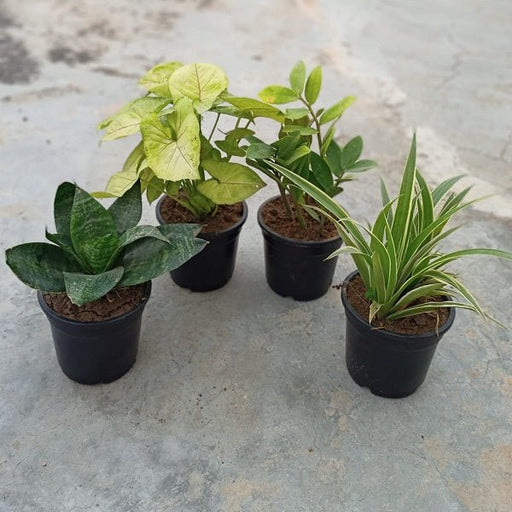
View full detailsSet of 4 Evergreen Air Purifier Plant Pack Transform your indoor space into a lush, green oasis with our Set of 4 Evergreen Air Purifier Pla...
View full detailsTop 5 Pollution Killer Plants Pack Transform your living space into a breath of fresh air with our 'Top 5 Pollution Killer Plants Pack'. This care...
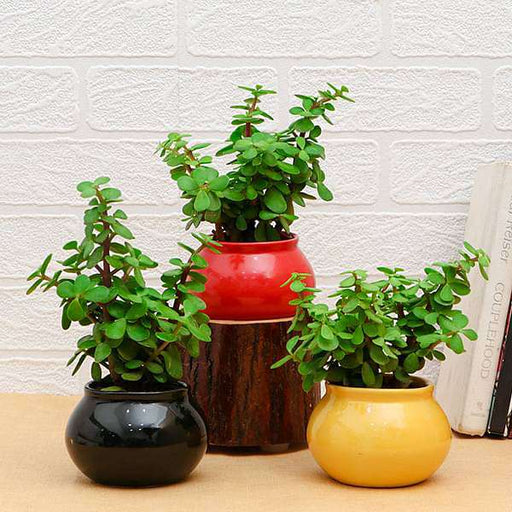
View full detailsPack of 3 Good Luck Jade Plants in Ceramic Pots Bring a touch of nature into your home with our Pack of 3 Good Luck Jade Plants, featuring...
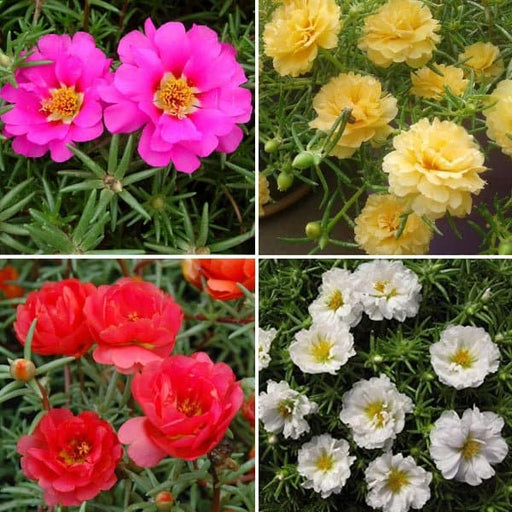
View full detailsPortulaca Garden Pack (4 Plants + 4 Black Pots) Note- You will get any color (Assorted) potted Porulaca plant with this pack. Transform your garde...
View full details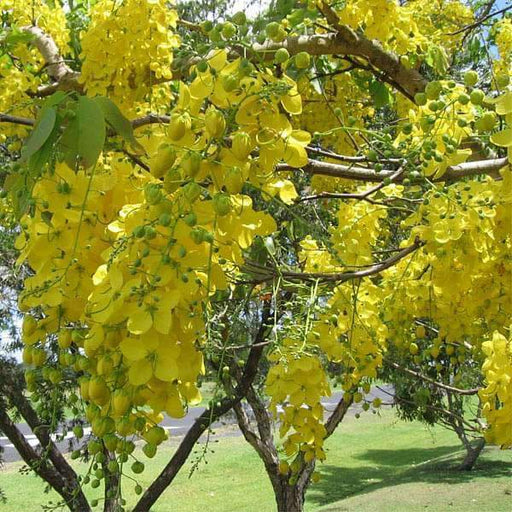





Leave a comment