
Expert Support
Available 24/7 via chat
Available 24/7 via chat
Canna lilies are among the most striking tropical plants you can grow in an Indian garden. With their bold, variegated foliage and vibrant red, orange, or yellow flowers, cannas command attention as focal points in landscaping. Best of all, they're remarkably easy to grow—ideal for both seasoned gardeners and beginners. Young plants start at just 30 cm tall but can reach 4 to 6 feet when established, making them perfect for creating layered garden designs. Whether you're planting them in the ground or in containers, cannas thrive in India's warm climate and are particularly rewarding performers during the monsoon season.
Canna lilies, commonly called Canna, are tropical plants valued for their striking appearance and resilience. Their bold, paddle-shaped leaves—often variegated with deep red—provide year-round visual interest even before flowers appear. The flower clusters bloom in shades of red, orange, or yellow from summer through fall, attracting butterflies and adding drama to any landscape.
In India, cannas have become garden staples because they adapt beautifully to our climate and weather patterns. They're particularly valued as rainy season performers, thriving in the moisture and warmth that the monsoon brings. The rich organic soils and warm temperatures of Indian summers create ideal growing conditions. At Nurserylive, our popular variegated-red Canna with orange flowers exemplifies the plant's potential as a pot-friendly, easy-growing statement piece.
| Care Factor | Requirement |
|---|---|
| Light | Full sun to partial shade |
| Water | Keep moist once established; daily during hot, dry spells |
| Soil | Well-draining, neutral to slightly acidic, rich in organic matter |
| Temperature | 21–23°C; thrives in India's warm climate |
Cannas perform best in full sun to partial shade. Ideally, they should receive at least 6 hours of direct sunlight daily to produce the most prolific blooms and maintain vibrant foliage color. In full sun, the variegated red leaves become even more striking, and flowering is more abundant.
In India's intense summer heat—particularly in central and northern regions—a few hours of afternoon shade can actually benefit the plant. Dappled sunlight during peak afternoon hours (2 to 4 PM) helps prevent leaf scorch and stress. However, ensure the plant still receives strong morning and evening light. In monsoon-heavy regions with naturally cloudy skies, position cannas where they get maximum available light to compensate.
Potted cannas placed in shade will grow slower and flower less. If container gardening near a window, position pots to receive south-facing or west-facing light for best results.
Once established, cannas need to be kept consistently moist—this is the key to healthy growth and blooming. However, moist does not mean waterlogged; the soil should retain moisture but still allow excess water to drain.
During growing season (March to October): In India's dry season (March to May), water deeply and regularly, ideally every 2 to 3 days depending on temperature and rainfall. During the monsoon (June to September), natural rainfall usually keeps the soil moist; reduce supplemental watering but ensure soil drains well to prevent root rot. Check soil moisture by inserting a finger 2 inches deep—if dry, water thoroughly.
During dormancy (November to February): In cooler months, growth slows considerably. Reduce watering frequency but don't let soil dry out completely. Water once a week or as needed to keep soil lightly moist.
Cannas in containers dry out faster than in-ground plants. Check potted cannas daily during hot weather and water when the top inch of soil feels dry. Use water that's been allowed to sit overnight—this helps if you have hard water, which is common in many Indian regions, as it allows chlorine to evaporate and mineral content to settle.
Cannas require well-draining soil that is neutral to slightly acidic and rich in organic matter. Heavy clay soils common in many Indian regions must be amended before planting.
Soil preparation: Mix your garden soil with compost, coco peat, or aged manure in a 2:1 ratio to improve drainage and add nutrients. For potted cannas, use a potting mix containing perlite or coarse sand to ensure water doesn't sit around the rhizomes. If your soil is highly alkaline, common in areas with hard water, incorporate sulfur or use acidifying amendments to bring pH toward neutral.
Fertilizing: Cannas require monthly fertilizer that is relatively higher in phosphate to support continuous blooming. Phosphate promotes flower formation and root development. Apply a balanced fertilizer like 10-20-10 or a flower-specific formula every 4 weeks during the growing season (March to October). Granular slow-release fertilizers work well for in-ground cannas. For potted plants, diluted liquid fertilizers applied every 2 weeks are more effective.
Avoid over-feeding with nitrogen, which encourages leaf growth at the expense of flowers. Organic options like bone meal sprinkled around the base monthly are excellent for Indian gardeners preferring natural methods.
Cannas thrive at temperatures between 21 and 23°C, which align perfectly with India's warm climate. They are tropical-loving plants and perform exceptionally well in temperatures above this range—typical of Indian summers. Cold temperatures below 10°C can slow growth and trigger dormancy; in northern regions during winter, cannas naturally enter a rest period and may lose above-ground foliage, which is normal.
Humidity is rarely a limiting factor in Indian gardens. Cannas actually enjoy the high humidity during monsoon season, though good air circulation helps prevent fungal diseases. Avoid planting them in stagnant, enclosed spaces. If growing cannas in air-conditioned environments, occasional misting can help, but this isn't essential for outdoor plants.
Cannas are grown from rhizomes—thick, underground stems that store energy and allow the plant to regrow year after year. Propagation is straightforward.
Ready to grow your own? Shop Canna at Nurserylive →
Canna (Orange Flower with Variegated Red Leaves) - Plant The Canna plant, renowned for its stunning orange flowers and striking variegated...
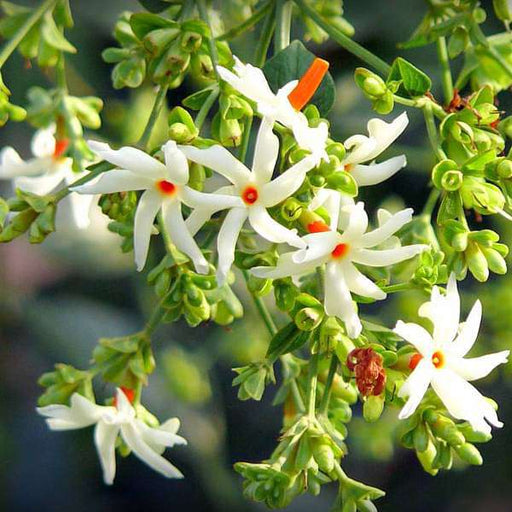
View full detailsCombo Constituents Includes the Parijat Tree (Night-Flowering Jasmine), a culturally significant plant with fragrant flowers. Description The Pari...
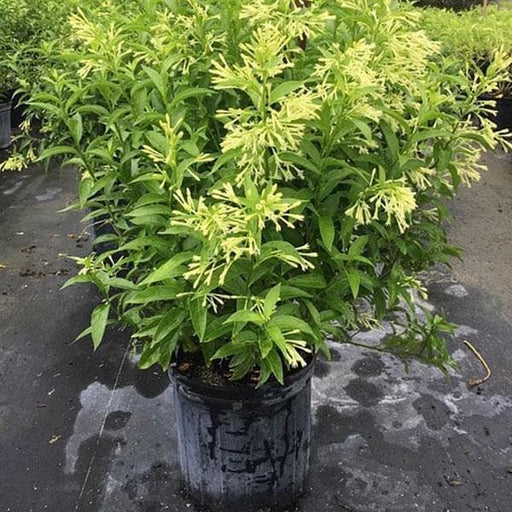
View full detailsDescription Raat Ki Rani (*Cestrum nocturnum*), also known as Night Blooming Jasmine, is a fragrant shrub native to the Caribbean and Central Ameri...
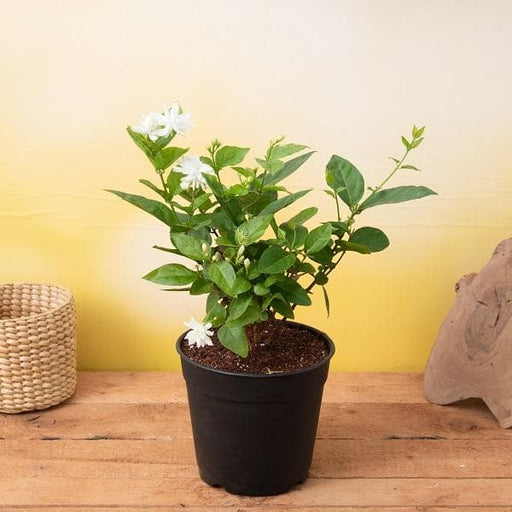
View full detailsJasminum sambac, Mogra, Arabian Jasmine - Plant Jasminum sambac, commonly known as Mogra or Arabian Jasmine, is a fragrant flowering plant...
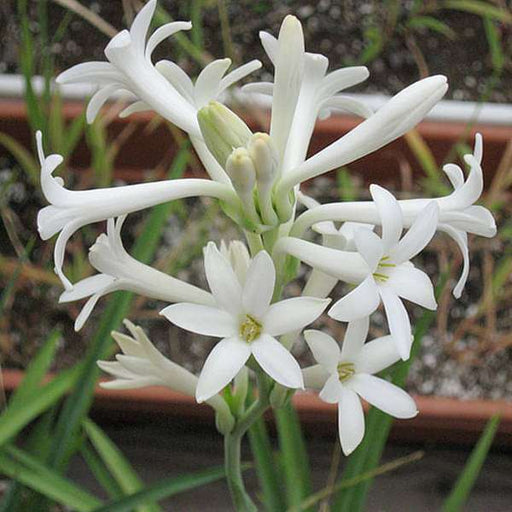
View full detailsRajnigandha, Tuberose - Plant The Rajnigandha, scientifically known as Polianthes tuberosa, is a captivating perennial plant renowned for ...
View full detailsCitronella, Odomas - Plant The Citronella plant, scientifically known as Cymbopogon nardus, is a tropical grass renowned for its aromatic ...
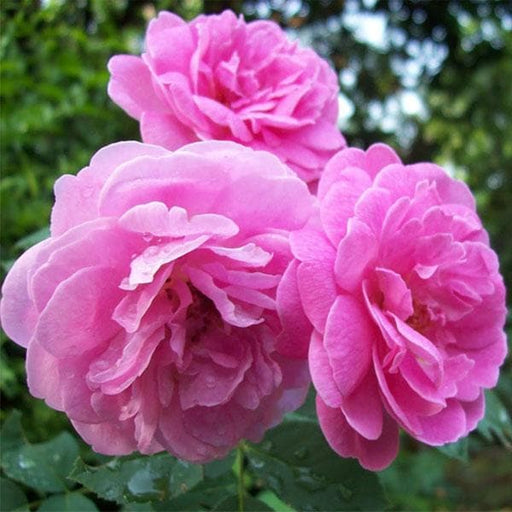
View full detailsDamascus Rose, Scented Rose (Any Color) - Plant The Damascus Rose, also known as Rosa damascena, is a timeless symbol of beauty and romanc...
View full detailsMiniature Rose, Button Rose (Any Color) - Plant The Miniature Rose, also known as the Button Rose, is a charming and compact flowering plant that ...
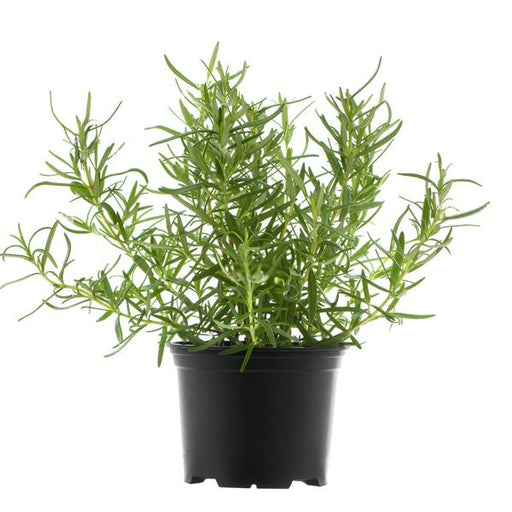
View full detailsRosemary - Plant Rosemary (Rosmarinus officinalis) is a fragrant evergreen herb native to the Mediterranean region. Known for its needle-like leav...
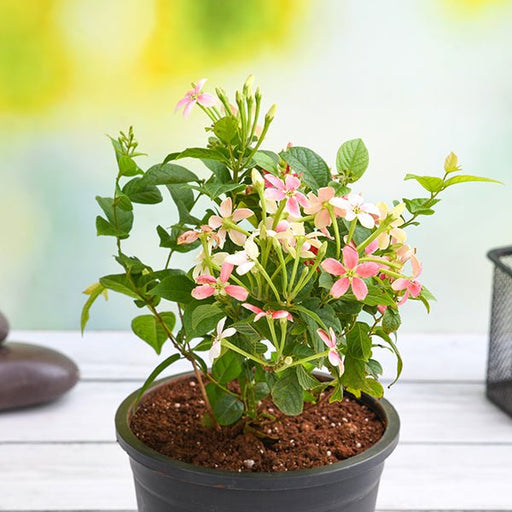
View full detailsMadhumalti Dwarf, Rangoon Creeper - Plant The Madhumalti Dwarf, also known as the Rangoon Creeper (Quisqualis indica), is a stunning perennial vin...
View full detailsBest 6 Plants for Perfect Indoor Garden Transform your living space into a lush oasis with our curated collection of the Best 6 Plants for a...
View full detailsBest 6 Plants for Perfect Indoor Garden Transform your living space into a lush oasis with our curated collection of the Best 6 Plants for a...
View full detailsMini Succulent Garden Pack Transform your space with our Mini Succulent Garden Pack, featuring a delightful collection of 4 any variety beautiful s...
View full details5 Best Fragrant Plants Transform your garden or indoor space into a fragrant paradise with our curated selection of the 5 Best Fragrant Plants. Th...
View full detailsSet of 2 Bonsai Looking Grafted Adeniums Transform your indoor or outdoor space with our exquisite Set of 2 Bonsai Looking Grafted Adenium...
View full detailsTop 4 Die Hard Succulents Pack Note: Plants included in this pack will be delivered in a 3-inch nursery pot (any color). Transform your indoor or ...
View full details5 Best Indoor Plants Pack Transform your living space into a lush oasis with our '5 Best Indoor Plants Pack.' This carefully curated collection fe...
View full detailsSet of 4 Evergreen Air Purifier Plant Pack Transform your indoor space into a lush, green oasis with our Set of 4 Evergreen Air Purifier Pla...
View full detailsTop 5 Pollution Killer Plants Pack Transform your living space into a breath of fresh air with our 'Top 5 Pollution Killer Plants Pack'. This care...
View full detailsPack of 3 Good Luck Jade Plants in Ceramic Pots Bring a touch of nature into your home with our Pack of 3 Good Luck Jade Plants, featuring...
View full detailsPortulaca Garden Pack (4 Plants + 4 Black Pots) Transform your garden into a vibrant oasis with our Portulaca Garden Pack, featuring four ...
View full details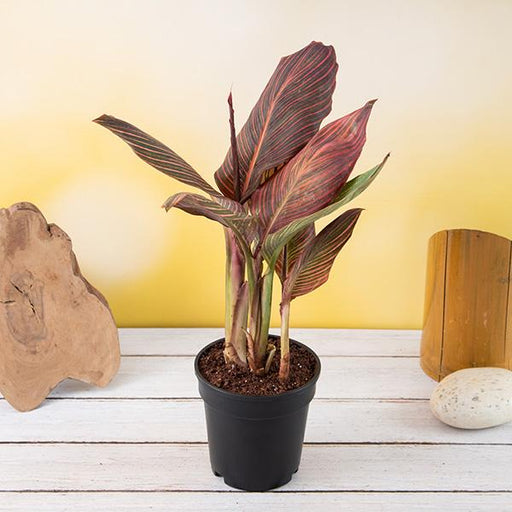














Leave a comment