
Expert Support
Available 24/7 via chat
Available 24/7 via chat
Bush Allamanda is a gardener's dream for Indian gardens. With its brilliant golden-yellow trumpet blooms that flower year-round, coupled with its vigorous growth and low-maintenance needs, it's an ideal choice whether you're a beginner or an experienced gardener. The plant's ease of care, combined with its ornamental value, makes it perfect for hedges, borders, and landscaping across India's tropical and subtropical regions.
Bush Allamanda, scientifically known as Allamanda cathartica, is also called Golden Trumpet Bush, Buttercup Flower, or Golden Bell. In India, it's known by several regional names: Harkakra in Bengali, Arasinhu in Kannada, and by various names across other regions. When you receive a young plant from a nursery, it will typically stand around 12 inches (30 cm) tall with a spread of 5 inches (13 cm). However, don't let the compact starter size fool you—under good conditions, Bush Allamanda can grow vigorously to reach 3 to 6 feet in height, making it an excellent choice for creating quick-growing hedges or landscape features.
The defining feature of Bush Allamanda is its prolific flowering. The bright yellow blooms appear consistently throughout the year—spring, summer, fall, and winter—providing continuous color to your garden even during cooler months. This year-round flowering habit, combined with the plant's easy-care nature, explains why it has become a favorite among Indian gardeners.
| Care Factor | Requirement |
|---|---|
| Light | Full sun to partial shade |
| Water | Consistently moist soil; do not let dry out |
| Soil | Mildly alkaline; pH 7.6–7.8 |
| Temperature | Minimum 25°F (−3.9°C); tender in frost |
Bush Allamanda thrives in full sun, which encourages the most prolific flowering. In India, where summer heat can be intense, full sun works beautifully across northern and central regions. If you live in the hottest areas or at lower elevations, partial shade—especially afternoon shade during the peak heat of May and June—can prevent leaf scorch while still supporting healthy blooms.
The plant is flexible enough to tolerate partial shade, but flowering may reduce if light is too dim. Aim for at least 5–6 hours of direct sunlight daily for best results. Near west-facing walls in Indian gardens, where reflected heat can be fierce, morning sun with afternoon shade is often ideal.
Bush Allamanda requires consistently moist soil—this is a non-negotiable aspect of its care. Never allow the soil to dry out completely between waterings. In India's hot summers, this typically means watering daily or every other day, depending on your soil type and drainage.
During the monsoon, adjust your watering carefully. If your plant is in a pot, move it to a spot where it won't receive constant rain, as waterlogging can harm the roots. Well-draining soil is essential to prevent root rot, even though the plant needs consistent moisture. This means water should pass through the soil relatively quickly rather than pooling.
If you live in an area with hard water—common in many parts of India—monitor for mineral buildup on leaves. Rainwater collection is ideal for watering Bush Allamanda during the monsoon and post-monsoon months.
Bush Allamanda prefers mildly alkaline soil with a pH between 7.6 and 7.8. This is naturally occurring in many Indian regions, especially where limestone or calcium-rich soils are common. If you're unsure of your soil's pH, a simple soil test kit from any garden center can guide amendments.
When potting or planting, use a high-quality, well-draining soil mix. A blend of garden soil, compost, and sand or perlite works well to maintain the moisture-drainage balance this plant needs.
Feed Bush Allamanda with a liquid fertilizer during the growing season (roughly March through October in most of India). This supports vigorous growth and abundant flowering. Once winter arrives, reduce feeding to once per month. A balanced or slightly higher-potassium fertilizer encourages blooming. Always follow the product's dilution instructions to avoid fertilizer burn.
Bush Allamanda is a tender plant and cannot tolerate temperatures below 25°F (−3.9°C). Fortunately, for most of India, this is rarely a concern. In northern regions where frost does occur in winter, protect young plants with a frost cloth or move potted plants indoors during cold snaps. Mature, well-established plants are more resilient than young ones.
The plant appreciates humidity, which most of India provides naturally, especially during the monsoon and in coastal areas. In drier regions, occasional misting during dry spells can benefit foliage health. Ensure good air circulation around the plant to prevent fungal issues in humid conditions.
While Bush Allamanda can be propagated from semi-hardwood cuttings, the most straightforward approach for home gardeners is to source young plants from reputable nurseries. This ensures vigorous, healthy plants and saves considerable time. If you wish to experiment with cuttings, take them during the growing season and root them in moist, well-draining propagation mix under bright, indirect light.
Bush Allamanda is remarkably easy to grow, but a few issues can arise. The most common is overwatering or poor drainage leading to root rot—a problem easily prevented by allowing water to drain freely and not letting the plant sit in waterlogged soil for extended periods. If leaves yellow and drop, assess your watering schedule first.
In humid conditions, watch for fungal leaf spots. Improve air circulation and avoid wetting foliage during watering. If flowering diminishes, check light levels—insufficient sunlight is often the culprit. Ensure your plant receives at least 5–6 hours of direct sun daily.
Ready to grow your own? Shop Bush Allamanda at Nurserylive →
Bush Allamanda, Allamanda cathartica (Yellow) - Plant The Bush Allamanda, scientifically known as Allamanda cathartica, is a stunning trop...
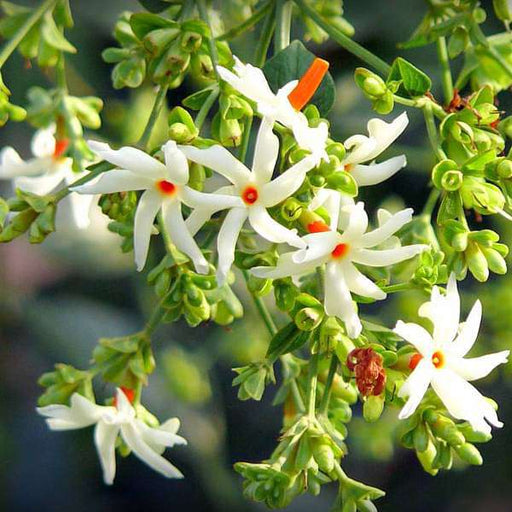
View full detailsCombo Constituents Includes the Parijat Tree (Night-Flowering Jasmine), a culturally significant plant with fragrant flowers. Description The Pari...
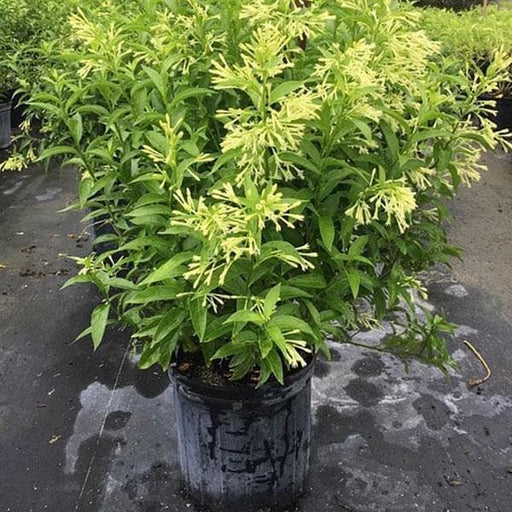
View full detailsDescription Raat Ki Rani (*Cestrum nocturnum*), also known as Night Blooming Jasmine, is a fragrant shrub native to the Caribbean and Central Ameri...
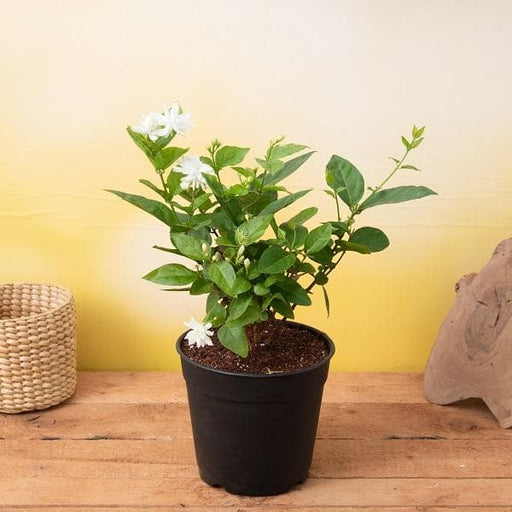
View full detailsJasminum sambac, Mogra, Arabian Jasmine - Plant Jasminum sambac, commonly known as Mogra or Arabian Jasmine, is a fragrant flowering plant...
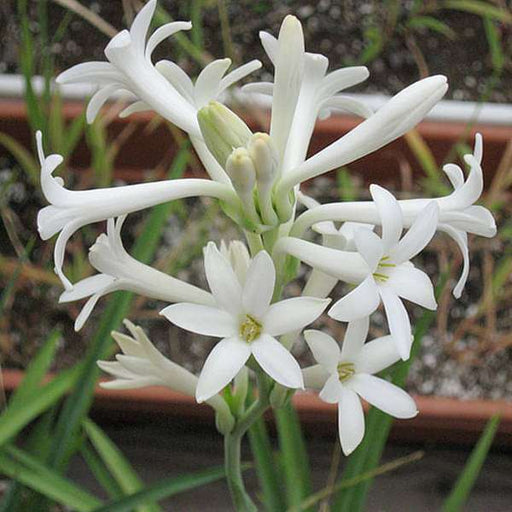
View full detailsRajnigandha, Tuberose - Plant The Rajnigandha, scientifically known as Polianthes tuberosa, is a captivating perennial plant renowned for ...
View full detailsCitronella, Odomas - Plant The Citronella plant, scientifically known as Cymbopogon nardus, is a tropical grass renowned for its aromatic ...
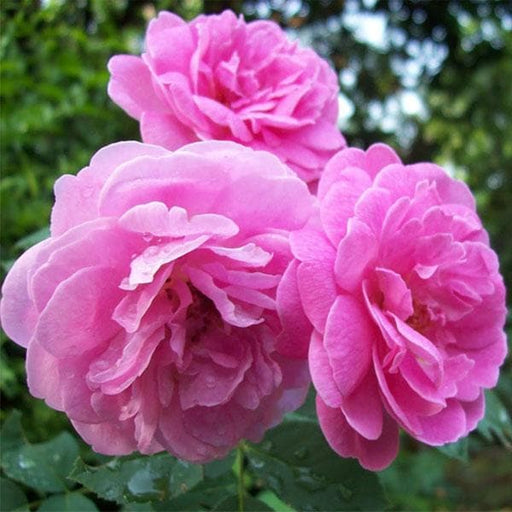
View full detailsDamascus Rose, Scented Rose (Any Color) - Plant The Damascus Rose, also known as Rosa damascena, is a timeless symbol of beauty and romanc...
View full detailsMiniature Rose, Button Rose (Any Color) - Plant The Miniature Rose, also known as the Button Rose, is a charming and compact flowering plant that ...
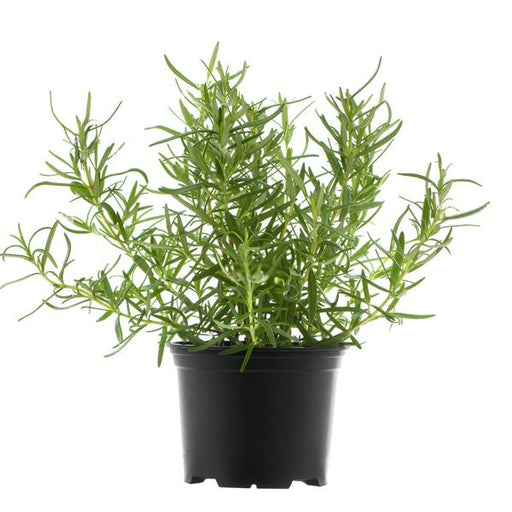
View full detailsRosemary - Plant Rosemary (Rosmarinus officinalis) is a fragrant evergreen herb native to the Mediterranean region. Known for its needle-like leav...
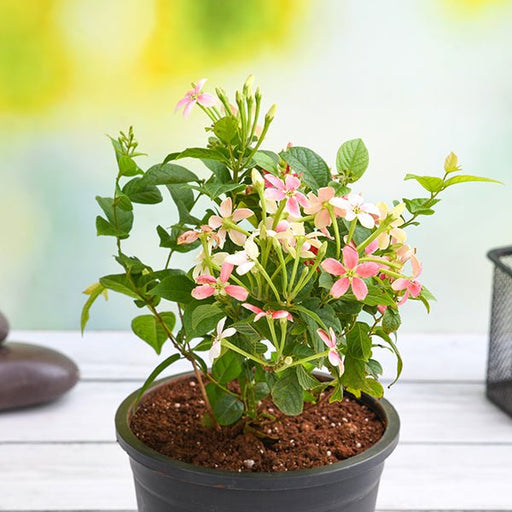
View full detailsMadhumalti Dwarf, Rangoon Creeper - Plant The Madhumalti Dwarf, also known as the Rangoon Creeper (Quisqualis indica), is a stunning perennial vin...
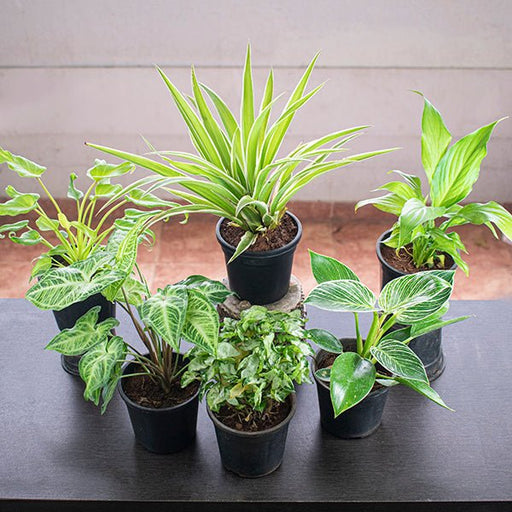
View full detailsBest 6 Plants for Perfect Indoor Garden Transform your living space into a lush oasis with our curated collection of the Best 6 Plants for a...
View full detailsBest 6 Plants for Perfect Indoor Garden Transform your living space into a lush oasis with our curated collection of the Best 6 Plants for a...
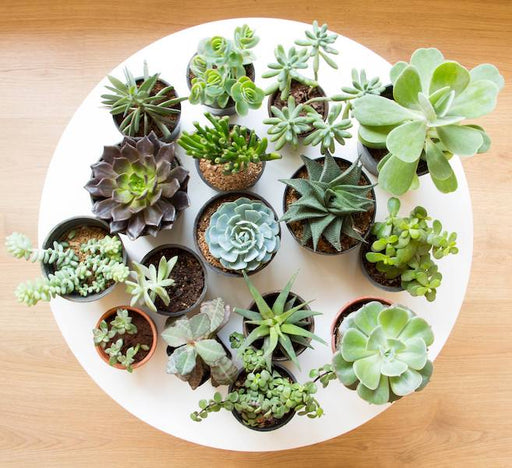
View full detailsMini Succulent Garden Pack Transform your space with our Mini Succulent Garden Pack, featuring a delightful collection of 4 any variety beautiful s...
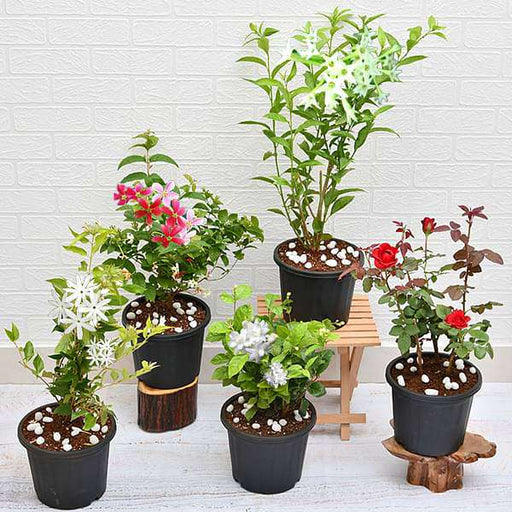
View full details5 Best Fragrant Plants Transform your garden or indoor space into a fragrant paradise with our curated selection of the 5 Best Fragrant Plants. Th...
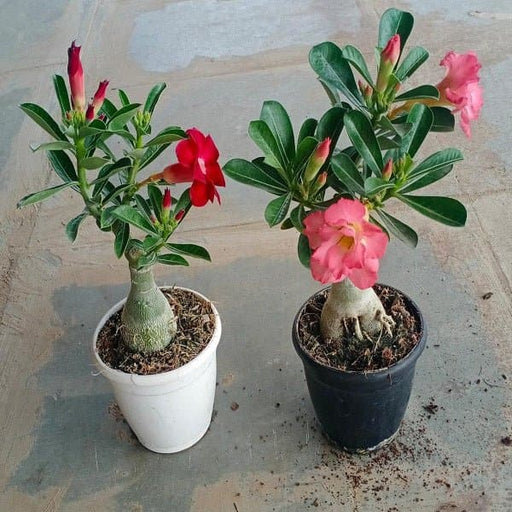
View full detailsSet of 2 Bonsai Looking Grafted Adeniums Transform your indoor or outdoor space with our exquisite Set of 2 Bonsai Looking Grafted Adenium...
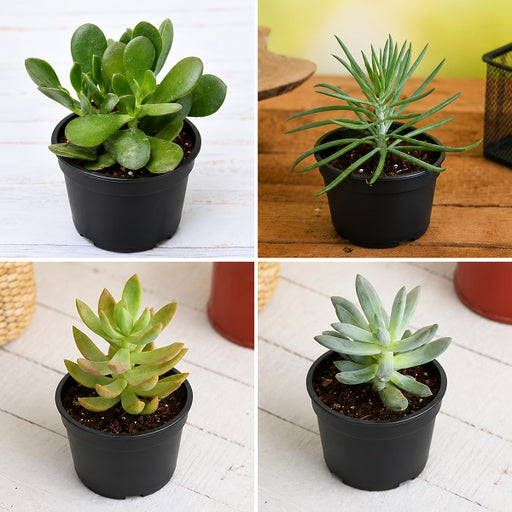
View full detailsTop 4 Die Hard Succulents Pack Note: Plants included in this pack will be delivered in a 3-inch nursery pot (any color). Transform your indoor or ...
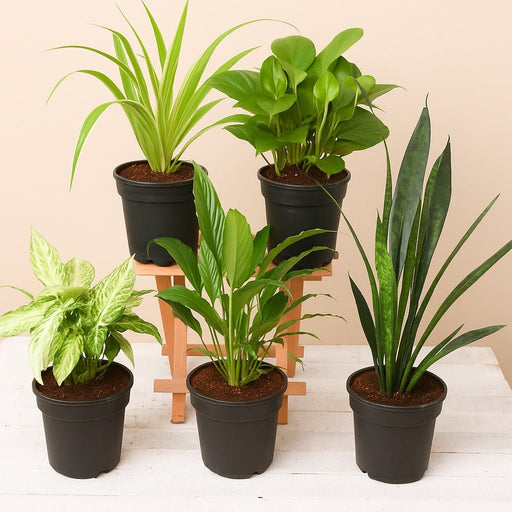
View full details5 Best Indoor Plants Pack Transform your living space into a lush oasis with our '5 Best Indoor Plants Pack.' This carefully curated collection fe...
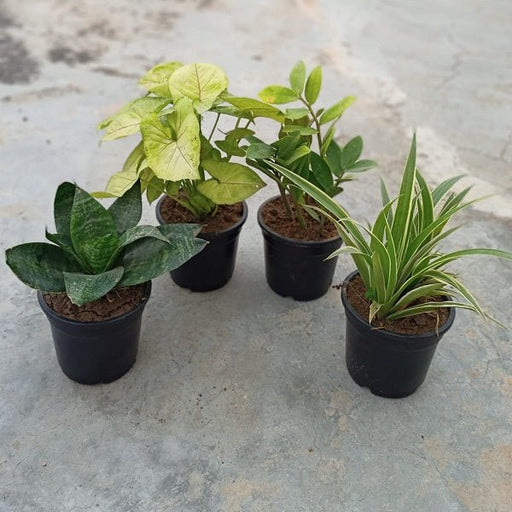
View full detailsSet of 4 Evergreen Air Purifier Plant Pack Transform your indoor space into a lush, green oasis with our Set of 4 Evergreen Air Purifier Pla...
View full detailsTop 5 Pollution Killer Plants Pack Transform your living space into a breath of fresh air with our 'Top 5 Pollution Killer Plants Pack'. This care...
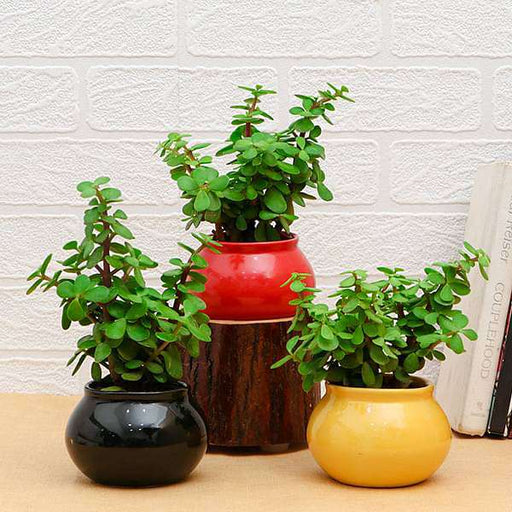
View full detailsPack of 3 Good Luck Jade Plants in Ceramic Pots Bring a touch of nature into your home with our Pack of 3 Good Luck Jade Plants, featuring...
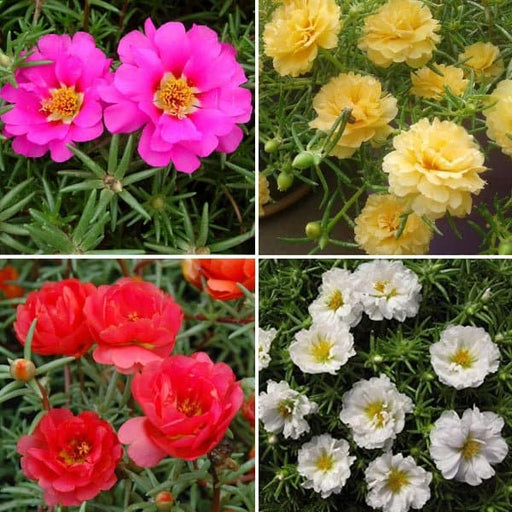
View full detailsPortulaca Garden Pack (4 Plants + 4 Black Pots) Note- You will get any color (Assorted) potted Porulaca plant with this pack. Transform your garde...
View full details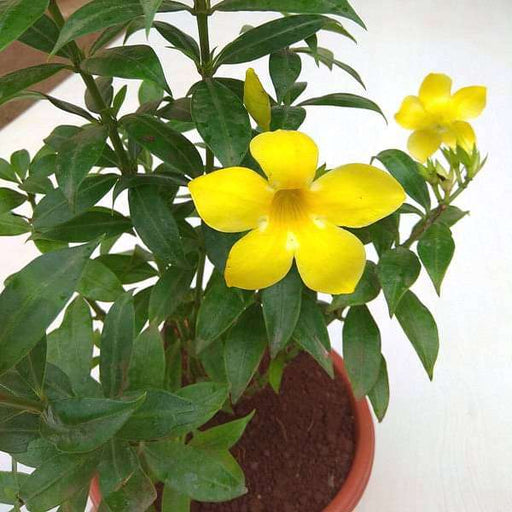





Leave a comment