
Expert Support
Available 24/7 via chat
Available 24/7 via chat
Brahma Kamal (Saussurea Obvallata) is a rare, sacred alpine flowering plant native to the high-altitude Himalayan regions. Revered in Hindu tradition and valued in Vastu practices, this unique collector's specimen brings profound spiritual meaning to any garden space. However, this challenging specialist plant naturally thrives in cool, misty mountain conditions far removed from the warm, humid climate of most Indian regions. Growing Brahma Kamal successfully demands dedication, patience, and honest acceptance of your garden's climate limitations.
Brahma Kamal—the lotus of Brahma—holds deep significance in Indian mythology and spiritual practice. Its rarity in cultivation makes it prized by collectors seeking both horticultural challenge and sacred presence. As a true alpine specialist, the plant has evolved over centuries to flourish at high elevations where temperatures remain consistently cool and humidity arrives through mountain mists rather than tropical rainfall. This evolutionary adaptation means it struggles significantly in lowland Indian gardens where heat and monsoon moisture create opposite conditions. Understanding Brahma Kamal begins with accepting its mountain heritage: this is not an easy houseplant, but rather a living connection to the high Himalayas, requiring conditions that honor its native environment.
| Care Factor | Requirement |
|---|---|
| Light | Bright, indirect; morning sun ideal |
| Water | Moderate; never waterlogged |
| Soil | Alpine mix; gritty, excellent drainage |
| Temperature | Cool; struggles above 30°C |
Brahma Kamal is a light-loving alpine plant that thrives in bright, indirect illumination. In its native Himalayan habitat, it receives abundant sunlight filtered through mountain atmosphere. Provide an east or north-facing window with good natural light, avoiding the harsh afternoon sun that stresses the plant in Indian plains. If you live in hill stations like Shimla, Ooty, or Darjeeling, morning direct sun is beneficial. In warm lowland regions, afternoon shade is essential—position the plant near north-facing walls or under dappled tree light. Insufficient light leads to weak, leggy growth and prevents flowering. If natural light is limited, full-spectrum LED grow lights work excellently for this plant and help maintain cooler indoor temperatures simultaneously.
Water management is critical for success with this alpine specialist. Brahma Kamal requires moderate moisture but absolutely cannot tolerate waterlogging, which causes rapid root rot in this cool-season plant. Water thoroughly when the top soil layer feels dry—typically every 7-10 days in growing season, less frequently in cool months. During monsoon, reduce watering dramatically and ensure exceptional drainage; many collectors barely water during heavy rains, relying on ambient humidity and rainfall. This season causes more failures than any other. Use filtered, collected rainwater if possible; Brahma Kamal is sensitive to excess salts in hard water common across many Indian cities. Never allow the plant to sit in water-filled saucers or soggy soil.
Create a specialized alpine potting mix: combine equal parts orchid bark, coarse sand (or perlite), and premium potting soil, with additional perlite added if your mix tends to compact. This light, gritty composition mimics high-altitude mountain soils and ensures drainage that prevents rot. Never use regular garden soil or dense commercial mixes. Brahma Kamal is not a heavy feeder. During spring and early growing season, apply diluted balanced fertilizer (10:10:10 NPK) every 4-6 weeks only. Many specialist collectors prefer minimal or no feeding, instead refreshing potting mix annually. Avoid feeding during monsoon when growth naturally slows. Over-fertilizing stresses this delicate alpine plant.
Here lies the fundamental challenge of growing Brahma Kamal in most of India. As a high-altitude alpine specialist, the plant prefers cool conditions and struggles above 25-30°C. In the hot plains where temperatures regularly exceed 35°C, long-term viability without climate-controlled spaces becomes unrealistic. Your location determines success more than any other factor: gardeners in hill stations (Himalayas, Western Ghats, Nilgiris) have natural advantage, while those in Delhi, Chennai, or Bangalore face genuine difficulty. If growing in warm regions, place plants in the coolest available location—north-facing walls, naturally cool greenhouses, or air-conditioned rooms with east-facing light. Humidity should be moderate with excellent air circulation; avoid sealed, stagnant conditions that trap moisture and heat. Good ventilation prevents fungal disease more effectively than any treatment.
Brahma Kamal is propagated primarily from seeds, though viable seeds are difficult to source and germination rates are low. Seeds require cold stratification for 30-60 days at 4°C to break dormancy and mimic mountain winter. Sow stratified seeds on well-draining alpine mix, maintain moisture without waterlogging, and provide bright indirect light. Germination is slow, taking weeks to months, requiring substantial patience. Some collectors attempt careful division of mature spring growth, though this risks damaging the parent plant and rarely succeeds. Seed propagation, despite its challenges, remains the most reliable method. Source seeds only from legitimate, sustainable Himalayan plant suppliers. Propagation is advanced work suited only to dedicated specialists.
Heat Stress: The most prevalent issue in Indian lowlands. Temperatures above 30°C cause leaf yellowing, wilting, and gradual decline. Combat through shade placement, cooler location selection, and regular misting (if followed by quick drying). During intense summers, move containerized plants indoors to cool rooms. Assess honestly whether your region's climate allows success.
Root Rot: Overwatering or poor drainage, especially during monsoon, quickly kills this alpine plant. Prevent through exceptional drainage, reduced watering during rainy season, and annual repotting. Once rot begins, recovery is nearly impossible.
Fungal Issues: Poor air circulation and high humidity invite fungal and mold problems. Maintain good ventilation, avoid evening misting, and remove affected leaves immediately.
Yellowing Leaves: Usually indicates overwatering, poor drainage, or mineral-heavy water stress. Verify soil moisture, check drainage, and switch to rainwater or filtered water.
Non-Flowering: Insufficient light, inadequate cool period, or plant stress prevents blooming. Ensure bright conditions and the coolest possible environment.
Ready to grow your own? Shop Brahma Kamal at Nurserylive →
Brahma Kamal (Saussurea Obvallata) - The Sacred Himalayan Flower Brahma Kamal, scientifically known as Saussurea obvallata, is a rare and ...
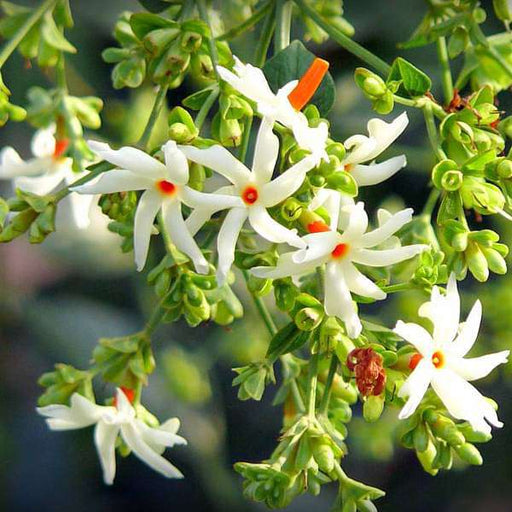
View full detailsCombo Constituents Includes the Parijat Tree (Night-Flowering Jasmine), a culturally significant plant with fragrant flowers. Description The Pari...
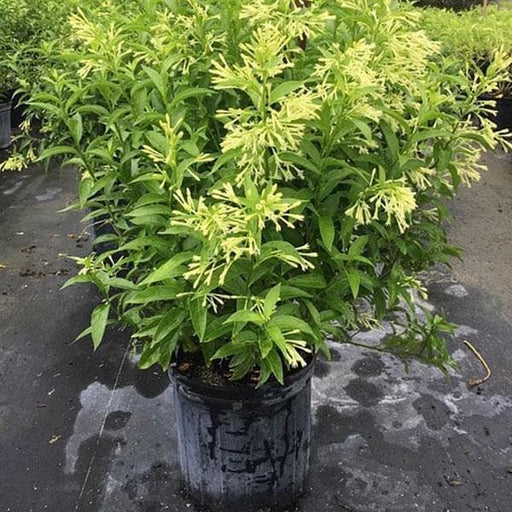
View full detailsDescription Raat Ki Rani (*Cestrum nocturnum*), also known as Night Blooming Jasmine, is a fragrant shrub native to the Caribbean and Central Ameri...
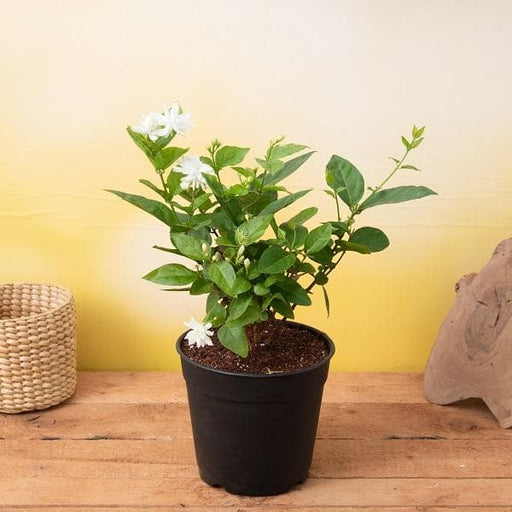
View full detailsJasminum sambac, Mogra, Arabian Jasmine - Plant Jasminum sambac, commonly known as Mogra or Arabian Jasmine, is a fragrant flowering plant...
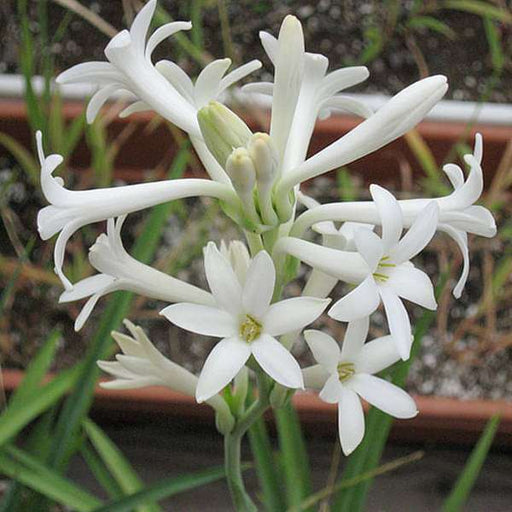
View full detailsRajnigandha, Tuberose - Plant The Rajnigandha, scientifically known as Polianthes tuberosa, is a captivating perennial plant renowned for ...
View full detailsCitronella, Odomas - Plant The Citronella plant, scientifically known as Cymbopogon nardus, is a tropical grass renowned for its aromatic ...
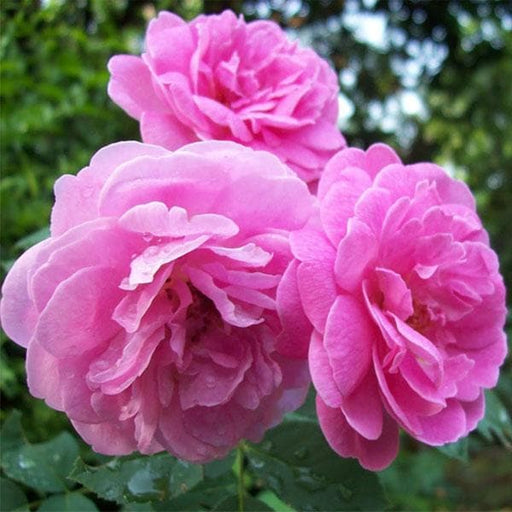
View full detailsDamascus Rose, Scented Rose (Any Color) - Plant The Damascus Rose, also known as Rosa damascena, is a timeless symbol of beauty and romanc...
View full detailsMiniature Rose, Button Rose (Any Color) - Plant The Miniature Rose, also known as the Button Rose, is a charming and compact flowering plant that ...
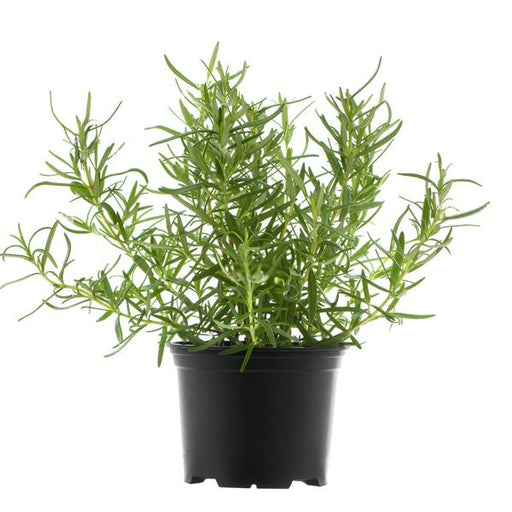
View full detailsRosemary - Plant Rosemary (Rosmarinus officinalis) is a fragrant evergreen herb native to the Mediterranean region. Known for its needle-like leav...
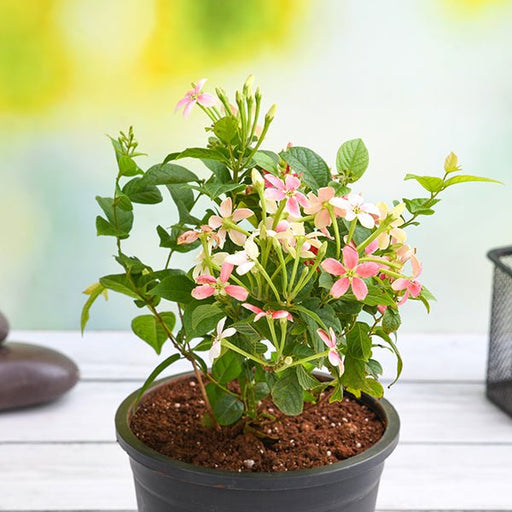
View full detailsMadhumalti Dwarf, Rangoon Creeper - Plant The Madhumalti Dwarf, also known as the Rangoon Creeper (Quisqualis indica), is a stunning perennial vin...
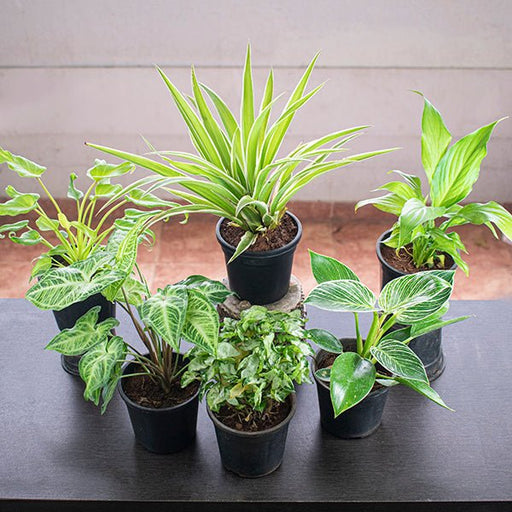
View full detailsBest 6 Plants for Perfect Indoor Garden Transform your living space into a lush oasis with our curated collection of the Best 6 Plants for a...
View full detailsBest 6 Plants for Perfect Indoor Garden Transform your living space into a lush oasis with our curated collection of the Best 6 Plants for a...
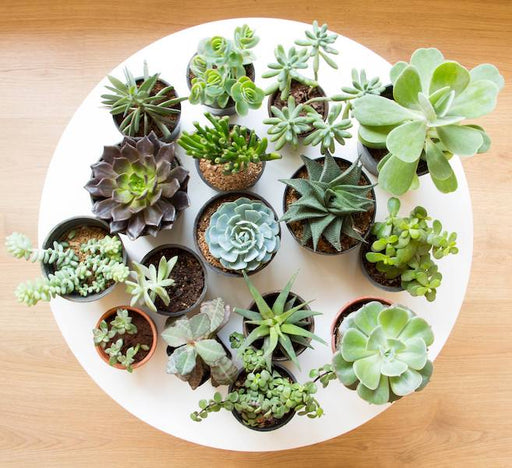
View full detailsMini Succulent Garden Pack Transform your space with our Mini Succulent Garden Pack, featuring a delightful collection of 4 any variety beautiful s...
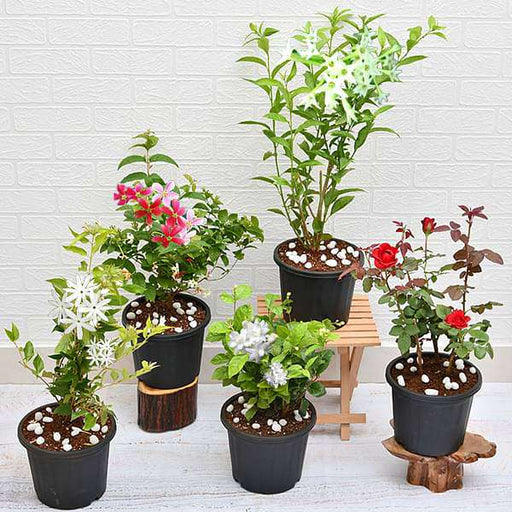
View full details5 Best Fragrant Plants Transform your garden or indoor space into a fragrant paradise with our curated selection of the 5 Best Fragrant Plants. Th...
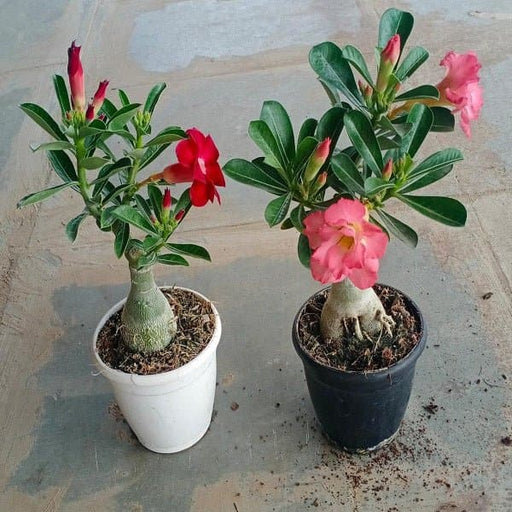
View full detailsSet of 2 Bonsai Looking Grafted Adeniums Transform your indoor or outdoor space with our exquisite Set of 2 Bonsai Looking Grafted Adenium...
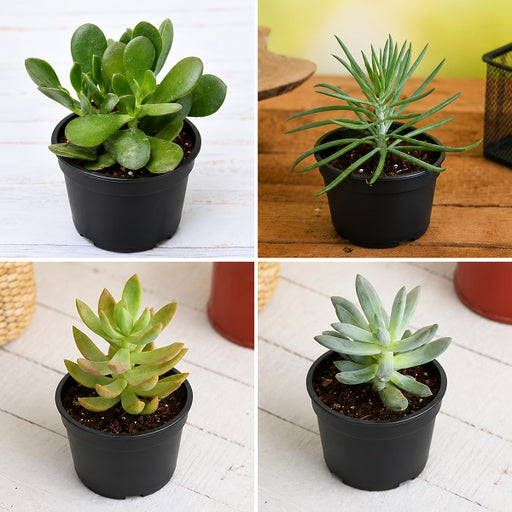
View full detailsTop 4 Die Hard Succulents Pack Note: Plants included in this pack will be delivered in a 3-inch nursery pot (any color). Transform your indoor or ...
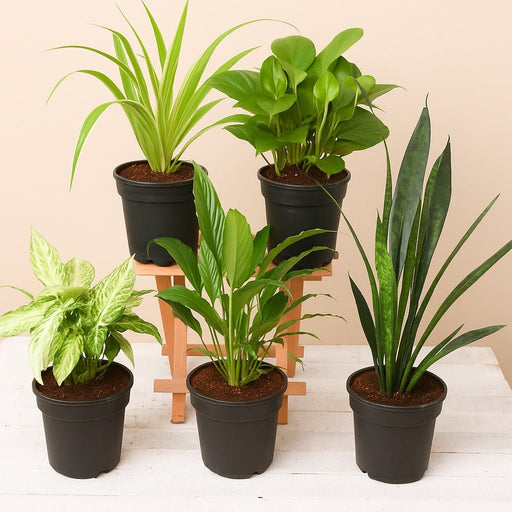
View full details5 Best Indoor Plants Pack Transform your living space into a lush oasis with our '5 Best Indoor Plants Pack.' This carefully curated collection fe...
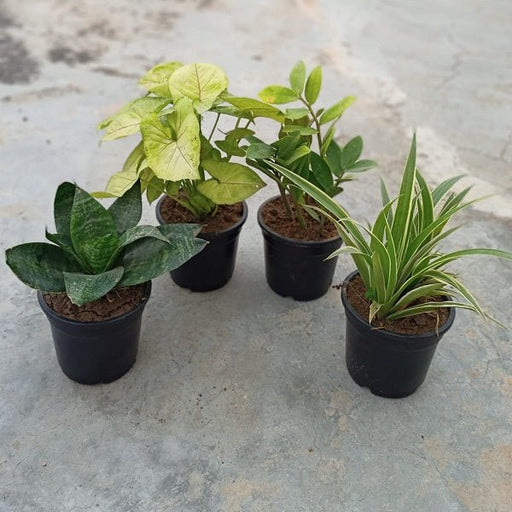
View full detailsSet of 4 Evergreen Air Purifier Plant Pack Transform your indoor space into a lush, green oasis with our Set of 4 Evergreen Air Purifier Pla...
View full detailsTop 5 Pollution Killer Plants Pack Transform your living space into a breath of fresh air with our 'Top 5 Pollution Killer Plants Pack'. This care...
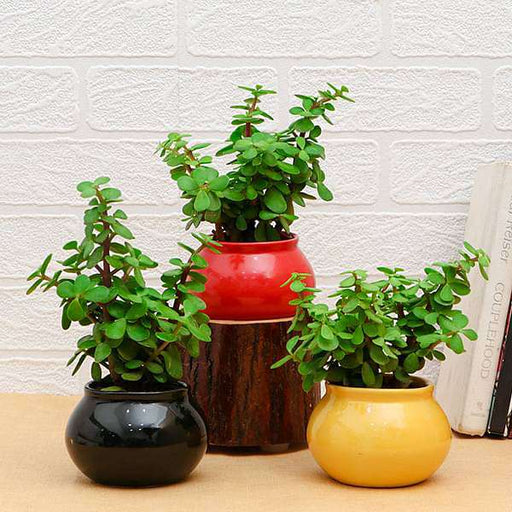
View full detailsPack of 3 Good Luck Jade Plants in Ceramic Pots Bring a touch of nature into your home with our Pack of 3 Good Luck Jade Plants, featuring...
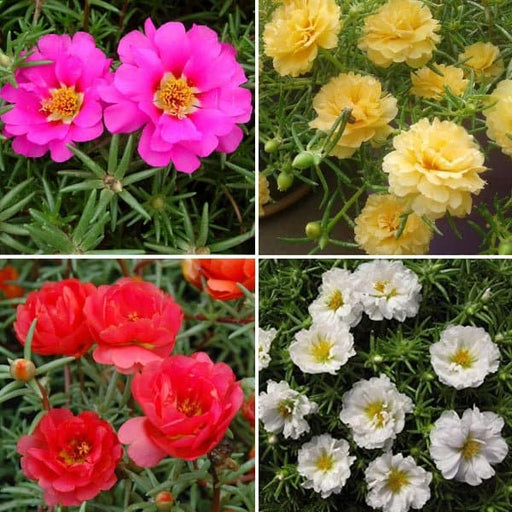
View full detailsPortulaca Garden Pack (4 Plants + 4 Black Pots) Note- You will get any color (Assorted) potted Porulaca plant with this pack. Transform your garde...
View full details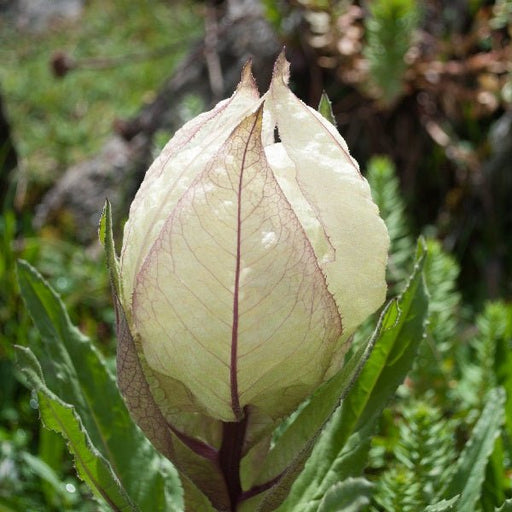






Leave a comment