
Expert Support
Available 24/7 via chat
Available 24/7 via chat
If you're looking for a compact, showy flowering plant that thrives in India's intense heat and requires minimal fussing, dwarf bougainvillea is your answer. The pink variety you've chosen delivers rich, papery blooms on a manageable, patio-friendly frame—ideal whether you're gardening in a small space or want a focal point without sprawl. Unlike their larger cousins, dwarf bougainvilleas are bred to stay dense and bushy, making them perfect for containers, borders, and balcony gardens across India's diverse climates.
Bougainvillea (Bougainvillea glabra var. minima) is a tropical ornamental shrub native to South America, but thrives magnificently in India's warm, dry regions. The dwarf cultivar is a compact version, naturally restraining its growth to roughly 60–90 cm—perfect for the 7-inch pot it arrives in. The plant produces small, oval green leaves and stunning papery bracts (the colourful "petals") in vibrant pink, surrounding tiny true flowers. In India, it's often called Kagazi phool or Kagai phool in Hindi, and Buganvilla in Marathi and Gujarati. The beauty of the dwarf form is that you get the same prolific, long-lasting blooms of its larger relatives—often flowering from late spring through autumn—without needing a large garden or aggressive pruning.
| Aspect | Requirement |
|---|---|
| Light | Full sun (6–8 hours minimum daily) |
| Water | Allow soil to dry between waterings; reduce in monsoon and winter |
| Soil | Well-draining potting mix with grit or sand; neutral to slightly acidic |
| Temperature | Thrives in heat; protect below 10°C; sensitive to frost |
Bougainvilleas are sun worshippers, and dwarf varieties are no exception. Your plant will flower most prolifically in full sun—aim for 6 to 8 hours of direct sunlight daily. In India's scorching summers, this isn't a problem; the plant actually loves heat and intense light. Position it on a south or west-facing balcony, rooftop terrace, or garden bed where it gets unfiltered morning and afternoon sun. If you live in a region with extremely harsh mid-day sun (40°C+), the plant will still thrive but may benefit from 2–3 hours of afternoon shade during peak April–June heat. In monsoon-heavy regions with prolonged cloud cover, place the plant where it receives maximum available light—inadequate sun is the most common reason for sparse, weak flowering.
Bougainvilleas prefer a "wet and dry" cycle rather than consistent moisture. Water thoroughly when the top 2 cm of soil feels dry to the touch, then allow it to dry again before the next watering. In India's hot season (March–May), this might mean watering every 2–3 days; in cooler months, once or twice weekly is sufficient. During monsoon, significantly reduce watering—the plant doesn't need much, and overwatering in humid, wet conditions invites root rot. Use filtered or distilled water if your area has hard water (high calcium and magnesium), as bougainvilleas are sensitive to mineral accumulation and may show yellowing leaves and reduced flowering with persistent hard-water irrigation. If you must use tap water, let it sit in an open container overnight to allow chlorine to dissipate. Never allow the pot to sit in standing water; ensure drainage holes are clear.
Bougainvilleas need a light, well-draining potting mix. Use a blend of 40% high-quality garden soil or coconut coir, 30% coarse sand or perlite, and 30% peat moss or aged compost. This mimics the plant's natural, sandy-loamy habitat and prevents waterlogging, which leads to root diseases common in Indian humidity. If your area has heavy clay soil, container growing is highly recommended. Feed your dwarf bougainvillea during the growing season (March–September) with a balanced, water-soluble fertiliser every 2–3 weeks, or switch to a phosphorus-rich formulation (higher middle number, like 10:52:10) to encourage flowering. Reduce feeding during monsoon and winter. Organic compost or aged manure mixed into the top layer every spring also provides steady, slow-release nutrition. Avoid over-feeding with nitrogen, which promotes leaf growth at the expense of blooms.
Bougainvilleas thrive in India's warm climate and tolerate heat well—they're ideal for regions with summer temperatures of 25–40°C. However, the plant is sensitive to cold; exposure below 10°C will cause leaf drop and dormancy, and frost (below 0°C) can kill it. In cooler hill stations or during winter in northern India, bring potted plants indoors or shelter them against a south-facing wall. Humidity is less critical; the plant tolerates dry air, though very low humidity during flowering may reduce bloom size slightly. In humid, monsoon-prone regions, ensure good air circulation around the plant to prevent fungal leaf spots and powdery mildew.
Propagate dwarf bougainvillea from semi-hardwood cuttings in late winter or spring. Take 10–15 cm cuttings from new growth, remove the lower leaves, and dip the cut end in a rooting hormone powder (optional but helpful). Insert cuttings into a moist, well-draining potting mix, cover loosely with a clear plastic bag to maintain humidity, and place in bright, indirect light. Roots typically form within 4–6 weeks. Once rooted, gradually acclimate the cutting to direct sunlight and begin regular watering. You can also propagate from hardwood cuttings, though success rates are lower. Seeds are viable but produce variable colours and may not match the parent plant exactly.
Yellowing leaves: Often caused by hard water, chlorosis (iron deficiency in alkaline soil), or overwatering. Test your soil pH; bougainvilleas prefer neutral to slightly acidic conditions. Switch to filtered water and allow soil to dry between waterings.
Fewer or no blooms: Insufficient light is the primary culprit; ensure 6+ hours of direct sun daily. Overfeeding with nitrogen or overwatering during the growing season also suppresses flowering. Reduce water slightly and switch to a phosphorus-rich fertiliser.
Leaf spots and powdery mildew: Caused by high humidity and poor air circulation, especially during monsoon. Increase spacing, prune for airflow, and avoid wetting foliage when watering. Spray with a sulphur-based fungicide if needed.
Pests: Spider mites and whiteflies occasionally afflict bougainvilleas in dry heat. Spray with neem oil or insecticidal soap every 7–10 days until controlled.
Leggy growth, sparse leaves: A sign of insufficient light. Prune back by one-third and move the plant to a sunnier location.
Ready to grow your own? Shop Bougainvillea Dwarf at Nurserylive →
Bougainvillea Dwarf (Pink) Plant in 7 inch (18 cm) Grower Round Plastic Pot (Black) The Bougainvillea Dwarf (Pink) Plant is a stunning ornamental p...
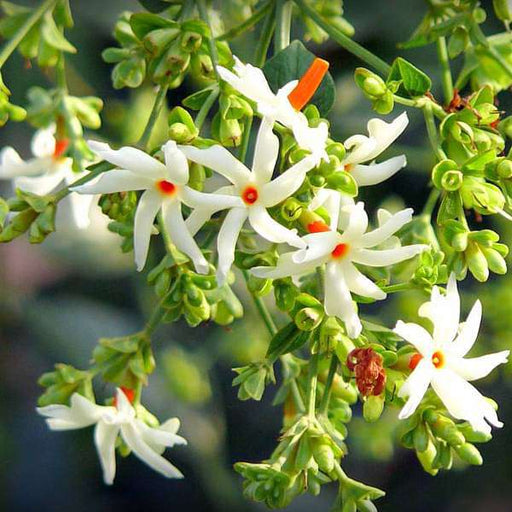
View full detailsCombo Constituents Includes the Parijat Tree (Night-Flowering Jasmine), a culturally significant plant with fragrant flowers. Description The Pari...
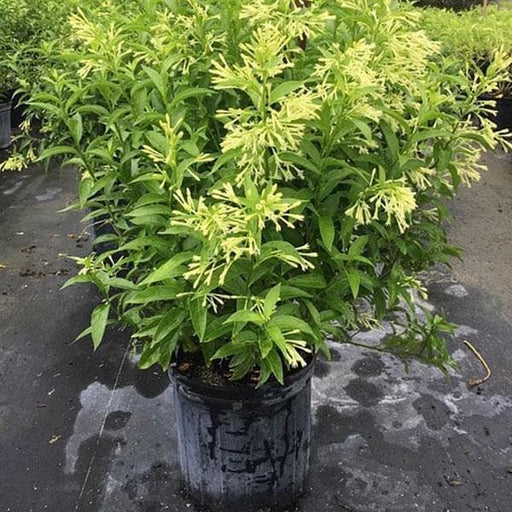
View full detailsDescription Raat Ki Rani (*Cestrum nocturnum*), also known as Night Blooming Jasmine, is a fragrant shrub native to the Caribbean and Central Ameri...
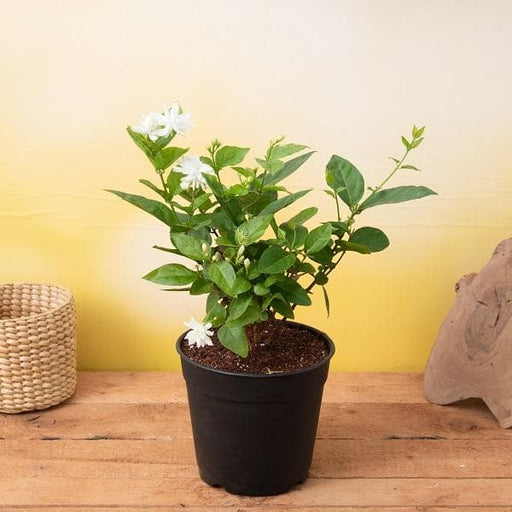
View full detailsJasminum sambac, Mogra, Arabian Jasmine - Plant Jasminum sambac, commonly known as Mogra or Arabian Jasmine, is a fragrant flowering plant...
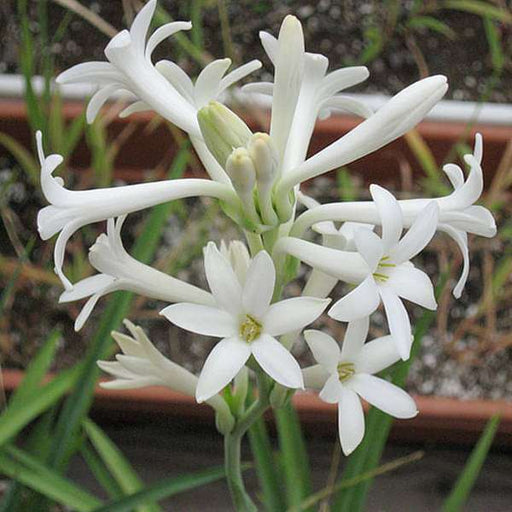
View full detailsRajnigandha, Tuberose - Plant The Rajnigandha, scientifically known as Polianthes tuberosa, is a captivating perennial plant renowned for ...
View full detailsCitronella, Odomas - Plant The Citronella plant, scientifically known as Cymbopogon nardus, is a tropical grass renowned for its aromatic ...
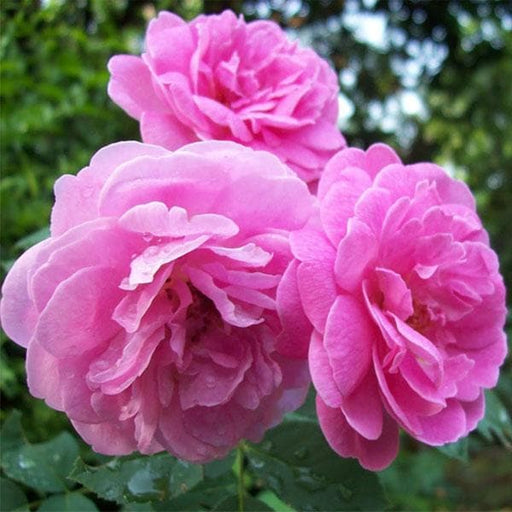
View full detailsDamascus Rose, Scented Rose (Any Color) - Plant The Damascus Rose, also known as Rosa damascena, is a timeless symbol of beauty and romanc...
View full detailsMiniature Rose, Button Rose (Any Color) - Plant The Miniature Rose, also known as the Button Rose, is a charming and compact flowering plant that ...
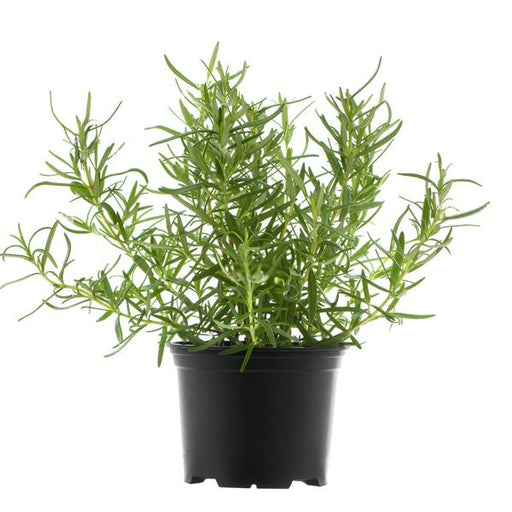
View full detailsRosemary - Plant Rosemary (Rosmarinus officinalis) is a fragrant evergreen herb native to the Mediterranean region. Known for its needle-like leav...
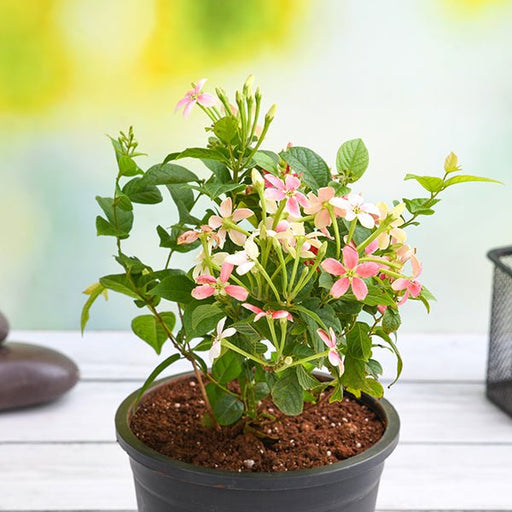
View full detailsMadhumalti Dwarf, Rangoon Creeper - Plant The Madhumalti Dwarf, also known as the Rangoon Creeper (Quisqualis indica), is a stunning perennial vin...
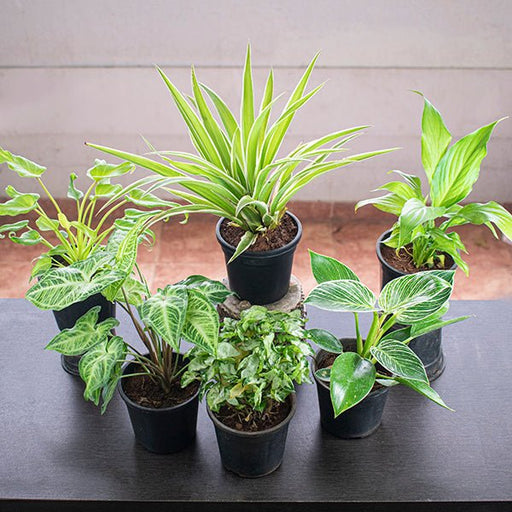
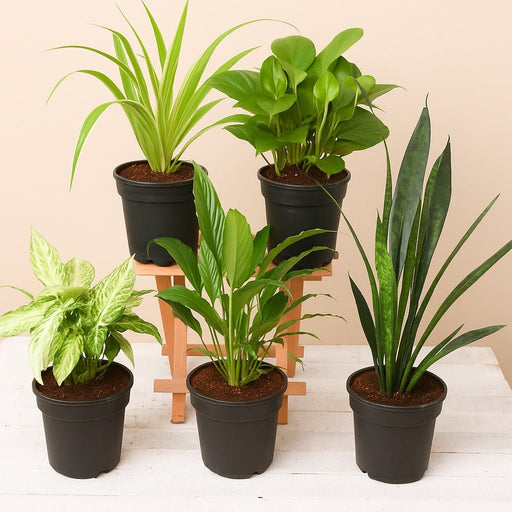
View full detailsBest 6 Plants for Perfect Indoor Garden Transform your living space into a lush oasis with our curated collection of the Best 6 Plants for a...
View full detailsBest 6 Plants for Perfect Indoor Garden Transform your living space into a lush oasis with our curated collection of the Best 6 Plants for a...
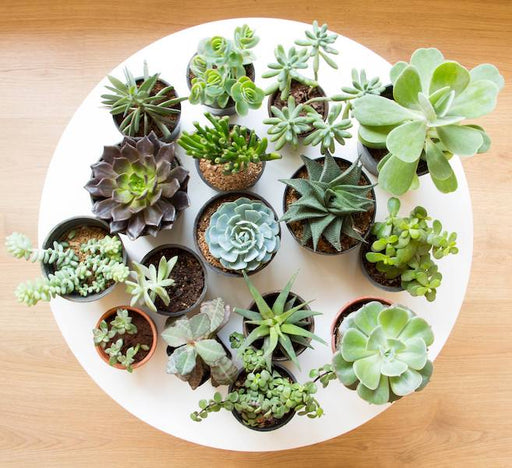
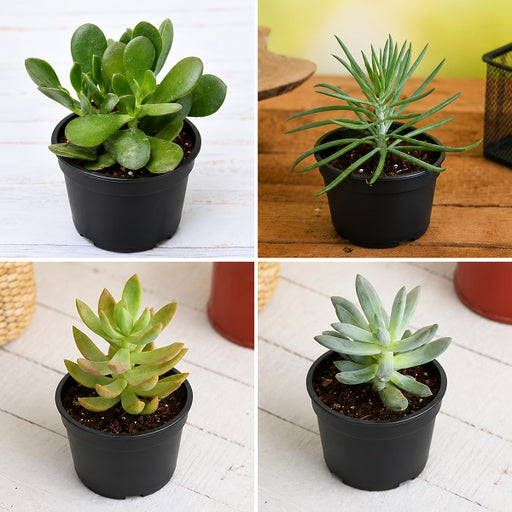
View full detailsMini Succulent Garden Pack Transform your space with our Mini Succulent Garden Pack, featuring a delightful collection of 4 any variety beautiful s...
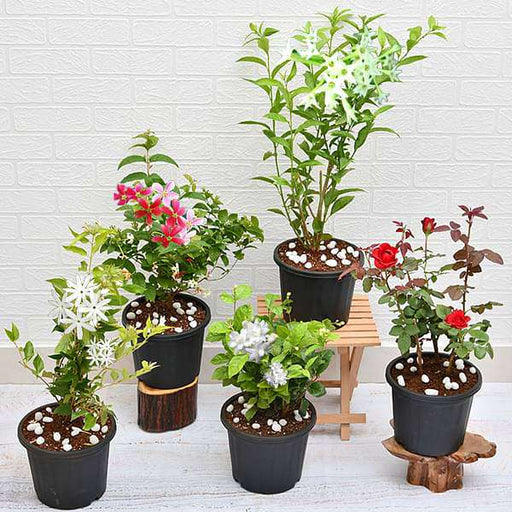
View full details5 Best Fragrant Plants Transform your garden or indoor space into a fragrant paradise with our curated selection of the 5 Best Fragrant Plants. Th...
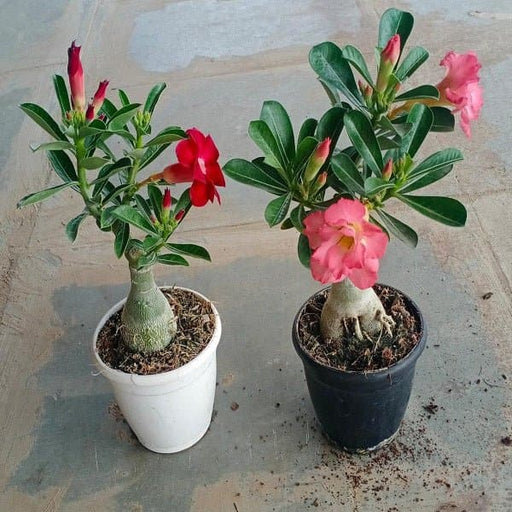
View full detailsSet of 2 Bonsai Looking Grafted Adeniums Transform your indoor or outdoor space with our exquisite Set of 2 Bonsai Looking Grafted Adenium...
View full detailsTop 4 Die Hard Succulents Pack Note: Plants included in this pack will be delivered in a 3-inch nursery pot (any color). Transform your indoor or ...
View full details5 Best Indoor Plants Pack Transform your living space into a lush oasis with our '5 Best Indoor Plants Pack.' This carefully curated collection fe...
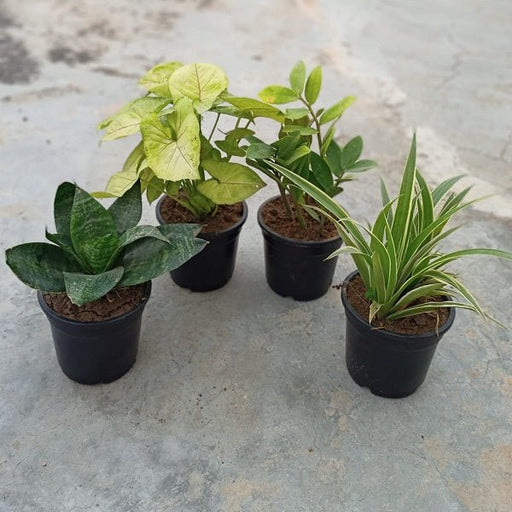
View full detailsSet of 4 Evergreen Air Purifier Plant Pack Transform your indoor space into a lush, green oasis with our Set of 4 Evergreen Air Purifier Pla...
View full detailsTop 5 Pollution Killer Plants Pack Transform your living space into a breath of fresh air with our 'Top 5 Pollution Killer Plants Pack'. This care...
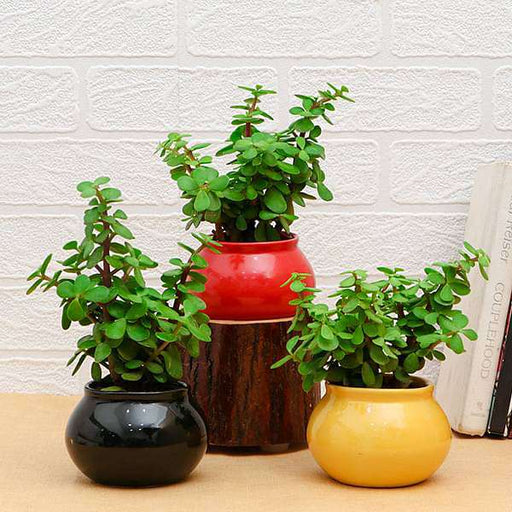
View full detailsPack of 3 Good Luck Jade Plants in Ceramic Pots Bring a touch of nature into your home with our Pack of 3 Good Luck Jade Plants, featuring...
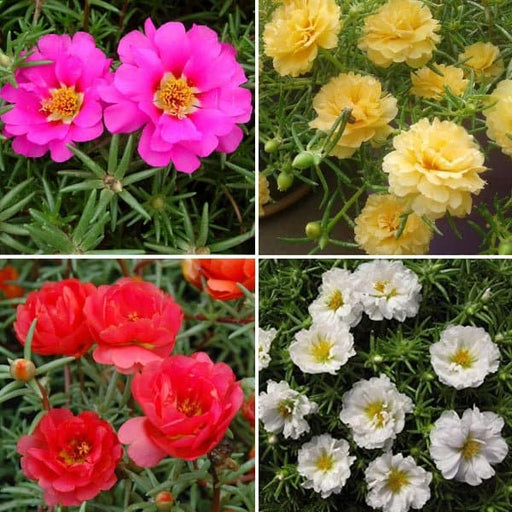
View full detailsPortulaca Garden Pack (4 Plants + 4 Black Pots) Note- You will get any color (Assorted) potted Porulaca plant with this pack. Transform your garde...
View full details





Leave a comment